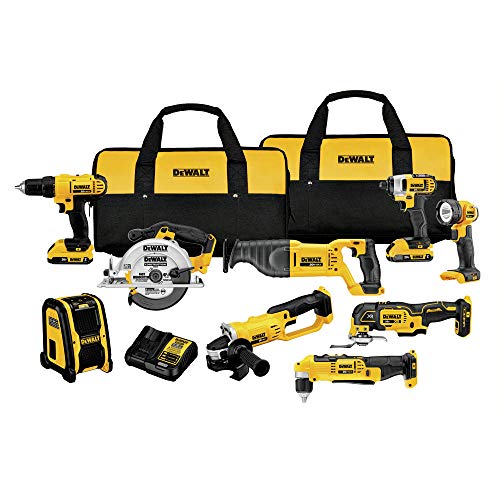
A Power Point on Productivity Tools Or Educational Technology.
Are you looking to boost your productivity or enhance your educational experience? You're in the right place.
This PowerPoint on productivity tools and educational technology is your gateway to unlocking new ways to work smarter and learn more effectively. Imagine having tools at your fingertips that not only streamline your tasks but also revolutionize how you absorb information.
Curious about how to turn your daily grind into a seamless flow? Or how to make learning more engaging and interactive? This presentation will guide you through the best tools and technologies that can transform your approach, whether at work or in the classroom. Dive in, and discover how you can elevate your productivity and educational prowess.
Productivity Tools Overview
Productivity tools help manage tasks and boost efficiency. They streamline processes. People use them to organize work. These tools are essential for both students and professionals. They offer support for various tasks. From note-taking to collaboration, productivity tools cover a wide range. Understanding them can greatly enhance performance.
Types Of Productivity Tools
Productivity tools come in many forms. Task management tools help organize daily duties. Examples include Todoist and Trello. Note-taking apps, like Evernote, capture ideas quickly. Communication tools, such as Slack, enable easy conversations. File storage services, like Google Drive, store documents safely. Each type serves a specific purpose. Knowing the right tool can improve workflow.
Benefits Of Using Productivity Tools
These tools save time. They help prioritize tasks effectively. Users experience less stress. Collaboration becomes easier with shared platforms. Communication tools enhance team interactions. Document storage keeps files secure. Accessing them is simple. Overall, productivity tools boost efficiency. They simplify complex tasks. This leads to improved output and satisfaction.
Popular Productivity Tools
Productivity tools are essential for enhancing efficiency and achieving goals. These tools help in managing tasks, organizing schedules, and collaborating effectively. Understanding popular productivity tools can greatly improve your workflow. Let's explore some of the most effective tools available.
Project Management Software
Project management software streamlines tasks and boosts productivity. Tools like Trello and Asana offer visual boards for task tracking. They help teams plan, execute, and review projects efficiently. These platforms are user-friendly and provide clear task visibility. They also allow assigning tasks and setting deadlines easily.
Time Management Apps
Time management apps optimize your daily schedule. Apps such as Toggl and RescueTime track time spent on tasks. They help identify productivity patterns and areas needing improvement. These apps offer reminders and alerts for better focus. They also assist in setting goals and monitoring progress.
Collaboration Platforms
Collaboration platforms enhance teamwork and communication. Tools like Slack and Microsoft Teams facilitate real-time messaging. They provide channels for group discussions and file sharing. These platforms integrate with other productivity tools. They help maintain seamless communication within teams.
Educational Technology Advancements
In today's fast-paced world, educational technology advancements are reshaping how we learn and teach. These innovations offer a dynamic approach to knowledge acquisition, making learning more engaging and effective. As someone who's always sought ways to make learning more enjoyable, I've found these tools to be game-changers. Let's dive into how these advancements are transforming education.
Digital Learning Platforms
Digital learning platforms are at the forefront of educational technology. They provide access to a wealth of resources, enabling learners to study anytime, anywhere. Whether you're brushing up on history or mastering a new language, these platforms have something for everyone.
Consider platforms like Khan Academy or Coursera. They offer courses tailored to various skill levels, helping you progress at your own pace. Have you ever thought about how convenient it is to have a classroom right in your pocket?
These platforms also foster community. You can interact with fellow learners, share insights, and even collaborate on projects. It's like having a global study group that never sleeps.
Interactive Learning Tools
Interactive learning tools bring a new level of engagement to education. They transform traditional methods into interactive experiences, making complex concepts easier to grasp. Think about how a simple quiz or game can enhance understanding.
Tools like Quizlet or Kahoot allow you to test your knowledge in a fun way. They offer instant feedback, so you know exactly where you stand. Ever noticed how a little competition can motivate you to learn more?
These tools encourage active participation. You become a part of the learning process rather than a passive observer. It's about making learning lively and enjoyable, not just informative.
As you explore these advancements, consider how they might fit into your educational journey. What new paths can these tools open for you? Educational technology is not just about innovation; it's about enhancing your learning experience in practical ways. How will you embrace this change?
Integration Of Technology In Education
The integration of technology in education is no longer a futuristic concept. It’s a reality that’s transforming how educators teach and how students learn. Embracing technology in classrooms doesn’t just mean using computers but involves a complete shift in educational dynamics.
Have you ever wondered how technology changes traditional learning methods? It’s not just about replacing books with tablets. It’s about creating a dynamic environment that fosters both independent and collaborative learning.
Blended Learning Models
Blended learning models combine the best of both worlds—online and face-to-face learning. They offer flexibility and cater to individual learning paces.
Imagine a classroom where students can watch recorded lessons at home and use class time for discussions and projects. This approach allows for deeper understanding and application of knowledge. It also encourages students to take charge of their own learning journey.
Have you ever considered how this model can impact your learning or teaching? It empowers students to review materials as often as needed and allows teachers to focus on more interactive activities.
Virtual Classrooms
Virtual classrooms break the geographical barriers of traditional education. They provide access to quality education regardless of location.
Think about attending a class taught by a renowned professor from another country without leaving your home. Virtual classrooms make this possible with tools like video conferencing and shared digital resources.
How might this change your approach to learning? It opens up opportunities for diverse interactions and perspectives, enriching the educational experience.
Incorporating these technological advancements in education requires thoughtful planning and execution. It’s about enhancing the learning experience, not just digitizing it. Are you ready to embrace this change?
Choosing The Right Tools
Choosing the right productivity or educational technology tools can significantly impact your efficiency and learning experience. With a myriad of options available, it's essential to make informed decisions that align with your specific needs and objectives. Whether you're a teacher, student, or professional, selecting the right tools can streamline your tasks and enhance your productivity.
Factors To Consider
Before diving into specific tools, consider your current workflow and how a new tool could enhance it. Are you looking for something to help manage time, organize tasks, or facilitate communication? Understanding what you need will guide your decision-making process.
Cost is another crucial factor. While some tools offer free versions, others may require a subscription. Balancing cost with functionality is key. Sometimes, investing in a premium tool can save you time and hassle in the long run.
Compatibility with your existing systems and tools is vital. Ensure the new tool integrates well with what you're already using. This minimizes disruptions and maximizes efficiency.
Evaluating Needs And Objectives
Take a moment to assess your goals. What are you aiming to achieve with this tool? Improved collaboration, better time management, or enhanced learning experiences? Clearly defining your objectives will help you choose tools that align with your aims.
Consider the learning curve of the tool. Some tools are intuitive and easy to learn, while others may require more time to master. Choose a tool that matches your comfort level and willingness to learn.
Think about scalability. As your needs grow, will the tool grow with you? Opt for tools that can adapt to your changing needs, ensuring long-term relevance and utility.
Have you ever felt overwhelmed by the sheer number of options available? You're not alone. Start by listing your top priorities and matching them with the features of potential tools. This approach narrows your options and makes the decision process more manageable.
Choosing the right tool is not just about features—it's about fit. How well does it fit with your daily routine and long-term goals? By focusing on what truly matters to you, you'll find the tools that help you thrive.
Maximizing Efficiency With Technology
In today's fast-paced world, maximizing efficiency with technology is not just an option; it’s a necessity. The right tools can transform how you work and learn, making tasks quicker and more effective. Whether you're a student, a teacher, or a professional, harnessing the power of technology can significantly enhance your productivity.
Strategies For Effective Use
Are you using your tech tools to their fullest potential? Often, people have access to powerful software but only scratch the surface of what they can do. Start by exploring tutorials or user guides to uncover hidden features. This could mean setting up templates in PowerPoint for faster presentations or using note-taking apps to organize your thoughts efficiently.
Consider setting specific goals for your tech use. What do you want to achieve? Maybe it's reducing the time spent on emails by using smart filters or automating repetitive tasks with tools like IFTTT. By focusing on specific outcomes, you can tailor your tech usage to meet your needs.
Tracking Progress And Outcomes
How do you know if you're genuinely more efficient? Tracking your progress is crucial. Use digital tools like time-tracking apps to see where your time goes. This data can highlight productivity patterns and help you make informed decisions about which areas need improvement.
Setting measurable outcomes for your tasks can also keep you on track. For example, instead of vaguely aiming to "finish a report," set a target like "complete the first draft by noon." This specificity encourages focus and helps assess whether your tech tools are aiding or hindering progress.
Ultimately, technology is a powerful ally when used thoughtfully. Experiment with different tools and approaches to find what best supports your goals. Remember, efficiency isn't about working faster; it’s about working smarter. What tech tool will you master next to boost your productivity?
Future Trends In Productivity And Education
The future of productivity and education is evolving rapidly. New technologies shape how we learn and work. These advancements promise efficient, engaging, and personalized experiences. Understanding these trends prepares us for the upcoming digital landscape.
Artificial Intelligence
Artificial Intelligence (AI) is transforming productivity tools and education. AI can automate repetitive tasks. This frees up time for creative work. In education, AI can personalize learning. It adapts content to each student's needs. Teachers can use AI to track progress and identify challenges. This leads to more targeted instruction and support.
Augmented Reality
Augmented Reality (AR) adds a digital layer to the real world. In productivity, AR can enhance presentations and data visualization. It makes complex information easier to understand. In education, AR offers interactive learning experiences. Students can explore virtual environments and see 3D models. This fosters curiosity and improves comprehension.
Frequently Asked Questions
What Are Productivity Tools In Education?
Productivity tools in education are digital solutions enhancing teaching and learning efficiency. They include software like Microsoft Office, Google Workspace, and educational apps. These tools help streamline tasks, facilitate communication, and improve time management, allowing educators and students to focus more on learning and creativity.
How Does Educational Technology Benefit Students?
Educational technology offers students interactive and personalized learning experiences. It provides access to vast resources and facilitates collaboration. Tools like virtual classrooms and educational apps cater to different learning styles, enhancing engagement and understanding. This tech integration prepares students for a tech-driven world, improving essential skills.
Why Use Productivity Tools In Education?
Productivity tools in education simplify administrative tasks and enhance learning experiences. They support teachers in creating organized lesson plans and assessments. Students benefit from collaborative features, which improve teamwork skills. These tools help in efficient time management, ensuring both educators and learners focus on educational growth.
What Is The Role Of Technology In Classrooms?
Technology in classrooms transforms traditional teaching methods into interactive learning experiences. It supports diverse learning styles and provides access to global resources. Tools like interactive whiteboards and educational apps engage students, fostering creativity and critical thinking. This integration equips students with essential digital skills for future success.
Conclusion
Productivity tools and educational technology enhance learning and efficiency. They offer diverse solutions for varied needs. Teachers and students benefit greatly. These tools simplify complex tasks. They also facilitate better communication. Choosing the right tool is important. It can make daily tasks easier.
Exploring options helps find the best fit. Embrace these technologies to improve your productivity. They can transform how you work and learn. Stay updated with new advancements. This ensures you always have the best tools. So, start integrating these technologies today.
They support growth and success in education and beyond.