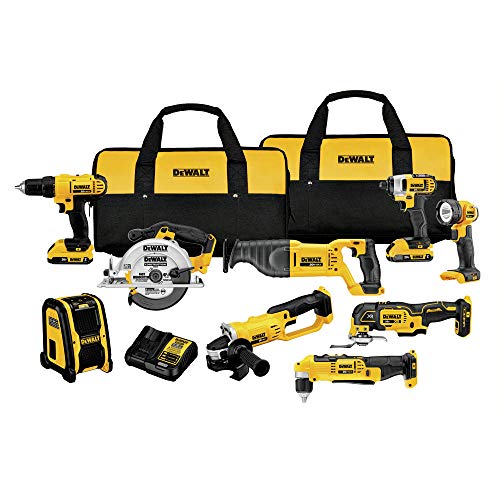

Are you tired of struggling with plastic products that refuse to bend to your will? Imagine having a tool so powerful and precise, it feels almost magical in your hands.
This isn’t just any tool; it’s a game-changer in the world of plastic crafting and manufacturing. But here’s the catch—what does it cost? And is it worth the investment for your specific needs? We’ll unravel the mystery behind this special power tool for plastic products, exploring its potential to revolutionize your work while also diving deep into its cost-effectiveness.
Prepare to discover how this tool could be the missing piece to enhancing your efficiency and creativity. Stay with us, and you might just find the answer you’ve been searching for.
Understanding Plastic Product Costs
Plastic products are everywhere in our daily lives. Understanding their costs helps us make smarter choices. Costs can vary based on several factors. Knowing these factors can save money and improve quality.
Components Affecting Cost
The cost of plastic products is influenced by many components. Manufacturing expenses and design complexities play significant roles. Labor costs also impact the final price. Each component adds to the overall cost.
Transport and logistics further affect pricing. Efficient delivery methods can lower costs. Consideration of these factors is crucial in understanding costs.
Material Selection And Pricing
Material choice is vital in plastic product costs. Different plastics have varying prices. Some are cheap, while others are expensive. Choosing the right material can reduce costs.
Quality of material also affects pricing. High-quality materials often cost more. Balancing price and quality is key. This ensures the product meets standards without overspending.
The Special Power Tool
The world of plastic products is vast and growing. Specialized tools streamline production, ensuring efficiency and quality. A standout in this realm is a specific power tool. This tool is designed to meet the unique challenges of plastic manufacturing. It's crafted to enhance precision and reduce waste. Businesses using this tool see significant improvements. Let's delve into what makes this power tool special.
Introduction To The Tool
This special power tool is a marvel in plastic production. It's engineered for durability and precision. Designed with cutting-edge technology, it addresses common production issues. Its compact design fits seamlessly into any workspace. This tool is ideal for both small workshops and large factories. It promises consistent performance with every use.
Key Features And Capabilities
The tool boasts a range of impressive features. Its adjustable speed settings cater to different plastic types. This ensures smooth and precise cuts every time. An ergonomic handle reduces user fatigue, making long hours manageable. Safety is a top priority, with built-in protective measures. This tool also includes a waste reduction mechanism. It minimizes excess material, saving costs and resources. Easy maintenance and long-lasting parts are key benefits. This ensures a lower total cost of ownership for businesses.
Implementation Strategies
Discover cost-effective strategies for plastic product manufacturing with a special power tool. Enhance production efficiency and reduce expenses. Implementing this tool streamlines processes and optimizes resource usage, leading to significant savings.
Implementing a special power tool for plastic products in your production line can seem daunting at first. However, with the right strategies in place, it can enhance efficiency and reduce costs significantly. Let's explore some actionable steps to make this transition as smooth as possible.
Integrating The Tool Into Production
Start by assessing your current production setup. Identify where the tool can most effectively be added to streamline operations. Consider the impact on the production flow and potential bottlenecks. In my previous role, we found that adding a new power tool adjacent to the assembly line minimized downtime. This strategic placement can significantly boost productivity. Next, collaborate with your team to adjust workflows. Involve them in planning to foster a sense of ownership and accountability.
Training And Support For Staff
Staff training is critical for successful implementation. Organize hands-on sessions where employees can familiarize themselves with the new tool. Provide continuous support to address any concerns or challenges they might face. Encourage open communication to foster a supportive learning environment. Consider appointing a few "power tool champions" from your team. These individuals can lead training efforts and act as go-to resources for their colleagues. How will your team adapt to this new change? Engaging them from the start can ease the transition and ensure everyone is on board. By focusing on these strategies, you can effectively integrate a special power tool into your production line. This not only enhances efficiency but also empowers your workforce with new skills and a shared sense of achievement.
Maximizing Cost Efficiency
In the competitive world of plastic manufacturing, cost efficiency is vital. Businesses seek ways to reduce expenses without sacrificing quality. Special power tools for plastic products offer a solution. They enhance production while cutting unnecessary costs. By focusing on key strategies, companies can achieve impressive savings.
Analyzing Cost Reductions
Understanding where costs can be trimmed is the first step. Analyze each stage of production to find inefficiencies. Evaluate equipment maintenance and energy consumption. Consider the materials used and their sourcing options. These areas often hide potential savings.
Using advanced power tools can reduce energy usage. They work faster and more efficiently than older models. This leads to lower electricity bills and reduced wear and tear.
Optimizing Production Processes
Streamlining production processes boosts efficiency. Identify bottlenecks that slow down operations. New power tools can help speed up these processes. They offer precision and reliability, which minimizes waste.
Training employees on these tools is crucial. Skilled workers can use them to their full potential. This maximizes productivity and reduces errors. Investing in training pays off in the long run.
Case Studies And Success Stories
The world of plastic products is vast and varied. Special power tools make this world efficient and precise. Many companies have shared their stories of success. These stories show how these tools cut costs and boost quality. Let's explore some standout cases.
Real-world Applications
Company A needed to reduce waste in its manufacturing process. They chose a specialized tool for cutting plastic. After a month, waste reduced by 30%. This cut expenses significantly. The tool also improved product quality. Customers noticed and sales increased.
Company B faced issues with long production times. They implemented a new power tool. Production time dropped by 40%. This allowed them to meet customer demands swiftly. Customer satisfaction improved, enhancing their reputation.
Lessons Learned
From these cases, several lessons emerged. First, the right tool can save money. It also enhances efficiency. Companies should assess their needs carefully. This ensures they choose the best tool for the job.
Another lesson is the value of training. Employees using these tools must be well-trained. Proper training leads to better results and fewer errors. This also boosts employee confidence and productivity.
Finally, regular maintenance is crucial. Well-maintained tools last longer and perform better. This reduces the need for replacements. It also ensures consistent quality in production.
Future Trends In Plastic Manufacturing
Exploring future trends, a new power tool is reducing costs in plastic manufacturing. This innovation focuses on efficiency and sustainability, offering a cost-effective solution for producing plastic products. Expect significant savings and improved production quality with this tool.
The plastic manufacturing industry is evolving rapidly. Manufacturers seek efficient methods to reduce costs. They also aim to improve product quality. These trends influence how businesses adapt to market demands. Understanding these changes is vital for staying competitive.
Innovations In Cost Management
Cost management is crucial in plastic manufacturing. New tools help reduce production expenses. Automated systems streamline processes. This results in faster production times. Precision tools minimize material waste. This further cuts costs. Efficient supply chains lower expenses too. They optimize resource usage. Smart technology supports cost-effective production.
Sustainability And Cost Savings
Sustainability is a priority for manufacturers. Eco-friendly materials gain popularity. They offer cost-effective solutions. Recycled plastics reduce raw material costs. Energy-efficient machines lower electricity bills. Reducing carbon footprints saves money. Sustainable practices attract eco-conscious customers. This increases sales and revenue. Balancing sustainability with cost savings is essential. `
Tips For Choosing The Right Tool
Choosing the right power tool for plastic products can be tricky. Many options exist. Each has unique features and benefits. Making an informed decision saves money and increases efficiency. A good tool ensures quality results. Below are some tips to help you choose the right tool.
Factors To Consider
First, think about the tool's purpose. Will you cut, shape, or drill plastic? Different tasks need different tools. Also, consider the tool's power source. Electric, battery, or pneumatic? Each has pros and cons. Check the tool's speed settings. Variable speed allows more control. Look at the tool's weight and size. A lightweight tool is easier to handle. Pay attention to the tool's durability. High-quality materials last longer. Finally, consider your budget. Choose a tool that fits your financial plan.
Comparing Options
Start by listing potential tools. Compare their features and specifications. Read customer reviews online. Reviews offer real user experiences. Check brand reputation. Trusted brands usually offer reliable products. Compare warranty options. A good warranty protects your investment. Visit local stores to test tools. Hands-on experience helps make better decisions. Check for additional accessories. Extras like blades or drills can add value. Consider the availability of replacement parts. Easy access to parts ensures long-term use.
Frequently Asked Questions
What Is A Power Tool For Plastic Products?
A power tool for plastic products is designed to efficiently cut, shape, and finish various plastic materials. These tools increase precision and speed in manufacturing, making them essential in industries that rely on plastic components. They are specifically engineered to handle the unique properties of plastics.
How Much Does A Plastic Power Tool Cost?
The cost of plastic power tools varies widely depending on their type, brand, and features. Basic models can start around $50, while more advanced, professional-grade tools may exceed $500. Consider your specific needs and budget when selecting the right tool for your projects.
Are Plastic Power Tools Durable?
Yes, many plastic power tools are built to be durable and withstand regular use. They are often made from high-quality materials that resist wear and tear. Maintenance and proper usage are crucial to extend their lifespan and ensure consistent performance.
Can Power Tools Cut All Types Of Plastic?
Most power tools designed for plastics can handle various types, including PVC, acrylic, and polycarbonate. However, it's essential to choose the right tool and blade for specific plastic types. Always follow the manufacturer's guidelines to ensure safety and optimal results.
Conclusion
Choosing the right power tool for plastic products saves money. It ensures precise and clean cuts. This increases efficiency in your projects. You avoid costly mistakes and material waste. Investing in a quality tool boosts productivity. It also enhances the quality of your work.
Durable tools reduce the need for replacements. This leads to long-term savings. Consider your specific needs before buying. Research and compare options available. A well-informed decision benefits your projects and budget. Always prioritize quality and functionality over price alone. This ensures the best results for plastic product tasks.