Imagine tackling your next DIY project without the hassle of tangled cords. Cordless power tools offer you the freedom to move around effortlessly, but have you ever wondered what keeps them running?
If you've guessed batteries, you're on the right track. But there's so much more to uncover about these portable workhorses. Why do some tools last longer on a single charge? What should you know before investing in a cordless tool?
By the end of this article, you'll understand how batteries power these tools and how they can transform your toolbox. Dive in and discover the secrets behind the power of cordless tools, and learn how to make the best choices for your projects.
Cordless Power Tools Defined
Cordless power tools are a staple in modern toolkits. They offer freedom from wires. These tools operate without being plugged into a power source. Their mobility makes them popular among professionals and DIY enthusiasts alike. Let's explore their key features.
What Are Cordless Power Tools?
Cordless power tools are battery-operated devices. They function without the need for direct electrical connection. This feature allows usage in various settings. From construction sites to home repairs, they serve diverse needs.
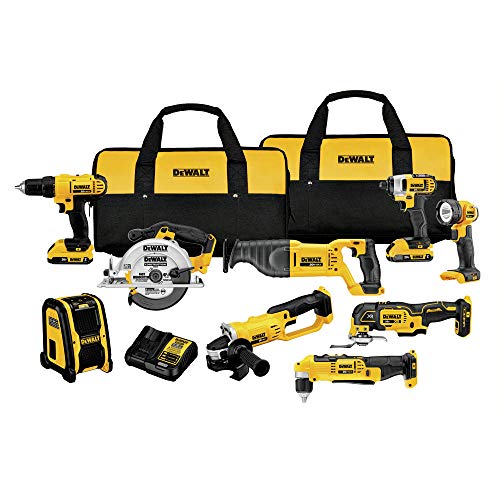
Many tools come in cordless versions. Drills, saws, and screwdrivers are popular examples. Each tool offers unique benefits. Users can select based on specific tasks.
Benefits Of Cordless Power Tools
The main advantage is mobility. Users can work in tight spaces easily. No cords to tangle or trip over. This increases safety and efficiency.
Power Source: Batteries
These tools rely on batteries for power. Lithium-ion batteries are common. They provide consistent power and are rechargeable. This ensures tools are ready for repeated use.
Types Of Cordless Power Tools
Cordless power tools have become essential for both professionals and DIY enthusiasts. These tools offer freedom of movement, making tasks easier and more efficient. Powered by rechargeable batteries, they eliminate the need for cumbersome cords. Understanding the types of cordless power tools available can help you choose the right tool for your needs.
Drills
Drills are versatile and used for making holes in various materials. Cordless drills provide flexibility, allowing you to move freely during projects. They are essential for construction, woodworking, and home repairs.
Saws
Saws come in different types, like circular and reciprocating saws. Cordless saws offer mobility, letting you work in places without power outlets. They are perfect for cutting wood, metal, and plastic with ease.
Screwdrivers
Cordless screwdrivers simplify the task of driving screws into materials. They save time and effort, especially on repetitive tasks. Ideal for assembling furniture and installing fixtures.
Impact Wrenches
Impact wrenches deliver high torque, making them useful for loosening bolts. Cordless versions allow quick movement around vehicles or machinery. Essential for automotive repairs and industrial tasks.
Sanders
Sanders smooth surfaces by removing material with abrasive action. Cordless sanders provide flexibility in workshops and job sites. Useful for finishing wood, metal, and painted surfaces.
Grinders
Grinders cut, grind, and polish materials with rotating discs. Cordless grinders offer portability, useful in construction and metalwork. They handle tasks like sharpening tools and removing rust.
Battery Technology In Power Tools
Cordless power tools rely on advanced battery technology. This technology has improved over the years, making tools more efficient and reliable. Different types of batteries power these tools, each with unique features. Understanding these can help users choose the right tool for their needs.
Lithium-ion Batteries
Lithium-Ion batteries are popular in cordless power tools. They are lightweight and efficient. These batteries hold a charge longer than other types. They also recharge quickly, which is a plus for frequent users. Lithium-Ion batteries are known for their longevity. They do not suffer from memory effect, which means they can be charged at any time.
Nickel-cadmium Batteries
Nickel-Cadmium batteries have been around for a long time. They are sturdy and reliable. These batteries can work well in extreme temperatures. They are also affordable, making them a common choice. However, they are heavier than Lithium-Ion options. They also have a memory effect, which can reduce battery life over time.
Nickel-metal Hydride Batteries
Nickel-Metal Hydride batteries offer a middle ground. They are lighter than Nickel-Cadmium but heavier than Lithium-Ion. These batteries have a higher capacity than Nickel-Cadmium. They are more environmentally friendly as well. Nickel-Metal Hydride batteries suffer less from the memory effect. They provide a decent balance of performance and cost.
Advantages Of Battery-powered Tools
Battery-powered tools offer many benefits for both professionals and DIY enthusiasts. These tools have gained popularity because they provide freedom and flexibility. With advancements in battery technology, these tools are becoming more efficient and reliable. Let's explore some key advantages of using battery-powered tools.
Portability
Battery-powered tools are easy to carry around. They don't need a power outlet. You can use them anywhere, even in remote areas. This makes them ideal for outdoor projects. No more tangled cords or searching for sockets. Just grab your tool and go. It's that simple.
Ease Of Use
These tools are straightforward and user-friendly. No more struggling with heavy equipment. Battery-powered tools are light and easy to handle. They start with a button press. No need for complicated setups. Anyone can use them without special skills. This makes them perfect for beginners.
Versatility
Battery-powered tools come in many types and sizes. From drills to saws, there's a tool for every task. You can switch batteries between compatible tools. This saves time and money. You only need one battery for multiple tools. This versatility makes them a great investment.
Challenges Of Battery-powered Tools
Cordless power tools, powered by batteries, face challenges like limited run time and the need for frequent recharges. Battery life varies, impacting efficiency and requiring users to manage power carefully.
Cordless power tools have transformed the way we approach DIY projects and professional tasks. They offer flexibility and convenience that wired tools simply can't match. However, relying on batteries brings its own set of challenges. These challenges, while not insurmountable, require careful consideration to ensure you get the most out of your tools.
Limited Run Time
One of the biggest hurdles with battery-powered tools is their limited run time. You might find yourself in the middle of a crucial task only to have your tool suddenly stop because the battery is dead. This can be frustrating, especially if you don’t have a spare battery on hand. Planning your projects with a charged backup can save you from these interruptions. Consider investing in high-capacity batteries if long run times are critical for your work.
Battery Degradation
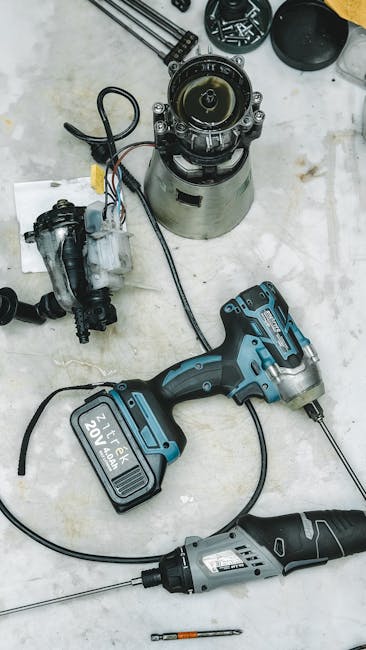
Over time, batteries lose their ability to hold a full charge. This natural degradation means that your tool might not last as long on a single charge as it did when it was new. You might notice this when your once-dependable drill starts to lose steam halfway through a project. Regularly checking the health of your batteries and following proper charging practices can help prolong their life. Are you taking care of your batteries to ensure they last?
Replacement Costs
Replacing batteries can be costly. A new battery might set you back almost as much as a new tool. This raises the question of whether to invest in a replacement or upgrade your tool altogether. To keep costs in check, look for tools with interchangeable batteries. This way, a single battery can power multiple tools, offering more bang for your buck. Navigating these challenges requires a bit of foresight and planning. With the right strategies, you can minimize disruptions and maximize the lifespan of your cordless power tools. Have you considered how these factors impact your toolkit?
Battery Maintenance Tips
Cordless power tools rely on batteries for operation. Proper maintenance ensures longer battery life and tool efficiency. Keep batteries charged and clean contacts regularly for optimal performance.
When you rely on cordless power tools, ensuring your battery is in top shape is crucial. Proper battery maintenance not only extends the life of your tools but also keeps your projects running smoothly. Imagine being in the middle of a project and your tool suddenly dies—what a setback! To avoid such hiccups, here are some actionable battery maintenance tips to keep your tools powered up and ready.
Proper Charging
Charging your battery correctly is the first step in maintenance. Always use the charger that came with your tool, as mismatched chargers can damage the battery. Avoid overcharging by unplugging the battery once it’s fully charged. Many chargers have indicator lights—use them to know when your battery is ready. Consider setting a timer as a reminder to check the charge status if your charger lacks indicators. Remember, a little attention during charging can prevent big problems later.
Storage Guidelines
How you store your batteries can significantly impact their longevity. Keep batteries in a cool, dry place to prevent overheating or moisture damage. Extreme temperatures can degrade battery life, so avoid leaving them in a hot garage or a cold shed. If you don’t plan to use your tools for a while, store batteries at half charge. This helps maintain their capacity over time. You wouldn’t keep your phone in a hot car, right? Treat your tool batteries with the same care.
Regular Inspection
Regular inspections can catch potential issues before they become major problems. Look for signs of wear, such as cracks or leaks, which can indicate a failing battery. Clean the battery terminals with a dry cloth to ensure a good connection. Consider setting a monthly reminder to inspect your batteries. This habit can save you from unexpected failures and costly replacements. Have you ever neglected a small issue only to find it grew into something bigger? Don’t let that happen with your batteries. By following these simple tips, you can maximize the life and performance of your cordless power tools. What steps will you take today to ensure your batteries are in peak condition?
Future Of Cordless Power Tools
The future of cordless power tools looks bright. With constant innovations, these tools are becoming more efficient. Users enjoy greater freedom and flexibility. No more tangled cords or limited reach. As technology advances, cordless tools will become even more essential in our daily lives.
Advancements In Battery Technology
Battery technology is evolving rapidly. Newer batteries offer longer life and faster charging. Lithium-ion batteries are popular. They are lightweight and powerful. Manufacturers are working on even better batteries. Soon, tools will last longer on a single charge. This means more work done in less time.
Integration With Smart Technology
Smart technology is changing cordless power tools. Many tools now connect to apps. Users can monitor battery life and performance. Some apps even provide maintenance tips. This integration makes tools more user-friendly. It also helps in reducing downtime during projects.
Sustainability Considerations
Sustainability is important in tool development. Manufacturers focus on eco-friendly materials. Rechargeable batteries reduce waste. Some companies recycle old batteries. These efforts help the environment. Future tools will be both efficient and eco-friendly.
Frequently Asked Questions
How Do Cordless Power Tools Work?
Cordless power tools operate using batteries. These batteries store electrical energy and power the tool's motor. When activated, the motor converts electrical energy into mechanical energy, enabling the tool to function effectively. This design allows for greater mobility and convenience, eliminating the need for a direct power source.
Are All Cordless Tools Battery-powered?
Yes, all cordless power tools are powered by batteries. These tools rely on rechargeable batteries to deliver energy to the motor. This feature provides users with portability, enabling work in areas without electrical outlets. The battery type and capacity can vary depending on the tool and manufacturer.
What Type Of Batteries Do Cordless Tools Use?
Cordless tools typically use lithium-ion batteries. These batteries are favored for their high energy density, lightweight, and long lifespan. They recharge quickly and maintain consistent power output. Some tools may use nickel-cadmium batteries, but lithium-ion is more common due to its efficiency.
Can Cordless Tools Match Corded Power?
Cordless tools can match corded power in many cases. Advances in battery technology have improved the performance of cordless tools, providing similar power levels. However, corded tools might still offer more continuous power for heavy-duty tasks, as they aren't limited by battery life.
Conclusion
Cordless power tools rely on batteries for mobility and convenience. These tools offer freedom from cords, making them easy to use anywhere. Battery technology has improved, boosting power and efficiency. This advancement makes cordless tools more popular among users. Always check battery types and lifespans before buying.
It's crucial for performance and longevity. Regular maintenance keeps tools working well. Charge batteries often and store them properly. Choose tools based on your specific needs. This ensures optimal use and satisfaction. Cordless power tools are practical solutions for many tasks.
Reliable and efficient for home and professional use.