Imagine if you could ease your tax burden simply by claiming deductions for items you already use daily. If you’re a professional or hobbyist who regularly buys hand tools, you might be sitting on a golden tax opportunity.
Are hand tools tax deductible? It’s a question that could save you money and optimize your expenses. By understanding the ins and outs of tax deductions related to hand tools, you can make informed financial decisions that benefit your bottom line.
Dive into this article, where we’ll unravel the mysteries of tax deductions for hand tools and show you how to potentially save hundreds, if not thousands, of dollars. Let's explore how you can turn your essential tools into valuable tax savings.
Understanding Hand Tools As Business Expenses
Understanding hand tools as business expenses can be a game-changer for small business owners and freelancers. Whether you're a carpenter, a mechanic, or a DIY enthusiast who earns from your craft, recognizing the potential tax deductions on your hand tools can save you money. It's crucial to understand how these tools fit into your business expenses.
What Qualifies As A Business Expense?
Business expenses are costs you incur to operate your business effectively. Hand tools can fall under this category if they are essential to your work. Imagine you're a carpenter. The saws, hammers, and measuring tapes you use daily are not just tools; they're vital for delivering your service.
How To Determine If Your Hand Tools Are Tax Deductible
Not all hand tools qualify for deductions. The IRS allows deductions for tools that are necessary and ordinary for your trade or business. Ask yourself: Are these tools crucial for my work? If the answer is yes, you might be eligible for a deduction.
Record-keeping: A Key To Unlocking Deductions
Maintaining accurate records is essential. Keep receipts and note the date of purchase, cost, and purpose of each tool. This documentation will be vital when you file taxes. Consider creating a spreadsheet to organize these details for easy reference.
Understanding Depreciation
Some tools may be depreciated over time, rather than deducted immediately. Depreciation accounts for the tool's wear and tear. If you buy a high-cost item like an industrial drill, you might spread its cost over several years on your tax return.
Personal Experience: Learning The Hard Way
A few years ago, I overlooked the importance of keeping receipts for my hand tools. When tax season arrived, I missed out on potential deductions. Since then, I've made it a practice to meticulously track every purchase. This simple habit has saved me hundreds of dollars.
Are You Maximizing Your Deductions?
Consider whether you're taking full advantage of potential deductions. Review your purchases and consult with a tax professional if needed. Are there tools you bought but never deducted? Reflect on your expenses to ensure you're maximizing your tax benefits.
Understanding how hand tools fit into your business expenses can significantly impact your bottom line. Start evaluating your purchases today and keep detailed records to make the most of your deductions. Are you ready to save money this tax season?
Criteria For Tax Deduction Eligibility
Understanding if hand tools are tax-deductible depends on their use. Tools used for work or business might qualify. Personal use tools generally do not. Always check specific tax regulations.
When it comes to navigating the world of tax deductions, understanding the criteria for eligibility can make a significant difference in your financial planning. If you're wondering whether your hand tools are tax deductible, there are specific criteria that you need to meet. It’s not just about owning the tools; it's about how and why you use them in your business operations.
Business Use Requirement
To qualify for a tax deduction, your hand tools must be used for business purposes. Imagine you’re a carpenter who uses a set of chisels and saws daily to craft furniture. These tools become essential assets in your trade. If your tools are primarily used for work, they may be eligible for a deduction. Are your tools part of your day-to-day business activities? Make sure they are not just sitting in your garage collecting dust.
Documentation And Receipts
Keeping track of your purchases is crucial. You've bought a high-quality drill, but without a receipt, claiming it as a deduction becomes tricky. Always keep receipts and record details of each purchase. Consider maintaining a logbook or digital record with dates, costs, and business use notes. This habit can save you time and potential headaches during tax season. Can you imagine the relief of having all your documentation organized and ready for review?
Knowing these criteria can help you make informed decisions and potentially save money. As you assess your tool collection, ask yourself: Are these tools genuinely contributing to my business? Are my records up-to-date and accurate? With these insights, you're better equipped to handle your tax deductions confidently.
Types Of Hand Tools Eligible For Deductions
Certain hand tools can qualify for tax deductions. Tools like hammers, screwdrivers, and wrenches are eligible if used for business. Keep receipts to ensure proper documentation for deductions.
Understanding the types of hand tools eligible for tax deductions can be a game-changer for anyone who works with their hands. Whether you're a seasoned carpenter or a budding mechanic, knowing which tools you can deduct can save you money and make your business more efficient. Let's explore some common and specialized tools that might qualify for tax deductions.
Commonly Deductible Tools
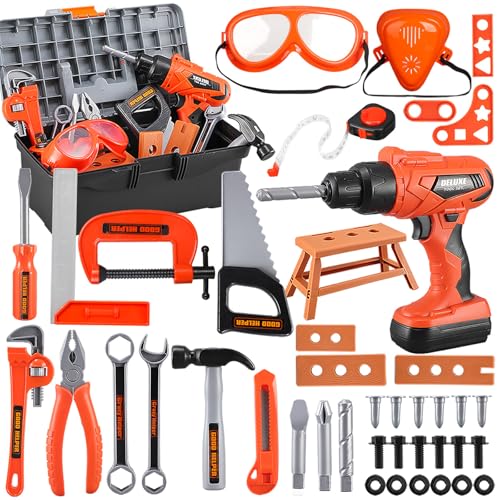
Many hand tools that are essential for daily tasks can be deducted. Think about the screwdrivers, wrenches, and hammers that you use regularly. These tools are typically deductible if they are necessary for your job or business. Consider your toolbox. Items like pliers, chisels, and saws often fall under the deductible category. They are vital for many professions and can be justified as a business expense. Keep receipts and records to substantiate your claims when tax season arrives. Think about how many times you’ve replaced a worn-out tool. Each purchase can add up over the year. These expenses are not just costs; they’re investments in your craft and are often deductible.
Specialized Equipment Considerations
Specialized tools might require more scrutiny when considering deductions. Equipment tailored to a specific trade or task, like a jeweler's loupe or an auto mechanic's diagnostic tool, can be deducted if they’re directly related to your work. Assess the uniqueness of your tools. Are they not commonly found in a general toolbox? If so, they might qualify as a specialized deduction. Document their necessity and use in your job to strengthen your case for deduction. Reflect on how these tools enhance your efficiency. Specialized tools, while sometimes costly, can improve the quality and speed of your work. This relationship to your profession often makes them eligible for deductions. Are you missing out on potential savings by not considering these deductions? Taking the time to identify and document your tool expenses could lead to substantial tax savings.
Methods To Maximize Tax Savings
Methods to maximize tax savings can be a game-changer for anyone who relies on hand tools for their trade. Whether you're a seasoned craftsman or a budding DIY enthusiast, understanding how to deduct these expenses can lead to significant savings. But how do you ensure you're getting the most out of your tax deductions? Let's dive into some practical strategies that can help you retain more of your hard-earned money.
Expense Tracking Techniques
Keeping track of your hand tool expenses is crucial. Simple methods like maintaining a dedicated notebook or using a spreadsheet can make a big difference.
Every time you purchase a tool, jot down the details—date, cost, and purpose. This not only helps during tax season but also gives you a clear view of your spending habits.
Consider using receipt-tracking apps on your smartphone. These apps can store digital copies of your receipts, ensuring you never lose a vital piece of information.
Have you ever lost a receipt and regretted it? This method will ensure that doesn't happen again. The key is consistency in tracking.
Utilizing Tax Software
Tax software can simplify the process of claiming deductions for your hand tools. Many programs are designed to help you identify eligible expenses quickly.
These tools often feature user-friendly interfaces that guide you through the deduction process. They're perfect for those who may not be well-versed in tax laws.
Some software even allows you to link directly to your bank account, automatically categorizing tool-related purchases for easy reference.
Isn't it exciting to see technology simplifying tax complexities? Leveraging such software can save time and minimize errors.
Reflect on this—how much have you overpaid in taxes due to overlooked expenses? With the right software, you can ensure that your money stays where it belongs— in your pocket.
Consulting With Tax Professionals
Understanding tax deductions can be tricky. Hand tools, a common expense, may qualify. But how can you be sure? Consulting a tax professional can help. They provide clarity and guidance. Getting expert advice ensures accuracy.
Benefits Of Professional Advice
Professional advice offers numerous benefits. Experts understand tax laws. They stay updated with changes. A professional can spot eligible deductions. This maximizes your savings. They also reduce the risk of errors. An error can lead to audits or penalties. Professionals give peace of mind.
Finding The Right Tax Consultant
Choosing a consultant requires research. Look for experience and qualifications. Check reviews and ask for recommendations. Verify their credentials. Ensure they specialize in your area. Consider their fees and services. Choose someone who fits your budget. A good consultant listens and understands your needs.
Common Mistakes To Avoid
Mistakes often occur when claiming hand tools as tax deductions. Not knowing if they're used for business can lead to errors. Always keep detailed receipts and records to avoid issues with tax authorities.
Navigating tax deductions for hand tools can be a tricky terrain. Whether you're a seasoned professional or a budding entrepreneur, understanding what qualifies for deductions is crucial. However, many often stumble upon common mistakes that could cost them valuable deductions. Ensuring you're on the right track can save you money and stress. Let's dive into some pitfalls you should be aware of when claiming hand tools on your tax returns.
Misclassification Of Expenses
Misclassifying expenses is a frequent error. It's easy to lump hand tools with general office supplies or other non-deductible items. Imagine buying a set of wrenches for your carpentry business and mistakenly categorizing them as personal expenses. That simple error can lead to missed deductions and potential audits. Always ensure your expenses are correctly classified in your accounting system. Double-check your receipts and categorize every purchase accurately. Have you ever wondered if your multitool is considered a personal expense or a business one? Keep your records organized to prevent such confusion.
Overlooking Small Purchases
Small purchases often go unnoticed. It's tempting to ignore smaller transactions like buying a screwdriver or a measuring tape. Yet, these small expenses can add up significantly over time. Are you keeping track of those minor tool purchases? Ensure every small purchase is recorded. Every penny counts, and overlooking these can mean losing out on potential deductions. Even the smallest expense can make a big difference in your tax savings. Consider a scenario where you consistently buy small items for your trade and forget to include them in your records. You could be missing out on a substantial deduction opportunity. Regularly review your expenses and receipts. Make it a habit to log every purchase, big or small, to maximize your deductions. These common mistakes can be easily avoided with a bit of vigilance and organization. Are you ready to make the most of your tax deductions for hand tools?
Future Trends In Tax Deductible Tools
As we look into the future of tax deductible tools, many wonder if hand tools will continue to be eligible for deductions. Changes in tax laws and technological advancements are reshaping the landscape, creating new opportunities and challenges for both professionals and hobbyists. Understanding these trends can help you make informed decisions about your tool investments and tax strategies.
Impact Of New Tax Laws
New tax laws are constantly emerging, affecting what can and cannot be deducted. It’s essential to stay updated on these changes. For example, recent legislation may redefine what qualifies as a business expense, potentially altering the deductibility of hand tools.
Imagine being able to save more on taxes simply by knowing these new rules. It’s not just about being compliant but optimizing your financial health. Wouldn't you prefer to keep more of your hard-earned money?
Technological Advancements
Technology is rapidly evolving, influencing the tools we use every day. As smart tools and digital applications become more prevalent, tax laws might adapt to include these in deductible categories.
Think about how smart tools can track usage, reduce errors, and increase efficiency. Could these advancements lead to new deductions? Your choice in tools could soon affect your tax bill more than you think.
Staying ahead of these technological trends might not only improve your work efficiency but also your tax strategy. So, how can you leverage technology to benefit both your toolbox and your wallet?
Ultimately, the future of tax deductible tools is a dynamic field, blending legal changes with technological innovation. By keeping an eye on these trends, you might find new ways to maximize your deductions and improve your toolset simultaneously.
Frequently Asked Questions
Are Hand Tools Tax Deductible For Businesses?
Yes, hand tools are tax deductible if used for business purposes. You can claim them as a business expense. Ensure you keep all receipts and documentation for accurate reporting during tax filing.
Can I Deduct Hand Tools For Personal Use?
No, you cannot deduct hand tools if used for personal purposes. Tax deductions apply only to tools used for income-generating activities. Personal use tools do not qualify under tax deduction guidelines.
How To Claim Hand Tools On Taxes?
To claim hand tools, categorize them as business expenses on your tax return. Include all relevant receipts and documentation. Consult a tax professional if unsure about your specific circumstances and eligibility.
Are Second-hand Tools Tax Deductible?
Yes, second-hand tools are tax deductible if used for business. The condition of the tools does not affect their deductibility. Ensure all purchase documentation is maintained for tax records.
Conclusion
Understanding tax deductions for hand tools can be confusing. Keep records of your purchases. They might be deductible if they are for business. Check with a tax professional for guidance. Not all tools qualify for deductions. Rules vary by location and situation.
Being informed helps you make smart financial choices. Ensure you follow the latest tax regulations. This can save you money and stress. Always seek advice if uncertain. Stay organized with receipts and documentation. This makes tax time easier. Avoid errors by keeping updated on tax policies.