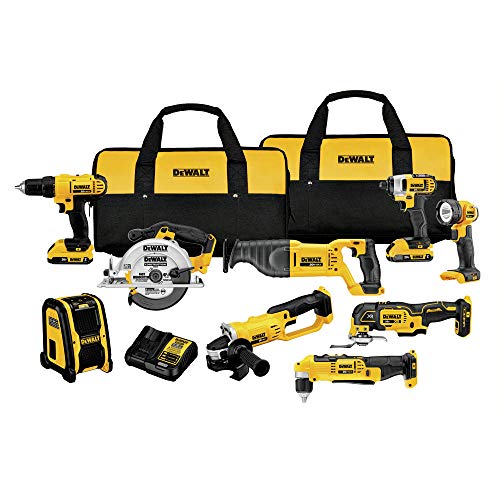

Are you a construction professional wondering about the financial implications of leaving your tools on-site? The question of whether tools left on a construction site are tax exempt might be more significant than you think.
With construction costs soaring, every penny counts, and understanding tax exemptions could save your business thousands of dollars annually. Imagine the peace of mind knowing you're optimizing every aspect of your expenses. We'll unravel the complexities surrounding this topic, so you can focus on what you do best—building.
Stay with us to discover if your tools can help you save on taxes.
Construction Tools And Tax Implications
Construction sites often have various tools left overnight. Understanding tax implications for these tools is crucial. The tax treatment of these tools can affect a construction business's finances significantly. Knowing which tools are tax-exempt can save money.
Understanding Tax Exemption For Construction Tools
Not all tools are tax-exempt. Tax laws vary by location and tool type. Some states offer exemptions for specific tools. Check local tax laws for accurate information. A tax professional can provide guidance. It's wise to consult one for clarity.
Types Of Tools Typically Exempt
Heavy machinery might qualify for tax exemptions. Power tools used directly in construction may also be exempt. Tools used in manufacturing or production processes often qualify. Personal use tools are generally not exempt. Keep records to support any claims.
Importance Of Record Keeping
Accurate records support tax exemption claims. Keep purchase receipts and maintenance logs. Document tool usage on-site. This helps validate exemption eligibility. Proper documentation aids in audits. Organized records simplify the tax filing process.
Consulting With Tax Experts
Tax experts can offer valuable advice. They understand complex tax regulations. Their insight can prevent costly mistakes. Seek their help for compliance. They ensure you maximize tax benefits. A small investment in advice can lead to savings.
Understanding Tax Exemptions
Exploring tax exemptions can be tricky. Tools left on a construction site might qualify for tax exemption depending on local laws and usage. Understanding specific regulations helps determine eligibility and potential savings.
Understanding tax exemptions can feel like navigating a maze, especially when it involves something as specific as tools left on a construction site. Many people working in construction might wonder about the tax implications of their tools and equipment. Do these items qualify for tax exemptions? Let’s dig into this topic and break down the details.
What Are Tax Exemptions?
Tax exemptions refer to certain conditions under which individuals or businesses do not have to pay taxes on specific items or income. Understanding these exemptions can save you a lot of money. In construction, the rules can be different depending on where you're located and the specific nature of your work.
Why Tools Might Qualify For Exemptions
Tools and equipment left on a construction site could qualify for tax exemptions, but it depends on several factors. These include the ownership of the tools, their purpose, and the local tax laws. If tools are considered a necessary business expense, they might be eligible for certain exemptions.
Considerations For Tax Exemption Eligibility
Think about who owns the tools. Are they personal or company property? This distinction can impact their tax status. Additionally, the primary use of the tools plays a significant role. Tools used directly in the construction process are more likely to be considered for exemptions.
Local Laws And Regulations
Local tax laws vary widely, so it’s crucial to check the regulations in your area. Some regions might offer more lenient exemptions for construction tools, while others may not. Always consult with a tax professional who understands the local laws.
Practical Steps To Determine Eligibility
To determine if your tools can be tax-exempt, start by cataloging all tools used on the site. Keep records of their purchase and usage. Consulting with a tax advisor can provide clarity and help you maximize potential exemptions.
Key Takeaways
Understanding tax exemptions for construction tools can be complex but rewarding. By evaluating ownership, usage, and local laws, you can make informed decisions. Are there tools on your site that could be saving you money? Take the time to find out.
Criteria For Tax Exemption
Understanding tax exemption criteria for construction tools is vital. It helps in reducing costs. Certain conditions must be met for a tool to qualify. These conditions focus on ownership, usage, location, and storage. A tool left on site might not always be exempt. Let's explore these criteria in detail.
Ownership And Usage
Who owns the tool? Ownership plays a key role in tax exemption. Tools owned by construction companies often qualify. Personal tools used for work might not. Usage is equally important. Tools must be used for construction tasks. Non-work-related use might disqualify them. Clear records of usage can support exemption claims.
Location And Storage Conditions
Where the tools are stored impacts tax exemption. Tools kept on a construction site often qualify. They should be essential for ongoing projects. Proper storage conditions are crucial. Tools left in unsecured locations might not qualify. Secure storage shows intent for work use. This can aid in claiming exemptions.
State-specific Tax Laws
Tools left on a construction site might be tax exempt depending on state-specific tax laws. Each state has different rules. It's important for contractors to check local regulations. Understanding these laws helps in proper tax planning and compliance.
Understanding state-specific tax laws can be a bit like navigating a labyrinth. Each state in the U.S. has its own set of rules when it comes to taxes, and this includes the tax status of tools left on construction sites. If you’re in the construction business, knowing these laws can save you money and prevent unexpected penalties. Let’s dive into how these laws vary and what special provisions might apply to your construction site.
Variations Across States
Tax laws differ dramatically from one state to another. In some states, tools left on a construction site might be considered part of the construction project and therefore subject to use tax. For example, in California, certain tools and equipment can be taxed if they're deemed to be used in the construction process rather than simply stored. Other states may have more lenient approaches. In Texas, for instance, there may be exemptions on certain tools if they are integral to the completion of the construction project. The key takeaway here is to always check the specific requirements of your state. Have you checked your local tax laws lately?
Special Provisions For Construction Sites
Many states offer special provisions specifically for construction sites. These could include tax exemptions or reductions for tools that are used exclusively for a project and not elsewhere. Some states might even provide tax relief on tools if they are left on the site for a certain period. It's crucial to maintain detailed records of where your tools are being used. By doing so, you can more easily claim these exemptions. Imagine saving a significant amount of money simply by documenting your tool usage accurately. Every construction site is unique, and so are the tax laws that apply. Be proactive—consult a tax professional to see if your site qualifies for any special provisions. Have you ever missed out on a tax exemption because you weren't aware of these provisions? Understanding and applying state-specific tax laws can be a game-changer for your business. Don't let ignorance cost you money.
Documentation And Compliance
Ensuring compliance with tax regulations on construction sites involves more than just understanding the basics. It requires meticulous documentation and adherence to specific guidelines. Tools left on-site can be subject to tax exemptions, but you need to follow proper documentation procedures to benefit from these exemptions. Let's dive into the essential aspects of documentation and compliance to help you stay on the right track.
Record-keeping Requirements
Keeping accurate records is crucial. You should maintain detailed logs of all tools left on the construction site. This includes noting each tool's purchase date, cost, and purpose. Regularly updating these records can save you from future headaches.
Consider using digital tools to keep everything organized. There are several apps available that make record-keeping easy and efficient. By doing so, you not only comply with tax regulations but also streamline your operations.
Have you ever found yourself scrambling to provide documentation during an audit? Avoid this stress by staying ahead with comprehensive records. Accurate record-keeping is your first line of defense against potential issues.
Audit Preparedness
Audits can be daunting, but preparation makes all the difference. Being prepared means having your documentation readily available and well-organized. If you're ever audited, your thorough records will serve as evidence of compliance.
Think of audit preparedness like having an insurance policy. You hope you never need it, but when you do, you're glad it's there. Have a system in place to quickly access any required documents.
What steps can you take today to ensure you're audit-ready? Regularly review your documentation processes. Make adjustments as needed to ensure everything is accurate and up-to-date.
Being proactive in your documentation and compliance efforts not only ensures you're on the right side of tax laws but also gives you peace of mind. Embrace these practices and turn potential chaos into seamless compliance.
Common Misconceptions
Many believe tools left on construction sites are tax exempt. This misunderstanding can lead to unexpected costs. Tax laws usually require careful documentation to qualify for exemptions.
When it comes to tools left on a construction site, many people are unsure about their tax status. Some believe these tools are automatically exempt from taxes, which is not always true. Misunderstandings can lead to costly mistakes, especially for small business owners or independent contractors. Let's break down some common misconceptions to help you navigate this often confusing topic.
Myths About Tool Exemptions
One common myth is that any tool left on a construction site is tax-exempt. This isn't entirely accurate. The tax status of tools depends on several factors, such as ownership and intended use. Simply leaving a tool on a site doesn't change its tax implications. Another misconception is that all tools used for construction purposes are tax-deductible. While it's true that certain tools qualify for deductions, not all do. The tool must be necessary for the job and not something that provides dual use, such as personal projects. Some believe that only new tools qualify for tax exemptions or deductions. This is misleading. Used tools can also be eligible, as long as they meet the necessary criteria. The key is maintaining proper records and documentation.
Frequently Asked Questions
Are tools considered a business expense? Yes, tools can be considered a business expense if they are directly related to your construction business. Keep receipts and maintain logs to support your claims. Can I deduct the full cost of a tool in the year of purchase? It depends. Some tools qualify for immediate deductions, while others must be depreciated over several years. Always check the latest tax guidelines or consult with a tax professional. Is there a limit to how much I can deduct for tools? There may be limits based on the overall expense and income levels. Review the rules for Section 179 deductions to understand the current limits and how they apply to your situation. How do I prove a tool is used for business? Document its use by keeping a log of the jobs where the tool was essential. Photographic evidence and job records can also support your claim. Navigating tax rules can be tricky, but understanding these misconceptions can save you time and money. Have you ever faced unexpected tax issues with your tools? Share your experiences in the comments below.
Seeking Professional Advice
Navigating the complexities of tax exemptions for tools left on construction sites can be daunting. Each situation is unique, involving various regulations and interpretations. Seeking professional advice ensures compliance and maximizes potential tax benefits. Experts provide clarity, guiding you through intricate tax landscapes. This can prevent costly mistakes.
Consulting Tax Experts
Tax experts possess deep knowledge of current tax laws. They interpret complex regulations and offer tailored advice. Engaging with them helps identify applicable exemptions. This minimizes financial liabilities, ensuring accurate tax filings. Tax professionals can also provide strategies to optimize tax positions.
Legal Considerations
Legal implications often accompany tax matters. Understanding these is crucial to avoid legal issues. Professional advisors ensure compliance with all legal requirements. They help in documenting and reporting assets accurately. This safeguards against potential audits or penalties. Proper legal advice protects your business interests effectively.
Frequently Asked Questions
Are Tools Left On-site Tax Deductible?
Tools left on a construction site are generally not tax deductible. However, they may be eligible for depreciation. It's essential to maintain proper records and consult with a tax professional. This ensures compliance with tax regulations and maximizes potential deductions related to business expenses.
Do Construction Tools Qualify For Tax Exemption?
Construction tools do not typically qualify for tax exemption. Tax exemption often applies to specific industries and situations. It's crucial to understand local tax laws and consult a tax advisor. They can provide guidance on any applicable exemptions or deductions for your specific circumstances.
How To Claim Tax Benefits For Construction Tools?
To claim tax benefits for construction tools, maintain detailed records of expenses. Document purchase receipts, usage, and depreciation calculations. Consult with a tax professional to ensure compliance with tax regulations. They can help identify potential deductions and maximize tax benefits related to tool expenses.
Are Lost Tools On-site Tax Deductible?
Lost tools on a construction site are not directly tax deductible. However, businesses can often claim them as a loss. Proper documentation and reporting are essential. Consult with a tax professional to explore potential deductions and ensure compliance with tax regulations.
Conclusion
Understanding tax rules for construction tools is vital. It helps avoid penalties. Research local laws carefully. Consult with a tax advisor. They offer expert guidance. This ensures compliance and maximizes savings. Each region has different rules. Accurate knowledge is key.
Keep updated with tax changes. It prevents surprises later. Secure your finances confidently. Tools can be tax exempt sometimes. But not always. Stay informed and proactive. Make smart decisions for your business. Preparation and awareness are crucial. They lead to successful financial management.
Stay diligent, and your efforts will pay off.