
Agile development thrives on efficiency and adaptability. Choosing the right tools can greatly enhance your team's productivity.
Agile methodologies emphasize flexibility and collaboration in software development. Selecting suitable tools is crucial for smooth project management. From foundational books like "Lean Software Development: An Agile Toolkit" to guides on specific practices like "Agile Project Management with Scrum," there's a wealth of resources available.
"Succeeding with Agile" and "Learning Agile" offer insights into different frameworks such as Scrum, XP, Lean, and Kanban. For practical applications, "User Stories Applied" and "The Art of Agile Development" are invaluable. Those in leadership roles can benefit from "The Leadership Development Tool Kit" and "Strategic Doing. " Each tool offers unique advantages, helping teams work more effectively and adapt to changes swiftly.
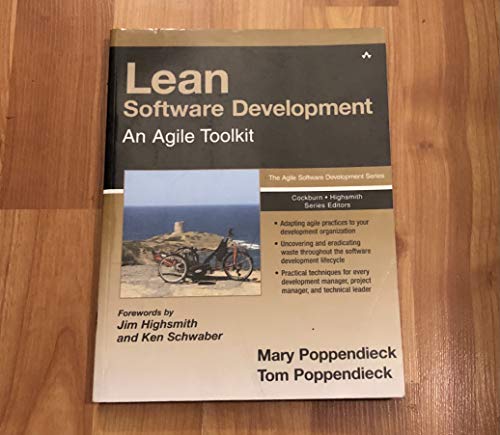
Lean Software Development

Lean Software Development: An Agile Toolkit is ideal for software developers, project managers, and agile practitioners seeking to enhance productivity and reduce waste in their development processes. This book is perfect for those who want to adopt a streamlined, efficient approach to software engineering, focusing on delivering value quickly while maintaining high quality. If you are involved in software projects and looking to implement agile methodologies effectively, this resource is tailored for you.
Pros:
- Comprehensive guide to Lean principles applied in software development
- Offers practical tools and techniques for agile teams
- Published by a reputable brand, ADDISON-WESLEY
- Concise with 240 pages, making it accessible without overwhelming detail
- Includes real-world examples enhancing understanding and application
Cons:
- Publication date is 2003, so some content may be less relevant to current agile trends
- May be too theoretical for readers seeking purely hands-on coding advice
- Focuses mainly on Lean concepts, so not a complete agile methodology coverage
This book presents a focused exploration of Lean Software Development, emphasizing the elimination of waste, fast delivery, and empowering teams. Its compact size and clear language make it accessible for both beginners and experienced practitioners. By integrating Lean tools into agile workflows, users can expect improved efficiency and better project outcomes, aligning development efforts closely with customer needs.
The dimensions of the book (Height: 9.0 Inches, Width: 0.6 Inches, Length: 6.9 inches) and its weight (approximately 0.85 pounds) make it a convenient reference to carry or keep on a desk. With its detailed yet approachable content, it supports readers in adopting a mindset that values continuous improvement and adaptability, which are crucial benefits in today’s fast-paced software development environment.
Agile Project Management With Scrum

Agile Project Management with Scrum (Developer Best Practices) is ideal for software developers, project managers, and team leaders looking to implement or improve their Agile methodologies. This book is perfect for those who want to gain a solid understanding of Scrum principles and apply best practices to enhance team collaboration and project efficiency.
Pros:
- Comprehensive introduction to Scrum framework and its practical application.
- Published by Microsoft Press, ensuring authoritative and reliable content.
- Compact size with 192 pages for easy reading and quick reference.
- Focuses on developer best practices which are essential for technical teams.
- Clear explanations suitable for both beginners and intermediate users of Agile project management.
Cons:
- Publication date is from 2004, which may not cover the latest updates in Agile and Scrum practices.
- Limited to the first edition, so newer editions with expanded content are unavailable.
- Relatively concise, may lack in-depth case studies or advanced techniques for experienced practitioners.
The book offers a thorough overview of the Scrum methodology, explaining key roles, events, and artifacts that constitute the framework. Readers will benefit from the practical guidance on how to manage software projects efficiently using Agile principles. Its focus on developer best practices helps technical professionals understand their role within Scrum teams and how to contribute effectively to project success.
Additionally, the compact format and clear language make it accessible for those new to Agile, while still providing valuable insights for improving team dynamics and project delivery. Despite its publication date, the core concepts remain relevant for anyone seeking to master the fundamentals of Agile project management with Scrum. This book serves as a solid foundation for building Agile expertise in a professional environment.
Agile Practice Guide

The Agile Practice Guide is ideal for project managers, team leaders, and professionals seeking to enhance their understanding and implementation of Agile methodologies. Whether you are new to Agile or looking to refine your skills, this guide offers practical insights to help you navigate and apply Agile principles effectively in your projects.
Pros:
- Comprehensive coverage of Agile frameworks and practices
- Published by the reputable Project Management Institute
- Compact and portable size with 210 pages of valuable content
- Includes practical tools and techniques for Agile adoption
- Suitable for both beginners and experienced Agile practitioners
Cons:
- Some concepts may require prior project management knowledge
- Publication date is from 2017, so latest Agile trends may not be included
- Focuses primarily on Agile practices without deep coverage of other methodologies
The Agile Practice Guide provides a detailed exploration of Agile concepts, helping users understand different Agile frameworks such as Scrum, Kanban, and Lean. Its structured approach allows readers to grasp the fundamentals and apply them to real-world project environments. The guide’s practical examples and tools enable teams to improve collaboration, increase flexibility, and deliver value more efficiently.
With dimensions of 11.0 inches in height and 8.5 inches in length, this lightweight guide is easy to carry and reference during daily work. The content is designed to support continuous learning and Agile adoption, making it a valuable resource for organizations aiming to improve project outcomes through Agile transformation. By following the guidance in this book, users can expect enhanced team productivity and improved project success rates.
Succeeding With Agile

Succeeding with Agile: Software Development Using Scrum is ideal for software developers, project managers, and IT professionals who want to effectively implement Agile methodologies in their organizations. If you're seeking to improve team collaboration, enhance project flexibility, and deliver high-quality software faster, this book is tailored for you. It is especially beneficial for those new to Scrum or looking to deepen their understanding of Agile practices.
Pros:
- Comprehensive coverage of Scrum principles and real-world applications
- Detailed guidance on transitioning teams to Agile frameworks
- Authored by experienced professionals from Addison-Wesley Professional
- Practical examples and case studies to illustrate key concepts
- Supports improved team productivity and project management efficiency
Cons:
- Published in 2009, some Agile trends and tools may not be covered
- Lengthy with 512 pages, which might be overwhelming for beginners
- Focuses primarily on Scrum, less emphasis on other Agile frameworks
This book offers an in-depth exploration of the Scrum framework, highlighting its core components such as roles, events, and artifacts. Readers will gain insights into how to foster effective communication and collaboration within Agile teams. The detailed instructions help organizations overcome common challenges during Agile adoption, making it easier to align development efforts with business goals.
Additionally, the book's practical approach enables users to understand the benefits of iterative development, including faster feedback cycles and adaptability to change. By following the strategies outlined, teams can enhance their ability to deliver high-quality software on time while maintaining flexibility. This makes the book a valuable resource for anyone looking to succeed in Agile-driven environments.
Learning Agile

Ideal for professionals and teams eager to enhance their project management skills, Learning Agile: Understanding Scrum, XP, Lean, and Kanban is perfect for those looking to master the core methodologies of Agile frameworks. Whether you're a project manager, developer, or business analyst, this audiobook by Audible and published by Upfront Books offers valuable insights to help you implement Agile practices effectively.
Pros:
- Comprehensive coverage of key Agile methods including Scrum, XP, Lean, and Kanban
- Clear explanations suited for both beginners and intermediate learners
- Convenient audiobook format allows learning on the go
- Published recently in 2021, ensuring up-to-date content
Cons:
- May lack deep technical details for advanced Agile practitioners
- Audio format may not suit those who prefer visual learning aids
This audiobook delves into the essential principles behind the most popular Agile methodologies, enabling listeners to understand the strengths and applications of each framework. By exploring Scrum’s iterative approach, XP’s focus on quality, Lean’s waste reduction, and Kanban’s visual workflow, users gain a holistic view of how to adapt Agile practices to their unique projects.
The practical benefits include improved team collaboration, faster delivery cycles, and enhanced flexibility in managing changing requirements. With its well-structured content and expert narration, Learning Agile equips professionals with the tools to foster an Agile mindset and drive successful project outcomes.
User Stories Applied

User Stories Applied: For Agile Software Development is ideal for software developers, project managers, and Agile practitioners who want to deepen their understanding of how to effectively implement user stories in Agile projects. If you are seeking practical guidance on capturing requirements and enhancing communication within Agile teams, this book is an excellent resource.
Pros:
- Comprehensive coverage of user story concepts tailored for Agile environments.
- Clear examples and case studies that illustrate real-world application.
- Concise and practical guidance suitable for both beginners and experienced professionals.
- Compact size (304 pages) making it easy to read and reference.
- Published by a reputable brand, Addison Wesley, ensuring quality content.
Cons:
- Publication date (2004) means some Agile practices may be outdated compared to more recent methodologies.
- Limited depth on advanced Agile frameworks beyond user stories.
- Physical dimensions may not be ideal for carrying around for some readers (9.2 x 6.9 x 0.8 inches).
This book presents a focused exploration of the role of user stories within Agile software development, emphasizing how to write, manage, and implement them effectively. Readers benefit from clear explanations about the importance of user stories in capturing requirements that are both user-centric and actionable, which helps teams deliver value more consistently.
Additionally, the book’s practical approach supports Agile teams in improving collaboration and communication. By breaking down the process of creating user stories and integrating them into development cycles, it empowers professionals to enhance project transparency and adaptability. Despite being published in 2004, its foundational principles remain relevant, making it a valuable asset for those committed to Agile best practices.
The Art Of Agile Development

The Art of Agile Development: Pragmatic Guide to Agile Software Development is ideal for software developers, project managers, and teams looking to adopt or improve their Agile software development practices. This book suits both beginners eager to learn Agile fundamentals and experienced practitioners seeking practical insights to enhance their workflows and collaboration.
Pros:
- Comprehensive coverage of Agile principles and practices
- Practical advice from industry experts at O'Reilly Media
- Detailed explanations spanning 438 pages to ensure thorough understanding
- Readable paperback format with convenient dimensions (9.19 x 7.0 inches)
- Encourages team collaboration and flexibility in software projects
Cons:
- Publication date is from 2007, so some content may not reflect the latest Agile trends
- Lengthy content might be overwhelming for casual readers
- Primarily focuses on software development, limiting relevance to other industries
This book delves into the core concepts of Agile development, emphasizing iterative progress, continuous feedback, and adaptive planning. It guides readers through practical techniques such as test-driven development, pair programming, and continuous integration, helping teams deliver higher-quality software more efficiently. The clear structure and real-world examples make complex ideas accessible, enabling readers to apply Agile methods in their projects immediately.
By adopting the strategies outlined in this guide, users can foster improved communication within teams, reduce project risks, and enhance product quality. The book's pragmatic approach helps transform theoretical Agile concepts into actionable steps, making it a valuable resource for anyone committed to mastering Agile software development and achieving better project outcomes.
The Agile Samurai: How Agile Masters Deliver Great Software

Ideal for software developers, project managers, and Agile practitioners seeking to deepen their understanding of Agile methodologies, The Agile Samurai: How Agile Masters Deliver Great Software is a comprehensive guide for those who want to master the art of delivering high-quality software efficiently. If you aim to improve your team’s productivity and embrace Agile principles in real-world projects, this book is tailored for you.
Pros:
- Clear and practical explanation of Agile concepts and techniques
- Written by experienced Pragmatic Programmers with real-world insights
- Concise yet thorough coverage with 268 pages of actionable content
- Includes useful tips for both beginners and seasoned Agile practitioners
- Well-structured layout with easy-to-follow chapters and examples
Cons:
- Some readers may find the first edition slightly dated compared to newer Agile literature
- Focuses primarily on software projects, which might limit applicability to non-software domains
- Does not cover the latest Agile tools or software integration techniques
The Agile Samurai stands out for its practical approach to Agile project management. The book’s dimensions (11.0 inches by 8.5 inches) and weight (approximately 1.25 pounds) make it a handy reference for on-the-go learning. Its publication by the reputable Pragmatic Bookshelf ensures quality content backed by industry expertise. Readers benefit from clear guidance on implementing Agile principles, from initial planning to delivery, helping teams to become more adaptive and collaborative.
With a focus on actionable strategies, this book breaks down complex Agile frameworks into manageable practices. It emphasizes the importance of continuous feedback and iterative development, enabling teams to respond effectively to change. The detailed explanations empower users to improve software quality, reduce risks, and deliver value faster—key benefits for anyone involved in software development projects.
The Leadership Development Tool Kit

The Leadership Development Tool Kit is ideal for managers, HR professionals, and organizational leaders seeking to enhance their leadership strategies and drive meaningful change within their teams and organizations. This comprehensive resource is perfect for those who want to redesign their leadership development templates to foster both individual growth and organizational transformation.
Pros:
- Offers a practical, step-by-step approach to redesigning leadership development programs
- Includes actionable tools and templates for immediate implementation
- Focuses on driving both individual and organizational change effectively
- Comprehensive content spread across 149 pages, ensuring depth and detail
- Published recently in 2021, reflecting current leadership development trends
Cons:
- No specified manufacturer, which might concern some buyers looking for brand assurance
- May require prior knowledge of leadership concepts to fully utilize the toolkit
- Primarily designed for organizational use, less suited for casual readers or beginners
The Leadership Development Tool Kit provides a rich blend of theory and practical tools designed to help leaders at all levels rethink and enhance their development approaches. Its focus on redesigning leadership templates ensures that users can tailor strategies to meet the unique challenges of their organizations. This adaptability results in more effective leadership practices that support sustainable change.
By leveraging the toolkit’s detailed frameworks and resources, users benefit from a structured yet flexible pathway to nurture leadership skills. This not only improves individual performance but also aligns leadership goals with broader organizational objectives, fostering a culture of continuous improvement and innovation. The toolkit’s recent publication date ensures that readers are accessing up-to-date insights and methodologies relevant to today’s dynamic business environments.
Strategic Doing

Strategic Doing: Ten Skills for Agile Leadership is ideal for professionals, managers, and leaders who seek to enhance their ability to navigate complex environments through agile and collaborative approaches. This book is perfect for those aiming to develop practical leadership skills that foster innovation and adaptability in fast-changing workplaces.
Pros:
- Provides clear, actionable skills for agile leadership
- Written by reputable publisher Wiley, ensuring quality content
- Compact size with 224 pages, making it accessible and easy to read
- Focuses on collaboration and strategic thinking in leadership
- Includes real-world examples to illustrate concepts effectively
Cons:
- May be too concise for readers seeking in-depth theoretical frameworks
- Primarily targeted at business leaders, less relevant for non-leadership roles
- First edition may lack updates on the latest agile trends
Strategic Doing offers a practical framework by outlining ten essential skills that help leaders become more agile and effective in complex environments. The book emphasizes collaboration across organizational boundaries, encouraging leaders to build networks and partnerships that accelerate innovation and problem-solving. These skills empower readers to lead with flexibility, quickly adapt strategies, and drive meaningful results.
With dimensions of 9.5 inches in height and weighing just over 2.3 pounds, this Wiley publication is designed for easy handling and reference. Its focused content on agility and strategy equips readers with tools to improve team dynamics and decision-making processes, providing clear benefits such as enhanced responsiveness and improved organizational outcomes. Whether you're a seasoned leader or emerging manager, this book supports developing a mindset essential for modern leadership challenges.
Frequently Asked Questions
What Is Lean Software Development In Agile?
Lean Software Development focuses on eliminating waste and improving efficiency. It emphasizes delivering value quickly and continuously. This approach supports Agile by streamlining workflows and enhancing team collaboration for faster, high-quality software delivery.
How Does Scrum Improve Agile Project Management?
Scrum structures Agile project management with defined roles, events, and artifacts. It promotes iterative progress and regular feedback. This framework boosts team communication, adapts to change, and ensures timely delivery of valuable software increments.
What Key Practices Does The Agile Practice Guide Suggest?
The Agile Practice Guide highlights collaboration, iterative development, and continuous improvement. It provides practical techniques for managing Agile projects effectively. This guide helps teams adopt Agile principles tailored to their specific project needs.
Why Use User Stories In Agile Development?
User Stories capture user requirements in simple, clear language. They enhance communication between stakeholders and developers. This method ensures the software meets user needs and helps prioritize features for incremental delivery.
How Does Agile Leadership Drive Organizational Change?
Agile leadership fosters a culture of collaboration, flexibility, and innovation. It encourages empowerment, continuous learning, and adaptive strategies. This leadership style supports teams in navigating change and achieving sustainable Agile success.
What Skills Are Essential For Strategic Doing In Agile?
Strategic Doing involves skills like collaboration, rapid decision-making, and adaptive planning. It helps leaders facilitate Agile initiatives effectively. These skills enable teams to create and execute strategies quickly in dynamic environments.
Conclusion
Choosing the right tools can make agile development easier and more effective. Books like *Lean Software Development: An Agile Toolkit* and *Agile Project Management with Scrum* offer practical advice. Others, such as *User Stories Applied* and *The Art of Agile Development*, help improve daily work and teamwork.
Leadership-focused guides like *The Leadership Development Tool Kit* and *Strategic Doing* support managers in leading agile teams well. Each resource brings different ideas and skills to improve agile methods. Using these tools helps teams stay flexible, communicate better, and deliver quality software faster.
Agile is about constant learning and adapting. These books and guides give clear steps to build strong agile habits. Remember, no single tool fits all teams. Try a mix to find what works best for your group. Keep learning, keep improving.
Agile development is a journey, and the right tools help you move forward confidently.