Imagine you're on a remote job site, miles away from the nearest power outlet, and your power tools suddenly die. Frustrating, right?
But what if you could use your car battery to give them life again? This intriguing possibility not only stirs curiosity but also sparks a blend of excitement and skepticism. You might be wondering if it's really possible to power your essential tools with something as everyday as a car battery.
Could this be the ultimate hack for DIY enthusiasts and professionals alike? We'll unravel this electrifying concept, exploring its feasibility, safety, and how it can transform your work process. Stick around to find out if your car's battery could be your next power tool hero.
Car Battery Basics
Understanding car battery basics is crucial for any tool enthusiast. Car batteries provide the energy needed to start engines and power various electrical components. They store electrical energy in chemical form and release it when required. Knowing their types and functions can help you determine if they can power tools.
Types Of Car Batteries
There are several types of car batteries. The most common are lead-acid batteries. These are affordable and durable. Another type is the absorbed glass mat (AGM) battery. AGM batteries are more expensive but offer better performance. Lithium-ion batteries are newer and lighter. They are efficient and have a longer lifespan. Choosing the right type depends on your needs and budget.
How Car Batteries Work
Car batteries convert chemical energy into electrical energy. They have positive and negative plates immersed in an electrolyte solution. This solution causes a chemical reaction. The reaction produces electrons, creating electrical energy. When you turn the ignition, the battery sends power to the starter motor. This starts the engine. The alternator then recharges the battery while driving. The cycle repeats every time you start the car.
Power Tools Requirements
Understanding the power tools requirements is crucial for effective use. These tools have specific needs to function properly. Let's explore these requirements in detail.
Voltage Needs
Power tools demand specific voltage levels to operate. Most tools run on 120 volts. Some heavy-duty tools require 240 volts for optimal performance. Ensuring the correct voltage is vital for efficiency.
Current And Wattage
Current and wattage are key factors in power tools operation. Current is measured in amperes, indicating power flow. Higher amperes mean more power for demanding tasks. Wattage reflects energy usage, directly affecting tool performance.
Connecting Power Tools To Car Battery
Connecting power tools to a car battery can be a useful hack. This method is handy during emergencies or remote work locations. It allows you to run power tools without a power outlet. Understanding the process and equipment needed ensures safety and efficiency.
Necessary Equipment
You'll need a few key items to connect power tools to a car battery. First, a power inverter is essential. It converts the battery's DC power to AC power. Choose an inverter that matches your tool's wattage. Next, secure heavy-duty cables. They connect the inverter to the battery terminals. Lastly, safety gloves protect your hands during setup.
Step-by-step Guide
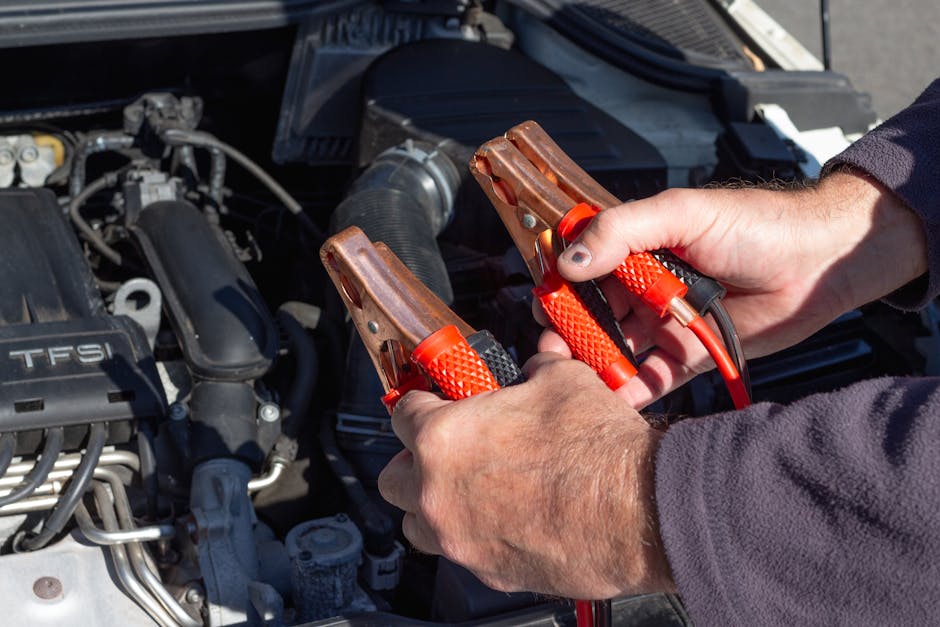
Start by parking your car in a safe location. Ensure the car is off before connecting any equipment. Attach the power inverter to the battery. Connect red cable to positive terminal, black to negative. Double-check connections for stability. Plug your power tool into the inverter's outlet. Turn on the inverter and then the tool. Monitor the battery level regularly to prevent drainage.
Benefits Of Using A Car Battery
Car batteries can power tools, offering a portable power source. Ideal for remote work sites without electricity. Easy to connect, they help complete tasks efficiently.
When you think of a car battery, you might picture it simply starting your car. But did you know it can power your tools too? Using a car battery for power tools brings several benefits that can make your DIY projects easier and more efficient. Whether you're working on a remote site or just need extra juice, a car battery can be your ally.
Portability
Imagine working on a project in your backyard, far from any power outlet. With a car battery, you can carry your power source wherever you go. This portability allows you to work in remote areas, free from the constraints of cords and outlets. Car batteries are compact and easy to transport. They fit conveniently in your vehicle, ready for use when needed. You no longer have to drag extension cords across your yard or worksite.
Cost Efficiency
Why spend extra on dedicated power sources when your car battery can do the job? Using a car battery can save you money, offering a budget-friendly alternative to expensive generators or power packs. It's a practical solution that utilizes what you already have. In many cases, a car battery can be recharged using your vehicle's alternator. This means lower energy costs compared to charging separate batteries or power packs. Plus, it extends the usability of your car battery, giving you more value for your investment. Have you ever found yourself in need of power but didn't want to break the bank? A car battery might be just what you need to keep your tools running without overspending.
Potential Risks And Safety Tips
Using a car battery to power tools carries risks like electrical shock and tool damage. Always wear protective gear and ensure proper connections. Consider using tools designed for battery use to enhance safety.
When considering using a car battery to power your tools, safety should be your top priority. While it might seem convenient, there are potential risks involved. Understanding these risks and following safety tips can help you avoid accidents and ensure smooth operation.
Overloading Risks
Using a car battery for power tools can result in overloading. Car batteries are designed to deliver short bursts of power to start an engine, not to continuously power tools. Overloading can lead to overheating, potentially damaging both the battery and the tool. Imagine trying to use a car battery to power a high-demand tool like a circular saw. The battery may not sustain the power needed, causing it to overheat and fail. This could leave you in a bind, especially if you're in the middle of a project. Do you know if your tools' power needs match what your car battery can offer? Always check the voltage and amperage requirements of your tools before connecting them to a car battery.
Handling Precautions
Handling a car battery requires care and attention. Car batteries contain sulfuric acid, which is highly corrosive. Mishandling can result in acid spills, which pose a risk to your skin and eyes. Always wear protective gear like gloves and goggles when handling batteries. This simple step can prevent serious injuries. Keep a neutralizing agent, like baking soda, nearby to manage any accidental acid spills. Moreover, ensure your workspace is well-ventilated. Car batteries can emit hydrogen gas, which is highly flammable. A spark from a tool could ignite this gas, leading to dangerous explosions. Have you considered the environment where you'll be using the battery? Avoid using it in confined spaces to reduce the risk of gas buildup. By staying informed and cautious, you can safely explore the idea of using a car battery for your power tools. But remember, safety always comes first.
Alternative Power Sources
A car battery can power tools with the right setup. It provides a portable energy source for various jobs. Connecting tools safely to the battery is essential to avoid damage.
When you're out on a job site or working on a DIY project, having the right power source for your tools is crucial. While a car battery might be a quick fix in a pinch, exploring alternative power sources can offer more reliable and efficient options. Let's dive into a couple of these alternatives and see how they can make your work easier and more productive.
Generators
Generators can be a game-changer for powering tools when you're off the grid. They provide a steady and robust power supply, making them ideal for heavy-duty tools. Picture this: you're working in a remote area, and your power drill needs more juice than a car battery can offer. A generator steps in to save the day, offering consistent power output. They're easy to transport, and with various sizes available, you can find one that fits your specific needs. But remember, generators run on fuel, so you'll need to keep an eye on fuel levels. Planning ahead ensures you won't run out of power halfway through a job.
Portable Power Stations
Portable power stations are another fantastic option for powering tools. Unlike generators, these stations are quieter and don't rely on fuel, making them environmentally friendly. They work by storing electricity that you can use later, much like a large battery. Imagine you're in the middle of nowhere, needing to power your saw for a few hours. A portable power station can provide the necessary power without the noise and fumes of a generator. Some models even come with solar charging options, adding to their versatility. Consider the power capacity and charging time when choosing a power station. It’s essential to ensure it matches the demands of your tools. Do you have any experiences with alternative power sources? How did they change your workflow? Let us know in the comments!
Real-life Applications
When you think about powering tools with a car battery, you might picture a scene from a DIY disaster movie. However, in reality, using a car battery for this purpose can be surprisingly practical. Let’s dive into some real-life situations where this unconventional power source shines.
Emergency Situations
Imagine you're stranded on a rural road with a flat tire. Your phone's battery is dead, and there's no help in sight. This is where a car battery can become your lifesaver. By connecting a portable air compressor to your car battery, you can inflate your spare tire and get back on the road.
Another common emergency is a power outage during a storm. If you have a power inverter, you can connect it to your car battery to charge essential devices like your phone or a flashlight. This ensures you stay connected and safe until the power returns.
Remote Worksites
Working at remote sites often means limited access to electricity. Construction workers or outdoor enthusiasts know this challenge all too well. A car battery can power small tools like drills or saws, allowing you to complete tasks without traditional power sources.
Consider a scenario where you're camping and want to build a makeshift shelter. By using a car battery to power a cordless drill, you can quickly assemble the structure, turning a daunting task into an achievable goal.
But before you try this, always ensure your car battery is in good condition. Have you ever thought about what other tools could be powered this way? The possibilities are endless when you're prepared.
Frequently Asked Questions
Can A Car Battery Run Power Tools?
Yes, a car battery can power some tools with an inverter. The inverter converts DC to AC, enabling tool operation. However, it's crucial to check the power requirements of the tool to ensure compatibility and prevent battery drainage.
What Type Of Inverter Is Needed?
A pure sine wave inverter is recommended for sensitive electronics. It provides clean power, suitable for most tools. Ensure the inverter's wattage matches or exceeds the tool's requirements to avoid performance issues.
How Long Can Tools Run On A Car Battery?
Run time depends on the battery capacity and tool wattage. High-demand tools drain batteries quickly. Typically, a car battery can support a moderate tool for a few hours. Always monitor battery levels to prevent damage.
Is It Safe To Use A Car Battery?
Using a car battery is generally safe with proper precautions. Always use a reliable inverter and check connections. Avoid overloading the battery to prevent overheating or damage to tools and battery.
Conclusion
Car batteries can power some power tools. It depends on the tool's needs. Many tools require specific voltage and current levels. Always check compatibility before connecting. Using a car battery might not be the best option. Charging issues and potential damage are concerns.
Consider a dedicated power source for efficiency. Always prioritize safety when experimenting. Knowing your equipment helps avoid mishaps. Explore all options before deciding. Research and proper guidance are crucial. With this knowledge, make informed choices. Whether for emergencies or convenience, be cautious.
Your tools and safety matter most.