Can an HOA Restrict Power Tools??
Imagine this: you're enjoying a peaceful Sunday morning, sipping your coffee, and planning a day of home improvement projects. You grab your trusty power drill, ready to tackle those long-awaited tasks, when suddenly a thought crosses your mind—can your Homeowners Association (HOA) actually restrict your use of power tools?
It's a question that might seem trivial at first, yet it holds the potential to impact your daily life and freedom within your own home. The answer isn't as straightforward as you might think, and understanding the dynamics between HOA rules and your rights as a homeowner is crucial.
You want to ensure that your DIY dreams aren't dashed by unexpected regulations. We'll delve into the nuances of HOA restrictions, empowering you with the knowledge you need to navigate these rules confidently. So, grab your coffee, settle in, and let's explore whether your HOA can really dictate your tool usage, and how you can best protect your home improvement plans.
Role Of Hoas
Homeowners Associations, or HOAs, play a significant role in maintaining the harmony and appearance of residential communities. They are often seen as a necessary part of community management, but their rules can sometimes feel restrictive. Have you ever wondered why certain tools or activities might be limited in your neighborhood? Understanding the role of HOAs can shed light on these rules.
Purpose And Function
HOAs are established to ensure that a community's standards are upheld, benefiting all residents. They manage shared spaces, enforce rules, and collect dues to fund community upkeep. This collective management can enhance property values and improve the quality of life. Imagine your neighborhood without any oversight—chaos could ensue.
But what happens when an HOA restricts something as innocuous as power tools? It's all about balance. HOAs aim to prevent disturbances while protecting the aesthetic appeal of the neighborhood. They want to keep the community peaceful. However, this can sometimes lead to friction if residents feel their personal freedoms are being compromised.
Common Rules And Regulations
HOAs implement rules that are designed to maintain order and consistency. These may include restrictions on noise levels, exterior modifications, and even landscaping choices. Power tools, often associated with noise, can fall under these regulations. Consider the impact of a neighbor using a loud leaf blower early in the morning. You'd likely appreciate a rule limiting such disturbances.
Beyond noise, HOAs might regulate the use of power tools to preserve safety and community appearance. This could mean restrictions on construction or maintenance activities during certain hours. While these rules can be frustrating, they are often based on community consensus. Are you aware of the specific rules your HOA has in place?
Ultimately, the role of an HOA is to balance individual desires with community welfare. It's a fine line that requires constant communication and compromise. As a resident, understanding and participating in your HOA can help you navigate these rules more effectively.
Do you feel your HOA's rules enhance or hinder your community experience? These questions can guide your engagement and advocacy within your neighborhood.
Understanding Power Tool Restrictions
Homeowners' Associations (HOAs) may regulate the use of power tools. These restrictions aim to maintain a peaceful community. Knowing these rules can help avoid fines or complaints. Not all HOAs have the same regulations. It's important to check your specific HOA guidelines.
Power tool restrictions can vary widely. Some may limit usage during certain hours. Others might restrict specific types of tools. Understanding these rules is key to harmonious living.
Types Of Tools Affected
Commonly restricted tools include loud equipment. Leaf blowers, chainsaws, and drills often top the list. Lawn mowers and power saws might also face limits. Each HOA decides which tools are affected.
Some HOAs might have noise level regulations. Tools exceeding a certain decibel level could be restricted. Always refer to your HOA's specific list. This ensures compliance and avoids penalties.
Reasons For Restrictions
Noise is a primary concern. Power tools can disturb the peace. They can disrupt neighbors' daily lives. Reducing noise maintains community harmony. It ensures a pleasant environment for all.
Safety is another reason. Power tools can pose risks. Limiting their use can prevent accidents. HOAs aim to protect residents from potential harm. Always prioritize safety while using any power tool.
Maintaining property aesthetics is also crucial. Some tools can cause damage. Protecting common areas is vital. HOAs enforce these rules to keep properties looking their best.
Legal Authority Of Hoas
Homeowners Associations (HOAs) often have the power to set rules. These rules can affect how residents use their properties. Understanding the legal authority of HOAs is crucial. It determines what they can and cannot enforce. Many homeowners wonder if HOAs can restrict power tools. Let’s explore the legal foundations behind this authority.
Governing Documents
HOAs operate based on governing documents. These documents include the Declaration of Covenants, Conditions, and Restrictions (CC&Rs). Bylaws and rules are also part of these documents. They outline what residents can do in their homes. Power tool restrictions may be detailed here. Homeowners should review these documents carefully. It helps to understand the rules they must follow.
State And Local Laws
State and local laws also play a role. They can limit or expand an HOA's authority. Some states have specific laws governing HOAs. These laws can affect what rules an HOA can enforce. Local ordinances may address noise levels or safety concerns. They can influence power tool restrictions. Homeowners should be aware of these laws. It ensures they know their rights and responsibilities.
Enforcement Of Restrictions
Homeowners Associations (HOAs) can set rules about power tools. These rules often focus on noise control. They aim to maintain peace and quiet in the neighborhood.
Enforcement of restrictions in an HOA can sometimes feel like walking a tightrope. It’s all about maintaining harmony and ensuring everyone abides by the community rules. When it comes to power tools, these restrictions ensure peace and quiet, especially in neighborhoods where close living quarters amplify every noise.
Violation Consequences
When someone breaks the rules, consequences follow. The HOA might issue a warning letter, which is a gentle nudge to remind them of the community guidelines. Repeated violations can lead to fines or even legal action. Imagine receiving a fine for using a leaf blower early on a Sunday morning. It’s an unpleasant surprise, but it's designed to deter further infractions. Have you ever wondered if the penalties are fair? It's crucial for the HOA to have clear guidelines on what constitutes a violation and the corresponding penalties.
Dispute Resolution
Disagreements can arise. Maybe you believe the HOA misinterpreted the rules, or you feel singled out. HOAs often have a dispute resolution process to handle these conflicts. You might start by attending a board meeting to voice your concerns. This gives you a chance to explain your side and seek a mutual understanding. Does your community offer mediation services? Some HOAs provide this as a way to resolve issues without escalating to legal battles. Engaging with the dispute resolution process can be empowering. It allows you to actively participate in shaping the living environment you’re part of.
Homeowner Rights
Understanding your rights as a homeowner within a Homeowners Association (HOA) can be pivotal, especially when it comes to restrictions on the use of power tools. As a homeowner, you have the right to maintain and improve your property, but these rights can sometimes conflict with HOA rules. Knowing where you stand can help you navigate these challenges effectively.
Challenging Restrictions
Have you ever felt that an HOA rule was too restrictive? You are not alone. Many homeowners face rules that seem unnecessary or overly strict.
Challenging these restrictions isn't just about defiance; it's about seeking a balance. Start by reviewing your HOA's governing documents. Look for any inconsistencies or outdated provisions that might support your case.
Consider gathering support from your neighbors. A collective voice can be more persuasive than a single complaint. Approach the HOA board with your concerns, presenting clear reasons why the rule is unreasonable.
Negotiating Exceptions
Sometimes, a one-size-fits-all rule doesn't work. You might need to negotiate exceptions. Think about your specific needs and how they differ from the norm.
Have a clear proposal ready when you approach your HOA board. Explain how your situation is unique and why an exception is justified. Be open to compromises that address both your needs and the community's concerns.
If you have a compelling reason, like a home-based business requiring power tools, make sure to present it effectively. Highlight how the exception won't disrupt the neighborhood's peace or aesthetics.
Are you prepared to advocate for your homeowner rights? With the right approach, you can navigate the maze of HOA restrictions and find a solution that works for you and your community.
Impact On Community
When considering the impact of HOA restrictions on power tools, it's essential to understand how these rules affect community life. Homeowners associations (HOAs) often implement regulations to maintain harmony and order. But how do these restrictions on power tools specifically impact the community?
Noise And Safety Concerns
One significant reason HOAs restrict power tools is due to noise. Imagine trying to relax or work from home while a neighbor operates a loud leaf blower. Such disturbances can disrupt the peace, especially in tightly-knit communities.
Beyond noise, safety concerns also play a role. Power tools can pose risks if used improperly. An HOA might limit their use to ensure everyone's safety, especially in areas where children play or families gather.
Community Cohesion
Restrictions can also foster a sense of community cohesion. When everyone abides by the same rules, it creates a level playing field. This can help neighbors feel more connected and respectful towards each other’s living spaces.
Think about your neighborhood’s block party. It wouldn’t be the same if someone decided to mow their lawn mid-event. Clear guidelines help maintain a sense of unity and mutual respect among residents.
But do these rules sometimes feel too restrictive? It’s a balancing act. While rules can help, they also need to be reasonable to ensure everyone feels heard and valued.
What are your thoughts on this? Do HOA rules help or hinder community life? Share your experiences in the comments below.
Alternatives And Solutions
Homeowners associations may limit the use of power tools to maintain community peace. Residents can explore quieter tool options or schedule use during permitted hours. Reading HOA rules carefully helps in finding acceptable solutions without violating guidelines.
When living in a community governed by a Homeowners Association (HOA), you might encounter restrictions on using power tools. This can be frustrating if you're an avid DIY enthusiast or need to complete essential home maintenance. However, there are practical alternatives and solutions to navigate these restrictions effectively. Let’s explore some ways you can continue your projects without running afoul of HOA rules.
Using Quieter Tools
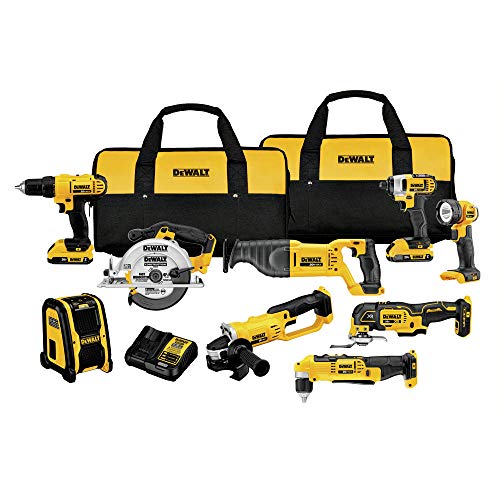
Switching to quieter tools can be a game-changer. Many manufacturers now offer low-noise versions of common power tools. For instance, electric lawnmowers and leaf blowers are significantly quieter than their gas-powered counterparts. Consider battery-operated drills and saws, which reduce both noise and emissions. Investing in these tools not only keeps the peace in your neighborhood but also often aligns with the HOA’s environmental guidelines. Next time you're at the hardware store, give quieter options a look. You might find a new favorite tool that keeps both you and your neighbors happy.
Scheduling Considerations
Timing is everything, especially when dealing with noise restrictions. Check your HOA's guidelines on permissible hours for using power tools. Most associations allow for some flexibility during the day. Plan your projects around these hours. If mornings are allowed, use this time to tackle the noisiest tasks. This approach ensures you're respectful of your neighbors' peace without compromising on your project timeline. Have you ever noticed how much easier it is to focus when you know you're not disturbing anyone? Scheduling thoughtfully can bring about peace of mind. By opting for quieter tools and planning your work schedule wisely, you can continue your home projects without clashing with HOA restrictions. How have you adapted to community rules while pursuing your home improvement goals? Share your experiences and solutions in the comments below!
Frequently Asked Questions
Can Hoas Ban Power Tool Usage?
Yes, HOAs can restrict power tool usage to maintain peace. They often set rules for noise levels and usage hours. Such regulations aim to minimize disturbance and ensure a harmonious community environment.
Are There Exceptions To Hoa Tool Bans?
Exceptions may exist for necessary maintenance or emergencies. Some HOAs allow tool use under specific conditions. Always check your HOA's guidelines for any exemptions or special circumstances.
What Penalties For Violating Hoa Tool Rules?
Penalties can include fines or warnings. Repeated violations may lead to further disciplinary actions. It's crucial to adhere to HOA rules to avoid consequences and maintain community standards.
How Do Hoas Enforce Power Tool Restrictions?
HOAs enforce restrictions through regular monitoring and resident reports. They may conduct inspections or rely on neighbor complaints. Effective enforcement ensures compliance and maintains community tranquility.
Conclusion
Deciding on power tool usage in an HOA community can be tricky. Rules vary, so check your HOA guidelines carefully. Balance is key to maintaining peace. Consider quiet hours and shared spaces. Respect neighbors' preferences and community rules. Communicate with HOA members for clarity.
Sometimes, compromise is necessary for harmony. Always prioritize safety and community well-being. Understanding your HOA's stance can prevent conflicts. Be mindful of your surroundings and fellow residents. Follow the rules to ensure a peaceful living environment. These steps help maintain a happy, harmonious neighborhood.