Can I Bring Power Tools Onto a Plane?
Imagine standing at the airport security checkpoint, your heart racing as you wonder if your power tools will make it past the TSA. You're not alone in this dilemma.
Many travelers face the same question: can you bring power tools onto a plane? Whether you're a DIY enthusiast heading to a workshop or a professional on a business trip, knowing the rules about transporting power tools by air can save you time and stress.
We'll cut through the confusion and provide clear, actionable insights so you can focus on your journey rather than fretting over your toolbox. Keep reading to discover what you need to know before you pack your power tools for your next flight.
Regulations On Power Tools
Traveling with power tools can be tricky. Airports have strict rules. Understanding these rules is vital. This ensures a smooth airport experience. Power tools can be seen as potential threats. Knowing what is allowed prevents stress.
Types Of Power Tools
Not all power tools are the same. Drills, saws, and wrenches have different regulations. Some are allowed in checked baggage. Others can only be carried in hand luggage. Always check with your airline first. This avoids last-minute surprises.
Checked Baggage Vs. Carry-on
Power tools in carry-on bags need special attention. They might be restricted due to safety concerns. Generally, larger tools should go in checked baggage. Smaller tools might be allowed in carry-on. Always verify with the latest TSA guidelines.
Battery-powered Tools
Battery-powered tools have unique rules. Lithium batteries can be risky. They might overheat or catch fire. Most airlines limit lithium battery quantities. Always pack these tools following airline instructions. This ensures flight safety.
Preparing Power Tools For Travel
Proper preparation is key. Secure any loose parts. Remove batteries if possible. This prevents accidental activation. Packing tools securely avoids damage. It also keeps airport security checks smooth.
Consulting Airlines And Security Agencies
Always consult your airline about tool regulations. They may have specific rules. TSA and other agencies offer guidelines online. Checking these helps avoid travel issues. Stay informed for a hassle-free journey.
Types Of Power Tools Allowed
Traveling with power tools can seem daunting, especially when flying. Understanding which types of power tools are allowed on planes can help ease your journey. Different rules apply depending on the power source and size of the tool. Knowing these guidelines can ensure a hassle-free experience at the airport.
Battery-operated Tools
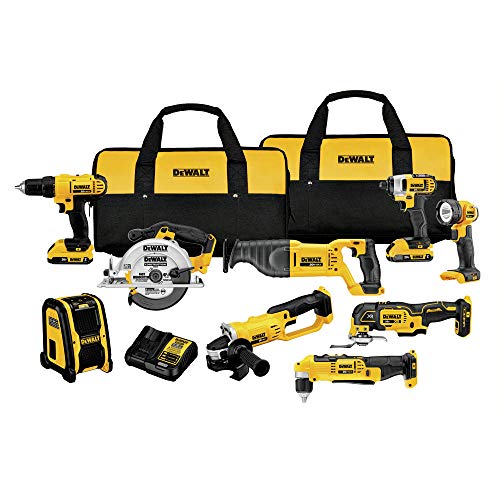
Battery-operated tools are generally allowed in carry-on luggage. Their compact design makes them easy to pack. Always check your airline's policy. Some airlines may have restrictions on battery types. Lithium-ion batteries often have specific rules due to safety concerns. Ensure the battery is within the allowed watt-hour limit.
Corded Tools
Corded tools present more challenges due to their size. These tools are usually better suited for checked luggage. Carrying them in checked luggage avoids security issues. Ensure cords are neatly packed to prevent damage. Security may inspect large tools, so pack them securely.
Tool Size And Weight Restrictions
Size and weight restrictions vary between airlines. Tools should fit within standard luggage dimensions. Larger tools may incur extra fees. Always check your airline's guidelines before packing. It's essential to weigh your tools to avoid surprises at check-in.
Airline Policies
Many travelers wonder about bringing power tools on a plane. Airlines have specific rules for safety reasons. Understanding these policies helps you pack smartly. Different airlines have unique guidelines. Let's explore major U.S. airlines, international carriers, and low-cost airlines.
Major U.s. Airlines
Major U.S. airlines often follow TSA guidelines. Power tools in checked bags are usually allowed. They must be secure and free of fuel or batteries. Carry-on bags may be stricter. Some airlines restrict tool size and type. Always check with your airline before traveling.
International Carriers
International carriers have their own rules. Some may allow power tools in checked bags. Others might have stricter regulations. Rules can vary based on destination. It's crucial to check both departure and arrival countries' policies. This prevents any travel disruptions.
Low-cost Airlines
Low-cost airlines often have tighter baggage rules. They might charge extra for checked items. Power tools could fall under special items. These airlines may have size and weight limits. Always read the airline's policy on tools before booking. This ensures a smooth journey.
Security Checkpoint Procedures
Taking power tools on a plane involves specific security rules. Smaller tools under seven inches can go in carry-ons. Larger ones should be checked in. Always check with your airline before flying.
Traveling with power tools can be tricky. Security procedures vary by region. Knowing the rules helps avoid delays. Each country has its own guidelines. Let's explore these procedures.
Tsa Guidelines
The TSA allows power tools in checked bags. They must be less than 7 inches. Battery-powered tools are a concern. Remove batteries before packing them. Carry spare batteries in your carry-on. Follow these rules to pass security smoothly.
European Security Measures
Europe has strict tool rules. Most hand tools are allowed in checked luggage. Power tools follow similar guidelines. Batteries need special attention. Keep them in their original packaging. Security may check them separately. Always check specific airline policies.
Asian And Middle Eastern Protocols
Rules in Asia and the Middle East vary. Power tools in checked bags are generally fine. Batteries often need to be carried separately. Some countries have stricter regulations. Always research specific airport rules. This ensures a hassle-free journey. `
Packing Tips For Power Tools
Traveling with power tools might seem daunting. But with the right packing tips, it becomes manageable. Whether you're a DIY enthusiast or a professional, knowing how to pack your tools can save you time and hassle. Let's explore some effective strategies.
Secure Packaging
Always use sturdy cases or boxes for your tools. They keep your tools safe during transit. Opt for cases with padding to prevent damage. Consider bubble wrap for added protection. Ensure all items fit snugly to avoid shifting. Tape the box securely to prevent opening.
Battery Safety
Remove batteries from power tools before packing. This prevents accidental activation during the flight. Store batteries in their original packaging if possible. If not, use a protective cover or case. Keep batteries separate from the tools. Check airline regulations for specific battery guidelines.
Tool Accessories
Pack small accessories in separate bags. This includes screws, drill bits, and blades. Label each bag for easy identification. Use sealable plastic bags to avoid loss. Place them in compartments within your main tool case. This keeps everything organized and accessible.
Alternatives To Carrying Power Tools
Traveling with power tools can be tricky. Airlines have strict rules. But you have options. You can avoid carrying them. These alternatives make your journey easier. Explore these choices below.
Tool Rental Services
Tool rental services are a great solution. They are available in most cities. Rent tools when you arrive. This saves space in your luggage. It also reduces hassle at airports. Many rental shops offer a wide range. You can find almost any tool you need.
Check their prices online before traveling. Some offer discounts for longer rentals. This option is perfect for short trips. It is also good for unpredictable jobs. Renting tools helps you travel light.
Shipping Options
Shipping tools is another smart choice. Send your tools ahead of time. This ensures they arrive when you do. Use reliable courier services for this. Many offer tracking and insurance. This gives peace of mind.
Shipping tools saves time at security checks. It also avoids airline restrictions. Check rates for shipping tools internationally. Some countries have special rules. Make sure to follow them. This way, your tools reach safely.
Local Purchase
Buying tools locally is sometimes best. This works for common tools. It is ideal for longer stays. You can sell them before leaving. This recovers some money. Research local stores before your trip. Check their prices and availability online.
Buying locally reduces travel weight. It also supports local businesses. This choice suits travelers on tight schedules. It saves you from carrying heavy tools. Just buy what you need on arrival.
Frequent Traveler Experiences
Traveling with power tools can be tricky due to airport security rules. Most airlines allow them in checked luggage, but not in carry-on bags. Always check with your airline before flying to ensure compliance with specific regulations.
Traveling with power tools can be a challenge. Frequent travelers often share mixed experiences about bringing these items onto a plane. Understanding their stories can help you navigate your next trip more smoothly.
Personal Stories
Many travelers have shared their tales of trying to bring power tools on board. One traveler, Alex, attempted to carry a cordless drill in his carry-on luggage. He was stopped at the security checkpoint and asked to check it instead. This experience taught him to always pack tools in checked luggage. Another traveler, Lisa, shared her success story. She packed her small screwdriver set in her carry-on without any issues. Her tip? Always check the airline's guidelines before packing.
Expert Advice
Experts recommend checking the Transportation Security Administration (TSA) guidelines. Some tools are allowed in carry-ons, while others must be checked. Understanding these rules can save you time and hassle at the airport. Consulting with frequent flyers or travel forums can also provide helpful insights. Many seasoned travelers have navigated these rules and can offer practical advice.
Common Challenges
One of the main challenges is understanding what is allowed. Small tools like screwdrivers may be permitted, but larger, battery-operated tools often aren't. This can lead to confusion and delays at security. Another challenge is ensuring tools are securely packed. Improperly packed tools can cause delays and even damage. How do you ensure your tools are safe for travel? Consider making a checklist of your tools before traveling. Double-check this list against TSA and airline guidelines. This proactive approach can help prevent any last-minute surprises at the airport. Are you prepared for the next time you travel with power tools?
Frequently Asked Questions
Can I Carry Power Tools In Hand Luggage?
Power tools are generally not allowed in hand luggage. They can be considered dangerous items. It's best to pack them in checked baggage. Always check with your airline for specific restrictions and guidelines regarding power tools in luggage.
Are Power Tools Allowed In Checked Baggage?
Yes, power tools are usually allowed in checked baggage. Ensure they are securely packed to avoid any damage. Lithium batteries should be removed and carried separately. Always verify with your airline for specific rules and any additional requirements.
What Types Of Power Tools Are Banned On Planes?
Certain power tools are banned due to safety concerns. Tools like drills, saws, and nail guns may be restricted. Always check with your airline for a detailed list of banned items and adhere to their guidelines.
How Should I Pack Power Tools For A Flight?
Pack power tools securely in your checked baggage. Use protective cases or padding to prevent damage. Remove batteries and pack them separately if necessary. Follow airline guidelines to ensure safe transportation.
Conclusion
Bringing power tools on a plane requires careful planning. Check airline rules first. Some tools may need to go in checked luggage. Keep batteries separate to avoid issues. Pack carefully to prevent damage. Remember, security might ask questions. Stay polite and explain calmly.
Knowing the rules helps avoid surprises. Always double-check before traveling. This ensures a smooth journey with your tools. Safe travels!