Can I Use Power Tools With a Pacemaker?
Have you ever wondered if your pacemaker might limit your ability to use power tools? You're not alone.
Many people with pacemakers ask this question, especially when considering home improvement projects or hobbies involving electric devices. Your health is paramount, and understanding how everyday activities might affect your pacemaker is crucial. Imagine completing your DIY projects without worry, knowing you're taking the right precautions.
This article will explore the relationship between pacemakers and power tools, providing you with the information you need to make informed decisions. Stick around to discover the safety tips and guidelines that can empower you to use your power tools confidently and safely.
Understanding Pacemakers
Understanding pacemakers can be crucial, especially if you or someone you know relies on one. These devices are life-changing, offering a steady rhythm to hearts that need a little help. But what exactly are pacemakers, and how do they function? Knowing the basics can empower you to make informed choices about everyday activities, like using power tools, without compromising your health.
What Is A Pacemaker?
A pacemaker is a small, battery-operated device implanted in your chest to help manage heart rhythms. It sends electrical impulses to the heart muscles to prompt a steady heartbeat. Imagine it as a tiny conductor orchestrating your heart's rhythm.
People who experience irregular heartbeats, known as arrhythmias, often benefit from pacemakers. They can be temporary or permanent, depending on your medical needs. The goal is to ensure your heart beats at a normal pace so you can live life to the fullest.
How Pacemakers Work
Pacemakers work by monitoring and regulating your heartbeat. They consist of a pulse generator and leads. The generator houses the battery and circuitry, while the leads are wires that connect the generator to your heart.
When your heart slows down or beats erratically, the pacemaker sends electrical signals through these leads to correct the rhythm. It's fascinating how this tiny device can make such a significant impact, allowing you to engage in daily activities confidently.
Now, here's an interesting thought: If a pacemaker can handle regulating your heartbeat, can it also withstand interference from power tools? Understanding the inner workings of this device might just help you answer that question.
Power Tools And Electromagnetic Interference
Power tools are essential for many DIY enthusiasts and professionals. They make tasks quicker and efficient. But electromagnetic interference from power tools can affect pacemakers. Pacemakers are small devices implanted in the chest to regulate heartbeats. Electromagnetic fields from some tools might disrupt their function. Understanding these risks is vital for anyone with a pacemaker.
Types Of Power Tools
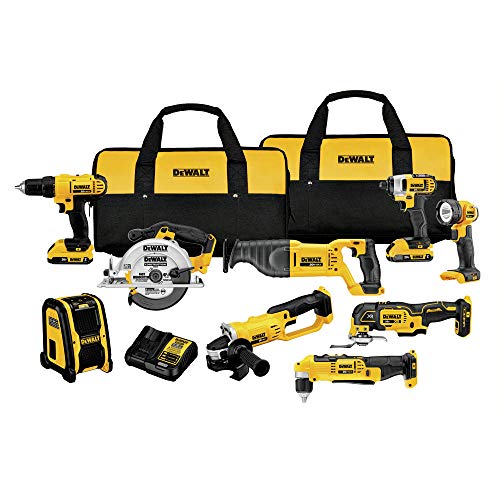
Different power tools vary in their electromagnetic emissions. Cordless drills, saws, and sanders are common examples. Tools with high power outputs often produce stronger electromagnetic fields. Corded tools can also emit these fields. It's crucial to know which tools might pose a risk.
Potential Risks With Pacemakers
Electromagnetic fields can interfere with pacemakers. This interference might lead to irregular heartbeats or device malfunction. People with pacemakers should be cautious around high-emission tools. Maintaining a safe distance from operating tools is important. Consult a doctor about using specific tools safely.
Safety Guidelines For Pacemaker Users
Using power tools with a pacemaker requires careful consideration. Safety guidelines help ensure that pacemaker users can work safely. This section provides crucial advice for individuals using power tools. It focuses on consulting your doctor and recommended precautions. These steps can help prevent complications while using power tools.
Consulting Your Doctor
Always speak with your doctor before using power tools. Your doctor understands your specific health needs. They can offer guidance tailored to your condition. This conversation can prevent potential health risks. Doctors may have specific recommendations for your situation.
Recommended Precautions
Maintain a safe distance from power tools. This minimizes interference with your pacemaker. Keep tools at least 12 inches away from your device. Use grounded tools to reduce electrical risks. Avoid using tools while alone. Having someone nearby can be helpful in emergencies.
Follow the manufacturer's safety instructions carefully. They provide important information for safe tool operation. Wear protective gear like gloves and goggles. This reduces the risk of injury. Regularly check your pacemaker's function. Any unusual symptoms should be reported to your doctor immediately.
Specific Power Tools To Avoid
Living with a pacemaker requires some lifestyle adjustments. One area of concern is power tools. Certain tools can interfere with pacemaker function. It's essential to know which tools to avoid. Understanding the risks can help maintain your health.
High-risk Tools
Some tools emit strong electromagnetic fields. Chainsaws are one example. Their powerful engines can disrupt pacemaker signals. Welders also pose a risk. They generate intense electromagnetic interference. Avoid using these tools without medical advice.
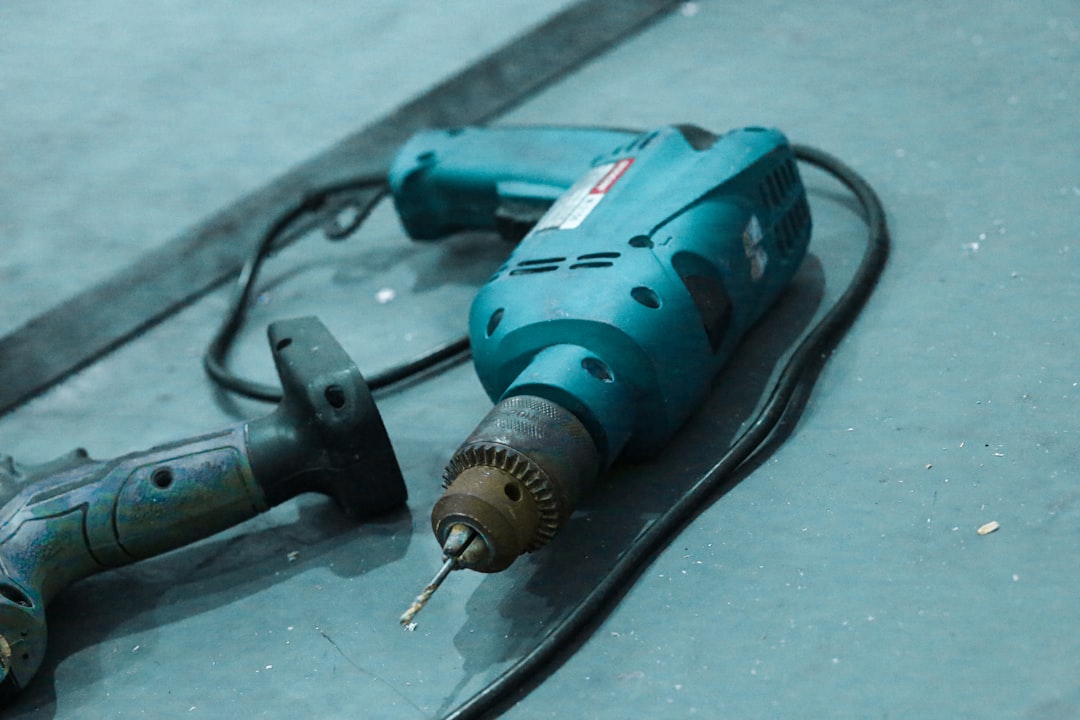
Circular saws can also be problematic. Their high-speed motors can affect your pacemaker. Drills with high voltage should be used cautiously. They might interfere with your device. Always consult a doctor before using these tools.
Safer Alternatives
Consider using hand tools instead. Hand saws are a good choice. They don't emit electromagnetic fields. Manual screwdrivers are also safe. They provide control without electronic interference.
Battery-operated tools can be safer. Choose low-voltage options. They produce less electromagnetic interference. Always keep the tool away from your chest. This reduces the risk of interference.
Signs Of Interference
Using power tools with a pacemaker requires caution. Interference can affect device function. Always consult your doctor before use.
When it comes to using power tools with a pacemaker, it's crucial to be aware of the signs of interference. Interference can disrupt the normal functioning of your pacemaker and potentially pose health risks. Understanding these signs can help you act swiftly to ensure your safety and well-being.
Recognizing Symptoms
If you have a pacemaker, it's vital to recognize potential symptoms of interference when using power tools. You might experience dizziness or feel lightheaded, as if you're about to faint. A sudden and unusual shortness of breath can also occur, signaling that something isn't right. Another sign to watch for is an irregular heartbeat or palpitations. You might feel your heart racing or skipping beats. Additionally, unusual chest pain or discomfort should not be ignored, as it can indicate interference.
Immediate Actions To Take
If you notice any symptoms while using power tools, stop what you're doing right away. Turn off the power tool and step away from it to minimize further interference. It's important to remain calm and assess how you're feeling. Next, contact your healthcare provider to discuss what happened. They can provide guidance on whether further medical evaluation is necessary. If symptoms persist or worsen, seek medical attention immediately.
Have you ever wondered what precautions you can take to prevent interference? One practical step is maintaining a safe distance between your pacemaker and the power tool. Check with your doctor about specific distances for different types of tools. It’s also wise to have someone nearby when you’re working with power tools, just in case you need assistance. Staying informed and cautious can help you safely use power tools, even with a pacemaker. Remember, your health and safety come first.
Maintaining Safe Practices
Using power tools with a pacemaker requires caution and consultation with a doctor. Magnetic fields from these tools may interfere with device function. Always prioritize safety and follow medical advice to prevent potential complications.
Maintaining safe practices when using power tools with a pacemaker is crucial for your health and well-being. While power tools can make tasks easier, they can also interfere with your pacemaker if not used properly. Understanding how to manage these tools safely can help you continue your activities with confidence.
Regular Pacemaker Check-ups
Regular check-ups with your cardiologist are essential. These visits ensure your pacemaker functions properly and isn't affected by external factors, including power tools. Your doctor can provide personalized advice based on your specific pacemaker model and health needs. Always communicate any new symptoms or concerns during these appointments. Have you ever noticed a strange sensation while using a power tool? Mention it during your next check-up.
Staying Informed About New Developments
The world of medical technology is always evolving. Staying informed about new developments in pacemaker technology can empower you to make safer choices. Join online forums or subscribe to newsletters about pacemakers and cardiac health. Manufacturers often update guidelines on how devices interact with everyday tools and appliances. By keeping yourself updated, you can ensure you’re using the latest safety practices. Engage in conversations with others who have pacemakers.
Sharing experiences can provide insights that medical brochures might miss. How have others managed their hobbies involving power tools? Their stories might offer valuable tips you hadn't considered.
Remember, maintaining safe practices is not just about following rules—it's about enhancing your quality of life while ensuring your safety.
Frequently Asked Questions
Are Power Tools Safe For Pacemaker Users?
Power tools can interfere with pacemakers due to electromagnetic fields. It's crucial to maintain a safe distance and consult your cardiologist. Always follow manufacturer guidelines and avoid prolonged exposure to these fields. Safety precautions are essential to minimize risks and ensure safe use of power tools.
How Close Can I Be To Power Tools?
Maintain a safe distance of at least 12 inches from the motor of power tools. This minimizes electromagnetic interference with your pacemaker. Consult your doctor for personalized advice. Always adhere to safety guidelines provided by your device manufacturer for optimal safety and peace of mind.
Can Electromagnetic Fields Affect My Pacemaker?
Yes, electromagnetic fields from power tools can affect pacemaker function. They may cause interference or temporary disruption. Always keep a safe distance and consult with your cardiologist. Follow specific safety guidelines for pacemaker users to ensure minimal impact and safe operation of tools.
Are There Specific Tools To Avoid With Pacemakers?
Avoid high-powered tools that generate strong electromagnetic fields, like drills and saws. These tools pose higher risks for pacemaker interference. Consult your healthcare provider for a list of safe tools. Adhering to these recommendations will help ensure your safety while using power tools.
Conclusion
Using power tools with a pacemaker requires care. Consult your doctor first. Different pacemakers might react differently to power tools. Keep tools away from your chest. Always follow safety guidelines. Choosing battery-operated tools can reduce risks. Regular check-ups ensure your pacemaker works well.
Don't hesitate to seek professional advice. Your health always comes first. Stay informed and make safe choices. Empower yourself with knowledge and caution. Remember, it's better to be safe than sorry.