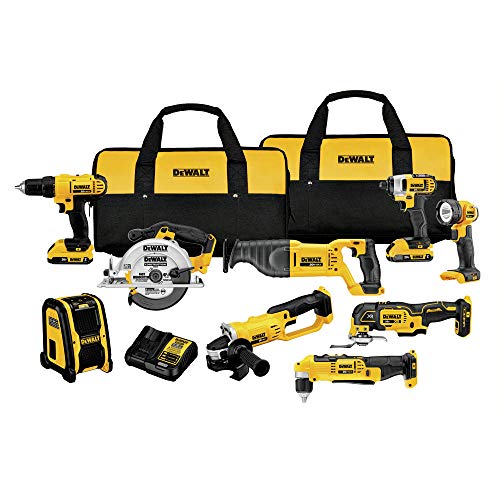

Ever found yourself staring at that pesky outlet screw, wondering if there's a quicker, easier way to tighten it? If you're like most people, you’ve probably thought about using power tools to speed up the process.
But is it really a good idea to use them on outlet screws? You’re not alone in this curiosity, and the answer might surprise you. By the time you finish reading this article, you’ll know if power tools are your new best friend or a potential hazard for your outlets.
Keep reading to discover whether your toolbox holds the key to faster home maintenance or if it’s better left for other tasks.
Power Tools For Outlet Screws
Driving outlet screws can be tricky with hand tools. Power tools offer a faster and more efficient solution. The right power tool makes the task easier and ensures proper screw alignment. Choosing the correct tool for outlet screws saves time and effort.
Power Drill For Outlet Screws
A power drill is versatile for driving outlet screws. It provides speed and precision. Select a drill with adjustable torque settings. This helps prevent over-tightening and damage. Use a magnetic bit holder for easy screw placement.
Impact Driver For Outlet Screws
Impact drivers offer high torque output. They handle stubborn screws with ease. Choose a compact impact driver for tight spaces. Ensure the bit fits securely to avoid slipping. The rapid bursts of power drive screws quickly and smoothly.
Cordless Screwdriver For Outlet Screws
Cordless screwdrivers are lightweight and portable. Ideal for small tasks like outlet screws. They reduce hand fatigue during prolonged use. Look for models with variable speed control. This feature allows for gentle screw tightening.
Choosing The Right Bit
Using the correct bit is crucial. Phillips and flat-head bits suit most outlet screws. Ensure the bit matches the screw head perfectly. A snug fit prevents stripping and slipping. Consider using high-quality bits for durability and precision.
Safety Tips
Safety is important while using power tools. Wear protective goggles to shield eyes. Keep fingers away from moving parts. Ensure the tool is in good working condition. Follow instructions for tool use and maintenance.
Types Of Outlet Screws
Outlet screws play a vital role in electrical installations. Understanding the types can help you choose the right one for your project. Different screws are designed for specific tasks, ensuring safety and efficiency. Using power tools to drive outlet screws can save time and effort. Let’s explore the different types available and their unique features.
Flat-head Screws
Flat-head screws are common in outlet installations. Their flat top allows them to sit flush with surfaces. This design prevents snagging on clothes or objects. Ideal for areas requiring a smooth finish.
Round-head Screws
Round-head screws offer a decorative finish. They protrude slightly, adding a visual element. Often used where appearance matters. Their rounded top is easy to grip with power tools.
Phillips-head Screws
Phillips-head screws have a cross-shaped slot. They provide a secure grip for power tools. These screws are versatile and widely used. They minimize slipping during installation.
Slotted-head Screws
Slotted-head screws feature a single straight groove. Common in older installations. Simple design makes them easy to drive with a flat screwdriver. Power tools can efficiently handle them.
Hex-head Screws
Hex-head screws have six flat sides. They require a wrench or socket for installation. Power tools equipped with the right bit can drive them efficiently. Perfect for heavy-duty applications.
Choosing the right screw type ensures a secure installation. Each type has its advantages, catering to different needs. Power tools make the task quicker and easier, regardless of the screw type.
Choosing The Right Power Tool
Driving outlet screws with power tools can speed up installation tasks. Choose a power tool with adjustable torque settings. This prevents over-tightening and potential damage to the outlet.
Choosing the right power tool for driving outlet screws is crucial for both efficiency and safety. With a variety of options available, it's important to understand which tool suits your needs best. This section will guide you through the selection process, helping you make an informed choice that enhances your DIY projects.
Understanding Your Project Needs
Before picking a power tool, evaluate the complexity of your task. Are you working on a simple home repair, or is it a larger renovation project? Smaller tasks might only require a basic cordless screwdriver. However, for more demanding jobs, consider a drill driver with adjustable torque settings.
Cordless Vs. Corded Options
Deciding between cordless and corded power tools can influence your workflow. Cordless tools offer mobility and are convenient for quick jobs or areas with limited access to power outlets. On the other hand, corded tools provide consistent power, ideal for prolonged use without the worry of battery life.
Importance Of Torque Settings
Having control over torque settings can prevent over-tightening screws, which may damage the outlet or wall. Look for tools with adjustable torque settings. This feature allows you to apply the right amount of force, enhancing precision and minimizing wear on your tools and materials.
Ergonomic Design And Comfort
Handling comfort is often overlooked but significantly impacts your efficiency. Test the grip and weight of the tool. A comfortable design reduces fatigue during extended use. Consider how the tool feels in your hand, especially if your project spans several hours.
Safety Features To Consider
Safety should never be compromised. Look for tools with built-in safety features such as clutch systems and non-slip grips. These can protect both you and the tool from accidents. Always read the manual to understand how to use these features effectively.
Personal Insights
During my recent home renovation, I realized how a simple choice could make a big difference. I initially used a basic screwdriver for the outlet screws, which was tedious and time-consuming. Switching to a cordless drill driver not only sped up the process but also improved precision. You might find, as I did, that investing in the right tool saves both time and frustration. Choosing the right power tool for driving outlet screws doesn't have to be overwhelming. What tool do you think would best fit your project needs? Consider your specific requirements, and you'll find the perfect match.
Safety Precautions
Driving outlet screws with power tools requires caution. Always use the correct bit size to avoid damaging screws. Ensure the power tool is set to a low speed to maintain control and prevent stripping.
When using power tools to drive outlet screws, safety should always be a top priority. While these tools can save you time and effort, they also come with risks if not handled properly. Before you pick up that power tool, it's crucial to understand the potential hazards and how to mitigate them.
Understanding The Tool
Make sure you know your tool inside and out. Read the manual before using it. Familiarize yourself with the power settings and features. Use the right attachment for the task. A mismatched bit can strip screws or damage the tool. This can lead to frustrating setbacks and additional expenses.
Personal Protective Equipment (ppe)
Always wear appropriate PPE when using power tools. Safety goggles are a must to protect your eyes from flying debris. Gloves can provide a better grip and protect your hands from blisters. Consider ear protection if your tool is loud. Prolonged exposure to noise can harm your hearing.
Workspace Safety
Ensure your work area is clean and well-lit. Cluttered spaces can lead to accidents or misplaced tools. Keep your tools organized to avoid searching mid-task. Check for any potential trip hazards. A sudden fall could lead to serious injury while handling power tools.
Tool Handling Techniques
Start with a slow setting on your power tool. Gradually increase the speed as you gain control. This can prevent screws from stripping or breaking. Maintain a firm grip and steady hand. A shaky grip can lead to mistakes or injuries. Practice on scrap material if you're new to using power tools.
Maintenance And Inspection
Regularly inspect your power tools for wear and tear. A damaged tool can be a safety hazard. Replace worn-out parts promptly to ensure optimal performance. Keep your tools clean and well-maintained. A little upkeep can extend the life of your tools and ensure they operate safely.
Remember, safety isn't just about protecting yourself; it's about ensuring your tasks are completed efficiently and without incident. Have you ever had a close call with a power tool? Taking these precautions seriously can make all the difference.
Step-by-step Process
Using power tools to drive outlet screws can save time and effort. Follow a simple step-by-step process for best results. This guide will help ensure safety and efficiency. Let's dive into each step with detailed instructions.
Preparing The Area
Ensure the power is off before starting any work. Check the circuit breaker and switch it off. This prevents any electrical hazards. Use a voltage tester to confirm no electricity is flowing. Clear the area of any obstacles. Gather all necessary tools before starting. A clean workspace prevents accidents and keeps tools handy.
Selecting The Proper Bit
Choose the right bit for your power tool. It should match the screw head type. Common types are Phillips or flathead. Using the wrong bit can damage the screw. It may also harm the tool. Check the bit for wear and tear. A worn-out bit can slip and cause injury.
Adjusting Torque Settings
Set the tool's torque to a low setting. This prevents over-tightening. Tightening too much can damage outlets and screws. Start with low torque and gradually increase if needed. Test on a scrap surface if unsure. Proper torque ensures a secure fit without damage.
Driving The Screws
Position the bit on the screw head. Hold the power tool firmly with both hands. Apply steady pressure while driving the screw. Keep the tool straight to avoid slipping. Drive until the screw is snug against the outlet. Avoid over-tightening to prevent damage. Inspect the work once complete to ensure everything is secure.
Common Mistakes
Using power tools to drive outlet screws can be efficient and quick. Yet, many make common mistakes during this task. These mistakes can lead to damaged screws or outlets. Understanding these errors can help avoid them in future projects.
1. Over-tightening Screws
Over-tightening is a frequent mistake. Power tools have high torque, which can strip screws. Stripped screws lose grip and become useless. Always monitor the tool’s speed and pressure. Use a gentle touch to tighten screws properly.
2. Incorrect Bit Size
Choosing the wrong bit size can cause problems. A bit that's too small slips and damages screw heads. A large bit won't fit the screw properly. Always match the bit size to the screw head. This ensures a secure fit and prevents damage.
3. Using High-speed Settings
Power tools often have variable speed settings. High-speed settings can be tempting for fast work. Yet, they increase the risk of mistakes. High speeds can strip screws or damage outlets. Always start with a low-speed setting. Adjust only if necessary for precision.
4. Ignoring Safety Measures
Safety is crucial when using power tools. Many forget to wear safety gear like gloves and goggles. This increases the risk of injury. Always prioritize safety by wearing protective gear. Keep hands clear of moving parts to avoid accidents.
5. Not Checking For Obstructions
Obstructions can lead to damaged screws or outlets. Check the area around the outlet before starting. Ensure no wires or materials obstruct the screw path. This prevents damage and ensures a smooth operation.
6. Misaligning The Screwdriver
Proper alignment is key for effective screwing. Misalignment causes screws to slip and damage surfaces. Always align the screwdriver with the screw head. This ensures smooth, damage-free insertion.
Avoid these common mistakes for efficient use of power tools. Proper technique preserves tool life and ensures safety. Remember these tips for your next project.
Troubleshooting Issues
Power tools can be a great help in driving outlet screws. Yet, they sometimes cause issues. Troubleshooting these problems is essential for smooth operation. Understanding common challenges helps prevent damage and ensures safety.
Identifying Stripped Screws
Stripped screws lose their grip on the tool. This makes driving them difficult. Check the screw head for wear. Use a screwdriver to test grip. If the tool slips, it's stripped.
Dealing With Over-tightened Screws
Over-tightening can break screws. Use low power settings on your tool. Stop when resistance is felt. Listen for cracking sounds. These are signs of over-tightening.
Addressing Misaligned Screws
Misaligned screws don't fit right. Check alignment before driving. Use a level to ensure straight placement. Adjust the screw until it lines up correctly.
Preventing Tool Jamming
Jamming occurs when tools get stuck. Clean the tool regularly. Remove any debris or dust. Inspect moving parts for wear. Lubricate them to ensure smooth operation.
Avoiding Electrical Hazards
Power tools near outlets pose risks. Ensure the power is off. Double-check with a voltage tester. Use insulated tools for extra safety. Always prioritize safety over speed.
Expert Advice
Using power tools to drive outlet screws offers efficiency and speed. Ensure the right torque settings to avoid damage. Proper handling can streamline installation while maintaining safety and precision.
When it comes to driving outlet screws, many people wonder if they can use power tools for this task. Whether you're a seasoned DIY enthusiast or just starting out, using power tools can significantly speed up the process. But, before you grab that power driver, there are some crucial tips from experts to ensure you do it safely and effectively.
Maintaining Your Tools
Your tools are an investment, and like any investment, they require care. Before using your power tool to drive outlet screws, check its condition. Is the bit worn out or damaged? A dull or damaged bit can strip screws and make your job harder. Store your tools in a dry, cool place to prevent rust. Dust them off regularly to avoid debris build-up which can affect performance. A well-maintained tool not only works better but also lasts longer. Have you ever noticed how a well-cared-for tool feels almost like an extension of your hand?
Improving Efficiency
Using power tools for outlet screws can save you time, but efficiency is about more than speed. Choose the right bit for the screw type. A mismatched bit can slip, causing frustration and potential damage. Set your power tool to the correct torque setting. Too much torque can strip the screw head, while too little can leave screws loose. Experiment with scrap material if you're unsure about the settings. Can you feel the difference when everything clicks into place, and the job gets done smoothly? That's efficiency at work. Driving outlet screws with power tools is about balancing speed with precision. By maintaining your tools and honing your technique, you can turn a tedious task into a satisfying experience. What are you waiting for? Give it a try and see the difference it makes in your DIY projects!
Frequently Asked Questions
Can You Use A Drill For Outlet Screws?
Yes, you can use a power drill for outlet screws. Ensure the drill's torque setting is low to prevent over-tightening. Use the correct screwdriver bit to fit the screw head. Power drills make the task quicker and easier, but caution is necessary to avoid damaging the outlet or the wall.
Are Power Tools Safe For Electrical Outlets?
Power tools are generally safe for outlets if used correctly. Always turn off the power to the outlet before working. Use the appropriate screwdriver bit and torque settings to prevent damage. Safety precautions are crucial to avoid electrical hazards or damaging the outlet components during installation or removal.
What Drill Bit Is Needed For Outlet Screws?
Use a standard Phillips or flathead screwdriver bit, depending on the screw type. Ensure the bit fits snugly into the screw head to avoid stripping. A proper fit ensures efficient and safe use of power tools on outlet screws, minimizing the risk of damage or injury.
Can Power Tools Damage Outlet Screws?
Yes, power tools can damage outlet screws if used improperly. High torque settings can strip or break screws, making removal difficult. Always use a low torque setting and the correct bit size. Proper handling ensures the screws remain intact and functional, preventing unnecessary damage and repair costs.
Conclusion
Driving outlet screws with power tools is possible with care. Use the correct bit to avoid damage. Start slowly to maintain control. Over-tightening can strip the screw or outlet. Practice makes perfect. With time, you'll gain confidence. Always prioritize safety.
Wear protective gear. Keep your workspace organized. This ensures efficiency and prevents accidents. Consider the tool's power settings. Adjust as necessary for precision. If unsure, consult the manual or a professional. Understanding your tools boosts success. The right approach makes tasks easier.
Happy fixing!