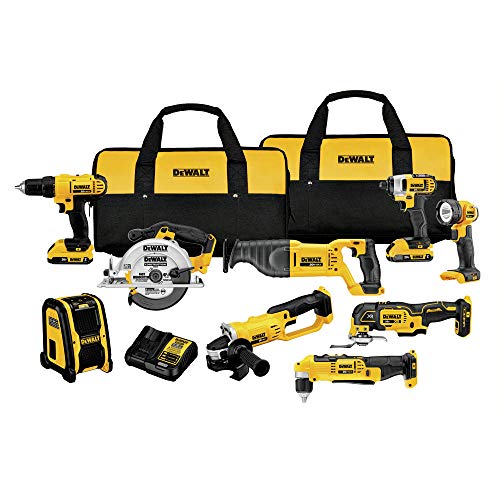
You've packed your bags, checked your itinerary, and now you're ready for your flight. But there's one thing left to consider: can you bring hand tools on a plane?
It's a question many travelers face, especially if you're someone who loves DIY projects or needs tools for work. The last thing you want is to have your tools confiscated at the airport. Imagine the frustration of arriving at your destination only to find you're missing essential gear.
Understanding what tools are allowed can save you time, stress, and money. Dive into the details and discover the rules and tips to ensure your travels go smoothly. Don't let uncertainty hold you back—equip yourself with the right knowledge and take control of your travel experience.
Airline Policies On Hand Tools
Airline policies often allow small hand tools in carry-on luggage, but they must be under seven inches long. Power tools and larger items typically need to be checked. Always check specific airline guidelines before packing to ensure compliance and avoid delays.
Flying with hand tools can be confusing due to varying airline policies. Whether you're a DIY enthusiast or a professional, understanding these rules is crucial to avoid surprises at the airport. Some travelers have been caught off guard, like my friend who had to leave his favorite wrench set behind, simply because he didn’t check the airline’s guidelines.
Understanding Airline Regulations
Airlines have specific rules about what you can bring in your carry-on and checked luggage. These rules often depend on the size and type of tool. For instance, most airlines allow small tools, like screwdrivers under seven inches, in your carry-on. But larger tools, such as hammers, must be checked in.
Check Each Airline’s Policy
Policies can differ greatly between airlines, so always check before packing. Some airlines provide detailed lists on their websites, making it easier to plan. It's also a good idea to call their customer service if you're unsure about a particular tool.
Security Checkpoints
Security checkpoints can be unpredictable. Even if an airline allows a tool, security personnel might have the final say. Always be prepared for extra screening if you’re carrying tools in your carry-on.
Practical Tips For Packing Tools
Pack tools securely to prevent damage and ensure safety. Use protective covers for sharp tools and pack them tightly to prevent movement. A well-organized tool bag can also speed up security checks, as it makes it easier for agents to see what's inside.
Traveling Internationally With Hand Tools
International travel adds another layer of complexity. Different countries have different regulations, and what’s allowed on a domestic flight might be banned internationally. Always research the regulations of your destination country to avoid confiscation. Flying with hand tools doesn’t have to be a hassle if you do a little homework. Have you ever had an unexpected experience at airport security with your tools? Share your story and help others navigate these tricky rules.
Types Of Hand Tools Allowed
Airlines allow certain hand tools in carry-on bags. Tools under seven inches, like screwdrivers or pliers, usually pass security. Always check with the airline for specific rules.
Traveling with hand tools can sometimes feel like navigating a maze of rules and regulations. But fear not, knowing what you can and cannot bring on a plane can save you a lot of hassle. When it comes to hand tools, the key is understanding which types are allowed and how to pack them properly. This not only ensures a smooth journey through airport security but also keeps you prepared for any DIY projects at your destination.
Small Tools
Small tools are generally more airplane-friendly. Items like screwdrivers, pliers, and wrenches are often permitted in your carry-on, provided they are under seven inches in length. Imagine the convenience of tightening a loose screw on your suitcase handle right before a flight. However, always check the latest guidelines from your airline or the TSA, as rules can change. You don't want to discover at the last minute that your beloved mini tool kit needs to be checked in.
Non-sharp Tools
Non-sharp tools are another safe bet for air travel. Think about bringing a tape measure or a small level. These tools are perfect for those spontaneous projects that may arise during your trip. Have you ever found yourself in a hotel room wishing you could quickly measure a space for a new piece of art? Non-sharp tools can be lifesavers. They're unlikely to raise eyebrows at security, making them easy to pack in your carry-on. When deciding which tools to bring, consider your needs and the rules. Would you want to risk losing a valuable tool because it wasn’t allowed? Understanding the types of hand tools permitted on planes will not only save you time but also give you peace of mind. So, what hand tools will you pack on your next trip?
Prohibited Hand Tools
Traveling with hand tools requires knowing the rules. Some tools are banned on planes. This ensures safety for everyone. Understand which tools you can't bring. This helps avoid delays or hassles at security.
Sharp Objects
Sharp tools pose risks. Items like knives are not allowed in carry-ons. They can be dangerous in the cabin. Scissors over 4 inches long are prohibited. These can harm passengers or crew. Security checks for these items carefully. Always pack them in checked baggage.
Heavy Tools
Heavy hand tools are another concern. Tools like hammers can be dangerous. They can cause injury if misused. Wrenches and pliers over 7 inches are banned in carry-ons. Their weight and size make them unsafe. Pack them in checked luggage instead. This prevents any security issues.
Packing Tips For Hand Tools
Traveling with hand tools requires careful packing. Most hand tools are allowed in checked luggage but not carry-ons. Ensure tools are clean, securely packed, and within airline weight limits for hassle-free transport.
Packing hand tools for a flight can be a bit of a puzzle. You want to ensure they’re safe, secure, and compliant with airline regulations. Let's dive into some practical tips that will help you pack your hand tools like a pro.
Safe Packaging
Safety is key when packing hand tools. Use bubble wrap or foam padding to cover sharp edges and corners. This not only protects the tools but also prevents damage to other items in your luggage. Consider using zip ties or rubber bands to keep tools together. This prevents them from shifting around in your bag. If you've ever opened your suitcase to find a mess of scattered tools, you know this small step can save a lot of hassle. Think about labeling your tools. A small tag with your name and contact information can be helpful. If your tools get separated from your bag, this increases the chance they’ll find their way back to you.
Toolboxes And Bags
Choosing the right container for your hand tools is crucial. A sturdy toolbox or a durable tool bag can make all the difference. Make sure it's easy to carry and fits within airline size restrictions. A toolbox with a lock is a smart investment. It adds an extra layer of security, preventing unauthorized access. This can be particularly reassuring if you’re carrying valuable or specialized tools. If you're using a tool bag, look for one with multiple compartments. This allows you to organize your tools effectively. You won't have to dig through your bag to find what you need, saving you time and frustration. Have you ever thought about the weight of your tools? Airlines have weight restrictions, so it's important to check the total weight of your packed tools. Consider leaving behind any non-essential items to avoid extra fees. Incorporating these packing tips can make your journey smoother and stress-free. What's your go-to method for packing tools? Share your tips in the comments!
Security Check Procedures
Security checks at airports are crucial for safety. Knowing what to expect can ease anxiety. For travelers carrying hand tools, understanding procedures helps streamline your journey.
What To Expect
Expect thorough checks at security gates. Hand tools must pass through X-ray machines. Security staff will examine items closely. Small tools like screwdrivers usually pass without issue. Larger tools may need more scrutiny. Always declare your tools if asked.
Tips For Smooth Clearance
Pack tools in checked baggage for fewer hassles. If carrying them in hand luggage, keep them organized. Use clear bags for easy inspection. Know the airport's rules about tool sizes. Check your airline's guidelines before packing. Be patient during checks. Cooperate with security staff for faster clearance.
Arrive early to handle possible delays. Keep documents ready, like boarding passes. Familiarize yourself with prohibited items. This avoids last-minute surprises. Remember, preparation is key to a smooth airport experience.
International Travel Considerations
Travelers often wonder about carrying hand tools on planes. Generally, small tools under 7 inches are allowed in carry-on bags, but larger ones must go in checked luggage. Always check specific airline regulations to avoid surprises at security.
Traveling internationally with hand tools can be a bit of a puzzle. You want to ensure your toolkit arrives safely without any hitches at customs. While you might be familiar with domestic travel rules, international journeys require a closer look at each country's regulations. Are you prepared to navigate the maze of rules and declarations?
Country-specific Regulations
Navigating international airports can feel like walking a tightrope, especially when carrying hand tools. Each country has its own set of rules. Some nations may allow small tools in carry-on luggage, while others insist they be packed in checked baggage. Imagine landing in a country only to find your screwdriver is considered a security risk. Research the regulations of your destination before packing. Visiting the official transportation or aviation websites of your destination country can offer clarity.
Customs Declarations
Customs can be the unexpected hurdle that trips up many travelers. When crossing borders, you might be required to declare your hand tools. Not declaring them can lead to fines or even confiscation. Have you ever had to explain why you're carrying a hammer to a customs officer? To avoid such scenarios, prepare a list of your tools. Be upfront about your intentions. If you're a professional carrying tools for work, having documentation or a letter from your employer can ease the process. Remember, honesty is your best policy at customs, and preparation is your shield against surprises. Packing hand tools for international travel might seem daunting, but with a little research and preparation, you can avoid unnecessary stress. By understanding country-specific regulations and customs declarations, your journey can be as smooth as possible. Are you ready to embark on your next adventure with confidence?
Alternatives To Carrying Hand Tools
Traveling with hand tools can be tricky. Airline restrictions often limit what you can carry in your luggage. There are ways to manage this without hassle. Explore shipping options or renting tools at your destination. Both have their advantages. Consider these alternatives to carrying hand tools.
Shipping Tools
Shipping tools ahead can save time. It frees up luggage space. Services like UPS or FedEx can help. They deliver tools directly to your hotel or meeting spot. Ensure they are packed securely. Use sturdy boxes. Label them clearly for a smooth process. Costs vary based on weight and distance. Compare rates for the best deal. A little research goes a long way.
Renting At Destination
Renting tools is another option. Many places offer rental services. Local hardware stores can be a good resource. They often have a wide range of tools. Renting can be cost-effective for short visits. It avoids transportation issues. Check online for rental options beforehand. Reviews can guide you to reliable services. Renting can make your trip easier.
Frequently Asked Questions
Can I Carry Hand Tools In My Carry-on?
Yes, you can bring hand tools in your carry-on. However, they must be under 7 inches in length. Items such as screwdrivers, pliers, and wrenches are generally allowed. Always check TSA guidelines before packing. Larger tools may need to be placed in checked luggage.
Are Hand Tools Allowed In Checked Luggage?
Yes, hand tools are allowed in checked luggage. You can pack larger tools that exceed carry-on restrictions. Ensure they are securely packed to prevent damage. It's always good to check airline-specific rules. Tools should not pose any safety risks during transportation.
What Hand Tools Are Prohibited On Planes?
Certain hand tools are prohibited on planes. Tools such as saws, drills, and cutting tools are restricted in carry-ons. They may be considered dangerous items. Always verify with TSA guidelines for a complete list. Restricted tools should be packed in checked luggage if needed.
How Do Airlines Handle Hand Tools?
Airlines have specific rules for hand tools. Tools under 7 inches can be in carry-ons. Larger tools should be checked in. Check the airline’s policy before traveling. Some airlines may have additional restrictions. Following guidelines ensures a smooth travel experience.
Conclusion
Traveling with hand tools on a plane can be tricky. Always check airline rules. Some tools are allowed in carry-on bags. Others must go in checked luggage. Size and type matter a lot. Before packing, measure your tools. Consider their purpose too.
Security may ask questions. Keep your tools organized. Use clear bags for easy inspection. This saves time at the airport. Stay informed about TSA regulations. They change often. Safe travels with your tools!