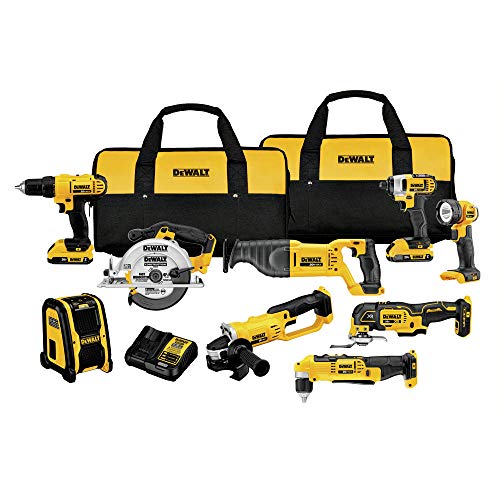

Ever found yourself in a dilemma about packing your power tools for a flight? You're not alone.
Whether you're a professional contractor, a hobbyist, or just someone who loves to DIY, there’s always that lingering question: can you travel with power tools on a plane? Imagine arriving at your destination, ready to dive into a project, only to find out your tools didn’t make it through security.
Frustrating, right? In this blog post, we’ll unravel the mystery surrounding airline regulations for power tools. We’ll provide you with the crucial details you need to ensure smooth travels with your essential gear. Keep reading, and you'll discover how to pack smartly, avoid unnecessary hassles, and make your travels as seamless as possible. Your next project awaits, so let’s make sure you and your tools get there together!
Airline Regulations
Traveling with power tools can be a bit of a puzzle, especially when you're planning to fly. Airline regulations are strict and vary, making it crucial to know what's allowed and what's not. Understanding these rules can save you from unexpected surprises at the airport. Let’s dive into the specifics of carrying power tools on a plane.
Carry-on Restrictions
Thinking of taking your power drill as part of your carry-on? You might want to reconsider. Most airlines prohibit power tools in carry-on luggage. This is due to safety concerns. Power tools can be seen as potential weapons.
Some smaller tools might pass through security. For instance, a wrench or screwdriver could be allowed. However, always check with your airline before packing. You don't want to be caught off guard.
Imagine you're at security and your tool gets confiscated. It's not just a hassle; it can be costly. A quick call to your airline can prevent this.
Checked Luggage Guidelines
Power tools are generally permitted in checked luggage. This is a relief if you're traveling for work or a project. However, there are guidelines to follow. Make sure your tools are securely packed.
A good idea is to use hard cases or toolboxes. This prevents damage to your tools and keeps your luggage organized. Airlines appreciate when items are packed safely.
Consider the weight of your tools. Airlines have weight limits for checked bags. If your tools are heavy, you might face extra fees. Plan accordingly to avoid unexpected expenses.
Do you often travel with tools? Share your experiences in the comments. It’s always insightful to learn from fellow travelers.
Types Of Power Tools
Traveling with power tools on a plane requires understanding airline regulations. Tools like drills and saws might need to be checked. Carry-on restrictions apply, especially for sharp or heavy items. Familiarize yourself with guidelines to avoid travel hiccups.
When planning to travel with power tools, it's essential to understand the different types of tools you might have in your luggage. Knowing the specifics of each type can save you time at security checkpoints and prevent any unexpected surprises. Whether you're a professional contractor or a DIY enthusiast, your toolbox likely contains a variety of power tools, each with its own set of travel guidelines.
Battery-powered Tools
Battery-powered tools are a favorite among many due to their portability and convenience. Tools like drills, saws, and screwdrivers that run on batteries are generally easy to carry. However, airlines have strict rules about lithium batteries, which are commonly used in these tools. Before you pack, check your airline's policy on lithium batteries. You may need to remove the batteries and carry them in your hand luggage. Once, I had to rearrange my entire suitcase at the airport because I forgot about this rule—don't let that be you!
Corded Tools
Corded tools are typically heavier and more powerful, making them a bit trickier to travel with. Tools such as angle grinders and circular saws fall into this category. You can't carry these in your carry-on luggage due to their sharp components and potential to cause harm. Always pack corded tools in your checked baggage. Secure them well to prevent damage to your other belongings. And remember, some airports might still require you to declare these items during check-in. Have you ever thought about how your packing style could impact your trip?
Gasoline-powered Tools
Gasoline-powered tools are a challenge when it comes to air travel. Tools like chainsaws and generators need special attention due to their fuel components. Most airlines restrict carrying gasoline-powered tools, even if they're empty, because of the residual fuel vapors. If you must travel with these, consider shipping them ahead to your destination. Alternatively, plan to rent these tools at your location. Have you ever weighed the cost of shipping versus renting? It could save you a headache at the airport. Understanding these types of power tools can make your travel smoother and more efficient. Always double-check with your airline to stay updated on any specific restrictions or requirements. Safe travels, and may your projects be as successful as your journey!
Security Concerns
Traveling with power tools can raise security concerns. Airlines have strict policies about what you can bring on board. Understanding these rules is crucial for a smooth journey. Let's explore the safety measures and TSA guidelines related to carrying power tools on a plane.
Safety Measures
Safety is a top priority for airlines. Power tools must be packed safely to avoid risks. Secure tools in a sturdy box. This prevents damage and ensures safety. Use padding to protect sharp edges or parts. It reduces the chances of accidents during transit. Safety measures help in preventing any onboard incidents.
Tsa Guidelines
The Transportation Security Administration (TSA) has clear rules for traveling with tools. Check their website for the latest updates. Hand tools under seven inches are allowed in carry-ons. Larger tools must go in checked baggage. Remove batteries from power tools to avoid accidental activation. Ensure all tools are clean and free from oil. This helps in speeding up the security check process.
Packing Tips
Traveling with power tools on a plane requires careful preparation. Packing these tools correctly ensures a smooth trip without any issues at the security checkpoint. Following a few simple packing tips can make your journey hassle-free.
Tool Protection
Secure your tools in a sturdy case. This prevents damage. Cases with padded interiors work best. They absorb shocks during transit. Wrap each tool separately. Use bubble wrap or soft cloth. This minimizes the risk of scratches.
Labeling And Documentation
Label each tool clearly. Use a tag or sticker. Write your name and contact details. This helps in case of loss. Carry documentation for your tools. Include purchase receipts or manuals. Security might ask for proof of ownership.
Alternative Shipping Options
Flying with power tools can be tricky due to safety rules. Tools like drills or saws may need checking in. Consider alternative shipping options to avoid hassle and ensure safety.
Traveling with power tools on a plane can often be a logistical challenge. Whether you're a professional contractor or a DIY enthusiast, you might have faced the dilemma of how to transport your tools efficiently. Fortunately, you have some alternative shipping options that can make the process easier and hassle-free. Let's explore how these options can save you time and stress, allowing you to focus on what really matters—getting the job done.
Courier Services
Courier services offer a convenient and reliable way to ship your power tools. Many companies provide door-to-door delivery, making it simple to send your tools ahead to your destination. You can choose from a range of shipping speeds and prices. This flexibility allows you to balance cost and urgency based on your needs. Have you ever thought about the peace of mind that comes with tracking your package? Most courier services provide tracking information, so you always know where your tools are.
Freight Shipping
Freight shipping might be a better choice if you're transporting a large number of tools or heavy equipment. This option is particularly useful for businesses that need to move significant amounts of hardware. Freight carriers specialize in handling bulky and heavy items. They often provide custom packaging solutions to ensure your tools arrive safely. Consider freight shipping as a cost-effective solution when dealing with larger shipments. It might take a bit longer than standard courier services, but you can often negotiate rates for bulk shipping. So, what's your preferred method for shipping power tools? Each option has its benefits, and knowing them can save you time and trouble on your next trip.
International Travel Considerations
Traveling internationally with power tools requires careful planning. Different countries have varying rules and regulations. Understanding these can save you time and stress. It's essential to be aware of customs regulations and country-specific restrictions. These factors can impact your travel experience.
Customs Regulations
Customs regulations differ from country to country. Each nation has its own set of rules for importing items like power tools. Some might allow them freely, while others impose strict rules. You might need to declare your tools. Some countries require you to pay duties or taxes. Check with the local customs authority before you travel. This can help you avoid potential issues or fines.
Country-specific Restrictions
Some countries have specific restrictions on power tools. These may include limitations on the type or size of tools. Certain tools might be considered dangerous. For example, battery-powered tools can be problematic. Understand the laws of your destination country. This ensures compliance and a smooth travel experience. Researching beforehand can prevent unexpected surprises at customs.
Frequently Asked Questions
Can Power Tools Be In Carry-on Luggage?
Most power tools are not allowed in carry-on luggage due to safety concerns. However, small tools under 7 inches may be permitted. Always check the airline's guidelines and TSA regulations before traveling. It's safer to pack power tools in checked baggage to avoid confiscation at security checkpoints.
Are Batteries Allowed With Power Tools On Planes?
Yes, batteries for power tools are typically allowed but must comply with airline regulations. Lithium-ion batteries should be under 100 watt-hours. It's best to carry them in your carry-on for safety. Always check specific airline policies and TSA guidelines for the latest rules on battery transport.
How Should Power Tools Be Packed For Flights?
Power tools should be packed securely in checked luggage. Use protective cases or padding to prevent damage. Remove all detachable batteries and pack them separately in your carry-on. Ensure all tools are clean and free from fuel or oil to meet airline safety regulations.
Can You Travel Internationally With Power Tools?
Yes, you can travel internationally with power tools, but regulations vary by country. Always check the destination country's rules and airline policies before traveling. Ensure power tools are packed in checked luggage and comply with both departure and arrival regulations to avoid issues.
Conclusion
Traveling with power tools is possible with proper planning. Check airline rules before packing. Consider tool size and type for carry-on or checked bags. Batteries might need special care. Pack them safely to prevent damage. Always inform security about your tools.
This avoids confusion at checkpoints. Keep tools clean and organized. This helps security inspections go smoothly. Safety first, for you and others. Traveling with tools requires responsibility. Being prepared ensures a hassle-free journey. Stay informed for successful travels. Enjoy your trip and work confidently.