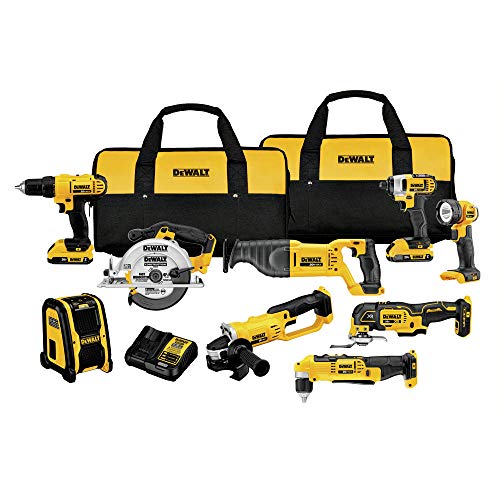
Are you wondering if 12-volt tools are powerful enough for your needs? Whether you're a DIY enthusiast or a professional, the right tools can make all the difference in your projects.
But, with so many options available, you might find yourself asking, "Do the 12-volt tools have enough power to get the job done? " You're not alone in this. Many people share this curiosity, and the answer might surprise you.
We'll explore the real capabilities of 12-volt tools, helping you make informed decisions that could save you time, money, and frustration. Stay with us, and discover whether these compact powerhouses are the right fit for your toolbox.
Power Of 12 Volt Tools
12 Volt tools are increasingly popular among DIY enthusiasts and professionals. They offer a balance between portability and power. While they may seem less powerful, they pack enough punch for many tasks. These tools are versatile and easy to handle. They are perfect for tight spaces where larger tools can't reach. Many users find them more comfortable for prolonged use.
Common Applications
12 Volt tools excel in several common applications. They are suitable for light drilling and driving screws. Electricians use them for wiring installations. Plumbers find them handy for pipe fittings. Carpenters use them for small woodworking tasks. They are ideal for assembling furniture and cabinets. These tools are also useful for home repairs and maintenance.
Battery Efficiency
Battery efficiency is crucial for 12 Volt tools. Modern batteries provide longer runtimes and faster charging. Lithium-ion batteries are lightweight and efficient. They maintain power levels until nearly depleted. Users can complete tasks without frequent recharging. Many tools come with interchangeable batteries. This feature ensures continuous work without interruptions.
Performance Comparison
Evaluating 12 volt tools reveals their surprising power for small tasks. Ideal for light-duty work, these compact tools deliver efficiency without bulk. Perfect for home projects, they balance performance with convenience.
When evaluating the power of 12-volt tools, it's essential to understand how they stack up against their higher voltage counterparts. The question isn't just about sheer power. It's about whether these tools meet your specific needs. You might be surprised by what these compact tools can achieve.
12 Volt Vs 18 Volt Tools
The difference between 12-volt and 18-volt tools often boils down to the tasks you need them for. An 18-volt tool typically offers more power and can handle more demanding tasks. However, the lighter 12-volt tools shine in smaller projects or tight spaces. I once used a 12-volt drill for assembling furniture, and its light weight made the job much easier. Would an 18-volt tool have done the job faster? Perhaps, but maneuvering it in small spaces might have been a challenge. Consider the convenience and portability a 12-volt tool offers. If you need a tool for quick repairs or projects around the house, it might just be the perfect fit. But for heavy-duty tasks, you might lean towards the 18-volt option. What kind of projects do you tackle most often?
Impact On Different Materials
The material you're working with can significantly influence your tool choice. For softer materials like pine or plastic, a 12-volt tool often provides sufficient power. They offer enough torque without overwhelming the material, allowing for precision work. I remember using a 12-volt impact driver on drywall, and it was precise and efficient. However, when I switched to a dense hardwood, the tool struggled a bit. For such tougher materials, you may find that an 18-volt tool performs better, driving screws effortlessly. Think about the materials you frequently work with. Does your project list include more delicate materials, or do you often tackle robust surfaces? Your answer will guide you to the right tool. Each tool has its place, and understanding their performance across various scenarios helps you make smarter choices. Do the 12-volt tools have enough power? It depends on your needs and projects. What do you think suits your toolkit best?
Benefits Of 12 Volt Tools
12-volt tools are gaining traction among DIY enthusiasts and professionals alike, providing a compact and efficient alternative to their larger counterparts. If you've ever wondered whether these smaller tools pack enough punch, it's time to consider their benefits. From portability to cost-effectiveness, 12-volt tools offer compelling advantages that might just change how you approach your next project.
Portability And Convenience
Imagine working on a project in a cramped space or needing to carry your tools up a flight of stairs. With 12-volt tools, you’ll experience a level of portability that larger tools simply can't match. Their lightweight design means you can easily transport them without straining your muscles or overloading your tool bag.
Convenience is key when you’re on the go. Whether you're a contractor moving between job sites or a DIYer tackling various home projects, 12-volt tools can be your trusty sidekick. Their compact size allows you to maneuver them into tight spots effortlessly, making tasks like assembling furniture or working on vehicle repairs a breeze.
Cost-effectiveness
Budget-conscious buyers often gravitate towards 12-volt tools for their affordability. Why spend a fortune on high-voltage tools if your tasks can be accomplished with less power? You’ll find that these tools offer a balanced mix of performance and price, allowing you to invest in multiple tools without breaking the bank.
Consider how much you can save on battery replacements and energy costs. Smaller batteries are typically cheaper, and 12-volt tools consume less power, reducing your overall expenses. You might even find that the savings allow you to expand your tool collection, enhancing your productivity and versatility.
So, are you ready to harness the power of 12-volt tools? Whether it's their portability or their cost-effectiveness that piques your interest, these tools can offer a practical solution for many of your projects. Next time you find yourself weighing the options, ask yourself: Is it time to give these compact powerhouses a chance?
Limitations And Challenges
12-volt tools often face challenges in delivering power for heavy-duty tasks. They might struggle with intense jobs, limiting their usage. These tools excel in light to moderate tasks, making them ideal for DIY projects and small repairs.
When it comes to using 12-volt tools, many users often wonder whether they pack enough power for their needs. While these tools offer the convenience of portability and are often lightweight, they do come with their own set of limitations and challenges. It's important to understand these aspects to ensure you make the right choice for your projects.
Power Limitations
12-volt tools are generally designed for lighter tasks. They may not provide the same power output as their 18-volt or 20-volt counterparts. This can be a challenge when you're tackling more demanding jobs. Imagine trying to drill into dense hardwood. You might find the tool struggling or stalling. It's crucial to match the tool's capacity with the task at hand.
Battery Life Issues
Another common concern is battery life. A 12-volt tool may not last as long on a single charge when compared to higher voltage options. This can be frustrating if you're working on a project that requires extended use. Have you ever been in the middle of assembling a piece of furniture, only for your tool to die unexpectedly? You then have to pause and recharge, which can disrupt your workflow. Consider keeping a spare battery on hand. This simple practice can save you time and keep your projects moving smoothly. In summary, while 12-volt tools offer convenience, it's essential to weigh their power and battery limitations. Ask yourself: Does this tool match the scope of my project? Understanding these limitations can lead to smarter tool choices and more efficient work.
User Experiences
Curious about the power of 12-volt tools? These compact devices pack surprising strength for many everyday tasks. They handle light to medium work effortlessly, making them ideal for home and DIY projects.
User experiences with 12-volt tools vary widely. Users praise their lightweight design. They appreciate the ease of handling. Yet, concerns about power persist. These tools often suit specific tasks. They are ideal for light and medium work. The debate about power is ongoing. Users share mixed opinions. Let's explore these experiences further.
Professional Vs Diy Use
Professionals often need more power. They tackle heavy tasks daily. For them, 18-volt tools are standard. They demand high performance. Yet, some professionals still use 12-volt tools. They value portability and ease. These tools fit tight spaces. DIY enthusiasts love 12-volt tools. They find them ideal for home projects. These tools suit small repairs. They handle simple tasks well. DIY users enjoy their compact size. They appreciate the lighter weight.
Feedback From Users
Feedback on 12-volt tools varies. Some users applaud their convenience. They highlight the lightweight design. Others note power limitations. They mention challenges with tough materials. One user stated, "Great for small jobs." Another said, "Struggles with hard wood." Many users love battery life. They appreciate quick charging. Some users express satisfaction. They find these tools reliable. They enjoy the ergonomic design. Others wish for more torque. Their feedback helps improve designs.
Future Trends
12 Volt tools balance power and portability, appealing to hobbyists and professionals for lighter tasks. Their efficiency suits small projects and tight spaces, ensuring reliable performance without heavy equipment.
As the demand for portable power tools continues to rise, many wonder if 12-volt tools have enough power to meet future needs. With advancements in technology and a growing market, the future looks promising. These tools are becoming more efficient and versatile, making them a reliable option for both DIY enthusiasts and professionals.
Technological Advancements
In recent years, battery technology has improved significantly. Lithium-ion batteries now offer longer run times and faster charging. This allows 12-volt tools to deliver more power without increasing size or weight. Manufacturers are also incorporating smart features. For example, some tools now connect to apps on your smartphone. This lets you monitor battery life and adjust settings on the go. Additionally, brushless motors are becoming more common. They provide more torque and last longer, making 12-volt tools even more powerful. It's exciting to see these tools evolve and meet new challenges.
Market Growth
The market for 12-volt tools is expanding rapidly. More brands are offering a wider range of products, from drills to saws. This variety gives you more options to choose from based on your needs. As more people embrace DIY projects, the demand for affordable and efficient tools grows. 12-volt tools are often cheaper than their higher-voltage counterparts. This makes them an attractive choice for budget-conscious consumers. With an increasing focus on sustainability, there's a push for more eco-friendly tools. 12-volt tools are generally more energy-efficient. They help reduce your carbon footprint without sacrificing performance. So, do you think 12-volt tools have enough power for the future? As technology and market trends continue to evolve, they just might surprise you.
Frequently Asked Questions
Are 12 Volt Tools Powerful Enough For Diy Projects?
Yes, 12 Volt tools are powerful enough for most DIY tasks. They are compact and lightweight, making them perfect for home use. While they may not be suitable for heavy-duty jobs, they offer sufficient power for drilling, screwing, and other light to moderate tasks.
Can 12 Volt Tools Handle Professional Work?
12 Volt tools are generally not ideal for professional heavy-duty tasks. They are best suited for light to medium work. For consistent heavy use, 18 Volt or higher tools are recommended. However, they are excellent for quick fixes and tasks in tight spaces.
What Tasks Can 12 Volt Tools Perform?
12 Volt tools can handle drilling, screwing, and fastening. They are great for assembly and installation tasks. They're perfect for light woodworking and home repairs. Their compact size allows them to work in tight spaces where larger tools might not fit.
Are 12 Volt Tools More Affordable?
Yes, 12 Volt tools are generally more affordable than higher voltage options. They offer a cost-effective solution for homeowners. Their affordability makes them a great choice for those starting their tool collection. Despite the lower price, they offer reliable performance for lighter tasks.
Conclusion
12-volt tools pack a surprising punch for everyday tasks. They are compact and easy to handle. Perfect for DIY projects or minor repairs. These tools deliver enough power for most users. They balance power and portability well. Ideal for those who need efficiency.
Professionals might require stronger options for heavy-duty jobs. But for home use, 12-volt tools perform well. They offer a practical solution for many common tasks. Consider your needs and choose wisely. The right tool makes work easier. Explore and find the best fit for your projects.
Quality and convenience are within reach.