Have you ever wondered what to do with your old power tools that have lost their batteries? You're not alone.
Many people find themselves with a collection of tools that could still be useful, but without the battery, they seem to have lost their purpose. The thought of throwing them away feels wasteful, yet finding someone to take them off your hands can be a challenge.
Imagine the space you could reclaim in your garage or workshop if you knew where these tools could find a new home. Picture the satisfaction of knowing that your old tools could be repurposed, giving them a second life rather than contributing to landfill waste. You'll discover where you can take those battery-less power tools and how they can still make a difference. You'll be surprised at the options available and how easy it can be to clear out that clutter while helping others. Keep reading to find out how you can turn your old tools into opportunities!
The Market For Old Power Tools
Many enthusiasts seek old power tools, even without batteries. These tools often find new life through repairs or as parts. Interest remains strong, reflecting a sustainable approach to tool usage.
The market for old power tools is more vibrant than you might think. While many people toss out their broken or outdated tools, others see value in these seemingly useless items. Whether you're a DIY enthusiast or a professional tradesperson, there's a growing interest in giving new life to old tools.
The Rise Of Second-hand Tool Shops
Second-hand tool shops are popping up everywhere. These shops cater to those looking for affordable tools and those who enjoy the charm of using something with a history. You might be surprised to find that some people prefer old tools for their durability and unique features.
Online Platforms And Marketplaces
Online platforms like eBay and Craigslist have made it easier than ever to sell old power tools. Even without batteries, these tools can fetch a reasonable price. Many hobbyists and collectors scour these sites for rare finds or parts to complete their own projects.
Community Tool Swaps
Have you ever heard of a tool swap? These events are becoming popular in communities where people gather to trade tools they no longer need. It's a great way to acquire new tools without spending money, and you might just find someone who needs your old power tools.
Repair And Upcycling Workshops
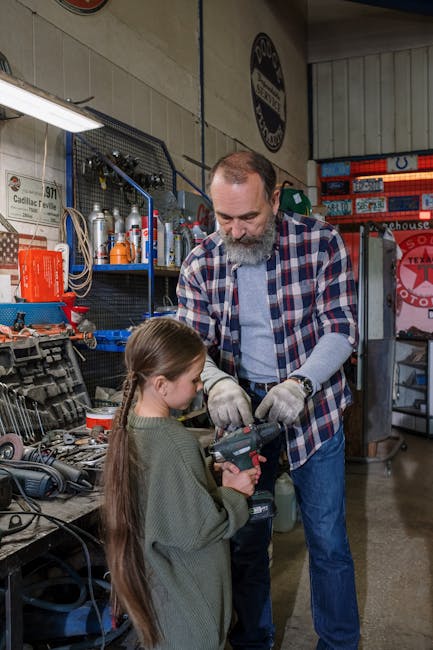
Some workshops specialize in repairing and upcycling old tools. They breathe new life into tools that might otherwise end up in a landfill. Participating in one of these workshops can be a rewarding experience, both for the skills you learn and the satisfaction of seeing a tool in action once more.
The Appeal To Collectors
For collectors, old power tools without batteries can be a treasure trove. These tools often have a unique design or historical significance that makes them valuable. Collectors might pay a premium for tools that complete their collection or add a piece of history to their display. If you've got old power tools gathering dust in your garage, consider exploring these options. You might find a surprising demand for what you thought was junk. What other hidden gems could be lurking in your storage?
Environmental Impact
Old power tools, especially those lacking batteries, often end up forgotten in garages or storage units. But have you considered the environmental impact of discarding them improperly? These tools, even without batteries, contribute significantly to e-waste, which poses a challenge for our planet. You might wonder if keeping them around is just delaying the inevitable, but there are ways to mitigate this impact and make a positive difference.
Reducing E-waste
Every piece of discarded electronics adds to the growing problem of e-waste. By choosing to recycle or repurpose your old power tools, you contribute to reducing this environmental burden. Imagine the collective impact if everyone took responsibility for their unused gadgets. You have the power to lessen the load on landfills and reduce toxic pollution. This small action can lead to a significant environmental shift.
Recycling Opportunities
There's more to recycling than tossing items into a bin. Many local centers and stores offer specific programs for electronic waste. You can often drop off old power tools at these facilities, ensuring they are recycled properly. Some manufacturers even have take-back schemes where they accept old tools for recycling. Have you checked out these options in your area? Exploring these avenues can help you make informed decisions that benefit both your community and the environment.
Consider the potential of repurposing old tools. Have you ever thought about using them for DIY projects or donating to community workshops? These actions extend their life and reduce waste. Taking such steps not only aids the planet but also supports local efforts and initiatives. What can you do today to make a positive change with your old power tools?
Creative Reuse Ideas
Old power tools can find a new life without batteries. Creative reuse ideas give them purpose. You can transform them into unique and useful items. Let's explore how old tools can become innovative creations.
Upcycling Projects
Old drills make quirky lamps. A simple fix turns them into stylish lighting. Sand off any rust for a smooth look. Attach a bulb holder. Power up with a new cable. It's a cool conversation starter.
Use saw blades for garden art. Clean them up and paint vibrant designs. Hang them on fences or trees. They add color and personality to outdoor spaces. A little creativity goes a long way.
Artistic Applications
Tool parts create unique sculptures. Connect gears and handles creatively. Form abstract shapes or figures. Display them indoors or in gardens. They offer an industrial touch to art collections.
Old tool boxes become art storage. Remove compartments for more space. Store brushes, paints, and supplies. Decorate the box with paint or stickers. It's practical and visually appealing.
Repair And Refurbishment
Old power tools without batteries often find a second life. Repair and refurbishment can breathe new life into these tools. Many people discard them, thinking they're useless. But with a little effort, they can become functional again. Repairing or refurbishing can save money and reduce waste. It also offers a rewarding experience for those who enjoy DIY tasks.
Diy Repair Tips
DIY repair starts with basic cleaning. Dust and debris often clog tool parts. Use a soft brush to clean these areas. Check for loose screws or bolts. Tighten them to ensure the tool's stability. If a part is damaged, consider replacing it. Many spare parts are available online. Lubricate moving parts to improve performance. Regular maintenance can extend a tool's life.
Professional Refurbishing Services
Professional services offer a thorough refurbishing of old tools. They have the expertise to handle complex repairs. Professionals can replace worn-out parts with high-quality replacements. They also conduct safety checks to ensure reliability. These services might cost more but ensure the tool works like new. It's a good option if the tool has sentimental value. Or if it's a high-quality brand worth saving.
Donation And Charity Options
Donating old power tools without batteries can be a practical choice. They still hold value for organizations and communities. These tools often find new life in nonprofit settings. They also support educational workshops. Here are some options to consider for donation and charity.
Tools For Nonprofits
Nonprofit organizations often need power tools for various projects. They may fix homes, build community spaces, or aid in disaster relief. Your old tools can support their efforts. Many nonprofits accept tool donations to reduce costs. This helps them focus on their core mission. Contact local nonprofits to see if they need tools. They often welcome donations with open arms.
Community Workshops
Community workshops benefit from tool donations too. These spaces foster learning and creativity. They help people gain hands-on skills. Old power tools without batteries can be part of this environment. Workshops often teach repair and maintenance skills. Donating tools supports these educational programs. It also helps reduce waste by reusing items. Reach out to community centers to offer your tools. They may have ongoing projects needing your support.
Online Marketplaces
Wondering what to do with old power tools without batteries? Online marketplaces might accept them. Many sellers focus on refurbishing or recycling parts. These platforms offer a chance to declutter and help the environment.
Online marketplaces have transformed the way we buy and sell items, and old power tools without batteries are no exception. These platforms offer a convenient way to find new homes for tools that might otherwise gather dust. Whether you're a hobbyist clearing out your garage or a seasoned DIY enthusiast, online marketplaces can connect you with buyers who see value in your unused tools.
Selling Platforms
Online marketplaces like eBay, Craigslist, and Facebook Marketplace are popular choices for selling old power tools. These platforms have a broad audience and are user-friendly, making it easy to list your tools with a few clicks. Each platform has its unique features, so consider what suits your needs best. eBay, for example, allows auction-style listings, which can drive up prices if multiple buyers are interested. Craigslist offers local connections, which can simplify the hand-off process. Facebook Marketplace combines social networking with selling, providing a personal touch to transactions.
Buyer Interests
Understanding buyer interests can help you craft a compelling listing. Many buyers look for tools for parts or as a project to refurbish. Highlight any unique features or conditions of your tools that might appeal to these interests. DIY enthusiasts may be drawn to tools that have potential for repair or modification. Collectors might seek vintage models or brands known for durability. Consider what makes your tools special and communicate that clearly to potential buyers. Have you ever wondered what drives someone to buy an old tool without a battery? Sometimes, it’s about nostalgia or the satisfaction of restoring something to its former glory. By tapping into these motivations, you can make your listing stand out. Online marketplaces are bustling with activity. By choosing the right platform and understanding what buyers want, you can successfully find new owners for your old power tools.
Safety Considerations
Safety is a key concern when dealing with old power tools. These tools may lack batteries, but they can still pose risks. Understanding safety precautions ensures safe handling and proper assessment of their condition.
Handling Precautions
Wear protective gloves when handling old power tools. They might have sharp edges or rust. Keep a first-aid kit nearby for emergencies. Work in a well-lit area to avoid accidents. Ensure the workspace is free from clutter. This reduces the chance of tripping or mishandling the tools.
Assessing Tool Condition
Check for visible signs of wear and tear. Look for cracks, rust, or broken parts. These could indicate potential hazards. Test the functionality of the tool without connecting it to power. This helps in assessing if it’s safe for use or repair. If unsure, consult a professional for a thorough inspection.
Frequently Asked Questions
Who Accepts Old Power Tools Without Batteries?
Many recycling centers accept old power tools without batteries. They often have specific drop-off points for tools. It's important to check local guidelines for disposal. Some manufacturers also offer take-back programs. Online marketplaces can be a good option for selling or giving away old tools.
Can Old Power Tools Be Recycled?
Yes, old power tools can often be recycled. Recycling centers typically process metal and plastic components. Batteries should be removed before recycling. It's crucial to follow local recycling regulations. Some manufacturers have recycling programs for tools.
How To Dispose Of Old Power Tool Batteries?
Old power tool batteries should be disposed of at designated recycling centers. Many stores offer battery recycling bins. Never throw batteries in regular trash due to environmental hazards. Check local guidelines for battery disposal options. Some manufacturers provide battery take-back programs.
Are There Donation Options For Old Power Tools?
Yes, many charities accept old power tools as donations. Tools can be refurbished and provided to those in need. Habitat for Humanity and similar organizations often welcome such donations. Local community centers might also accept tools. It's best to contact them beforehand to confirm.
Conclusion
Old power tools still hold value without batteries. Many people find them useful. Repair enthusiasts and DIYers often accept these tools. They reuse parts or fix them for new life. Local workshops and community centers might take donations. Search online marketplaces or forums for interested buyers.
Recycling centers can also help. Proper disposal benefits the environment. Exploring these options can extend the tools' life. Reduce waste and support sustainable practices. Keep tools out of landfills. Make a positive impact by rehoming your old power tools. Every small action counts toward a greener future.