Imagine a day when your hands no longer ache after treating clients. It sounds like a dream, doesn't it?
If you're a massage therapist, physical therapist, or chiropractor, you've likely felt the strain repetitive hand movements can cause. Enter Graston tools—a revolutionary approach that promises to ease your burden. But do they really save your hands from the daily grind?
We're diving deep into the world of Graston tools to see if they truly make a difference. Prepare to uncover insights that could transform the way you work, enhancing both your well-being and your practice. Are you ready to discover if Graston tools are the game-changer you've been waiting for? Let’s find out!
Graston Technique Basics
Understanding the Graston Technique can be a game-changer for many therapists seeking ways to save their hands while providing effective treatment. This technique involves using special tools to assist in the healing process of soft tissue injuries. It’s not just about the tools themselves but how they can enhance the healing process and reduce strain on a therapist's hands.
Origins And History
The Graston Technique has its roots in ancient healing practices. It was formalized in the early 1990s by an athlete who sought better recovery methods for his own injuries. Inspired by traditional Chinese medicine, he developed a set of tools to assist in soft tissue mobilization.
Today, it's widely used in physical therapy and chiropractic clinics. The technique has grown in popularity due to its effectiveness and the relief it provides both patients and practitioners. Have you ever wondered how ancient methods influence modern healthcare?
Core Tools And Equipment
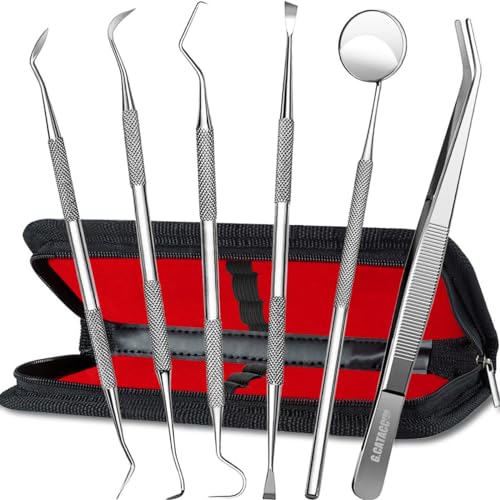
The Graston Technique employs a set of specially designed stainless steel instruments. These tools come in various shapes and sizes to target different areas of the body. Each tool is crafted to adapt to the contours of the body, allowing for precise application.
With names like the "Curved Handlebar" and "Scanner," these tools may sound like something from a sci-fi movie, but they're crucial in reducing hand fatigue. Imagine being able to treat a wide range of muscle injuries without wearing out your hands. Wouldn't that make your work more sustainable?
Therapists often share stories of how these tools have extended their careers, keeping their hands healthy and strong. Have you thought about how much you rely on your hands every day? Could these tools be the key to preserving your most vital asset?
Benefits For Therapists
Graston tools bring numerous advantages to therapists in their daily practices. These specialized tools help alleviate common challenges faced during physical therapy sessions. They enhance both the quality and ease of delivering effective care.
Reduction In Hand Strain
Therapists often experience hand fatigue from repetitive movements. Graston tools reduce this strain significantly. The tools allow therapists to apply consistent pressure without overusing their hands. This helps in lowering the risk of hand injuries. It also increases the longevity of a therapist's career. Less strain means more energy for patient interaction.
Improved Efficiency And Effectiveness
Graston tools enhance the efficiency of therapy sessions. They enable therapists to target problematic areas with precision. This precision leads to better outcomes for patients. Sessions become more effective as therapists can achieve results faster. Patients benefit from quicker recovery times. This improves overall satisfaction and trust in therapy services.
Impact On Patient Outcomes
The use of Graston tools in therapy offers significant benefits for patient outcomes. These tools help in precise treatment and support the healing process. They also provide effective pain relief, enhancing overall recovery.
Enhanced Healing Process
Graston tools aid in breaking down scar tissue. This promotes better blood flow to affected areas. Improved circulation speeds up the body's natural healing. Patients often experience quicker recovery times. The tools also help in realigning soft tissue. This supports the body's structure, aiding recovery.
Pain Management And Relief
Using Graston tools reduces inflammation effectively. It targets pain points directly, providing immediate relief. Many patients report less pain after treatment sessions. The tools help in managing chronic pain conditions. They offer a non-invasive method for pain relief.
Comparing Manual Therapy And Graston Tools
Manual therapy has been a cornerstone in physical rehabilitation. It involves hands-on techniques to alleviate pain and improve mobility. Graston tools, on the other hand, offer a modern approach. These specialized instruments are designed to help therapists deliver treatment efficiently. Comparing both methods reveals distinct differences.
Technique Differences
Manual therapy requires skilled hand movements. Therapists use fingers and palms to apply pressure. Each stroke targets specific muscle groups. Graston tools, however, use stainless steel instruments. These tools glide over the skin, offering precise treatment. The pressure is distributed evenly, minimizing strain on the therapist's hands.
Advantages And Disadvantages
Manual therapy allows for a personalized touch. Therapists can adjust pressure based on patient feedback. It is versatile and adaptable. Yet, it can be physically demanding for the therapist. Graston tools reduce hand fatigue. They offer consistent pressure and can cover larger areas quickly. Some patients may find the tools intimidating. Others may prefer the comforting touch of manual therapy.
Scientific Evidence And Studies
Graston tools have gained popularity in physical therapy. These tools help therapists treat soft tissue injuries. Many wonder if they help reduce strain on therapists' hands. Scientific studies provide insights into this question.
Clinical Research Findings
Several studies examine the effectiveness of Graston tools. Research shows these tools improve patient outcomes. Patients report reduced pain and increased mobility. Studies also suggest these tools benefit therapists. They can lower physical strain during treatment. This reduces the risk of hand injuries.
A study published in a renowned journal supports these findings. It found therapists using Graston tools reported less hand fatigue. This suggests these tools help preserve therapists' hand health.
Testimonials From Practitioners
Practitioners share positive experiences with Graston tools. Many therapists say these tools ease their work. They feel less tired after sessions. Their hands experience less stress and fatigue. This allows them to treat more patients effectively.
One therapist shared her story. She struggled with hand pain before using Graston tools. Now, she feels relief and can work longer hours. Her testimony echoes many in the field. Graston tools appear to save hands in practice.
Considerations For Implementation
Implementing Graston tools can bring significant benefits to therapists. Yet, there are important factors to consider. These factors ensure effective use and long-term success. The right approach can help maximize results and protect therapists' hands.
Training And Certification
Proper training is essential for using Graston tools. It helps therapists apply techniques safely and effectively. Certification programs provide the necessary knowledge and skills. Completing these programs boosts confidence and ensures correct use. Look for programs offered by recognized institutions. This guarantees high-quality training and credibility.
Cost And Accessibility
The cost of Graston tools can be a barrier for some. Prices vary depending on the brand and kit size. Investing in quality tools is important for lasting results. Accessibility to training sessions can also be a challenge. Some areas may lack nearby training centers. Online courses can offer a convenient solution. They provide flexible learning options for busy schedules.
Frequently Asked Questions
What Are Graston Tools Used For?
Graston tools are used in manual therapy to alleviate muscle tension. They help in breaking down scar tissue and improving blood flow. These stainless-steel instruments enable practitioners to detect and treat soft tissue injuries effectively.
Do Graston Tools Reduce Hand Strain?
Yes, Graston tools can reduce hand strain for therapists. By utilizing these tools, therapists can apply consistent pressure without overexerting their hands. This can lead to longer career longevity and improved treatment outcomes.
Are Graston Tools Effective For Pain Relief?
Graston tools are effective for pain relief in many cases. They help in promoting faster recovery by improving circulation and breaking down scar tissue. Many patients report reduced pain and increased mobility after treatments.
How Often Should Graston Therapy Be Done?
Graston therapy is typically done 1-2 times a week. The frequency depends on the individual's condition and response to treatment. Always consult with a healthcare professional for a personalized treatment plan.
Conclusion
Graston tools offer relief for tired hands. These tools help reduce strain. Many therapists find them useful. They allow for effective treatment. Less stress on hands. More comfort for patients. Therapists can work longer with less fatigue. Graston tools can be a wise investment.
They improve treatment efficiency. Consider incorporating them into your practice. Your hands deserve care too. Proper tools make a difference. Enhanced comfort can lead to better outcomes. Healthier hands improve job satisfaction. Think about the benefits. They may be worth trying.
Save your hands for the future.