Ever found yourself wondering what to do with those power tools collecting dust in your garage? Maybe you upgraded to a newer model, or perhaps you just don’t need them anymore.
Whatever the reason, you might be curious about selling them. But where can you sell power tools quickly and easily? Have you considered a pawn shop? You might be surprised to learn that pawn shops can be a great option for selling power tools.
But do they really buy them? And if so, what should you expect? These are questions worth exploring, especially if you're looking to turn unused items into extra cash. Stick around to find out how pawn shops can help clear your clutter and boost your wallet.
Pawn Shops And Power Tools
Pawn shops often deal with various items, including power tools. These tools are common in many households and businesses. People frequently pawn or sell them for quick cash. This makes pawn shops a go-to place for anyone needing affordable tools.
Why Pawn Shops Buy Power Tools
Power tools are always in demand. They are useful and practical for many tasks. Pawn shops buy them because they sell quickly. Tools from well-known brands attract more customers. This boosts the shop's inventory value.
Popular Power Tools In Pawn Shops
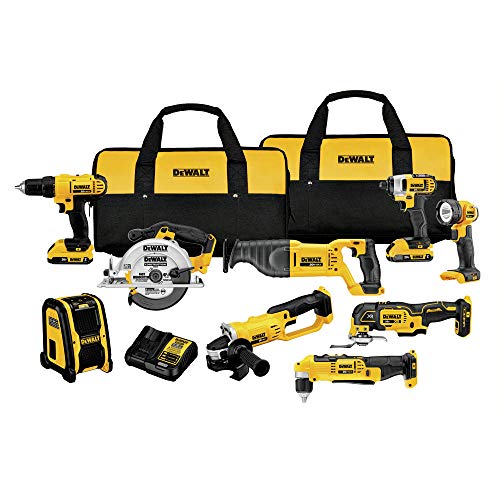
Certain power tools are more popular than others. Drills, saws, and sanders are common choices. Brands like DeWalt, Bosch, and Makita are frequently found. These tools are reliable and often in great condition.
Evaluating The Worth Of Power Tools
Pawn shops assess power tools carefully. They check the brand, model, and condition. Tools with original packaging or accessories are more valuable. The shop may also test the tool to ensure it works.
Selling Your Power Tools To A Pawn Shop
Clean your tools before selling them. Present them in the best condition possible. Gather all accessories and manuals. This increases the tool's perceived value. Be ready to negotiate for a fair price.
Buying Power Tools From A Pawn Shop
When buying, inspect each tool thoroughly. Test it to ensure it functions correctly. Check for any visible damage or wear. Compare prices with new tools. This helps you get the best deal possible.
Types Of Power Tools Accepted
Pawn shops often buy a wide variety of power tools. Many people wonder which types are commonly accepted. Understanding the types of power tools pawn shops accept can help you decide what to bring. This section will explore the different categories of power tools that are generally accepted by pawn shops.
Drills And Drivers
Drills and drivers are popular items in pawn shops. These tools come in handy for many projects. Cordless drills are particularly sought after. They offer flexibility and ease of use. Brands like DeWalt and Makita are often preferred.
Saws
Saws are another category that pawn shops accept. Circular saws and reciprocating saws are common. These tools are essential for cutting wood and other materials. High-quality brands like Bosch and Milwaukee are desirable. They tend to fetch a better price.
Sanders
Sanders are useful for smoothing surfaces. Orbital sanders and belt sanders are frequently accepted. These power tools are essential for woodworking tasks. They help achieve a fine finish. Quality brands like Black & Decker are popular.
Grinders
Grinders are versatile tools. They are used for cutting, grinding, and polishing. Angle grinders are especially popular. They are handy for various tasks. Brands like Ryobi and Hitachi are often accepted in pawn shops.
Nail Guns
Nail guns make construction work faster. They are valued for their efficiency. Framing nailers and finish nailers are common types. Professionals and DIY enthusiasts use them alike. Pawn shops usually accept well-known brands.
Impact Wrenches
Impact wrenches are powerful tools. They are used for loosening tight bolts. These tools are crucial in automotive work. Cordless impact wrenches are convenient. Brands like Snap-on are highly prized.
Evaluating The Value Of Power Tools
Pawn shops often buy power tools, assessing their condition and brand for value. Selling tools here is convenient and quick. A well-maintained tool fetches a better price, attracting both sellers and buyers.
Evaluating the value of power tools can be quite a journey, especially if you're considering selling them to a pawn shop. It's not just about the brand or the condition; there's a lot more that goes into determining their worth. Understanding how pawn shops assess these tools can help you set realistic expectations and possibly get the best deal. Let's dive into the factors that influence the valuation of your power tools.
Condition Matters
Pawn shops look at the overall condition of your power tools. If they're well-maintained and show minimal wear and tear, they're likely to fetch a better price. Have you kept them clean and stored them properly? If so, you're already ahead. Dust and grime can detract from their perceived value.
Brand Recognition
Popular brands tend to have a higher resale value. Think of brands like DeWalt, Makita, or Milwaukee. These are trusted for their reliability and performance. If your tool is from a well-known brand, it might just tip the scales in your favor.
Functionality And Features
Are your tools equipped with advanced features? A drill with multiple speed settings or a saw with precision adjustment can be more desirable. Functionality is key—if your tool does more, it might be worth more. Make sure to highlight these features when negotiating.
Market Demand
The demand for certain tools fluctuates. Seasonal changes can affect what pawn shops are willing to pay. Consider what projects are popular at the moment. Are renovations booming? Your power tools might just be in high demand.
Completeness Of Set
Having the complete set of tools and accessories can make a difference. A power drill with its charger and bits is more appealing. Missing parts can lower the value significantly. Ensure everything is intact to maximize your return.
Documentation And Proof Of Purchase
Do you still have the original receipt or user manual? These documents can boost credibility. A proof of purchase shows that the tool is legitimately yours. Plus, it can sometimes justify a higher asking price. Evaluating the value of your power tools requires a bit of effort, but it’s worth it. Understanding what pawn shops look for can empower you to make informed decisions. Have you ever sold tools at a pawn shop? What was your experience? Share your thoughts in the comments below!
Factors Influencing Price
When selling power tools to pawn shops, various factors influence their price. Understanding these factors can help in getting a fair deal. Each tool has unique attributes that affect its value. Below are some key elements that pawn shops consider.
Brand And Model
Popular brands often fetch higher prices. Tools from trusted manufacturers are seen as more reliable. Models with advanced features might also increase value. Pawnbrokers tend to pay more for renowned brands. Lesser-known brands might not attract high bids.
Condition And Age
Well-maintained tools are worth more. Visible wear and tear can lower the price. Newer tools often have higher value. Age can impact functionality and desirability. Tools in excellent condition are prized more by buyers.
Market Demand
Demand affects pricing significantly. Some tools are always in demand. Seasonal trends can change what buyers want. High demand can push prices up. Tools with low demand might not sell quickly. Understanding market trends can help in pricing strategy.
Preparing Power Tools For Sale
Pawn shops often buy power tools if they are in good working condition. Preparing tools for sale involves cleaning and testing them to ensure functionality. This increases the chance of getting a good price.
Preparing your power tools for sale is a crucial step if you're considering selling them to a pawn shop. A well-prepared tool not only looks more appealing but can also fetch you a better price. From cleaning to gathering accessories, these steps will help you present your power tools in the best possible light.
Cleaning And Maintenance
Start by thoroughly cleaning your power tools. Dust and grime can accumulate over time, making them look worn-out. Use a damp cloth to wipe down the surfaces and a brush to clean any hard-to-reach areas. Check for any maintenance issues. Tighten loose screws and replace any missing parts. A tool in good working condition is more likely to catch the eye of a buyer. Consider lubricating moving parts to ensure smooth operation. Think about this: Would you buy a dirty, poorly maintained tool? Present your tools as if you were the buyer.
Gathering Accessories
Collect all the accessories that came with your power tools. This includes manuals, extra blades, batteries, and chargers. Pawn shops appreciate when you provide a complete set. Place all accessories neatly in a bag or box. This not only keeps everything organized but also adds value to your offering. A complete package signals to the buyer that you've taken good care of your tools. Are there any additional items that can enhance the appeal of your tools? Even small extras can make a significant difference in the sale.
Negotiating With Pawn Shops
Pawn shops often purchase power tools. They look for items in good condition and with working functionality. Presenting your tools clean and operational can help increase their value during negotiations.
Negotiating with pawn shops can be a daunting task, especially if you’re looking to sell or pawn your power tools. But understanding the art of negotiation can ensure you get the best deal possible. Whether it's a top-tier brand or a reliable old drill, your approach can make all the difference.
Researching Prices
Before heading to the pawn shop, equip yourself with knowledge about your tools' value. Look up the current market prices for your specific power tools online. Websites like eBay or Amazon can give you a ballpark figure. Check local classified ads to see if similar tools are being sold. This will help you understand what others are willing to pay. Knowing these numbers gives you a strong foundation during negotiations.
Presenting Your Tools
Presentation matters. Clean your tools and ensure they’re in good working condition. A shiny, well-maintained tool is more likely to fetch a better price. Bring any accessories or original packaging. This can add perceived value and make your offer more enticing. A complete set often looks more professional and can lead to better deals. When I took my old power drill to a pawn shop, I made sure it was spotless and had its original case. This small effort surprisingly increased the offer I received. Have you ever thought about how much presentation impacts value? Negotiating doesn't have to be stressful. With the right preparation and presentation, you can confidently walk into a pawn shop knowing you're ready to strike the best deal. What strategies have you found effective when negotiating?
Alternatives To Pawn Shops
Power tools can be traded at pawn shops for quick cash. Yet, exploring other options might offer better deals. Online marketplaces and local classifieds often provide competitive prices, ensuring you get the most value for your tools.
When considering options to sell power tools, pawn shops are one choice. Yet, there are alternatives that might offer better deals or more convenience. Exploring different avenues can maximize your return and reach a wider audience. Discover other methods to sell your tools quickly and efficiently.
Online Marketplaces
Online marketplaces provide a vast platform to sell power tools. Websites like eBay or Craigslist connect sellers with potential buyers easily. You can list items with detailed descriptions and photos. This helps attract interested buyers. Online platforms often allow you to set your price. This can help you get more value for your tools. Ensure you handle transactions securely. Use trusted payment methods for safety.
Garage Sales
Garage sales are another effective way to sell power tools. Hosting a sale lets you showcase tools to local buyers. This personal interaction might lead to quicker sales. Buyers can inspect tools and ask questions directly. You can set prices and negotiate face-to-face. Advertise your garage sale in local newspapers or online. Clear, visible signage can help attract passersby. A well-organized sale can turn unwanted tools into cash.
Frequently Asked Questions
Do Pawn Shops Accept Power Tools?
Yes, most pawn shops accept power tools. They look for items in good working condition. Popular brands and newer models are preferred. Make sure your tools are clean and functional. Bring any accessories or manuals for a better deal.
What Types Of Power Tools Do Pawn Shops Buy?
Pawn shops buy various power tools, including drills, saws, and sanders. They prefer high-demand tools like cordless drills and circular saws. Brands like DeWalt, Bosch, and Milwaukee are popular. Tools with original packaging and accessories are more appealing.
How To Prepare Power Tools For Pawning?
Clean your power tools thoroughly before pawning them. Ensure they are in working condition and have all necessary parts. Gather any manuals or accessories. Presenting well-maintained tools increases your chances of a better deal.
Can I Pawn Broken Power Tools?
Most pawn shops do not accept broken tools. They prefer items that are functional and sellable. Some shops might consider broken tools if they are repairable. It's best to contact the shop beforehand and ask about their policy.
Conclusion
Pawn shops often buy power tools. They see them as valuable items. Selling power tools can be quick and easy. Tools in good condition fetch better prices. Always clean and check your tools before selling. Ask the shop for a fair offer.
Research tool prices online for comparison. This helps in getting the best deal. Some shops may specialize in certain brands. Knowing your tool brand can be useful. Selling tools can help clear space at home. It's also a chance to earn extra cash.
Keep these tips in mind for a smooth sale experience.