Power tools can be your best friend or your worst enemy. Whether you're a DIY enthusiast or a professional, using these tools correctly is crucial.
Imagine the thrill of creating something incredible with your own hands, all while staying safe and efficient. But what happens when things go wrong? You could end up with a project disaster or, worse, a dangerous accident. This article will guide you through the essential do's and don'ts of using power tools.
You'll learn the tips and tricks to maximize your work and minimize risks. Ready to enhance your skills and ensure your safety? Keep reading to find out how you can master the art of power tools with confidence and ease.
Choosing The Right Tool
Choosing the right power tool is crucial for any project. It ensures efficiency and safety. Picking the wrong tool can lead to accidents and poor results. Knowing which tool fits your task saves time and effort. Let's dive into key factors that guide this decision.
Understanding Tool Functions
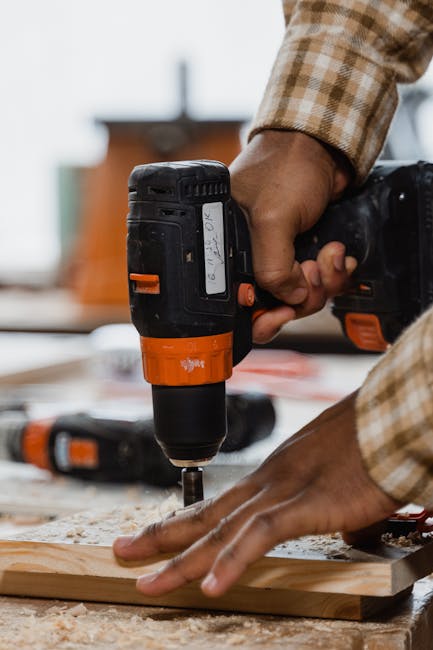
Each power tool has a specific purpose. Drills make holes. Saws cut materials. Sanders smooth surfaces. Understanding these functions is vital. You can match tools to tasks. This prevents misuse and damage.
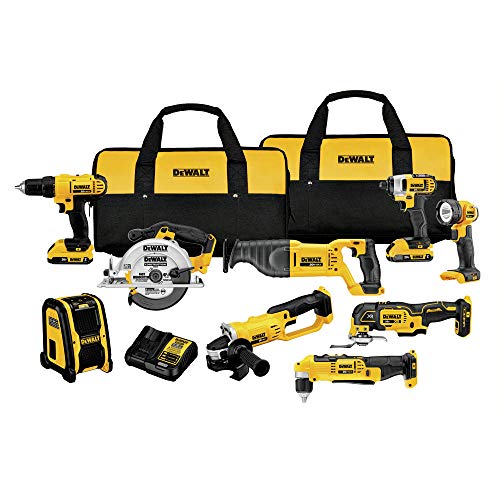
Some tools have multiple functions. A multi-tool can cut, sand, and grind. Learn about these versatile options. They might suit your project needs better. Always read the tool's manual. It provides detailed instructions and safety tips.
Assessing Project Needs
Consider the material you are working with. Wood, metal, and concrete need different tools. A hammer drill is great for concrete. A jigsaw suits intricate wood cuts. Knowing your material helps in tool selection.
Project size and scope also matter. Smaller projects might need basic tools. Larger tasks could require more powerful options. Think about your skill level too. Beginners should start with user-friendly tools. Advanced users can handle complex machines.
Budget plays a role as well. High-quality tools offer durability but can be expensive. Look for deals on reliable brands. Renting might be an option for one-time projects.
Safety Gear Essentials
Using power tools offers great benefits. Yet, safety should always come first. Wearing the right safety gear can prevent injuries. It also ensures a smooth working experience. Knowing what to wear is crucial. Let's delve into the essentials.
Eye Protection
Your eyes are precious. Protect them while using power tools. Flying debris or dust can cause injuries. Safety glasses or goggles shield your eyes. They provide a barrier against particles. Choose ones that fit well and offer clear vision. Look for anti-fog and scratch-resistant features.
Hearing Protection
Power tools can be loud. Prolonged exposure can harm your hearing. Earplugs or earmuffs can help. They reduce noise levels significantly. Choose comfortable options for longer use. Ensure they fit snugly. This prevents unwanted noise from seeping in.
Hand And Body Safety
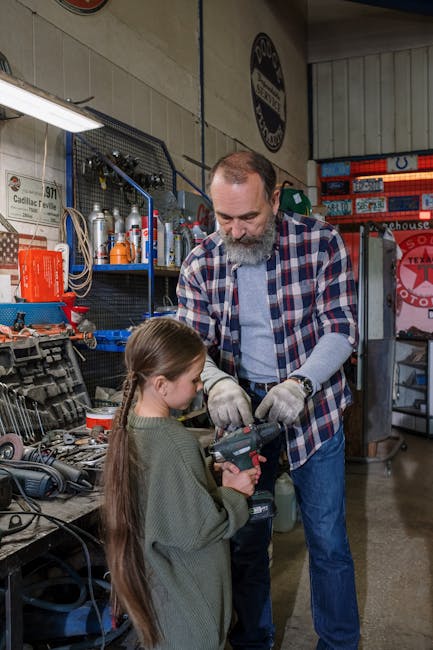
Your hands are close to the action. Protect them with gloves. Gloves offer grip and prevent cuts. Select ones that are durable yet flexible. Your body also needs protection. Wear long sleeves and sturdy pants. This prevents cuts and abrasions. Steel-toed boots protect your feet. They guard against heavy falling objects.
Workspace Preparation
Proper workspace preparation is key to safely using power tools. Keep your area clean and organized. Avoid clutter for easy movement. Always double-check tool settings before starting. Do not ignore safety gear. Use gloves, goggles, and ear protection. Avoid rushing; take your time for accuracy.
Preparing your workspace properly is crucial when using power tools. A well-organized and adequately lit area can significantly enhance your safety and efficiency. It’s not just about avoiding accidents; it’s about creating an environment where you can focus on the task at hand without distractions. Imagine the frustration of searching for a screwdriver while your drill is still running. A little preparation can save you time and energy. Let’s dive into some practical tips for setting up your workspace.
Organizing The Area
Begin by assessing the space you have. Clear any clutter that could obstruct your movement. A tidy area isn’t just aesthetically pleasing; it prevents tripping hazards and accidental tool damage. Arrange tools in a logical sequence. Place frequently used items within easy reach. Store less commonly used tools further away. This layout not only saves time but reduces the risk of mishaps due to hurried movements. Consider using pegboards or shelves to keep tools visible and accessible. Label storage areas clearly. It’s surprising how much time you can save by simply knowing exactly where everything is.
Ensuring Adequate Lighting
Good lighting is often overlooked but is vital for safety and precision. Poor lighting can lead to mistakes and accidents. Make sure your workspace is well-lit, especially areas where detailed work is performed. Natural light is ideal, but if that’s not available, invest in quality artificial lighting. LED lights are a great choice. They are energy-efficient and provide bright, consistent illumination. Test your lighting by performing a simple task. If you notice shadows or struggle to see small details, adjust your lighting setup. Sometimes, repositioning a lamp can make all the difference. Have you ever tried to cut wood with only a dim bulb overhead? It's frustrating and dangerous. Proper lighting makes tasks smoother and safer. Your eyes—and your project—will thank you.
Proper Tool Handling
Using power tools safely is crucial. Wear protective gear to prevent injuries. Never rush or use damaged tools. Keep your workspace tidy to avoid accidents. Always follow the manufacturer's instructions for safe operation.
Proper tool handling is essential for safety and efficiency when using power tools. Whether you're a seasoned DIY enthusiast or a beginner, mastering the right techniques can make a significant difference. By paying attention to how you handle your tools, you can prevent accidents and achieve better results in your projects.
Maintaining Grip
A strong grip is crucial when working with power tools. Always ensure that your hands are dry and free from grease to avoid slipping. Consider wearing gloves designed for tool use, as they can enhance your grip without compromising your dexterity. Consider the experience of accidentally dropping a power drill. It can cause damage to your workpiece or even injure someone nearby. To prevent this, always double-check your grip before you start working. Remember to hold the tool with both hands whenever possible. This not only improves control but also reduces fatigue. A firm, two-handed grip can be the difference between a clean cut and a costly mistake.
Avoiding Awkward Positions
Avoid placing your body in awkward positions that can lead to strain or injury. Make sure your workspace is organized and clutter-free, allowing you to move freely. If you find yourself stretching or twisting excessively, adjust your stance or reposition the workpiece. Think back to times when you've had to contort your body just to make a simple cut. Not only is this uncomfortable, but it also increases the risk of losing control of the tool. Always prioritize your comfort and safety by maintaining a stable, balanced posture. Consider the height of your workspace too. Working at the right height can prevent back strain and improve precision. If you're frequently bending over, it might be time to adjust your workbench or invest in a comfortable stool. Are you guilty of neglecting proper tool handling? If so, you might be putting yourself at risk. By focusing on maintaining a good grip and avoiding awkward positions, you can enhance your safety and efficiency in your DIY projects.
Power Tool Maintenance
Proper care ensures power tools last longer. Always clean tools after use; avoid exposure to moisture. Tighten screws and replace worn parts promptly to prevent accidents and maintain efficiency.
Maintaining your power tools is crucial for their longevity and effectiveness. Neglecting simple upkeep can lead to costly repairs and safety hazards. By taking small, consistent steps, you ensure that your tools are always in top shape.
Regular Cleaning
Dust and debris can quickly accumulate in power tools, affecting their performance. After each use, wipe down your tools with a damp cloth. This simple action prevents buildup and keeps them functioning smoothly. Consider using compressed air for tricky areas that collect grime. Have you ever noticed how a bit of dirt can make your drill feel sluggish? Regular cleaning prevents that. Set a reminder to do a thorough clean every month. This routine helps catch any hidden dirt that might have been missed during daily use.
Checking For Damages
Regular inspections are key to identifying potential issues before they become major problems. Look for cracks, rust, or loose screws. A small crack today could mean a broken tool tomorrow. Pay special attention to cords and plugs. Frayed wires are not only dangerous but can also lead to tool malfunction. Make it a habit to check your tools before starting any project. This practice not only ensures safety but also boosts your confidence knowing your equipment is reliable. You might think your tools are fine, but have you really inspected them closely? By doing so, you safeguard both your projects and your safety.
Common Mistakes To Avoid
Using power tools requires care and attention. Always wear safety gear and read instructions before use. Avoid distractions and never rush the job to ensure safety.
Using power tools can be a game-changer for DIY enthusiasts and professionals alike. However, there are common pitfalls that can turn a simple task into a risky endeavor. By understanding these mistakes and how to avoid them, you can ensure both your safety and the longevity of your tools. Let’s dive into the most frequent errors and how to steer clear of them.
Ignoring Manufacturer Instructions
Many people overlook the importance of reading the manufacturer's instructions. This is like trying to solve a puzzle without the picture on the box. Instructions contain crucial information specific to your tool, such as assembly, operation, and maintenance details. Ignoring these guidelines can lead to improper use or even damage your tool. A friend once skipped the manual for his new drill, only to find out he was using the wrong bit type for his project. The result? A broken drill bit and a damaged project surface. Always take a few minutes to read the instructions. It can save you time and money in the long run.
Skipping Safety Checks
Safety checks are often seen as tedious, but they are vital. Think of them as a pre-flight check for your tools. They ensure everything is in working order before you start. Some skip this step due to overconfidence or time constraints. However, a loose screw or a frayed wire can quickly escalate into a hazardous situation. I once forgot to check the cord of my circular saw, and halfway through a cut, it sparked due to a hidden tear. That was a close call that taught me the value of a quick inspection. Always inspect your tools before use. Check for any visible damage, ensure guards are in place, and test safety features. It’s a small step that can prevent major accidents. Taking the time to follow these guidelines can enhance your efficiency and safety. What changes will you make the next time you use your power tools?
Emergency Procedures
Using power tools safely requires knowing what to do in emergencies. Accidents happen quickly, even with the best precautions. It's crucial to stay calm and act effectively. Understanding emergency procedures can reduce harm and save lives. This section covers essential steps to handle emergency situations with power tools.
First Aid Readiness
Always keep a first aid kit nearby. Make sure it's well-stocked with essentials. Bandages, antiseptic wipes, and gauze pads are necessary. Familiarize yourself with basic first aid techniques. Learn how to treat cuts, burns, and electrical shocks. Quick and proper response can prevent further injury. Consider taking a first aid course for more confidence.
Contacting Professionals
Some injuries require professional help immediately. Know emergency numbers and have them accessible. If an injury seems severe, call emergency services at once. Describe the situation clearly to the operator. Provide your exact location and the nature of the injury. This information helps responders arrive prepared. Don't hesitate to seek medical help if unsure.
Frequently Asked Questions
How Can I Safely Use Power Tools?
Always wear protective gear, read the manual, and ensure your workspace is clean. Keep tools in good condition and use the correct accessory for each task. Avoid distractions and never bypass safety features. Proper planning and preparation enhance safety and efficiency.
What Should I Avoid When Using Power Tools?
Never use damaged tools or operate them under the influence. Avoid wearing loose clothing or jewelry. Don't rush tasks or neglect safety procedures. Keep children and pets away from your work area to prevent accidents. Always prioritize safety over speed.
Are Power Tools Suitable For All Projects?
Power tools are ideal for many projects, but not all. Assess your task's requirements carefully. For delicate or intricate tasks, hand tools might be better suited. Always choose the right tool for the job to ensure precision and safety.
How Do I Maintain My Power Tools?
Regularly clean and inspect your tools for wear and damage. Lubricate moving parts and replace worn components promptly. Store tools in a dry, cool place to prevent rust. Proper maintenance prolongs tool life and enhances performance.
Conclusion
Using power tools safely ensures a smooth and efficient project. Always remember the key safety tips. Wear protective gear and read manuals thoroughly. Avoid distractions and stay focused on the task. Regularly inspect tools for any issues. Proper handling prevents accidents and prolongs tool life.
Share these tips with friends and family. Encourage safe practices in every project. Safety first, and your projects will succeed. Keep learning and improving your skills. Stay safe and enjoy your DIY activities.