Imagine being free from tangled cords and limited mobility while working on your DIY projects or professional tasks. Cordless power tools have revolutionized the way you handle everything from home repairs to construction jobs.
But have you ever wondered how these powerful tools operate without being plugged into an outlet? You'll discover the secrets behind the technology that keeps your cordless power tools running smoothly. By understanding how they are powered, you'll not only appreciate the convenience they offer but also make more informed choices when investing in your next tool.
Prepare to be intrigued and empowered as we unveil the fascinating mechanics that fuel your cordless power tools. Keep reading to unlock the knowledge that will transform the way you view your toolkit.
Types Of Batteries
Choosing the right battery for your cordless power tools can make a big difference in your projects. Different types of batteries offer varied benefits and drawbacks. Understanding these options helps you make informed decisions, ensuring your tools are always ready when you need them. Let’s dive into the specifics.
Nickel-cadmium (nicd)
Nickel-Cadmium batteries are often seen as the veterans of the cordless tool world. They have been around for a long time and are known for their durability. You might find them in older tools and appreciate their ability to withstand tough conditions.
However, they are not without their flaws. NiCd batteries can suffer from what's called the "memory effect." This means they lose their capacity if not fully discharged before recharging. If you've ever noticed your battery dying sooner than expected, this could be why.
Despite this, NiCd batteries are still favored for their affordability and reliability. If you're just starting with cordless tools, they might be a budget-friendly option. But remember, their environmental impact is a downside due to the toxic cadmium they contain.
Nickel-metal Hydride (nimh)
Nickel-Metal Hydride batteries are like the improved version of NiCd. They offer a better energy capacity and are more environmentally friendly. If you’ve been frustrated by short battery life in the past, NiMH might be a refreshing change.
These batteries also sidestep the "memory effect," giving you more flexibility with charging cycles. You can recharge whenever it’s convenient without worrying about damaging the battery.
However, NiMH batteries have a higher self-discharge rate, meaning they lose power even when not in use. If your tools often sit idle, you may find yourself recharging them more often than you'd like.
Lithium-ion (li-ion)
Lithium-Ion batteries are the modern choice, offering the highest energy density. They are lightweight, making your tools easier to handle. If you've ever struggled with a heavy drill, Li-ion batteries are a game-changer.
They also feature no "memory effect" and low self-discharge rates, ensuring your tools stay charged longer when not in use. Their efficiency means longer working hours and less downtime.
However, Li-ion batteries come with a higher price tag. Consider whether the added cost is worth the benefits they provide. For many, the convenience and power balance make them the top choice despite the cost.
Which battery type suits you best? Consider your usage patterns, environmental concerns, and budget. Making the right choice can enhance your tool performance and streamline your projects.
Battery Capacity
Understanding battery capacity is crucial for cordless power tools. It determines how long your tool will run before needing a recharge. The right battery capacity can enhance efficiency and productivity. Two key components to consider are Amp Hours and Voltage Levels.
Amp Hours (ah)
Amp Hours measure the battery's energy storage capability. A higher Ah rating means longer run times. For example, a battery with 4 Ah will last longer than one with 2 Ah. It affects how long you can work without interruptions. Choosing the right Ah is important based on your project's needs.
Voltage Levels
Voltage Levels indicate the power output of the battery. Higher voltage usually means greater power for tough tasks. Common voltage levels for cordless tools range from 12V to 20V. Higher voltage batteries can handle demanding applications. Consider voltage levels to match the power requirements of your tools.
Battery Life Factors
Understanding the battery life of cordless power tools can transform how you approach DIY projects. Knowing what affects your battery can save you from unexpected interruptions. With the right insights, you can optimize your tool's performance and longevity.
Charging Cycles
Every battery has a limited number of charging cycles. The more you charge and discharge your battery, the quicker it wears out. Consider how often you charge your tools. Are you topping them up before they hit low battery levels? It's better to let them drain before recharging. This practice can extend your battery's life.
Usage Patterns
Think about how you use your power tools. Are you using them constantly or sporadically? Continuous use can drain batteries faster, while occasional use might prolong their life. Reflect on your project timelines. Can you stagger usage to allow batteries to rest? Small tweaks in your work routine can make a big difference.
Environmental Impact
The environment plays a crucial role in battery longevity. Extreme temperatures, whether hot or cold, can degrade battery performance. Are you storing your tools in a climate-controlled space? Consider the ambient conditions in your storage area. Protecting your batteries from harsh climates can preserve their efficacy.
Have you ever had a battery unexpectedly die halfway through a job? By understanding these factors, you can avoid such hiccups. Your projects deserve uninterrupted power, and knowing your battery's needs can ensure that.
Charging Technology
Cordless power tools rely on advanced charging technology. This technology ensures consistent performance. It also extends battery life. Understanding this technology helps users make informed choices.
Fast Charging
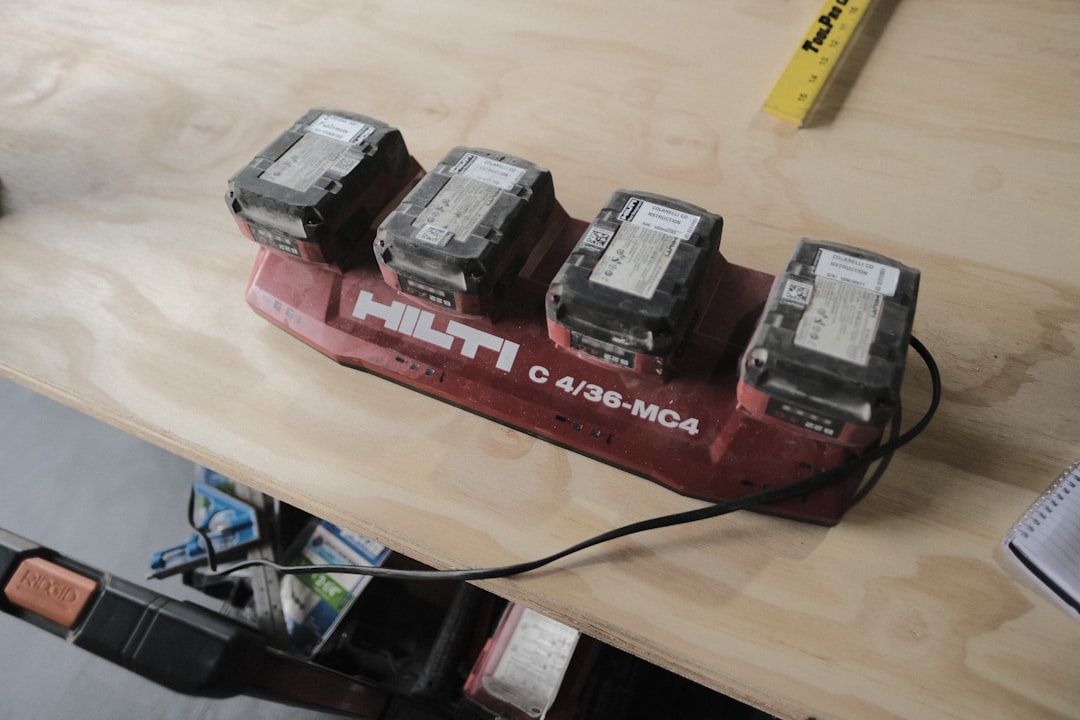
Fast charging is a significant advancement. It reduces downtime significantly. Users can quickly recharge their tools. This feature is crucial for professionals. Waiting time is minimized, increasing productivity. Fast charging is popular in modern tools.
Smart Chargers
Smart chargers enhance charging efficiency. They adjust power based on battery needs. This prevents overcharging. It ensures batteries last longer. Smart chargers also improve safety. They monitor temperature and voltage. This protects the battery from damage.
Battery Maintenance
Cordless power tools operate using rechargeable batteries, offering flexibility and ease of use. These tools rely on lithium-ion or nickel-cadmium batteries, known for their longevity and efficiency. Regular maintenance ensures optimal performance, extending battery life and preventing issues during critical tasks.
Battery maintenance is crucial for ensuring the longevity and efficiency of your cordless power tools. Without proper care, your batteries can lose their charge quickly, leaving you frustrated during a project. Think of battery maintenance as an investment in your tools' performance and lifespan.
Proper Storage
Storing your batteries correctly can significantly extend their life. Always keep them in a cool, dry place to prevent overheating and moisture damage. Avoid leaving batteries in your tools when not in use. It’s easy to forget, but removing them helps protect both the battery and the tool.
Regular Testing
Testing your batteries regularly helps you track their condition and capacity. Use a multimeter to check the voltage and ensure it's holding charge as expected. Set a monthly reminder to test your batteries. This simple routine can save you from unexpected downtime during critical projects. Battery maintenance might seem like a chore, but it's simpler than you think. Have you ever been in the middle of a project and had a battery die on you? By adopting these practices, you can avoid that frustration and keep your cordless power tools in top shape. What steps will you take today to ensure your batteries are ready for the next big task?
Safety Considerations
Safety is a crucial aspect of using cordless power tools. Understanding the risks and management techniques ensures a safe working environment. Proper handling and awareness can prevent accidents and prolong the tool's lifespan.
Overcharging Risks
Overcharging can damage battery cells. It leads to reduced battery life and efficiency. Many cordless tools have built-in protections. These systems prevent overcharging by stopping power input. Always check for these features when buying a tool.
Using the right charger is essential. Incorrect chargers can lead to overcharging. It’s advisable to use the manufacturer's charger. This ensures compatibility and safety. Store batteries in a cool, dry place. This reduces the risk of overcharging when not in use.
Heat Management
Heat affects battery performance significantly. High temperatures can degrade battery cells. This leads to reduced power and efficiency. Tools often have ventilation systems. These systems help manage heat during use.
Avoid using tools in direct sunlight. This prevents excess heat build-up. Use fans or coolers in hot environments. They help maintain optimal battery temperature. Check the tool for heat signs regularly. If it feels hot, pause and let it cool down.
Proper heat management increases tool longevity. It ensures safe operation and optimal performance. Regular maintenance and checks are vital. They help identify potential heat issues early.
Future Of Power Tool Batteries
The future of power tool batteries is an exciting topic. Cordless power tools have transformed how we work. They offer flexibility and ease of use. But how do they stay powered? The answer lies in battery technology. Innovations are paving the way for better performance and sustainability. This is changing the landscape of power tools. Let's explore how these advancements are shaping the future.
Advancements In Battery Technology
Battery technology is evolving rapidly. Lithium-ion batteries are leading the charge. They provide longer life and faster charging. This means more efficient power tools. Engineers are working on solid-state batteries too. These promise even greater energy density. The goal is smaller, lighter batteries with more power. Improved safety features are also a focus. This enhances user experience and trust in cordless tools.
Sustainability Trends
Sustainability is a growing concern. Eco-friendly batteries are becoming popular. Manufacturers are reducing harmful substances in batteries. Recycling programs are expanding. This helps minimize environmental impact. Energy-efficient designs are on the rise. They ensure that tools use less power while delivering high performance. Green technology is appealing to environmentally conscious users. It is a key trend in shaping the future of power tool batteries.
Frequently Asked Questions
How Do Cordless Power Tools Work?
Cordless power tools operate using rechargeable batteries. These batteries store electrical energy, allowing tools to function without direct power sources. The stored energy powers the tool's motor, providing mobility and convenience. With no cords, users enjoy freedom of movement, making them ideal for various tasks in different locations.
What Types Of Batteries Power Cordless Tools?
Cordless tools typically use lithium-ion or nickel-cadmium batteries. Lithium-ion batteries are popular due to their lightweight nature and long-lasting charge. Nickel-cadmium batteries, though older, are reliable and robust. Both types are rechargeable, ensuring tools remain ready for use. Choosing the right battery enhances tool performance and efficiency.
How Long Do Cordless Tool Batteries Last?
Battery life varies by type and usage. Lithium-ion batteries generally last longer, offering more charge cycles. On average, they last between 2 to 3 years. Usage habits, charging frequency, and storage conditions also impact longevity. Proper care extends battery life, ensuring tools remain effective and ready for tasks.
Can Cordless Tools Match Corded Power?
Cordless tools have advanced significantly, often matching corded power in performance. Modern batteries provide ample power for most tasks. While corded tools may offer continuous power, cordless options deliver convenience and mobility. For heavy-duty tasks, ensure your cordless tool has a robust battery and motor.
Conclusion
Cordless power tools rely on batteries for their energy. These batteries come in various types, offering different benefits. Lithium-ion batteries are popular for their lightweight and long-lasting charge. Nickel-cadmium batteries are cost-effective but heavier. Battery capacity and voltage influence tool performance and battery life.
Regular maintenance ensures optimal function. Selecting the right battery depends on tool usage and personal needs. Understanding battery types helps make informed choices. This knowledge enhances efficiency and tool longevity. Choose wisely to maximize your cordless tool experience. Stay informed and enjoy seamless power tool use.