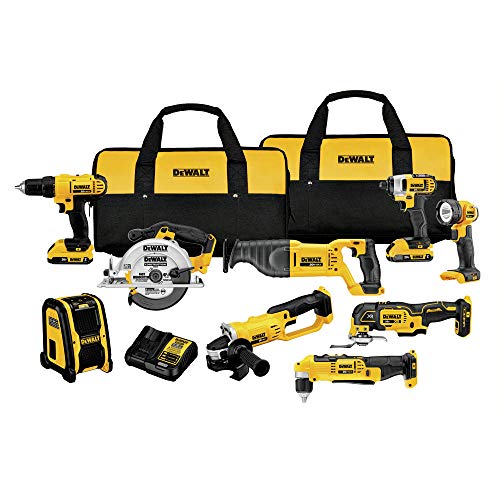

Ever tried using a tool and felt something was just off? If you're left-handed, you're not imagining things.
Tools designed for right-handed users can feel awkward and inefficient in your hands. But why is that? How are left-handed tools different, and do they really make a difference in your daily tasks? By understanding these differences, you can make smarter choices and improve your productivity and comfort.
Stick around to uncover the secrets behind left-handed tools, and find out how they can make your life a whole lot easier.
Design Variations
Left-handed tools are crafted with unique design variations. These variations cater to the needs of left-handed individuals. This ensures they perform tasks comfortably and efficiently. Understanding the distinct features of these tools can enhance your experience. Let's explore the design variations that set them apart.
Ergonomics And Comfort
Left-handed tools prioritize ergonomics and comfort. Their handles fit naturally in a left hand. This design reduces strain and fatigue. The weight distribution often differs from standard tools. It ensures a balanced feel during use. These features help in preventing injuries over time. Left-handed users find these tools more intuitive.
Mirror Image Design
Many left-handed tools use a mirror image design. This means the tool is a reflection of its right-handed counterpart. It allows lefties to work with ease. Scissors are a common example of this design. The blades are reversed to suit left-handed cutting motions. These tools make tasks more accessible and efficient. They eliminate awkward hand positions.
Performance Benefits
Left-handed tools offer distinct performance benefits for those who use them. These tools cater specifically to the needs of left-handed individuals. This results in improved efficiency and comfort. Properly designed tools can make a big difference in daily tasks. Let's explore the performance benefits.
Enhanced Precision
Left-handed tools enhance precision by aligning with the user's natural hand movement. This alignment allows for smoother operation and better control. Tasks become less frustrating and more accurate. Whether cutting or measuring, precision improves significantly. Left-handed individuals experience fewer slips and errors. This leads to cleaner, more precise work.
Reduced Strain
Using right-handed tools can cause discomfort for left-handers. Left-handed tools reduce strain by fitting the user's hand better. This ergonomic fit minimizes awkward wrist positions. It helps prevent muscle fatigue and injury. Less strain means longer work sessions without discomfort. Comfort leads to better productivity and satisfaction. Left-handed tools promote healthier hand movements. They provide a more natural and relaxing grip.
Common Left-handed Tools
Left-handed people often face challenges with tools designed for right-handed users. Common left-handed tools address these issues, making tasks easier and more comfortable. This section explores some of the most popular left-handed tools available today.
Scissors And Shears
Left-handed scissors have reversed blades. This design allows left-handed users to see their cutting line clearly. The handle is shaped for the left hand, providing better grip and control. Shears for lefties follow the same principle, offering precision in tasks.
Kitchen Utensils
Cooking can be tricky with right-handed utensils. Left-handed kitchen tools, like peelers and can openers, make cooking easier. These tools are designed to fit the natural movement of the left hand. This helps prevent awkward handling and enhances efficiency.
Writing Instruments
Left-handed pens and pencils often have quick-drying ink. This reduces smudging while writing. Some pens feature an ergonomic design. This ensures comfort and ease for left-handed writers. These instruments help improve handwriting quality.
Challenges In Availability
Left handed tools cater specifically to the needs of left-handed users, offering enhanced comfort and efficiency. They face challenges in availability due to limited production and higher demand. This can make them harder to find in stores, posing difficulties for left-handed individuals seeking the right tools.
Left-handed tools are a game changer for left-handed people, making tasks easier and more efficient. However, getting your hands on these tools can be a challenge. The availability of left-handed tools is often limited, which can be frustrating for those who need them. Let’s explore why these tools can be hard to find.
Market Demand
The demand for left-handed tools is not as high as for right-handed ones. This is because left-handed people make up a smaller percentage of the population. As a result, many manufacturers prioritize right-handed tools. Why should a company produce a tool that might not sell well? This market reality impacts the variety and availability of left-handed options. But does this mean left-handed users should compromise their comfort and efficiency? Absolutely not.
Cost Considerations
Producing left-handed tools often involves extra costs. Manufacturers might need to reconfigure production lines or source different materials. This can make left-handed tools more expensive to produce. These costs are sometimes passed on to you, the consumer. You might find yourself paying more for a left-handed tool than a right-handed one. Is it fair? Maybe not, but it's a reality many left-handed people face. You might have experienced the frustration of not finding a left-handed tool in your local store. Or perhaps you've noticed the limited selection online. This scarcity can make everyday tasks more challenging for left-handed individuals. Have you ever considered the impact of this availability issue on your daily life? Next time you pick up a tool, think about how its design affects your comfort and efficiency.
Impact On Left-handed Users
Left-handed users often face challenges with standard tools. Most tools are designed for right-handed people. This creates hurdles for lefties in daily tasks. Specialized left-handed tools offer solutions. They enhance comfort and efficiency.
Daily Convenience
Left-handed tools can make daily chores easier. They fit naturally in a leftie's hand. Scissors, for example, have reversed blades. This prevents awkward hand positions. The same applies to can openers and notebooks. They reduce strain and discomfort. This improves the user's experience.
Professional Efficiency
Professionals benefit from left-handed tools. Chefs need left-handed knives for precision. Artists use special brushes for better control. Carpenters rely on left-handed saws for accuracy. These tools boost productivity. They allow lefties to work more comfortably. This enhances their performance.
Tips For Choosing Left-handed Tools
Choosing the right tools can be tricky for left-handed individuals. Standard tools often don't fit comfortably or work effectively. That's why left-handed tools are essential. They are designed to fit the natural grip and movement of left-handed users. This section will guide you on how to choose the best left-handed tools for your needs.
Assessing Quality
Start by checking the material quality. Durable materials ensure the tools last longer. Look for tools made of stainless steel or high-grade plastic. Inspect the tool's grip. It should be comfortable and non-slip. Test the tool's function. Make sure it performs smoothly without resistance.
Understanding Personal Needs
Consider what tools you use most. Prioritize those for left-handed versions. Think about the tool's weight. It should feel balanced in your hand. Reflect on your hand size. Some tools come in different sizes for a better fit. Evaluate your specific tasks. Different tasks might need specialized left-handed tools.
Frequently Asked Questions
What Makes Left Handed Tools Unique?
Left handed tools are designed for left-handed users. They feature ergonomics that suit the left hand's natural grip. This reduces strain and increases efficiency. For instance, scissors have reversed blades for smoother cutting. These tools enhance comfort and precision, catering specifically to left-handed needs.
Are Left Handed Tools More Expensive?
Left handed tools can be slightly more expensive. This is due to their specialized design and limited production. Manufacturers produce fewer units, which can increase costs. However, the price difference is generally minimal. Investing in these tools is worthwhile for the comfort they provide.
Can Right-handed People Use Left Handed Tools?
Right-handed people may find left handed tools challenging to use. These tools are optimized for left-handed ergonomics, making them less intuitive for right-handed users. They might experience discomfort or decreased efficiency. However, with practice, right-handed users can adapt to some left-handed tools.
Do Left Handed Tools Improve Performance?
Left handed tools significantly improve performance for left-handed users. They align better with the natural hand movement, reducing strain. This leads to more precise and comfortable usage. Tasks become easier and quicker, enhancing productivity and overall experience. Left-handed individuals often find these tools indispensable.
Conclusion
Left-handed tools offer unique benefits for left-handed users. They improve comfort and ease in everyday tasks. Design differences cater specifically to left-handed needs. This reduces strain and enhances productivity. Using the right tool for your dominant hand is crucial. It makes activities more efficient and enjoyable.
Left-handed tools vary in function and design. They provide a tailored experience for users. Consider trying these tools for better results. They might change your daily routine. Explore options and find what suits you best. Investing in left-handed tools can improve your work quality.
Choose wisely and enhance your experience.