Have you ever wondered how investigators solve crimes by examining the smallest details? Tool mark impressions can be the unsung heroes in crime scene investigations.
These tiny clues can unlock big mysteries. You're about to discover how experts meticulously collect these impressions to help solve cases. Imagine holding the key to understanding a crime scene, where every mark tells a story. This process is both fascinating and essential.
It ensures that every piece of evidence is captured accurately. As you delve into this article, you'll uncover the secrets of how tool mark impressions are collected. You’ll gain insights into the methods that could one day help bring justice to a case. Curious about how this works? Keep reading to find out!
Tool Mark Impressions Basics
Tool mark impressions are crucial in forensic investigations. They help identify tools used in crimes. These marks are unique to each tool. Recognizing them can solve cases and provide solid evidence. Understanding tool marks involves knowing their types and sources.
Types Of Tool Marks
Tool marks can be classified into two main types. Indented tool marks occur when a tool is pressed into a surface. This leaves a distinct impression. Striated tool marks happen when tools slide over surfaces. They leave parallel lines or grooves. Both types provide valuable clues.
Common Sources Of Tool Marks
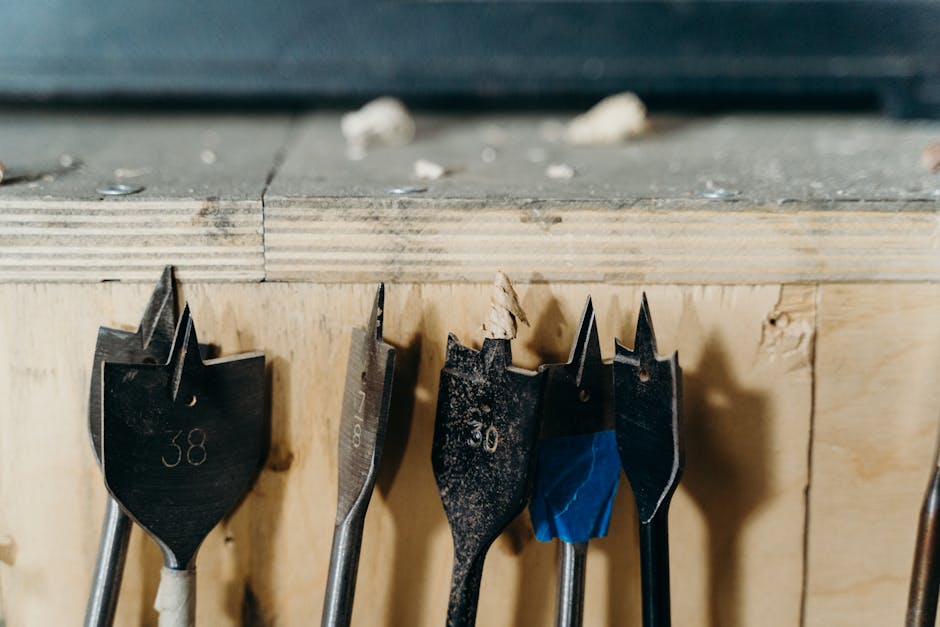
Many objects can create tool marks. Screwdrivers, pliers, and hammers are frequent culprits. These tools leave unique impressions. Locks and doors often bear tool marks after forced entry. Examining these marks can link tools to crime scenes. This process is vital in forensic analysis.
Preparation For Collection
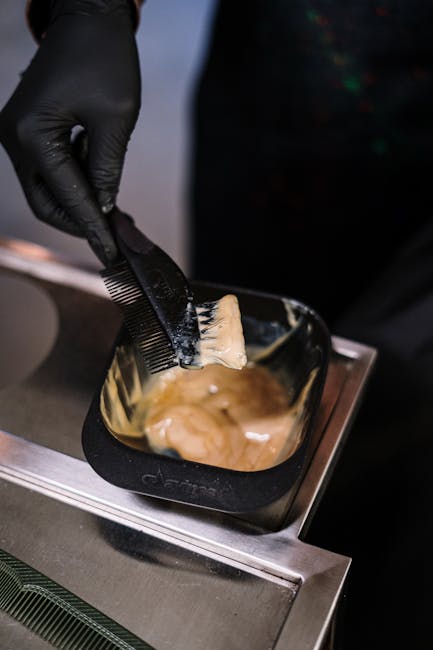
Tool mark impressions are collected using casts, which capture the details of the marks. Experts use silicone or rubber materials to create these casts. Proper lighting and angles ensure accurate replicas of the impressions for further analysis.
Preparing to collect tool mark impressions is a crucial step in forensic investigations. This stage sets the groundwork for ensuring accurate and reliable evidence collection. Proper preparation can make the difference between a successful case outcome and an inconclusive one. Let's explore the key components involved in the preparation for collecting tool mark impressions.
Safety Precautions
Safety should always be your top priority. Handling tools and equipment in a crime scene can pose risks. Ensure you wear personal protective equipment (PPE) such as gloves, goggles, and masks. These not only protect you but also prevent contamination of the evidence. Consider the environment in which you are working. Is it well-ventilated? Are there any hazardous materials present? Evaluating the scene's safety will guide your approach to collecting tool mark impressions effectively.
Necessary Equipment
Having the right equipment on hand is essential for precise collection. Start with a good quality camera to document the scene and the tool marks in detail. Photographs provide a visual record that is invaluable in investigations. You'll need casting materials like silicone rubber or dental stone to create replicas of the tool marks. These casts allow for analysis without damaging the original evidence. A flashlight or portable light source can help illuminate marks in dimly lit areas. A notebook and pen are crucial for jotting down observations. Never rely solely on memory for details that could be pivotal in a courtroom setting. Always double-check your equipment before heading to the scene—missing tools can delay or compromise your work. Have you ever found yourself at a scene, only to realize you forgot a key piece of equipment? It's a mistake you don't want to repeat. Being prepared means being thorough—each step you take is a step closer to solving the mystery.
Collection Methods
Tool mark impressions play a critical role in forensic investigations. Capturing these impressions accurately is vital for analysis. Various methods help in collecting these marks for examination. Each method offers unique advantages and suits different scenarios. Let's explore these collection techniques.
Casting Techniques
Casting involves creating a replica of the tool mark. Experts use materials like dental stone or silicone rubber. These materials are flexible and provide detailed impressions. Casting captures fine details of the tool mark. It is a reliable method for three-dimensional marks. The process requires careful application and setting time. Once set, the cast can be analyzed in labs.
Photographic Documentation
Photography is a non-invasive way to document tool marks. High-resolution cameras capture detailed images. Lighting and angles are crucial for clarity. Proper scale must be included in the images. Photographs provide a quick and accessible record. They are useful for preliminary analysis. Digital images can be enhanced for better visibility.
Digital Scanning
Digital scanning is a modern method for tool mark collection. It uses laser or structured light scanners. This method captures three-dimensional data of the impression. Scanners create accurate digital models of tool marks. These models can be analyzed and compared easily. Digital files are easy to store and share. This technique reduces physical handling of evidence.
Analyzing Tool Marks
Tool mark impressions are collected by photographing the mark and making a cast with silicone rubber. Experts then compare these casts to suspect tools to find a match. This process helps in identifying the tool used in a crime.
Analyzing tool marks is a fascinating process that combines meticulous examination and comparative analysis to reveal the hidden story behind each mark. As you delve into this world, you'll discover how every impression is a clue that can unlock secrets about the tools used and the events that transpired. But how do experts bring these marks to light and make sense of them? Let's break it down.
Microscopic Examination
Imagine you're looking at a tool mark under a microscope. This isn't just any microscope—it's a powerful one that can magnify the tiniest details. Experts use such microscopes to examine the fine lines and grooves left by tools. These microscopic features often hold the key to identifying the tool used. By focusing on these details, you can begin to understand the unique characteristics of the tool, like its shape and any wear patterns.
Comparative Analysis
Once the microscopic details are captured, the next step is comparing them with known samples. Experts maintain collections of tool mark samples from various tools to assist with this process. They match the marks against these samples to identify the tool type and possibly even the specific tool. Think of it as matching fingerprints. Each tool leaves a distinct mark, and by comparing these, you can piece together the puzzle of who or what was involved. Engaging in this process might make you wonder: What stories do these marks tell? Are they remnants of a crime, or do they reveal a craftsman's touch? It's this curiosity that drives the science of tool mark analysis, and it's what keeps experts dedicated to uncovering the truth behind every impression.
Challenges In Collection
Tool mark impressions present collection challenges due to their intricate details. Experts use precise methods to capture patterns, often employing casting materials for accuracy. Each impression must be carefully handled to preserve vital evidence, ensuring that all unique characteristics are documented thoroughly.
Collecting tool mark impressions is crucial in forensic investigations, but it's not without its hurdles. The challenges in collection can affect the quality and integrity of the evidence, potentially impacting the outcome of a case. How do you ensure the evidence speaks the truth without being muffled by external influences or mishandling?
Environmental Factors
Environmental conditions can play a significant role in the collection of tool mark impressions. Imagine trying to collect evidence from a crime scene exposed to the elements. Rain can wash away or alter impressions, while extreme temperatures might expand or contract materials, distorting the marks. Humidity is another tricky adversary. It can cause rust or corrosion on metal surfaces, obscuring the details of a tool mark. Have you ever tried to draw on a foggy window? The lines blur and fade quickly—similar to how humidity can affect tool marks.
Preservation Of Evidence
Preserving tool mark impressions is as critical as collecting them. Once you have an impression, how do you ensure it remains unchanged until it reaches the lab? Mishandling during transport can lead to loss of crucial details. Using the right materials for casting tool marks is essential. Plaster, for instance, might be a poor choice for fragile surfaces, as it can damage the impression when removed. You need to choose materials wisely based on the surface and environmental conditions. Handling these challenges requires a keen eye and steady hands. Are you prepared to face these obstacles head-on, ensuring justice through meticulous evidence collection?
Case Studies
Collecting tool mark impressions involves careful examination of surfaces where tools have made contact. Experts use special techniques to capture these unique patterns. This helps in identifying the tools used in various cases.
The future of tool mark collection is bright and full of promise. As technology advances, so do the methods we use to gather critical evidence in forensic investigations. Imagine a world where solving crimes is faster and more accurate thanks to cutting-edge techniques. This is not just a possibility; it's becoming a reality.
Technological Advancements
New technologies are transforming the way tool marks are collected. Digital imaging systems now allow forensic experts to capture and analyze tool marks with incredible detail. These systems can magnify marks and provide 3D views, giving you a clearer understanding of the evidence. Additionally, AI-driven software can compare tool marks against vast databases, speeding up the identification process. This means quicker results and more solved cases.
Improved Techniques
The methods for collecting tool marks are getting better every day. Portable scanning devices are now available, allowing investigators to gather evidence directly at the crime scene without disturbing it. These devices save time and preserve the integrity of the evidence. There's also an increasing use of non-invasive techniques that reduce the risk of damaging delicate marks. Consider how these improvements could impact your work or interest in forensics. As we move forward, ask yourself: How can these advancements impact our approach to solving crimes? The potential is immense, and staying informed is key to unlocking new possibilities in forensic science.
Frequently Asked Questions
What Are Tool Mark Impressions?
Tool mark impressions are unique patterns left by tools on surfaces. These marks are vital in forensic investigations. They help identify the specific tool used in a crime. Each tool mark is unique due to wear and tear. This makes them crucial evidence in criminal cases.
How Are Tool Marks Collected At Crime Scenes?
Tool marks are collected using various methods. Investigators first photograph the marks for documentation. They then make casts using materials like silicone rubber. This ensures detailed reproduction of the impression. Proper lighting is crucial for capturing fine details. All procedures are done with utmost care to preserve evidence.
Why Is Tool Mark Evidence Important?
Tool mark evidence helps link tools to crime scenes. It can identify the specific tool used in a crime. This evidence is crucial in solving crimes and convicting offenders. It provides a direct link between the suspect and the crime.
Accurate collection and analysis enhance its reliability.
What Tools Are Used For Collecting Impressions?
Investigators use several tools to collect impressions. Common tools include casting materials like silicone rubber. Digital cameras are used for documenting marks. Special lighting helps reveal fine details. Precision instruments ensure accurate measurements. These tools help in preserving the integrity of the evidence.
Conclusion
Tool mark impressions are crucial for investigations. Collecting them requires precision. Experts use various methods to gather accurate evidence. Proper documentation ensures reliable results. Understanding these techniques helps in solving cases. Every detail matters in forensic analysis. So, handling impressions correctly is key.
With practice, the process becomes efficient. This guides investigators towards truth. Remember, accuracy leads to justice. By mastering collection skills, experts contribute significantly. Tool marks reveal hidden stories. They are silent witnesses in crime scenes. Their analysis often uncovers crucial clues.
Thus, mastering this skill is essential for forensic success.