Have you ever felt a jolt of worry using your older power tools, knowing they might not be as safe as newer models? If you’ve nodded along, it’s time to take control.
Adding a ground wire to your older power tools can significantly boost their safety. Imagine working with peace of mind, knowing your tools are grounded and secure. This simple upgrade can protect you from electrical hazards and extend the life of your beloved tools.
We'll guide you through the process, making it straightforward and stress-free. Don't let outdated wiring hold you back any longer. Dive into the details, and transform your tool safety effortlessly.
Importance Of Grounding Power Tools
Grounding power tools is crucial for safety and performance. Older tools often lack modern grounding features, increasing risks. Adding a ground wire can make these tools safer and more reliable. This simple upgrade can prevent accidents and ensure smooth operation. Understanding the importance of grounding can save you from electrical hazards.
Safety Benefits
Grounding ensures user safety while using power tools. It directs excess electricity away, preventing shocks. This is vital for tools with metal parts. Proper grounding reduces the risk of electrical burns. A grounded tool is less likely to malfunction. This makes it safer for home and professional use.
Electrical Hazard Prevention
Ungrounded tools can cause severe electrical hazards. They can short-circuit or spark unexpectedly. This poses a danger to both users and surroundings. Grounding prevents these electrical failures. It ensures a safe work environment. Ground wires protect against unexpected power surges.
Assessing Your Power Tools
Old power tools often lack grounding wires. This can pose safety risks. Before adding a ground wire, assess your tools. This helps ensure safety and efficiency. Understanding your tools' condition is crucial. It prevents future complications.
Identifying Ungrounded Tools
Start by identifying ungrounded tools. Check the plug type. Two-prong plugs indicate no grounding. Examine the tool's body for a grounding pin. Look at the manufacturer's label. It might mention if the tool is grounded. This step is essential for safety.
Evaluating Tool Condition
Evaluate the tool's condition next. Inspect for wear and tear. Check for frayed wires or loose connections. Look for any visible damage. A well-maintained tool is safer and more efficient. If a tool is too damaged, consider replacing it. Safety should always be a priority.
Gathering Necessary Equipment
Ensure safety by gathering necessary tools like a multimeter, wire stripper, and grounding wire. These items help add a ground wire to older power tools. Proper equipment ensures efficient and safe installation.
Gathering the necessary equipment is crucial for adding a ground wire to older power tools. Before starting, ensure you have all the required tools and safety gear. Proper preparation will make the process smoother and safer. Let's dive into the essential tools and safety precautions needed.
Essential Tools For Grounding
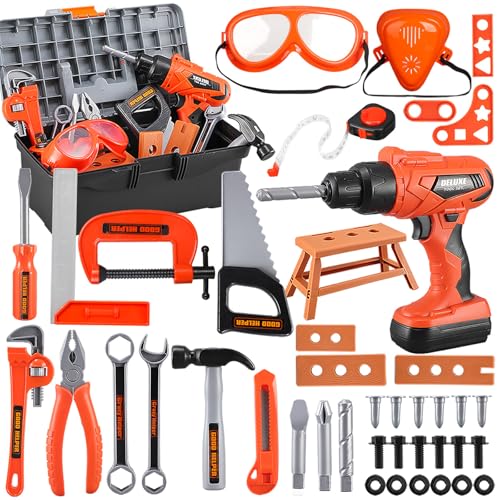
You need a few basic tools to ground your power tool. A screwdriver set is necessary to open the tool's casing. Wire strippers will help remove insulation from the wires. A multimeter ensures proper electrical connectivity. You'll also need a grounding wire, usually green or bare copper. Having pliers on hand can help with bending and twisting wires. Keep these tools within reach for convenience.
Safety Gear And Precautions
Safety should always be your top priority. Wear safety goggles to protect your eyes from dust and debris. Use insulated gloves to prevent electrical shocks. Ensure the tool is unplugged before starting work. Work in a dry environment to avoid electrical hazards. Keep a fire extinguisher nearby as a precaution. Follow these guidelines to ensure a safe working environment.
Step-by-step Ground Wire Installation
Adding a ground wire to older power tools can enhance safety. It helps prevent electrical shocks. This guide walks you through a simple installation process. Follow these steps to safely install a ground wire.
Preparing The Tool
First, unplug the tool from any power source. Ensure it’s not connected to electricity. This prevents accidents during the installation process. Gather your materials: a ground wire, wire strippers, and a screwdriver. Inspect the tool for a metal casing. Ground wires attach best to metal surfaces. If your tool lacks metal parts, consider professional help.
Connecting The Ground Wire
Locate a screw on the metal casing of the tool. This will be your grounding point. Use the screwdriver to loosen the screw slightly. Strip the insulation from the end of the ground wire. Ensure about an inch of bare wire is exposed. Wrap the exposed wire around the loosened screw. Tighten the screw to secure the wire. Make sure the connection is tight and secure.
Securing The Connection
Double-check the wire connection. It should not be loose or frayed. Secure any extra wire using electrical tape. This prevents accidental contact with other parts. Plug the tool back into a power source. Test it to ensure everything works properly. Ensure no sparks or unusual sounds occur. If any issues arise, disconnect immediately and recheck connections.
Testing Ground Wire Effectiveness
Testing the ground wire's effectiveness is crucial for safety. A reliable ground wire prevents electrical hazards. It ensures your power tool operates safely. A faulty ground wire can lead to electric shocks.
To ensure the ground wire works, follow some simple steps. These steps involve using a multimeter. They help you verify if the ground wire is properly connected.
Using A Multimeter
A multimeter measures voltage, resistance, and current. It's essential for testing ground wires. Start by setting the multimeter to the resistance (ohms) setting. Disconnect the tool from any power source. Safety first.
Attach one probe to the ground wire. Connect the other probe to the tool’s metal casing. The multimeter should read close to zero ohms. This reading indicates a good connection. A higher reading means a problem with the ground wire.
Ensuring Safe Operation
Ensuring safe operation requires regular testing. Consistent tests confirm the ground wire remains effective. Inspect the wire visually for any damage. Look for frays or breaks.
Check the tool’s performance regularly. If you notice unusual sparks or shocks, retest the ground wire. An effective ground wire minimizes risks during tool operation.
Regular maintenance keeps your tools safe and functional. Safety should always be a priority.
Common Mistakes To Avoid
Ensuring safety while adding a ground wire to older power tools can prevent accidents. Avoid using incorrect wire sizes and failing to securely attach the wire to metal parts. Skipping these steps can lead to electrical hazards, compromising tool performance and user safety.
Adding a ground wire to older power tools is a crucial step in ensuring safety and functionality. However, there are common mistakes that can lead to inefficiency or even danger. By understanding these pitfalls, you can enhance your DIY skills and make your tools safer. Let's dive into the mistakes you should avoid.
Improper Wire Connections
One common mistake is not connecting wires properly. A loose or incorrect connection can lead to power loss or short circuits. Imagine spending hours on a project only to have your tool malfunction due to a faulty connection. Double-check each connection, ensuring wires are tightly secured and correctly aligned. Always use the right connectors for the type of wire and tool. Did you know that mismatched wire gauges can cause overheating? Ensure you're using wires of the same gauge to prevent this issue.
Neglecting Safety Protocols
Safety is paramount, yet many overlook basic protocols when adding a ground wire. Skipping safety checks can lead to accidents or tool damage. Have you ever started a project without turning off the power? It's a mistake that can have serious consequences. Always disconnect tools from power sources before starting any work. Wear safety gear like gloves and goggles to protect yourself from potential hazards. It's easy to forget to test your tool after modifications. Run your tool briefly to ensure everything works smoothly, maintaining a safe distance during the test. Avoiding these mistakes can make your DIY journey smoother and safer. Have you experienced these challenges before? Share your thoughts and tips for adding ground wires to older tools.
Maintenance Tips For Grounded Tools
Maintaining grounded tools ensures safety and efficiency. Ground wires protect against electrical hazards. Regular maintenance keeps these tools in top condition. Here are some tips to maintain grounded tools effectively.
Regular Inspections
Inspect tools before each use. Check for loose wires. Examine the grounding connection. Look for any signs of damage. Listen for unusual sounds during operation. Ensure all parts are in working order. Regular checks prevent unexpected failures. Use a checklist for thorough inspections.
Addressing Wear And Tear
Tools face wear over time. Replace worn-out parts promptly. Tighten any loose screws or bolts. Look for frayed wires and replace them. Use quality replacement parts for repairs. Clean the tools regularly. Remove dust and debris that can affect performance. Proper care extends the lifespan of your tools.
Frequently Asked Questions
What Is A Ground Wire For Power Tools?
A ground wire helps protect users from electric shock by directing excess electricity safely into the ground. It's essential for older power tools, ensuring safety and compliance with modern electrical standards.
How Do I Identify Ground Wire In Tools?
Identifying a ground wire involves checking the tool's manual or looking for a green or bare wire. These are typically the indicators of a ground connection in electrical devices.
Is It Safe To Add Ground Wire Myself?
Adding a ground wire is safe if you follow proper instructions. Always disconnect power before starting. If unsure, consult an electrician for guidance to ensure safety.
Can Adding Ground Wire Improve Tool Performance?
Adding a ground wire won't improve tool performance, but it enhances safety. It ensures that any electrical faults are safely redirected, reducing the risk of electric shock.
Conclusion
Adding a ground wire to older power tools is crucial. It ensures safety and prevents electrical hazards. Start by checking the tool's manual for guidance. Gather necessary tools like a screwdriver and wire cutter. Identify the ground connection point. Securely attach the ground wire to this spot.
Double-check all connections for stability. Remember, safety first. A grounded tool reduces shock risks. It also extends the tool's lifespan. Regularly inspect the ground wire for wear. Safe practices lead to better, long-lasting tools. Stay informed and always prioritize safety.