Imagine you're ready to tackle your latest DIY project or make quick work of a repair job around the house. You pick up your trusted power tool, eager to get started.
But in the blink of an eye, a simple oversight can turn your excitement into an accident. Power tool mishaps are more common than you might think, and they can lead to serious injuries. That's why understanding how to prevent these accidents is crucial for anyone who uses them.
You want to stay safe while getting the job done, right? This guide will show you how to protect yourself and those around you from harm. We'll explore practical tips, smart habits, and essential precautions that you can adopt today. By the end of this article, you'll feel confident and secure in your ability to handle power tools safely. Don't let a preventable mistake ruin your hard work. Dive in and discover how you can keep accidents at bay and ensure your projects are both successful and safe.
Safety Gear Essentials
Power tools are essential for many tasks, but they can be dangerous. Safety gear is crucial in preventing accidents. Proper gear protects you from debris and loud noises. It also shields you from sharp objects. Let's explore the essentials.
Protective Eyewear
Eyes are vulnerable to flying debris. Safety glasses or goggles are necessary. They shield eyes from dust and particles. Choose eyewear with a snug fit. Ensure it meets safety standards. This prevents injuries and keeps vision clear.
Hearing Protection
Power tools can be loud. Prolonged noise can damage hearing. Earplugs or earmuffs reduce exposure. They prevent hearing loss over time. Use them every time you operate loud tools. Protect your ears from harmful sounds.
Gloves And Clothing
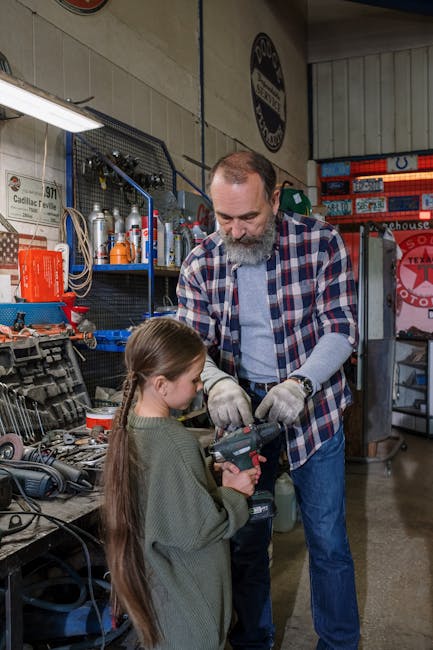
Hands need protection from sharp edges. Gloves provide a barrier against cuts. Choose gloves that fit well. Ensure they are made of durable material. Clothing should be snug. Loose clothes can catch in tools. Wear long sleeves and pants for added safety.
Proper Tool Selection
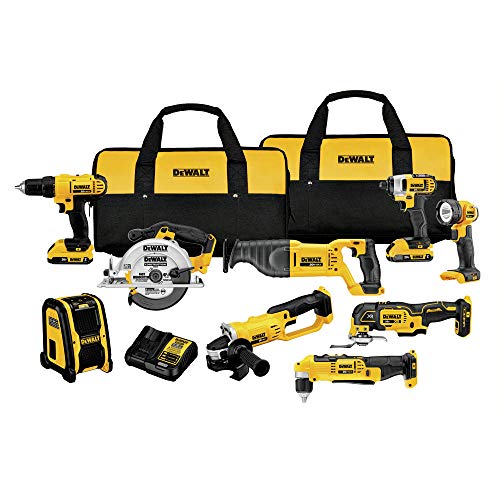
When it comes to preventing power tool accidents, the first line of defense is choosing the right tool for the job. Proper tool selection is not just about convenience; it's about safety. Picking the wrong tool can lead to mishaps that could otherwise be avoided. Have you ever used a drill when a screwdriver would have sufficed? That simple mistake could lead to stripped screws and potential injury. So, how can you ensure you're making the right choice?
Choosing The Right Tool
Start by assessing the task at hand. Every job has its unique requirements, and understanding these is key. For instance, if you're cutting through thick metal, a hacksaw won't do the trick as efficiently or safely as a powered metal cutter. Think of it like choosing shoes for a hike; you wouldn't wear sandals, right? Similarly, selecting the appropriate tool ensures precision and reduces the risk of accidents.
Consider the ergonomics and comfort of the tool. A tool that feels awkward or heavy can lead to fatigue and mishandling. If you're working on a prolonged task, comfort becomes crucial. An uncomfortable tool is not just unpleasant; it's a safety hazard.
Quality And Brand Considerations
Investing in quality tools is a smart move. Not all tools are created equal, and sometimes the brand does matter. High-quality tools often come with safety features that cheaper alternatives might lack. These features can be lifesavers, literally.
Research and reviews are your friends. Use them to gauge the reliability of a brand or tool. A tool with consistent positive feedback is likely to perform safely and efficiently. Think of it as checking the reviews before buying a smartphone; you want to know it won't let you down.
Don't overlook warranties and customer support. Brands that offer extensive warranties are often confident in their product's durability and safety. Having robust customer support means you can get help or replacements if something goes wrong, which is crucial for maintaining safety standards.
Ultimately, selecting the right tool involves balancing task requirements, comfort, quality, and brand reputation. Are you willing to risk using a subpar tool just to save a few bucks? The peace of mind and safety a good tool provides is priceless. Choose wisely, and reduce the risk of accidents in your workspace.
Regular Maintenance
Power tools are essential for many tasks. Without proper care, they can become dangerous. Regular maintenance is vital for safety and performance. It prevents accidents and ensures longevity. Maintenance involves cleaning, lubrication, and inspection. Each step plays a crucial role in keeping tools safe and efficient.
Cleaning And Lubrication
Dust and debris accumulate quickly in power tools. Cleaning removes dirt that might cause malfunctions. Use a brush to clean vents and crevices. Lubrication is equally important. It reduces friction and wear. Apply oil to moving parts regularly. This keeps the tool running smoothly. It also minimizes overheating and damage.
Inspecting For Wear And Tear
Regular inspections detect early signs of wear. Check cords, blades, and handles for damage. Look for cracks, frays, or rust. Replace worn parts immediately. This prevents accidents and tool failure. Inspect safety features like guards and switches. Ensure they function properly. A well-maintained tool is a safe tool.
Workspace Organization
Organizing your workspace can prevent power tool accidents by ensuring tools are stored safely. Keep tools in designated areas and maintain a clean, clutter-free environment. Regularly inspect tools for damage to ensure safe operation.
Organizing your workspace is crucial in preventing power tool accidents. An orderly environment not only boosts productivity but also enhances safety. Imagine trying to work in a cluttered space with tools scattered around. It's a recipe for disaster. A well-organized workspace allows you to focus on the task without worrying about tripping over cords or misplacing tools. Let's explore how you can create a safer workspace through effective organization.
Clear And Clean Work Areas
Maintaining a tidy work area can significantly reduce the risk of accidents. Ensure your workspace is free from unnecessary clutter. This could be as simple as putting away materials you no longer need or sweeping up debris. A clear work area allows for better movement and reduces the chances of tripping or knocking over tools. Regularly clean your workspace to avoid dust accumulation. Dust can cause tools to malfunction or become slippery, leading to potential accidents. Consider setting a routine to clean your workspace at the end of each day. This habit ensures that you start each project with a fresh and safe environment. How would your workday improve if your tools were always in their proper place?
Secure Tool Storage
Proper storage of tools is another key to preventing accidents. When tools are not in use, they should be stored securely. This prevents them from falling or being accidentally activated. Use designated storage solutions like pegboards, shelves, or toolboxes. These not only keep tools organized but also make them easily accessible. A well-organized storage system can save you time and reduce frustration. Label storage areas for specific tools to quickly find what you need. This practice minimizes the risk of using the wrong tool for a job, which can lead to injury. Could a small investment in storage solutions make your workspace safer and more efficient? By organizing your workspace, you create a safer environment that allows you to focus on your projects without unnecessary risks. Remember, a tidy workspace is not just about aesthetics; it's about safety and efficiency. How much more productive and safe could you be with a well-organized workspace?
Training And Skill Development
Proper training and skill development are crucial for preventing power tool accidents. Understanding tool safety, wearing protective gear, and maintaining focus can significantly reduce risks. Regular workshops and hands-on practice enhance skills and ensure safer operations.
Training and skill development are crucial in preventing power tool accidents. Just like you wouldn't drive a car without lessons, you shouldn't use power tools without proper training. Understanding how a tool works and practicing its use can significantly reduce the risk of accidents. Let's delve into some key aspects of training and skill development.
Understanding Tool Functions
Before you even plug in a power tool, you should know exactly what it does and how it operates. Read the manual, watch tutorials, and ask questions. This knowledge is your first line of defense. Imagine knowing every button on a device and what it does. It gives you confidence and control. How well do you know the tools you're using?
Hands-on Practice And Workshops
Theory alone isn't enough. Getting your hands dirty in a controlled environment is invaluable. Workshops offer supervised practice, which can build your skills safely. Consider attending a local class or workshop. You'll gain real-world experience and possibly learn tips that aren't in any manual. Picture this: you're in a workshop, surrounded by peers, learning together. Mistakes are learning opportunities, not accidents waiting to happen. Who wouldn't want to learn in such an encouraging setting? You can even practice at home with safety measures in place. Always prioritize safety and make it a habit to double-check everything before starting. Training and skill development in power tools isn't just about preventing accidents. It's about making you a more skilled and confident user. So, are you ready to take your skills to the next level?
Safe Operation Techniques
Preventing power tool accidents involves using proper safety gear and understanding each tool's operation. Regularly check tools for wear and damage to ensure safe use. Following manufacturer instructions and maintaining a clean workspace can significantly reduce risks.
Operating power tools safely is crucial to preventing accidents and ensuring a secure work environment. Understanding and practicing safe operation techniques can significantly reduce the risk of injuries. Whether you're a seasoned professional or a DIY enthusiast, adopting these techniques will help you use power tools with confidence and care.
Proper Handling And Posture
Mastering the art of handling power tools isn't just about holding them correctly; it's about maintaining the right posture. Stand firm with your feet apart for balance. A friend once told me how he narrowly avoided an accident by simply adjusting his stance. It made all the difference. Use both hands when possible. It gives you better control and reduces fatigue. Keep your elbows slightly bent to avoid strain. It's a small adjustment that can save you from potential mishaps. Consider the tool's weight and size. Adjust your grip accordingly. You don't want to be caught off guard by an unexpected shift in weight. Have you ever felt a tool slip slightly due to poor grip? That tiny slip can lead to big accidents.
Avoiding Distractions
Staying focused while operating power tools is non-negotiable. Distractions can be perilous. Picture this: you're in the middle of cutting wood and your phone rings. Would you answer it? Even a brief distraction can lead to a mishap. Keep your workspace tidy. A clutter-free area minimizes the chances of tripping or knocking over things. It also helps you concentrate better. Remember that time you spent a minute searching for a tool buried under debris? Keeping organized boosts efficiency and safety. Set boundaries for interruptions. Let family or colleagues know when you're working with tools. It's not just about courtesy; it's about preventing accidents. How often have you been startled by someone suddenly talking to you while you're focused? A simple "Do Not Disturb" sign can be a lifesaver. Implementing these techniques not only enhances safety but also boosts your confidence in using power tools effectively. What adjustments will you make today to ensure a safer working environment? By focusing on proper handling and minimizing distractions, you take a significant step towards accident-free tool usage.
Emergency Preparedness
Emergency Preparednessis a crucial aspect when it comes to preventing power tool accidents. Being ready to handle unexpected situations can make a significant difference in the outcome of an accident. Have you ever thought about the importance of being prepared for emergencies while working with power tools? Let's explore how being ready for emergencies, with first aid and contact information at your fingertips, can help you stay safe.
First Aid Readiness
Imagine you're working on a DIY project and suddenly a tool slips, causing a minor injury. What would you do? Having a well-stocked first aid kit nearby is vital. Ensure it contains bandages, antiseptic wipes, and gauze. It’s not just about having the kit; knowing how to use it is equally important.
Consider taking a basic first aid course. It’s a small investment of time that can save lives. You’ll learn how to handle cuts, burns, and even more severe injuries. Remember, quick and correct actions can prevent further harm.
Emergency Contact Information
Do you have your emergency contacts easily accessible? This is often overlooked but can be a lifesaver. Keep a list of contacts, including family, friends, and local emergency services, readily available.
Think about storing this information on your phone and a physical copy near your workspace. In the event of an accident, you or someone else can quickly reach out for help. Prompt communication can mean the difference between a minor incident and a serious situation.
Being prepared is not just about having tools and knowledge; it's about being ready to act swiftly when needed. How prepared are you for emergencies in your workspace? Equip yourself with both first aid readiness and accessible emergency contact information to ensure safety while working with power tools.
Regular Safety Audits
Conducting regular safety audits is crucial in preventing power tool accidents. These audits identify potential hazards, ensuring tools are well-maintained and proper safety protocols are followed. Regular checks minimize risks, enhancing workplace safety and reducing injury chances.
Regular safety audits are crucial for preventing power tool accidents. They ensure that safety protocols are up-to-date and equipment is functioning properly. By routinely evaluating safety measures, you can catch potential hazards before they become serious issues.
Routine Safety Checks
Conduct routine safety checks to maintain a safe working environment. These checks should include inspecting tools for wear and tear, ensuring safety guards are in place, and verifying that all electrical components are functioning correctly. A simple checklist can be your best ally in this process. Involve your team in these inspections. Not only does this promote a culture of safety, but it also brings diverse perspectives to identify potential problems. If your colleague noticed a frayed cable on a shared power tool, it might save someone from a future accident. Ask yourself, do you have a regular schedule for these checks? If not, this might be the perfect time to start. Regularity ensures nothing falls through the cracks, and everyone remains vigilant.
Feedback And Improvement
Feedback is essential for continuous improvement in safety practices. Encourage your team to share their observations and suggestions on safety measures. This open communication can lead to innovative solutions and heightened awareness. Create a system where feedback is easy to give and receive. Perhaps a suggestion box or regular safety meetings can facilitate this process. It's important that feedback is not only collected but also acted upon promptly. Reflect on the last time you implemented a team member's safety suggestion. Did it lead to a safer work environment? If not, consider how you can better integrate feedback into your safety procedures. Regular safety audits, when combined with routine checks and open feedback channels, can significantly reduce the risk of power tool accidents. Are you ready to make safety a priority in your workspace?
Frequently Asked Questions
What Are Common Power Tool Accidents?
Common power tool accidents include cuts, lacerations, and electric shocks. They can also cause eye injuries from flying debris. Proper safety measures and equipment can prevent these accidents. Always read the tool manual and wear appropriate protective gear. Regular maintenance of tools is crucial for safety.
How Can I Ensure Power Tool Safety?
Ensure power tool safety by wearing protective gear like gloves and goggles. Always read and follow the tool's manual. Keep the workspace clean and well-lit to avoid accidents. Regularly inspect tools for damage before use. Disconnect tools when not in use.
Why Is Regular Tool Maintenance Important?
Regular tool maintenance prevents malfunction and accidents. It ensures tools are in good working condition. Clean and inspect tools for wear and tear. Replace damaged parts promptly. Proper maintenance extends the lifespan of tools and enhances user safety.
What Safety Gear Should I Use With Power Tools?
Use safety gear like goggles, gloves, and ear protection when using power tools. Wear dust masks if necessary. Steel-toed boots provide foot protection. Ensure clothing is snug to prevent entanglement. Proper safety gear minimizes the risk of injuries during tool operation.
Conclusion
Safety with power tools is crucial. Focus on proper training and use. Always wear protective gear. Keep your workspace tidy to avoid accidents. Regularly inspect tools for damage. Follow manufacturer's guidelines strictly. Don't rush while working with tools. Double-check everything before starting.
Avoid distractions during operation. Stay aware of your surroundings. Educate others about tool safety. Remember, prevention is the best protection. With these steps, reduce the risk of accidents. Safety must be a priority always. Stay safe, and work smart.