Imagine crafting a beautiful wooden chair without the buzz of a power saw or the hum of a drill. How did craftsmen of the past achieve such artistry with just their hands and a few simple tools?
You'll uncover the secrets of woodworking before power tools transformed the craft. You'll learn about the patience and skill required to shape timber into exquisite pieces of furniture and how these techniques can inspire your own woodworking projects. Whether you're a seasoned woodworker or a curious beginner, you'll find fascinating insights that might change the way you think about your next project.
Discover how mastering traditional methods could enhance your creativity and deepen your appreciation for this timeless art.
Early Woodworking Methods
Before the age of buzzing power tools, woodworking was a craft grounded in patience, skill, and ingenuity. Early woodworkers relied on basic hand tools and the resources around them to create everything from simple furniture to intricate carvings. The methods were not only practical but deeply connected to nature. As you delve into the past, imagine yourself crafting a wooden masterpiece using nothing but the raw strength of your hands and the sharpness of your mind.
Basic Hand Tools
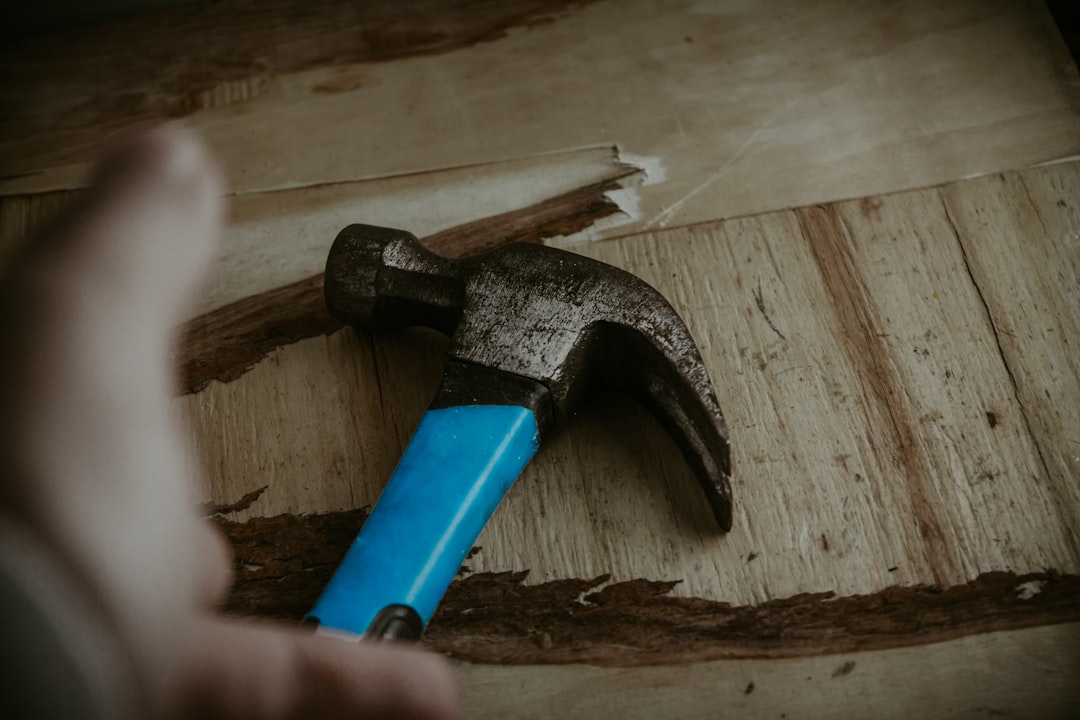
Woodworkers of the past had a toolkit that would be familiar yet surprisingly limited compared to today's standards. Think of saws, chisels, and hammers. Each tool was crafted with precision and required regular maintenance. A sharp chisel could carve delicate patterns, while a saw might be used to cut straight lines with impeccable accuracy.
Imagine the patience required to hand-saw a plank of wood. You would feel each fiber as you push and pull, adjusting your grip to maintain control. Would you have the patience to master these tools? It's a skill that demands respect and practice.
Natural Materials As Tools
Besides the crafted tools, early woodworkers harnessed natural materials to aid their projects. Stones were often used for sharpening blades. Sand and animal fat served as primitive sanding and polishing materials. Imagine using a rough stone to keep your chisels sharp, knowing that precision depended on your sharpening skills.
Wood itself was sometimes used to create tools. Bow drills made from flexible wood helped in creating holes. Would you trust your craftsmanship enough to create tools from the very material you work with? It's a testament to the creativity and resourcefulness of these early artisans.
Reflecting on these methods, one can't help but wonder: Are we losing touch with the art of woodworking by relying solely on power tools? As you explore woodworking today, consider incorporating some of these ancient techniques. It might just deepen your appreciation for this timeless craft.
Joinery Techniques
Before power tools, woodworkers relied on hand tools and skillful techniques. Craftsmen used saws, chisels, and planes to shape wood. Joinery techniques like dovetail and mortise-and-tenon provided strength and precision. These methods required patience, expertise, and careful craftsmanship.
Joinery techniques are the backbone of traditional woodworking. Before power tools, woodworkers relied on their skill and precision to create strong and beautiful joints. These techniques were passed down through generations, each craftsman adding their personal touch. Imagine the satisfaction of crafting a piece of furniture, knowing every connection was made by hand. Would you trust your skills to do the same?
Mortise And Tenon
The mortise and tenon joint is a classic in woodworking. This technique involves carving a rectangular hole, the mortise, into one piece of wood. Then, a corresponding projection, the tenon, is crafted on another piece to fit snugly into the mortise. Hand tools like chisels and saws were used to achieve this precise fit. Picture the patience required as each stroke of the chisel brought the joint closer to perfection. Can you imagine the satisfaction of a perfectly fitted joint, knowing it will stand the test of time?
Dovetail Joints
Dovetail joints are revered for their strength and beauty. These joints consist of interlocking pins and tails that resemble the shape of a dove's tail. The design ensures the joint remains strong without the need for additional fasteners. Crafting dovetail joints by hand required skill and careful planning. A saw and chisels were used to cut each part, with the craftsman’s eye ensuring precision. Have you ever tried to match such precision in your projects? The dovetail joint is a testament to the woodworker's dedication to their craft. These techniques remind us of the art and dedication of traditional woodworking. They challenge us to appreciate the skills of the past and consider how we might incorporate them into our own projects. Are you ready to take on the challenge?
Carving And Shaping
Before power tools, woodworking was a true art form. Craftsmen relied on hand tools to carve and shape wood. Each tool had a specific purpose. Each technique required skill and patience. The process involved careful selection of tools. Precision and craftsmanship were vital. Let's explore the tools that shaped history.
Chisels And Gouges
Chisels were fundamental in early woodworking. They helped carve intricate designs. Craftsmen used them to remove small wood pieces. Gouges were similar but had curved blades. This allowed for more detailed work. Both tools required strength and control. The art was in the hand of the craftsman. Each piece was unique and personal.
Adzes And Axes
Adzes were essential for shaping large pieces. They had a curved blade. This made them perfect for hollowing out wood. Axes were used for cutting and splitting. They shaped timber into workable sizes. The axe was a vital tool for any woodworker. It allowed for quick, powerful cuts. These tools transformed raw wood into masterpieces.
Smoothing And Finishing
Before power tools, woodworkers used skill and patience for smoothing wood. This step was vital for creating beautiful, long-lasting pieces. Craftsmen relied on hand tools to achieve smooth surfaces. Each tool had a specific purpose in the process.
Scrapers And Sanding
Scrapers were essential for smoothing wood surfaces. These tools had a sharp edge, perfect for shaving thin wood layers. Craftsmen pulled scrapers across the wood, removing imperfections. Sanding was another technique used for a finer finish. Sandpaper, made from natural materials, helped smooth rough spots. Sanding required steady hands and time. It prepared wood for the next finishing steps.
Natural Oils And Waxes
Natural oils played a big role in wood finishing. Linseed oil was a popular choice. It soaked into wood, enhancing its grain and color. Craftsmen applied oils with cloths, rubbing them gently into the surface. This process protected the wood and added a soft sheen. Waxes were used for an extra layer of protection. Beeswax was common. It sealed the wood, giving it a smooth, polished look. Waxes also added durability, making furniture last longer.
Ancient Woodworking Cultures
Throughout history, woodworking has been a vital craft. Various cultures developed unique techniques to shape wood. Without modern power tools, ancient craftsmen relied on skill and ingenuity. They crafted beautiful and functional items. These traditions were passed down through generations. Let's explore two prominent ancient woodworking cultures.
Egyptian Innovations
The ancient Egyptians were pioneers in woodworking. They crafted furniture, boats, and chariots from wood. They used simple tools like saws, adzes, and chisels. Copper was the primary metal for these tools. Egyptians also mastered joinery techniques. Dovetail and mortise-and-tenon joints were common. These methods ensured durability and strength.
Wood was scarce in Egypt. They imported cedar from Lebanon. This wood was prized for its quality and strength. Egyptians also used sycamore and acacia. These native woods were used for smaller items. Tombs reveal intricate wooden artifacts. These items show the skill and artistry of Egyptian craftsmen.
Chinese Woodworking Traditions
China has a rich woodworking history. Craftsmen focused on precision and detail. They used a variety of woods. Bamboo, teak, and elm were popular choices. Chinese woodworkers developed advanced joinery techniques. These techniques required no nails or glue. Mortise-and-tenon joints were especially favored.
Traditional Chinese furniture is an art form. It combines functionality with beauty. Woodworkers used lacquer to protect and decorate. This technique added vibrant colors and durability. The art of wood carving was also significant. Intricate designs were etched into furniture and decorations. These traditions continue to influence modern woodworking.
Timber Selection And Harvesting
Before the advent of power tools, woodworkers mastered the art of timber selection and harvesting through keen observation and manual labor. The process demanded skill and patience, requiring them to understand the nuances of different wood types and their suitability for various projects. Imagine standing in a dense forest, assessing trees with nothing but an axe in hand. How did they decide which timber was worth the effort?
Local Wood Sources
Woodworkers often relied on local wood sources for their projects. Access to nearby forests meant that they could pick and choose from a variety of timber. Each region offered its unique species, influencing the type of furniture or tools crafted. For instance, if you lived near an oak forest, your work might often feature oak timber. This local sourcing ensured sustainability and deepened their connection with the environment.
By understanding the trees native to their area, woodworkers could make informed decisions about which wood was best suited for their needs. They observed the growth patterns, bark texture, and even the scent of the wood to gauge its quality. It’s intriguing to think about how today’s global wood trade contrasts sharply with this local approach.
Seasonal Considerations
Timber harvesting was highly influenced by seasonal changes. Woodworkers knew that the best time to harvest was during the dormant months when trees contained less sap. This reduced moisture content, making the wood more stable and easier to work with. Have you ever thought about how the changing seasons could impact your woodworking projects?
Spring and summer brought challenges with higher sap content and increased insect activity. During these times, wood was more prone to warping and decay. Hence, they planned their timber selection carefully, often preferring to harvest in late autumn or winter. This knowledge, passed down through generations, highlighted their deep connection with nature’s rhythms.
Understanding these intricacies allowed woodworkers to craft enduring pieces that stood the test of time. As you embark on your woodworking journey, consider how these ancient practices might influence your approach today. What can you learn from the way our predecessors respected and worked with the natural world?
Construction Techniques
Craftsmen used hand tools like saws and chisels for woodworking before power tools. They relied on skill and precision. Techniques included joining, carving, and shaping wood by hand. This traditional method required patience and practice, producing unique, handcrafted pieces.
Before the advent of power tools, woodworking was a true testament to craftsmanship and skill. Imagine the precision required in construction techniques without the aid of modern conveniences. Woodworkers relied on their expertise, creativity, and a deep understanding of materials. This era was marked by unique methods that not only shaped wood but also shaped the identity of the structures they built.
Timber Framing
Timber framing is an art that has stood the test of time. It involves creating structures using heavy timber beams, joined together by intricate joints. Skilled craftsmen used hand tools like chisels, mallets, and saws to carve joints with precision. They created mortise and tenon joints that fit together seamlessly, providing strength and durability. Imagine the satisfaction of fitting two beams perfectly together, relying solely on your skill and judgment. Timber framing often included large wooden pegs to secure joints, a technique still admired today for its beauty and effectiveness. This method allowed for buildings that could withstand the elements, showcasing the ingenuity of early woodworkers.
Boat Building
Boat building was another area where traditional woodworking techniques shone brightly. Craftsmen constructed vessels using hand tools and a keen understanding of water dynamics. Boat builders would select and shape planks, ensuring they fit snugly together to create a watertight seal. Using tools like adzes, planes, and augers, they fashioned boats that could sail vast distances. You can almost feel the anticipation as builders prepared each plank, knowing the outcome was a vessel that would navigate turbulent waters. These techniques required not only skill but also a deep connection to the materials and the environment. Consider the patience and precision needed to craft a vessel that could withstand the sea, relying solely on hand tools and experience. These boat builders were truly masters of their craft, creating boats that were both functional and beautiful. Would you have the patience and skill to build without power tools today? Reflecting on these techniques, it's clear that the art of woodworking before power tools was as much about passion and dedication as it was about skill. Embracing these methods offers a glimpse into a world where craftsmanship ruled, and every creation was a testament to human ingenuity.
Influence On Modern Woodworking
Modern woodworking has been profoundly influenced by traditional techniques that predate power tools. As technology advances, many craftsmen are rediscovering the beauty and precision of hand tool methods. These practices not only enhance skill but also foster a deeper connection with the material, resulting in unique and thoughtful creations.
Revival Of Hand Tool Techniques
In recent years, there's been a noticeable shift towards using hand tools in woodworking. Many craftsmen find the tactile experience of working with chisels and saws immensely satisfying. Hand tools offer precision that machines sometimes can't match. Imagine crafting a dovetail joint by hand—each cut meticulously made. This technique requires patience and skill, often leading to beautifully crafted pieces that stand the test of time. Have you ever tried to make a simple cut using a hand saw instead of a power saw? The control and personal touch can be transformative.
Sustainable Practices
Traditional woodworking methods are inherently sustainable. Hand tools consume no electricity and produce less noise pollution. This is increasingly important as environmental concerns rise. Embracing these methods can make your workshop greener and more eco-friendly. Moreover, using hand tools often means working more slowly, allowing you to minimize waste by truly understanding each piece of wood. How often do you consider the environmental impact of your woodworking choices? By opting for hand tools, you contribute to a more sustainable future.
Incorporating traditional woodworking techniques into your modern practice can be both rewarding and environmentally responsible. The revival of these methods is not just a nod to the past but a step towards a more conscious, skillful approach to creating lasting works of art. How will you integrate these practices into your woodworking journey?
Frequently Asked Questions
How Did Ancient Woodworkers Shape Wood?
Ancient woodworkers used hand tools like axes, chisels, and saws to shape wood. They employed techniques such as whittling and carving to achieve desired forms. These craftsmen relied heavily on skill, experience, and muscle power to work with wood efficiently, crafting everything from furniture to intricate decorative pieces.
What Tools Did Woodworkers Use Before Electricity?
Before electricity, woodworkers used hand tools like planes, chisels, and saws. They also utilized augers for drilling and adzes for shaping. These tools required physical strength and skill. Woodworkers often crafted their own tools, ensuring they were perfectly suited for their specific tasks and materials.
How Did Craftsmen Ensure Precision Without Power Tools?
Craftsmen ensured precision through skill, experience, and measuring tools like squares and compasses. They used marking gauges for accurate lines and relied on steady hands. Techniques like mortise and tenon joints were employed for precision and strength. Apprenticeships helped pass down these skills through generations.
What Role Did Apprentices Play In Woodworking?
Apprentices learned the trade by assisting experienced craftsmen, gaining hands-on experience. They performed tasks like sharpening tools and preparing materials. This system ensured skills were passed down through generations. Apprenticeships were essential for maintaining craftsmanship quality and preserving traditional woodworking techniques.
Conclusion
Woodworking before power tools relied on skill and patience. Craftsmen used hand tools to create beauty from wood. Each piece was unique, reflecting the artisan's touch. These methods required time and effort but built a deep connection with the craft.
Understanding these techniques helps us appreciate the art of woodworking. Traditional methods teach us value in simplicity and precision. This history inspires today's woodworkers. They blend old skills with new tools. The legacy of handcrafting continues to influence and enrich woodworking today.
A testament to human creativity and perseverance.