How do you store your power tools? If you're like most people, they might be scattered in your garage, stuffed in a closet, or even left out to brave the elements.
This chaos not only makes it difficult to find the right tool when you need it, but it can also shorten the lifespan of your expensive equipment. Imagine the frustration of a rusted drill or a lost charger just when you're ready to tackle that DIY project.
But don't worry – there's a solution. By learning effective storage techniques, you can keep your tools safe, organized, and ready to use. Curious to find out how? Keep reading, and discover simple strategies that will transform your workspace and make your life easier.
Choosing The Right Storage Environment
Choosing the right storage environment for your power tools is crucial to maintaining their longevity and efficiency. Have you ever noticed rust on your tools or found that they aren't performing as well as they used to? The environment where you store them might be the culprit. Let's dive into how you can create the perfect conditions for your tools to thrive.
Temperature And Humidity Control
Power tools, like humans, prefer stable conditions. Extreme temperatures can cause damage to the internal components. Cold environments may lead to brittle materials, while excessive heat can warp or damage parts. Aim for a moderate temperature that feels comfortable for you; your tools will likely agree.
Humidity is another silent enemy. High humidity can lead to rust and corrosion. Storing tools in a dry area is vital. Consider using a dehumidifier if you live in a particularly humid climate. Keeping moisture at bay will help your tools stay in tip-top shape.
Avoiding Dust And Moisture
Dust is the sneaky foe that sneaks into every nook and cranny of your tools. It can clog moving parts and reduce performance. Use covers or cases for your tools to keep dust at bay. A simple cloth cover can make a big difference.
Moisture is equally damaging. It can lead to rust and affect electrical components. Store your tools in a place where water can't reach them. Avoid basements that flood or garages with leaky roofs. If you’ve ever found a tool rusting after a rainy season, you know how heartbreaking it can be.
Have you ever considered how much money you invest in your tools? Protecting them with the right storage environment is a small effort compared to the cost of replacement. What changes can you make today to improve the storage conditions of your tools?
With just a few tweaks, you can ensure your power tools remain reliable for years to come. Taking control of the environment in which they are stored is a practical step that pays off in the long run.
Organizing Your Tools Efficiently
Keeping your power tools organized is crucial. It saves time and space. Proper organization enhances productivity. It makes your workspace safer. Utilize smart storage solutions. Each tool should have a designated spot. This prevents clutter and confusion. Let’s explore efficient methods.
Utilizing Wall Storage
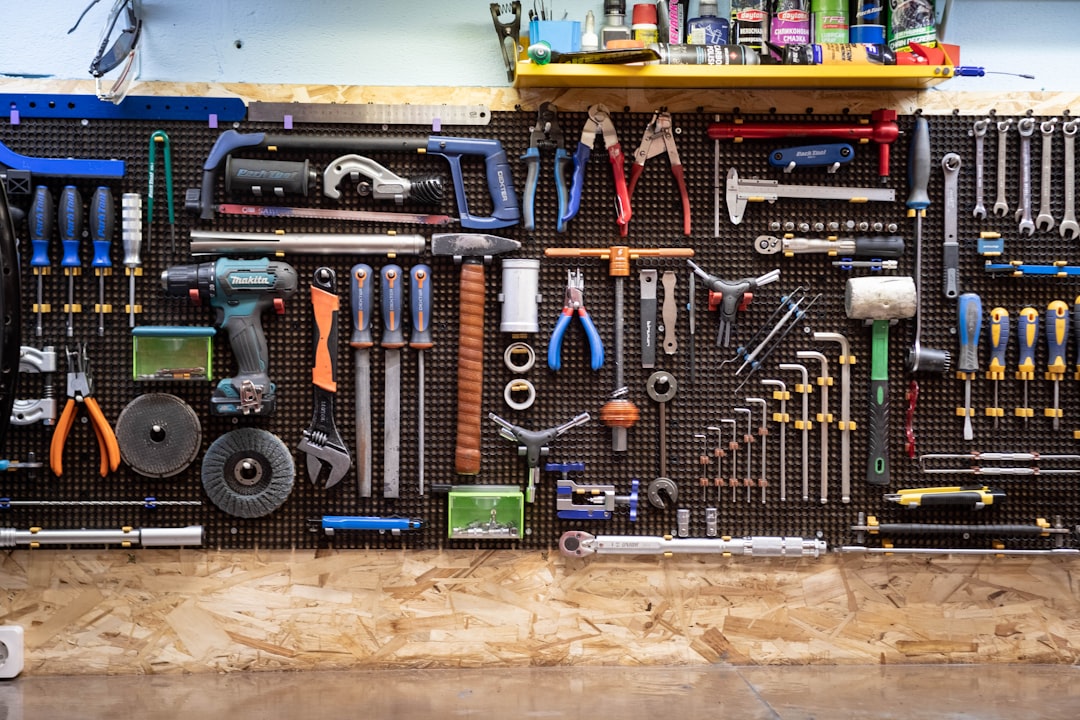
Wall storage maximizes your space. Hang tools vertically. It makes them easy to access. Use hooks and racks. They hold various tools securely. This method saves floor space. It keeps tools visible. You can quickly find what you need. Wall storage is ideal for small workshops.
Shelving Solutions
Shelves offer flexible storage. They can hold different tools. Choose adjustable shelves. They adapt to tool sizes. Use sturdy materials. This ensures durability. Shelves keep tools organized. You can label them for easy access. Shelving helps maintain neatness. It is perfect for larger workspaces.
Tool Cabinets And Chests
Cabinets and chests protect your tools. They provide secure storage. Choose ones with locks. This prevents unauthorized access. They have multiple compartments. You can organize tools by type. This method enhances tool safety. Cabinets are suitable for valuable tools. Chests offer portable storage. They are great for mobile workshops.
Safety Measures For Tool Storage
Store power tools in a cool, dry place to prevent rust and damage. Use sturdy shelves or pegboards for organized and safe storage. Always ensure cords are neatly coiled to avoid tripping hazards and keep tools out of children's reach.
Storing power tools safely is crucial to prevent accidents and prolong the life of your equipment. Whether you're a seasoned handyman or just starting out with DIY projects, taking the right safety measures can make a world of difference. Let's dive into some key strategies to ensure your power tools are stored properly and securely.
Proper Securing And Locking
When you store your power tools, ensure they are properly secured and locked away. Secure shelves or cabinets can prevent tools from toppling over. If your storage area is a garage or shed, consider installing a locking mechanism on the door. This not only keeps your tools safe from theft but also restricts access to unauthorized individuals. Have you ever noticed how a misplaced tool can lead to accidents? Keep your tools organized. Use pegboards or toolboxes with designated spots for each tool. Labeling these spots can also save you time and hassle when you need to find a tool quickly.
Child Safety Precautions
If you have children, ensuring their safety around power tools should be a priority. Store tools out of reach and never leave them unattended in common areas. Think about setting up a specific zone for your tools, away from play areas. Use cabinets with child-proof locks to keep curious hands at bay. Have you ever found a tool in an unexpected place? This could be a sign that your storage system needs an upgrade. Regularly check your storage area to ensure everything is in its place and secure. Ask yourself, would you feel comfortable knowing a child could easily access your tools? Taking these steps not only protects your children but also gives you peace of mind. Incorporating these safety measures in your tool storage routine can prevent mishaps and create a safer environment for everyone in your home. Have you tried any of these strategies? Which ones work best for you?
Maintaining Tools In Storage
Store power tools in a dry, cool place to prevent rust and damage. Use shelves or pegboards to organize them neatly. Ensure cords are untangled to avoid wear.
Maintaining tools in storage is crucial for their longevity. Proper storage ensures tools perform well when needed. This extends their lifespan. Neglecting maintenance can lead to rust, inefficiency, and costly repairs. Organize your storage space to keep tools safe and accessible. Regular care prevents issues and enhances usability.
Regular Cleaning And Lubrication
Clean tools before storing them. Dirt and grime can cause damage. Use a cloth to wipe off any residue. For stubborn dirt, use mild soap and water. Dry tools thoroughly to prevent rust. Lubricate moving parts to ensure smooth operation. Use appropriate oils for different tool types. Regular lubrication reduces wear and tear.
Battery Maintenance For Cordless Tools
Cordless tools require special care. Store batteries in a cool, dry place. Avoid extreme temperatures to protect battery life. Charge batteries to about 50% for long-term storage. This prevents complete discharge and prolongs lifespan. Check batteries periodically. Recharge them if they drop below safe levels. Proper battery care ensures tools are ready when you need them.
Innovative Storage Solutions
Organizing power tools can be a challenging task. Innovative storage solutions can make it easier. They help you keep your workspace tidy and tools safe. These solutions save time when searching for the right tool. Consider options that suit your needs and space. Let's explore some efficient ways to store your power tools.
Portable Storage Options
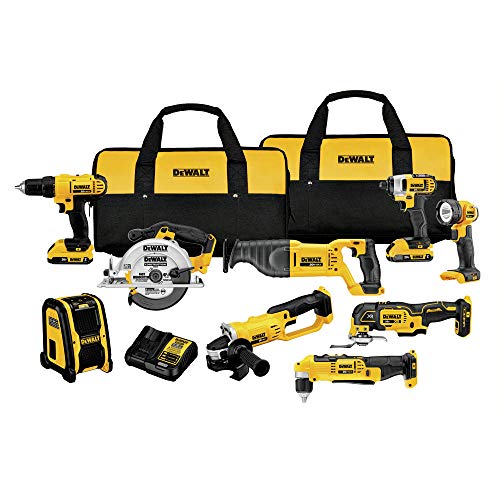
Portable storage is great for those who move tools often. Toolboxes with wheels offer flexibility. They are easy to transport from one place to another. Stackable cases allow you to carry multiple tools together. These cases often have sturdy latches to secure tools. Some have customizable compartments for various tool sizes. Bags with padded handles provide comfort during transport. Choose a portable option that fits your tool collection and lifestyle.
Smart Storage Systems
Smart storage systems enhance organization with technology. Wall-mounted racks keep tools visible and accessible. Shelving units with adjustable heights fit larger equipment. Magnetic strips hold metal tools securely on walls. Pegboards allow you to arrange tools in a custom layout. Some systems include mobile apps to track tool locations. These apps notify you of misplaced items. Smart systems bring order and efficiency to your workspace.
Maximizing Small Space Storage
Storing power tools in small spaces can be a challenge. It's essential to use the space wisely to keep tools organized and accessible. Creating effective storage solutions helps maintain order and prolongs the life of your tools. Below, explore ways to maximize small space storage.
Space-saving Racks
Space-saving racks are perfect for small areas. They allow you to store tools neatly against walls. Choose racks that fit your tool sizes for optimal efficiency. Adjustable racks can cater to different tool shapes and sizes. This flexibility can be crucial for keeping everything tidy and accessible. Wall-mounted racks free up floor space, giving more room for other activities.
Vertical Storage Tips
Vertical storage maximizes wall space without cluttering the floor. Hang tools vertically to make use of unused space. Pegboards can be ideal for vertical storage. They help organize tools by size and type. Use hooks and brackets for heavier tools. It's important to secure them properly to avoid accidents. Vertical storage keeps tools visible and easy to reach. This method is practical for garages and small workshops.
Common Mistakes To Avoid
Storing power tools incorrectly can lead to damage and safety hazards. Avoid leaving tools in damp areas to prevent rust. Ensure cords are neatly wrapped to avoid tangling and tripping. Proper storage prolongs tool life and maintains efficiency.
Storing power tools might seem straightforward, but many people make common mistakes that can lead to damage or loss. These errors are often overlooked, yet they can significantly impact your tools' longevity and functionality. Recognizing and avoiding these pitfalls will ensure your tools remain in top condition, ready for use whenever you need them.
Overloading Storage Units
Packing your storage unit to the brim can be tempting. You might think it saves space, but it often leads to chaos. Overloading can cause tools to get damaged or lost among the clutter. Consider the time you spent searching for that drill buried under a pile of other equipment. Wouldn't it be easier if everything had its own space? Try arranging tools with ample room, using hooks or shelves to keep them accessible. Your future self will thank you.
Ignoring Maintenance Needs
It's easy to forget about maintaining your tools when they are out of sight. Neglecting routine checks can lead to rust, dull blades, or faulty mechanisms. Picture this: you're set to start a project, but your saw won't cut straight. That frustration could be avoided with regular maintenance. Schedule regular inspections to clean, oil, and check for wear and tear. How often do you check your tools? A little effort now can save a lot of hassle later. Are you guilty of these mistakes? Reflect on your storage habits and make improvements. Your power tools are an investment. Treat them with care, and they'll repay you with reliable performance.
Frequently Asked Questions
How To Store Power Tools Safely?
Storing power tools safely is crucial. Use a dry, secure place to prevent rust and damage. Organize tools on shelves or pegboards for easy access. Always disconnect power before storing. Keep tools in their original cases if possible.
What Is The Best Way To Organize Power Tools?
Organize power tools by using pegboards, shelves, or tool chests. Label each tool's spot for easy identification. Group similar tools together. Ensure cords are untangled to prevent damage. Regularly clean and maintain your storage area.
Why Is Climate Control Important For Power Tools?
Climate control prevents rust and damage to power tools. Extreme temperatures and humidity can harm tool components. Store tools in a climate-controlled environment to prolong their lifespan. This ensures tools are always in optimal condition when needed.
Should Power Tools Be Stored In Cases?
Yes, storing power tools in cases protects them from dust and damage. Cases provide a safe, secure environment. They help organize accessories and manuals. It's also easier to transport tools when they're in cases.
Conclusion
Storing power tools properly keeps them safe and functional. Use sturdy shelves or cabinets for organization. Keep tools dry to prevent rust. Regularly check cords and batteries for damage. Clean tools after each use to maintain them. Store smaller tools in labeled bins.
This makes finding them easier. Hang larger tools on hooks or pegboards. This frees up space. Always lock your storage area. This ensures safety for everyone. Proper storage extends your tools' lifespan. It also saves you money. Happy tool storing!