Ever wondered how a simple tool can transform your DIY projects or professional tasks? If you've ever held a hand impact tool and felt its power, you know there's something fascinating about it.
You might be curious about what makes it tick and how it delivers such impressive results with just a few strikes. Understanding how a hand impact tool works can unlock new possibilities in your work, making tough tasks seem effortless.
This article will break it down for you, revealing the secrets behind its design and function. As you read on, you'll discover tips to maximize its potential, ensuring every project you tackle becomes a success story. Ready to dive into the mechanics of this handy tool and elevate your skills? Let's get started!
Basic Components
Hand impact tools function through a combination of force and leverage. These tools use a manual strike to drive, shape, or cut materials. Essential parts include a handle, head, and striking face, each contributing to effective and precise application.
When you hold a hand impact tool in your hand, do you ever wonder about the components that make it tick? Knowing the basic components can deepen your understanding and possibly improve your usage. Let's break down the essentials, making sure you get the most out of your tool.
Handle Design
The handle is where it all begins. It's designed to provide a comfortable grip while ensuring control. Have you noticed how some handles feel just right, while others seem to slip? That's because the material and texture matter. Rubberized grips offer excellent slip resistance. Next time you use your tool, pay attention to the handle's design. Is it allowing you to work longer without fatigue?
Striking Mechanism
Here's where the magic happens. The striking mechanism is the core of the tool's power. It converts your muscle force into a concentrated blow. This mechanism usually involves a spring or lever system. Think of it as a mini catapult in your hand. Does your tool make a satisfying 'thud' when it hits? That sound is the mechanism working perfectly.
Impact Head
Finally, the impact head is the part that connects with the surface. Its design determines the effectiveness of your strikes. Flat heads distribute force evenly, while pointed ones focus it in a smaller area. If you're driving nails, a rounded head might be your best friend. The next time you're working, consider the impact head's shape. Is it helping you achieve your goal efficiently? Understanding these components can transform your tool into a precision instrument. Have you found that knowing the parts makes you more confident in your tasks?
Functionality
Understanding how a hand impact tool works involves exploring its functionality. These tools are vital in various industries. They help with tasks like driving nails or loosening bolts. Their operation relies on three main principles. Energy transfer, force amplification, and controlled impact.
Energy Transfer
A hand impact tool stores energy. It releases this energy quickly to perform work. The user applies force to the tool. This force builds potential energy. When released, this energy converts to kinetic energy. The tool then delivers a strong impact. This process helps perform tasks efficiently.
Force Amplification
Force amplification is crucial in these tools. The design enhances the user's input force. A small motion results in a larger force output. This amplification is why a simple strike can drive a nail deep. It makes tough tasks easier for users.
Controlled Impact
Controlled impact ensures precision and safety. The tool's design manages the force delivered. This control prevents damage to materials. It also reduces strain on the user. A well-designed impact tool provides consistent results. Users can rely on it for repetitive tasks.
Types Of Hand Impact Tools
Hand impact tools use force to tighten or loosen screws and nuts. Types include manual impact drivers and hammers. They convert the user's effort into a powerful rotational force, making tasks easier.
When it comes to tackling tough repair or construction tasks, choosing the right hand impact tool can make all the difference. Whether you are a seasoned professional or a DIY enthusiast, understanding the various types of hand impact tools can save you time and effort. Each tool is designed with a specific purpose in mind, and knowing which one to use can greatly impact the success of your project.
Manual Impact Drivers
Manual impact drivers are indispensable when you need to loosen stubborn screws or bolts. They rely on the force you exert, combined with a twisting motion, to deliver powerful torque. This tool is perfect for situations where a power tool can't reach. Imagine trying to unscrew a rusty bolt on your bike—this is where a manual impact driver shines. It’s like having a secret weapon in your toolbox.
Hammer Tools
Hammer tools are versatile and can be used for a variety of tasks such as driving nails, breaking concrete, or shaping metal. They come in various shapes and sizes, each suited for a specific task. A claw hammer, for example, is great for removing nails, while a sledgehammer is ideal for demolition jobs. Have you ever tried building a deck? The right hammer tool can make the job much easier and more precise.
Chisels And Punches
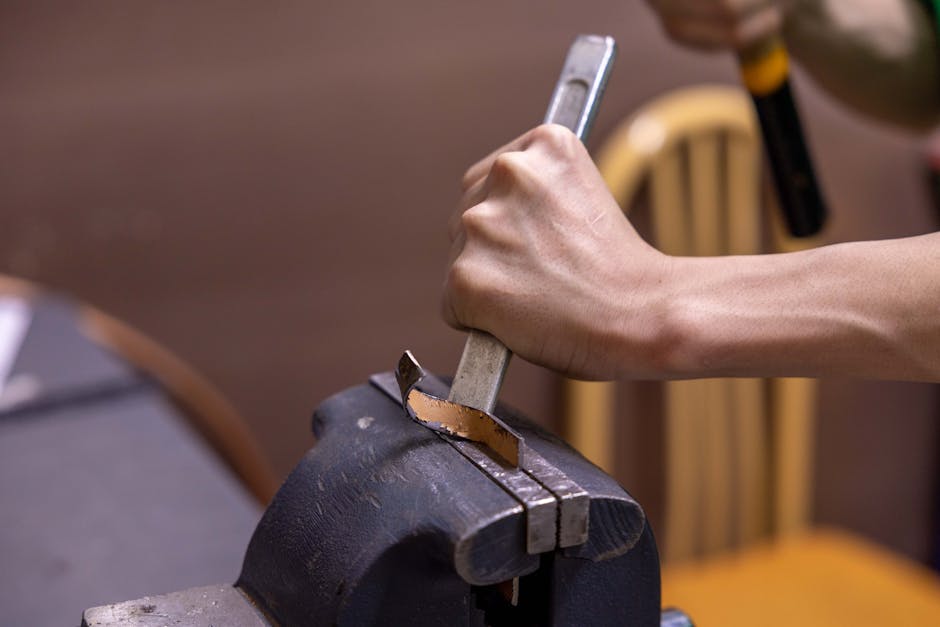
Chisels and punches are perfect for detailed work that requires precision. Chisels are used for carving or cutting hard materials like wood or metal. Punches, on the other hand, are ideal for creating holes or indentations in these materials. Think about crafting a beautiful wooden sculpture; a chisel will help you achieve those intricate details. If you're working with metal, a punch can help you align parts perfectly. Are you making the most of your hand tools? Next time you pick one up, consider whether it’s the best choice for your task. The right tool not only makes the job easier but also enhances the quality of your work.
Material And Construction
Hand impact tools work by converting force from your hand into power. They are designed to amplify the energy exerted when striking, driving screws or nails into materials with precision. The construction involves durable materials to withstand repeated impacts, ensuring efficiency and reliability in various tasks.
Understanding the materials and construction of a hand impact tool can change the way you choose and use your tools. It’s not just about picking up the first tool you find; it’s about knowing why a tool is designed the way it is and how its build can make your work easier, safer, and more efficient. Let's break down the key aspects that contribute to a hand impact tool's effectiveness.
Durable Materials
When selecting a hand impact tool, durability is often at the forefront of your mind. The strength of the materials used can significantly influence the lifespan of the tool. Many high-quality hand impact tools are made from forged steel or hardened alloys. These materials are chosen for their ability to withstand repeated stress and maintain their shape under pressure. Think about the last time your tool broke mid-task. Frustrating, right? Investing in tools made from durable materials not only prevents such mishaps but also saves you money in the long run. The peace of mind knowing your tool won't fail you is invaluable.
Ergonomic Design
Have you ever noticed how some tools just feel right in your hand? That's the magic of ergonomic design. A hand impact tool with a well-thought-out grip reduces strain and fatigue during prolonged use. Consider tools with rubberized or textured handles. They provide a better grip and prevent slips, especially when your hands are sweaty or greasy. Ergonomic design is not just a luxury; it’s a necessity for maintaining productivity and comfort.
Safety Features
Safety should always be a priority when using hand impact tools. Modern tools come equipped with various safety features to protect you during use. Look for tools with built-in shock absorbers or anti-vibration handles. These features minimize the impact on your hands and arms, reducing the risk of injury. Reflect on any close calls you’ve had due to a tool slipping or causing unexpected feedback. Tools with safety features not only protect you but also give you confidence in handling tasks more aggressively and efficiently. Choosing the right hand impact tool involves more than just picking the first one off the shelf. By understanding the importance of durable materials, ergonomic design, and safety features, you make informed decisions that enhance your work experience. What aspects do you prioritize when selecting your tools? Your choice today could impact your efficiency tomorrow.
Applications
Hand impact tools work by delivering focused force to a specific area. This is achieved through a manual strike, usually with a hammer or similar device. Designed to assist in driving nails, chiseling, or shaping materials, these tools enhance precision and efficiency in various tasks.
Hand impact tools are essential in various industries, offering precision and power in tasks where manual strength alone may fall short. Understanding their applications can help you leverage their potential for efficient and effective results. Whether you're fixing cars, constructing buildings, or shaping metal, these tools have a pivotal role. Let's explore how hand impact tools make a difference in specific industries. Automotive Repairs In the automotive world, time and precision are crucial. Hand impact tools like impact wrenches are invaluable for loosening stubborn bolts or nuts. Have you ever struggled with a rusted bolt that seems impossible to budge? An impact tool can save you hours of effort and frustration. They're perfect for tire changes and brake repairs, ensuring you can quickly get back on the road. Imagine effortlessly removing a wheel lug nut that seems welded in place. It's a game-changer for DIY enthusiasts and professionals alike. Construction Tasks Construction projects often demand brute force combined with precision. Hand impact tools are your ally in tasks like driving nails or removing screws quickly. Picture yourself on a construction site, faced with tightly fastened fixtures. Instead of manual struggle, you use an impact driver to swiftly complete the job. This tool not only speeds up your work but also reduces fatigue, allowing you to focus on quality and safety. Why waste time with manual labor when a hand impact tool can cut your workload in half? Metalworking Metalworking requires finesse and power, a combination that hand impact tools deliver seamlessly. Whether you're shaping metal or assembling structures, these tools provide the necessary force without compromising control. Have you ever tried to bend a stubborn metal piece? An impact tool can make this process much smoother, giving you the precision needed for intricate tasks. From punching holes to riveting, hand impact tools are indispensable in turning your metalworking ideas into reality. They offer an efficient way to achieve professional-grade results with minimal effort. Consider how these tools can transform your work process. Are you using them to their full potential? Whether you're a seasoned professional or a hobbyist, understanding the applications of hand impact tools can enhance your productivity and craftsmanship.
Maintenance Tips
Hand impact tools are essential for many tasks. Keeping them in good shape ensures they work well and last longer. Regular maintenance prevents breakdowns and keeps your tools ready for any job. Here are some maintenance tips to help maintain your hand impact tools.
Regular Inspection
Check your tools before and after each use. Look for signs of wear or damage. A cracked handle or loose parts can cause problems. Tighten any loose screws or bolts. Replace worn-out parts immediately to avoid accidents.
Proper Storage
Store your tools in a dry, clean place. Moisture can cause rust and damage. Use a toolbox or hang them on a pegboard. Keep them away from direct sunlight to prevent handle damage. Organized storage makes tools easy to find and use.
Lubrication Needs
Lubricate moving parts regularly. Use oil or grease suitable for your tool. Follow the manufacturer's recommendations for the best results. Proper lubrication reduces friction and wear, extending tool life. Wipe off excess lubricant to prevent dirt buildup.
Frequently Asked Questions
What Is A Hand Impact Tool?
A hand impact tool is a manual device used to deliver forceful impacts. It's commonly used for loosening tight screws, bolts, and nuts. The tool works by converting downward force into a rotational impact. This mechanism helps in achieving high torque and efficiency without requiring electricity or batteries.
How Does Impact Mechanism Function?
The impact mechanism functions by converting linear force into rotational energy. When struck, the tool's internal mechanism creates a rapid rotational impact. This sudden force helps in loosening or tightening fasteners. The mechanism is designed to increase torque, making it effective for challenging tasks.
Can Hand Impact Tools Be Used For All Fasteners?
Hand impact tools are versatile but may not suit all fasteners. They are ideal for stubborn screws, bolts, and nuts. However, delicate or specialty fasteners may require specific tools. Always assess the fastener type and material compatibility before using an impact tool to avoid damage.
Are Hand Impact Tools Safe To Use?
Hand impact tools are safe when used correctly. Ensure proper handling and follow the manufacturer's guidelines. Wear protective gear like gloves and goggles to prevent injuries. Avoid applying excessive force to prevent tool or fastener damage. Regular maintenance can also enhance safety and tool longevity.
Conclusion
Understanding how a hand impact tool works is essential. It’s simple yet effective. These tools convert manual force into powerful impact. They are handy for loosening tight bolts or screws. Easy to use and very reliable. They suit various tasks and industries.
This knowledge helps in making informed choices. It enhances safety and efficiency at work. Always choose the right tool for the job. Proper maintenance extends the tool's life. Remember to follow safety guidelines while using them. Explore more about hand tools for better results.