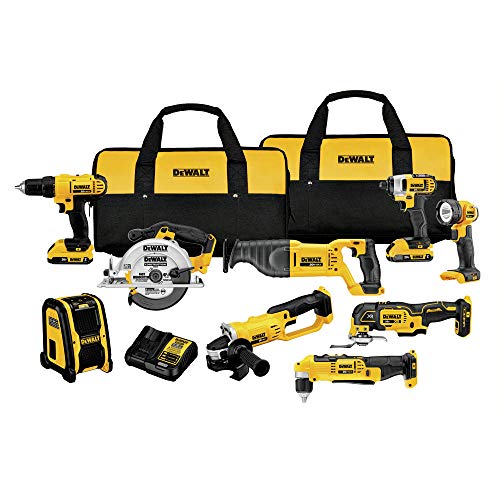
Have you ever wondered how that buzzing tool in your hand transforms a simple task into a breeze? Power tools are the unsung heroes of modern DIY projects and professional workspaces, making what could be a time-consuming chore quick and efficient.
But what really goes on under the hood? Understanding how power tools work not only satisfies curiosity but can also enhance your skills and ensure safer usage. By diving into the mechanics and functions of these handy devices, you can unlock their full potential and maybe discover a newfound appreciation for the technology that simplifies your life.
Stick around as we unravel the fascinating workings of power tools, giving you insights that could change the way you approach your next project.
Basic Components
Understanding the basic components of a power tool can transform how you approach your DIY projects. These elements work together seamlessly to help you get the job done efficiently. Let's dive into what makes up these indispensable tools.
Motor
The motor is the heart of any power tool. It converts electrical energy into mechanical energy, powering the tool's movement. Imagine the thrill when you first squeeze the trigger and hear the motor roar to life. It's the energy that drives the drill bit through the toughest materials. Different tools have varied motor types, such as brushed or brushless, each offering unique benefits. Have you ever wondered why your cordless drill lasts longer than others? The answer often lies in the motor type.
Drive Mechanism
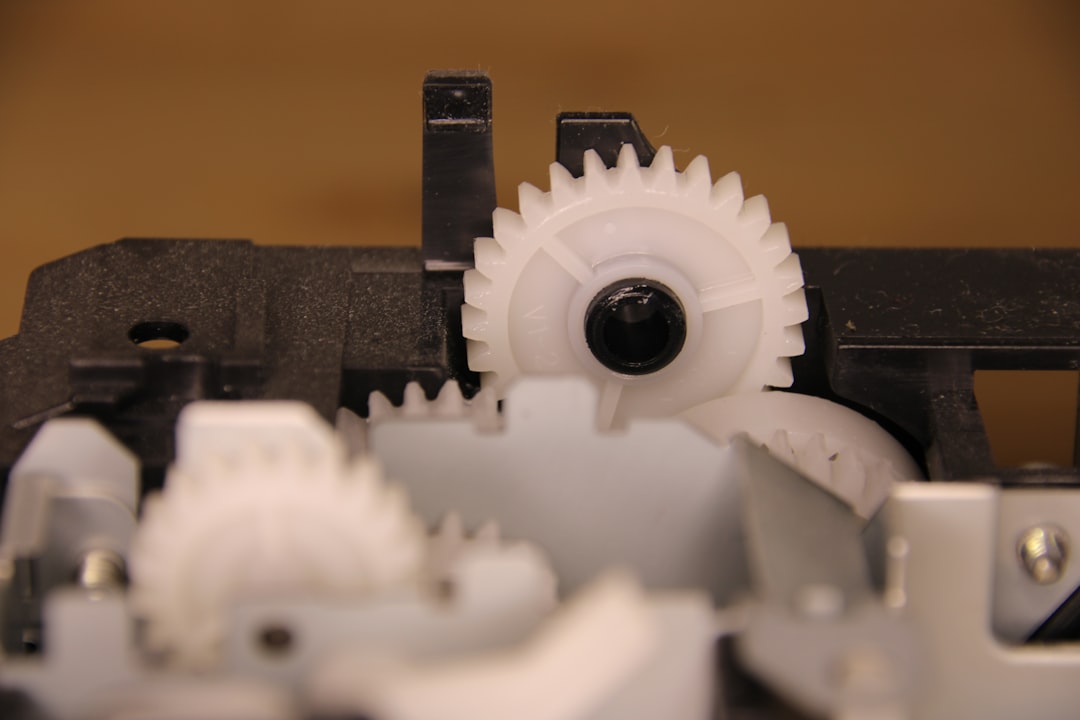
The drive mechanism transmits the motor's energy to the tool's working parts. This could be gears, belts, or direct connections, depending on the tool. Picture a saw blade spinning rapidly; the drive mechanism ensures that the motor's power reaches the blade efficiently. The design and quality of the drive mechanism can affect the tool’s performance and durability. Next time your tool seems sluggish, consider checking this component. It’s crucial for optimal functionality.
Switch And Control
Switch and control components allow you to operate the tool safely and effectively. They include triggers, buttons, and dials that regulate speed and power. Think about the precision needed when adjusting a drill’s speed for delicate tasks versus heavy-duty jobs. This is where the controls come into play. Have you ever adjusted the speed of your drill to avoid damaging a delicate surface? That’s the switch and control system in action, giving you command over your tool's performance.
Each of these components plays a vital role in the operation of your power tools. Understanding them not only enhances your efficiency but also prolongs your tool’s life. What component do you think impacts your tool's performance the most?
Types Of Power Tools
Power tools make tasks easier and faster. They use different power sources to operate. There are various types of power tools available. Each has its own benefits and uses. Understanding these types helps in choosing the right tool.
Corded Tools
Corded tools need an electric outlet. They are powerful and reliable. These tools are suitable for continuous work. No need to worry about battery life. They provide consistent power. Common corded tools include drills and saws. They are often used in workshops and construction sites.
Cordless Tools
Cordless tools operate on rechargeable batteries. They offer great mobility. You can use them anywhere without needing an outlet. These tools are ideal for small jobs. They are lightweight and easy to handle. Popular cordless tools are drills, screwdrivers, and sanders. Always keep extra batteries for longer tasks.
Pneumatic tools run on compressed air. They are powerful and efficient. Often used in industrial settings. These tools require an air compressor to work. Common pneumatic tools include nail guns and impact wrenches. They are known for their speed and power. Perfect for heavy-duty jobs.
Electrical Power Tools
Electrical power tools have revolutionized the way we approach DIY projects and professional tasks. From drilling to sanding, these tools make our work faster and more efficient. But how exactly do they work? Understanding the mechanism behind electrical power tools can help you make smarter choices and use them effectively. Let's dive into some key components that drive these powerful devices.
Ac Vs. Dc Motors
At the heart of every electrical power tool lies a motor. The type of motor significantly impacts the tool's performance and efficiency. AC (Alternating Current) motors are commonly used in larger, stationary tools. They provide steady power and are ideal for tasks that require consistent force, like running a table saw.
DC (Direct Current) motors, on the other hand, are found in portable tools. They're lighter and more versatile, making them perfect for handheld devices like drills and screwdrivers. DC motors allow for more precise control, which is essential when you're tackling intricate tasks.
Have you ever wondered why your cordless drill lasts longer than expected? That's the magic of DC motors. Their ability to conserve energy while delivering power makes them indispensable for mobile work.
Variable Speed Controls
Variable speed controls are a game changer. They allow you to adjust the speed of your tool to suit the task at hand. Imagine sanding a delicate piece of wood. You wouldn't want to use high speed and risk damaging it. A lower speed setting lets you work gently and avoid errors.
These controls are typically found on tools like drills, grinders, and saws. They give you the flexibility to switch from slow precision to high-speed efficiency. Have you ever tried cutting through a thick piece of metal with a saw? You'll find variable speed controls invaluable as you navigate different densities and materials.
Think about how much easier it is to drill a hole in concrete versus wood. The ability to adjust speed can save you time and effort, preventing wear on both the tool and the material.
As you explore your tool collection, consider the advantages of these features. How can understanding motors and speed controls elevate your next project? Your insights can lead to better choices and smoother workflows, ensuring you get the best out of your tools every time.
Battery-powered Tools
Battery-powered tools convert stored electrical energy into mechanical energy. The motor spins, driving the tool's function. Simple and efficient.
Battery-powered tools have revolutionized the way you approach DIY projects and professional tasks alike. These tools offer the convenience of mobility without the hassle of cords. They empower you to work in any corner of your home or job site. But have you ever wondered how these portable powerhouses operate?
Battery Types
The type of battery your power tool uses can significantly affect its performance. The most common types are NiCd (Nickel Cadmium), NiMH (Nickel Metal Hydride), and Li-ion (Lithium-ion). NiCd batteries are durable and can withstand rough usage. However, they suffer from the "memory effect," which reduces their overall capacity if not fully discharged regularly. NiMH batteries offer a better capacity than NiCd and are less prone to the memory effect. They are an eco-friendlier option, yet they still lag behind in energy density compared to Li-ion. Li-ion batteries are currently the gold standard for most battery-powered tools. They are lightweight, have a high energy density, and no memory effect. This means you get more power for a longer time. Just be aware they can be more expensive upfront.
Charging Systems
Charging your tool’s battery efficiently is crucial for maintaining its longevity and performance. Most modern charging systems are smart chargers that prevent overcharging by switching to a trickle charge or shutting off once the battery is full. Some chargers come with an indicator light system. This helps you know when your battery is ready to go or still needs more time. Fast chargers are popular for their quick turnaround time but can generate more heat, affecting battery life over time. It's worth considering if speed is more important than longevity for your particular needs. You might find that having an extra battery pack keeps your workflow smooth. While one charges, the other is in use, ensuring you never face downtime. Have you ever felt the frustration of a dead battery in the middle of a project? Choosing the right battery type and charging system can make all the difference.
Pneumatic Tools
Pneumatic tools harness air pressure to function efficiently. The compressed air powers the tool's motor, driving fast and precise actions. These tools are popular for their reliability and ease of use in various tasks.
Pneumatic tools are a fascinating piece of technology. Powered by compressed air, these tools provide impressive power and efficiency. Imagine the ease of using a nail gun that can drive nails in seconds without breaking a sweat. Pneumatic tools offer such convenience, making them indispensable in construction and automotive industries. But how exactly do they work? Let's break it down.
Air Compression
Air compression is the heart of pneumatic tools. Think of it as a balloon being inflated. The air is stored under high pressure in a compressor, ready to be released. When you pull the trigger of a pneumatic tool, the compressed air rushes out. This powerful burst of air activates the tool, allowing it to perform tasks like drilling or sanding effortlessly. The compressor can be as small as a portable unit or as large as a stationary one in a workshop. It’s the source of power for all pneumatic tools. Have you ever tried inflating a tire with a hand pump versus using an air compressor? The difference is night and day. This is the magic of air compression.
Pressure Regulation
Pressure regulation is crucial for the safe operation of pneumatic tools. Without it, tools could become dangerous, like a car speeding without brakes. Regulators control the air pressure, ensuring it's at the right level for each tool. This prevents damage and enhances precision. Consider adjusting a garden hose nozzle. You control the flow based on what you need. Similarly, pressure regulation allows you to fine-tune the power of your pneumatic tool. Some tasks require less force, while others need more. With a simple twist, you can adjust the pressure to fit the job at hand. Have you ever used a pneumatic tool and felt it was too powerful or too weak? That's where pressure regulation comes in. So, next time you're using a pneumatic tool, think about the compressed air and pressure regulation working together to make your job easier. Have you ever wondered how much time you'd save with a pneumatic tool in your DIY projects? Would you consider adding one to your toolbox?
Safety Mechanisms
Power tools are essential in many tasks, from construction to DIY projects. Safety mechanisms are crucial for user protection. These mechanisms help prevent accidents and ensure smooth operation. Let's explore some key safety features in power tools.
Overload Protection
Overload protection prevents tool damage from excessive power usage. Sensors detect when the tool is overburdened. This feature automatically shuts down the tool to avoid overheating. It safeguards both the tool and the user.
Safety Guards
Safety guards protect users from moving parts. They cover blades and other dangerous components. This reduces risk of injury during operation. Always ensure guards are in place before starting your work. Proper use of safety guards enhances work safety.
Maintenance And Care
Power tools are incredible devices that save us time and effort. However, like any machine, they need proper maintenance and care to keep them running smoothly and safely. Imagine the frustration of a tool failing in the middle of a project due to neglect. Keeping your power tools in top shape is not just about extending their life—it's about ensuring your safety and the quality of your work.
Cleaning And Lubrication
Regular cleaning prevents dust and debris from clogging your tool's components. After each use, take a moment to wipe down your tool with a clean cloth. This simple act can prevent buildup that might hinder performance.
Lubrication keeps the moving parts functioning smoothly. Check your tool’s manual for specific lubrication points. A drop of oil in the right place can make a world of difference. Ever had a squeaky tool? A quick lubricant application can silence it and keep it performing efficiently.
Battery Maintenance
Have you ever picked up your cordless drill only to find the battery dead? Proper battery care can avoid this inconvenience. Store batteries in a cool, dry place to prolong their life.
Charge them regularly but avoid overcharging. Unplug the charger once the battery is full. This prevents damage and ensures your power tool is ready to go when you need it. Consider marking your calendar for a monthly battery check. This small habit can save you from unexpected downtime.
Maintaining your power tools might seem like a chore, but the payoff is substantial. A few minutes spent cleaning, lubricating, and checking batteries can save you hours of frustration. Are you willing to invest a bit of time now for a seamless project later?
Innovations And Future Trends
Power tools simplify tasks with electrical or battery power. They convert energy into motion, enhancing efficiency. Innovations continue to advance their functionality, making them indispensable in various industries. Future trends focus on smarter, safer, and eco-friendly designs, pushing boundaries in tool technology.
Power tools have come a long way from their humble beginnings. The rapid advancements in technology have revolutionized how we use these tools, making them smarter, more efficient, and environmentally friendly. With each passing year, innovations and future trends continue to reshape the power tool landscape, offering exciting possibilities for both DIY enthusiasts and professionals alike.
Smart Tools
Imagine a world where your power tool can communicate with your smartphone. Smart tools are no longer just a concept; they are becoming a reality. These tools come equipped with Bluetooth connectivity, allowing you to monitor performance and track usage data directly from an app. Smart tools can even alert you when maintenance is needed. This ensures that your tools are always in top-notch condition. It's like having a personal assistant for your toolbox. Some models include advanced sensors for precision. You no longer have to rely solely on your eye to get perfect cuts or measurements. These tools guide you, ensuring accuracy and efficiency in every project.
Eco-friendly Designs
As environmental concerns grow, power tool manufacturers are stepping up with eco-friendly designs. Battery technology has seen significant improvements, providing longer life and reducing waste. Rechargeable batteries are not only convenient but also reduce the need for constant replacements, saving both money and the environment. Some companies are using sustainable materials in their products. Biodegradable components and recycled plastics are just the beginning. The focus is on reducing the carbon footprint without compromising on quality or performance. Have you ever thought about solar-powered tools? They are on the horizon and promise to harness clean energy for your projects. Imagine working on an outdoor project without worrying about running out of power or finding an outlet. It's a game changer for those who love to work in nature. As you explore these innovations, think about how they can impact your projects. Are smart tools and eco-friendly options worth the investment for you? Consider the benefits and how they align with your values and needs in the workshop.
Frequently Asked Questions
What Are The Basic Parts Of A Power Tool?
A power tool typically includes a motor, power source, and working component. The motor drives the tool's function, while the power source supplies necessary energy. The working component does the actual task, like drilling or cutting. Understanding these parts helps in using the tool effectively.
How Does A Power Tool Motor Function?
The motor converts electrical energy into mechanical energy. It drives the tool's operation by rotating or moving parts. This energy transfer allows the tool to perform tasks like drilling, cutting, or sanding. Efficient motor function ensures optimal tool performance.
Are Power Tools Safe For Home Use?
Power tools are safe if used correctly and with caution. Always follow manufacturer instructions and safety guidelines. Use protective gear like goggles and gloves. Ensure tools are in good condition before use. Proper handling and maintenance reduce risks significantly.
What Types Of Power Sources Do Tools Use?
Power tools can use electricity, batteries, or compressed air. Electric tools require a plug-in power source. Cordless tools rely on rechargeable batteries. Pneumatic tools use compressed air from an external source. Choose the type based on task requirements and convenience.
Conclusion
Understanding power tools is key for safe and efficient use. These tools simplify tasks, enhancing productivity. Each power tool operates with specific mechanisms. Motors, gears, and switches play vital roles. Proper maintenance ensures tools last longer. Always follow safety guidelines when using power tools.
This minimizes risks and accidents. The right tool choice can make any project easier. Explore different types of power tools for various needs. Learning about them boosts confidence and skills. Keep experimenting and practicing for better results. Safety first, always.