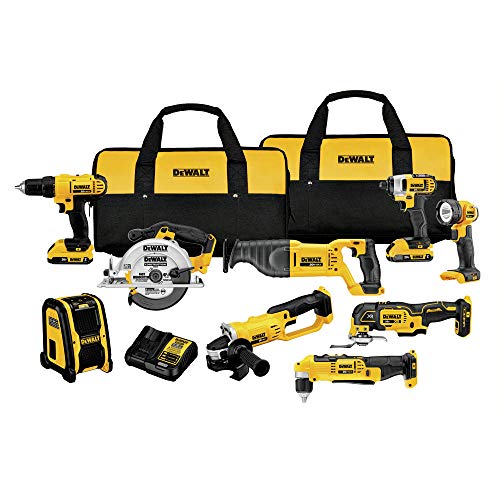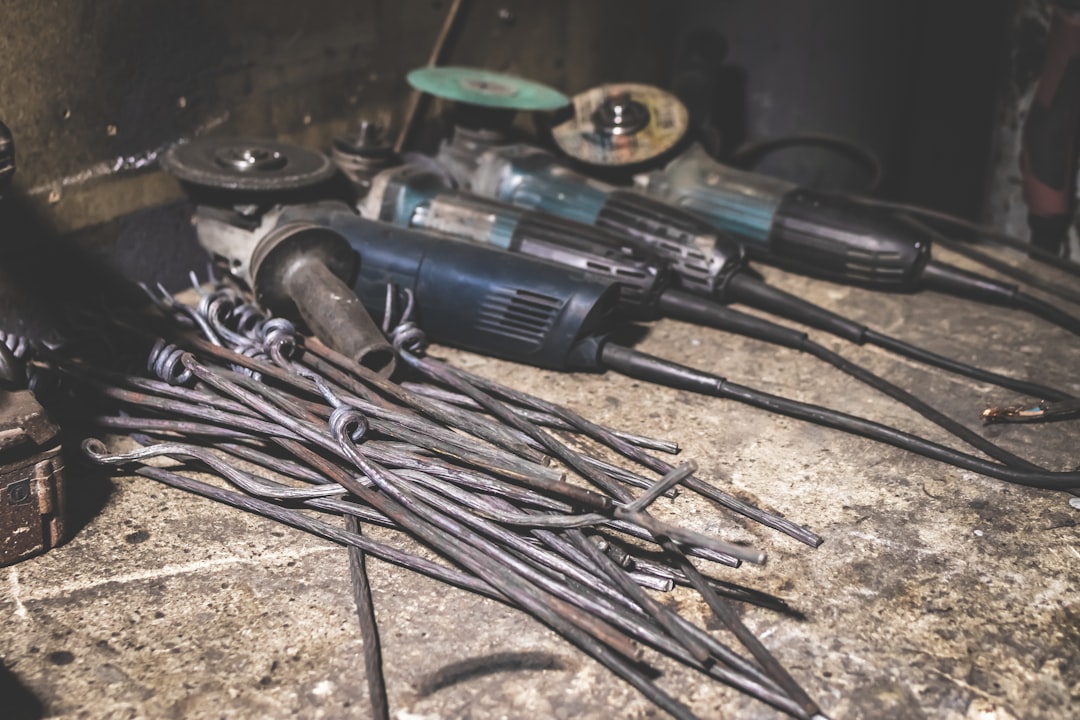
Have you ever found yourself in the middle of a DIY project, only to glance at the clock and wonder, "How late can I run power tools?" You're not alone.
We all want to respect our neighbors while finishing that perfect bookshelf or garden fence. Balancing your creativity and courtesy can be tricky, especially when time seems to slip away. Imagine mastering the art of timing, ensuring you're both productive and considerate.
This article will guide you through the dos and don'ts of power tool use during late hours. Get ready to dive into practical tips and expert advice that will keep your projects humming along smoothly, without the worry of disturbing your neighborhood peace.
Noise Regulations
Understanding noise regulations is crucial when planning to use power tools, especially in residential areas. You might be eager to get your DIY projects done, but respecting local noise ordinances is key to maintaining peace with your neighbors. The rules around noise can vary widely depending on where you live, and knowing these can save you from unexpected fines or complaints.
What Are Noise Regulations?
Noise regulations are laws set by local governments to control the levels of sound in certain areas during specific times. These rules aim to minimize disturbances in communities, ensuring that everyone can enjoy a peaceful environment. Typically, these regulations dictate the times when noise from power tools is permissible.
Why Do Noise Regulations Matter?
If you've ever tried to relax on a weekend morning only to be jolted awake by a neighbor's drill, you understand the importance of noise regulations. They help balance the needs of those working on projects with the rights of those seeking quiet. By adhering to these rules, you contribute to a harmonious neighborhood atmosphere.
Common Noise Regulation Hours
Many areas restrict the use of power tools to certain hours. For instance, weekdays might allow noise from 7 AM to 7 PM, while weekends have more limited hours. It's essential to check your local ordinances to avoid mistakenly running tools during prohibited times.
Practical Tips For Compliance
- Check your local city or county website for specific noise regulation details.
- Plan your projects around permissible hours to ensure compliance.
- Communicate with neighbors about your plans, especially for lengthy projects.
Have You Considered Your Neighbors?
Before starting your project late at night or early in the morning, think about how the noise affects those around you. Would you appreciate loud noises during your quiet time? Being considerate not only helps maintain good relationships but also prevents potential complaints.
Personal Experience With Noise Regulations
Once, I started a home renovation project early on a Saturday morning, eager to see progress. Shortly after, a neighbor kindly reminded me of the noise regulations. This experience taught me to always check local rules first. It also prompted me to plan projects during acceptable times, making sure not to disrupt the community's peace.
Understanding and respecting noise regulations is more than just following rules. It's about fostering community respect and ensuring everyone can enjoy their environment. Have you checked your local noise regulations before? Doing so can make all the difference in your project planning.
Local Ordinances
Understanding local ordinances is crucial for power tool use. Each city or town sets its own rules. These rules dictate noise levels and permissible times for tool use. Violating these can lead to fines or complaints from neighbors. It is important to stay informed about local laws to avoid issues. Check your area’s specific regulations regularly.
Understanding Noise Regulations
Every community has noise regulations. These rules limit sound levels. They also specify acceptable hours for noisy activities. Power tools are included under these regulations. Knowing the noise limits helps in planning your work. This ensures you do not disturb neighbors.
Permissible Hours For Tool Use
Permissible hours can vary greatly. Some areas allow tool use from 7 AM to 9 PM. Others may have stricter times. Always verify the allowed hours in your locality. This helps prevent disturbances and complaints. Adhering to these times fosters good neighbor relations.
Penalties For Violating Ordinances
Violating ordinances can result in penalties. Fines are common consequences. In some cases, repeat offenses may lead to increased fines. Understanding local rules helps avoid these penalties. Abiding by the rules benefits everyone in the community.
Finding Local Ordinance Information
Local government websites often list ordinances. They provide detailed information about noise laws. Libraries and community centers are also useful resources. You can find printed copies of local laws there. Keeping informed prevents unwanted surprises.
Residential Areas
Understanding noise regulations in residential areas is crucial for power tool users. People value peace and quiet, especially in their homes. Running power tools at the wrong times can disrupt this peace. This can lead to complaints or even fines. Knowing the appropriate times to use power tools can prevent these issues.
Understanding Local Noise Regulations
Local laws dictate noise levels in residential areas. These rules often restrict power tool usage during late hours. It's important to check your city's specific noise ordinances. This ensures compliance and maintains good neighbor relations.
Common Quiet Hours
Quiet hours often span from evening to early morning. Many areas enforce quiet hours from 10 PM to 7 AM. During these times, loud noise is usually prohibited. This includes the use of power tools.
Considerate Tool Usage
Being considerate with power tools is always a good practice. Aim to use them during daylight when noise is less intrusive. This consideration helps maintain a peaceful neighborhood.
Communicate With Neighbors
Communication with neighbors can prevent noise complaints. Inform them about any planned work that involves power tools. This courtesy can lead to better understanding and cooperation.
Apartment Complexes
Running power tools late in apartment complexes can disturb neighbors. Most complexes have quiet hours starting around 10 PM. Always check community rules to avoid complaints.
Living in an apartment complex brings a unique set of challenges, especially when it comes to using power tools. Whether you're an avid DIY enthusiast or simply need to fix a leaky faucet, knowing when you can use power tools is crucial. The last thing you want is to disturb your neighbors and risk complaints. So, how late can you run power tools in an apartment complex?
Understanding Noise Regulations
Every apartment complex has its own set of rules. Many have specific guidelines about noise, particularly during evening hours. Typically, quiet hours start around 10 PM. Check your lease or community guidelines to know the exact times.
Respecting Your Neighbors
Think about your neighbors' schedules. Some might work night shifts and sleep during the day. Knock on a few doors and ask if they have any preferences. Open communication can prevent conflicts.
Using The Right Tools
Some power tools are quieter than others. Opt for tools with noise-reducing features. Battery-operated tools often produce less sound compared to their electric counterparts. Investing in these can make a big difference.
Planning Your Projects
Schedule noisy tasks during the day. Plan your project timeline around weekends or early evenings. This ensures you have enough daylight and won't disrupt anyone's rest.
Handling Complaints Gracefully
If someone complains, address it immediately. Apologize and find a compromise. Maybe you can shift your work to a more convenient time. Being understanding can go a long way.
Personal Experience: A Lesson Learned
I once decided to put together a bookshelf at 9 PM. Within minutes, my neighbor knocked, politely asking if I could wait until morning. I realized I hadn't considered how the sound traveled through the walls. This taught me to always think about others before starting any noisy project. Before picking up that drill, ask yourself: Is it the right time? Respect and consideration can make apartment living harmonious for everyone.
Decibel Levels
Power tools can be noisy, often exceeding acceptable decibel levels. Local regulations usually restrict usage at night. Many areas suggest stopping by 9 PM to minimize disturbances, ensuring peace in neighborhoods. Always check local noise ordinances for specific guidelines.
Running power tools can be a noisy affair, especially when you're tackling projects that require heavy-duty equipment. Understanding decibel levels is crucial not just for maintaining peace with your neighbors, but also for protecting your hearing.
What Are Decibel Levels?
Decibel levels measure the intensity of sound. Imagine your favorite song playing softly in the background; that's a low decibel level. Now picture a rock concert right in your living room—that’s high! Power tools generally fall closer to the concert end of the scale.
How Loud Are Your Power Tools?
Different tools emit different noise levels. A cordless drill may seem quiet, but it can reach up to 95 decibels. On the other hand, a chainsaw can blast past 110 decibels. That’s about as loud as a jet taking off nearby. You might want to wear ear protection if you're planning a long day of DIY.
The Impact On Hearing
Prolonged exposure to high decibel levels can damage your hearing. Think of your ears as fragile instruments. Would you leave them exposed to blaring sounds without protection? Probably not. Regular use of noisy tools without earplugs or earmuffs can lead to hearing loss over time.
Decibel Levels And Your Neighborhood
Most residential areas have noise regulations. Have you ever had a neighbor complain about your late-night DIY sessions? Local ordinances might restrict power tool use to certain hours. It's worth checking your community's noise bylaws.
Practical Steps To Manage Noise
Consider using quieter tools if possible. Some manufacturers offer models designed to reduce noise. Also, scheduling your work during less sensitive times can help. Try choosing late morning or early afternoon when most people are out. Do you think about decibel levels when planning your projects? Next time you pick up a power tool, consider not just what you're building, but the sound you're making. Your ears—and neighbors—will thank you.
Quiet Hours
Understanding quiet hours is important for peace in neighborhoods. These hours are designated times when noise levels should be minimized. Running power tools during these hours can disturb the quiet and lead to complaints. Knowing the rules helps in maintaining harmony with neighbors.
What Are Quiet Hours?
Quiet hours vary by location. Typically, they start in the evening and last overnight. Most areas set quiet hours between 10 p.m. and 7 a.m. Local ordinances define these hours to prevent noise disturbances.
Why Respect Quiet Hours?
Respecting quiet hours shows consideration for others. Many people rest or sleep during these times. Avoiding loud noises helps everyone relax and unwind. It fosters a friendly atmosphere in communities.
Consequences Of Ignoring Quiet Hours
Ignoring quiet hours can lead to complaints. Neighbors might report disturbances to authorities. Fines or penalties could be imposed for repeated violations. Maintaining good relations with neighbors is crucial.
Tips To Stay Within Quiet Hours
Plan your projects wisely. Use power tools during daytime hours. Check local regulations for specific quiet hours. Communicate with neighbors about work schedules. Consider using quieter tools or methods when necessary.
Community Guidelines
Understanding community guidelines for power tool usage is crucial. Many areas restrict noisy activities to certain hours. Typically, weekdays allow use until early evening, but weekends might have tighter limits. Always check local rules to avoid disturbing neighbors and ensure compliance.
Running power tools is essential for many home projects, but when you live in a community, respecting the communal norms is crucial. Community guidelines often dictate when you can and cannot use these tools, ensuring peace and harmony among neighbors. Let’s dive into how you can navigate these guidelines effectively.
Understanding Community Regulations
Before you start your project, check the local regulations. Communities often have specific noise ordinances. These rules typically outline quiet hours, which might be in the evening or early morning. Knowing these regulations helps you plan your work schedule. You avoid potential fines and maintain good relationships with your neighbors.
Respecting Neighbor Preferences
Every community has its unique culture. Some neighbors might be more sensitive to noise than others. It’s always a good idea to have a conversation with those around you. Ask your neighbors about their schedules. You might find they have specific times when noise is particularly disruptive. Being considerate can go a long way in building goodwill.
Setting Time Limits For Tool Use
Limiting your power tool use is smart. Try setting clear time boundaries for your projects. This not only adheres to community rules but also helps you manage your time effectively. For example, you might decide to use tools between 10 AM and 6 PM. This timeframe is generally acceptable in most communities and minimizes disruption.
Using Tools Responsibly
Choose your tools wisely. Some tools are quieter than others, and investing in quieter options can be beneficial. This is especially useful if you need to work outside typical hours. Consider electric tools, which are often quieter than gas-powered ones. Your neighbors will thank you, and you’ll maintain a peaceful environment.
Finding Balance With Community Needs
Balancing your project needs with community expectations is crucial. Ask yourself: How can you complete your task while respecting others? This question helps you reflect on your approach. You might discover innovative solutions, like using hand tools for quieter tasks or scheduling your work for weekends when noise is less disruptive. Community guidelines are not just about rules; they’re about fostering a respectful and harmonious environment. By understanding and respecting these guidelines, you not only complete your projects smoothly but also contribute positively to your community’s well-being.
Considerate Practices
Using power tools late at night can disturb neighbors' peace. Check local noise ordinances to ensure you're compliant. Typically, 7 AM to 10 PM is a considerate timeframe for operation.
Using power tools can be noisy, often disturbing others around you. Practicing considerate habits can help maintain peace with your neighbors and household members. With some thoughtfulness and planning, you can run your power tools without causing a ruckus.
Understanding Local Noise Ordinances
Many communities have specific rules about when you can use power tools. These ordinances are usually in place to ensure people can enjoy their homes without excessive noise. Check your local government's website for details. This will help you plan your work schedule within acceptable hours.
Choosing The Right Time
Running power tools during traditional working hours is often best. Most people expect some level of noise during the day. Avoid early mornings and late evenings. This is when people are likely enjoying quiet time or resting.
Communicating With Neighbors
A simple heads-up to your neighbors can go a long way. If you plan a noisy project, let them know in advance. This shows consideration and can prevent potential complaints. People appreciate being informed, and it helps build good relations.
Using Quieter Tools
Not all power tools are equally noisy. Some brands manufacture quieter models designed for residential areas. Consider investing in these if you frequently use power tools at home. It might cost more initially, but it can save you from future headaches.
Implementing Noise Reduction Techniques
Adding some noise-reducing strategies can help. Using barriers or enclosures around your work area can significantly lower the noise level. Simple solutions like closing doors or windows can also make a difference. Your efforts will be appreciated by those around you.
Reflecting On Your Own Experiences
Have you ever been disturbed by noisy tools? Think about how you felt and apply that empathy when using your own. Your actions can inspire others to be considerate too. You’ll contribute to a more harmonious neighborhood, one project at a time.
Soundproofing Tips
Running power tools late into the night can disturb neighbors. Soundproofing your workspace can help minimize noise. It ensures peace for everyone around. Here are some effective tips for soundproofing your area.
1. Use Soundproof Curtains
Heavy curtains block noise from escaping your workspace. They are simple to install and effective. Choose curtains with a dense fabric. Hang them on windows and doors for the best result.
2. Install Acoustic Panels
Acoustic panels absorb sound waves. This reduces noise levels significantly. Place them on walls and ceilings. They come in various designs to suit your space.
3. Seal Gaps And Cracks
Sound travels through gaps and cracks. Use weatherstripping to seal doors and windows. Apply acoustic caulk on cracks in walls. This creates a tighter seal against noise.
4. Lay Down Carpets And Rugs
Carpets and rugs reduce noise by absorbing sound. They work well on hard floors. Choose thick materials for better soundproofing. Spread them across your workspace.
5. Use Soundproof Doors
Solid-core doors block more noise than hollow ones. Replace existing doors with these. Add door sweeps for extra noise reduction. This keeps sound contained within the room.
Alternative Solutions
Finding alternatives to using power tools late at night can be crucial. Respect for neighbors is important, but productivity must also be maintained. Explore these solutions that balance work efficiency and community harmony.
Hand Tools For Quiet Work
Hand tools are a peaceful option for night tasks. They reduce noise and allow focus on detailed work. Hammers, screwdrivers, or wrenches can complete many jobs without disturbing others.
Silent Power Tool Models
Some power tools are designed for quiet operation. They help finish tasks without loud noise. Brands offer drills and saws with reduced sound levels. Investing in these can help maintain a peaceful environment.
Soundproofing Techniques
Soundproofing your workspace can help. It keeps noise contained and minimizes disturbance. Use foam panels and heavy curtains to block sound. This creates a quieter atmosphere for late-night work.
Scheduling Work Hours
Plan your work hours wisely. Allocate noisy tasks during daytime. Reserve quiet tasks for the evening. This ensures productivity while respecting sleep schedules. Smart planning avoids conflicts with neighbors.
Legal Consequences
Running power tools late at night can lead to legal issues. Noise disturbances often result in complaints from neighbors. Understanding the legal implications is crucial. Violating noise ordinances can lead to fines. Repeat offenses might result in more severe penalties.
Understanding Local Noise Ordinances
Every area has specific noise regulations. These rules dictate acceptable noise levels at different times. Know the permitted times for using power tools. Ignorance of these laws is not a defense. Always check local regulations before starting any late-night projects.
Fines And Penalties
Breaking noise laws can lead to monetary fines. These fines vary based on your location. Some cities impose hefty penalties for repeat offenders. It's essential to be aware of potential costs. Avoid unnecessary expenses by complying with local noise rules.
Neighbor Complaints And Legal Actions
Excessive noise can lead to neighbor complaints. These complaints may escalate to legal actions. Neighbors have rights to a peaceful environment. Continuous disturbances can lead to lawsuits. Maintain good relationships by respecting noise limits.
Impact On Property Values
Frequent noise disturbances can affect property values. Potential buyers may avoid noisy neighborhoods. This can lead to decreased property demand. Maintaining a quiet environment is beneficial for everyone. Consider the long-term impacts of late-night noise.
Frequently Asked Questions
What Time Can I Legally Use Power Tools?
The legal time to use power tools varies by location. Typically, residential areas allow usage between 7 AM and 10 PM on weekdays. Weekends might have stricter hours, often starting at 8 or 9 AM. Always check local noise ordinances to avoid fines and disturbances.
Are There Noise Restrictions For Power Tools At Night?
Yes, most areas have noise restrictions during nighttime hours. Typically, using loud equipment like power tools is prohibited between 10 PM and 7 AM. These regulations aim to reduce disturbances in residential areas. Always consult your local guidelines for specific restrictions and times.
Can I Run Power Tools On Weekends?
You can run power tools on weekends, but hours may be more restricted. Many areas allow usage after 8 or 9 AM until early evening. Noise ordinances often differ for weekends, so it's essential to check local regulations to ensure compliance and avoid disturbing neighbors.
How Can I Reduce Power Tool Noise?
To reduce power tool noise, use quieter models or tools with noise-reducing features. Additionally, consider soundproofing your workspace with insulation or barriers. Wearing noise-canceling headphones can also help reduce noise exposure. Always inform neighbors if you'll be using power tools for extended periods.
Conclusion
Respecting neighbors is crucial when using power tools at night. Noise can disturb sleep and lead to complaints. Check local noise ordinances for guidance on acceptable hours. Communicate openly with neighbors to prevent conflicts. Use quieter tools if possible during late hours.
Consider your environment and community. Following these tips ensures harmony and peaceful coexistence. Safe and considerate tool use benefits everyone. Remember, being mindful fosters goodwill. Create a positive neighborhood atmosphere by respecting noise guidelines.