Have you ever wondered how much electricity your power tools consume? Whether you're a DIY enthusiast, a professional contractor, or just someone who loves to tinker, knowing the energy usage of your tools can help you save money and be more energy-efficient.
Understanding this can be the key to making smarter decisions about which tools to use and how to use them efficiently. Imagine not only getting the job done but also doing it in a way that's kind to your wallet and the environment.
This article is your guide to unraveling the mystery of power tool energy consumption, empowering you to take control of your energy use. Ready to dive in and discover how many kilowatt-hours your power tools really use? Keep reading to find out more!
Power Tools Energy Consumption
Understanding power tools' energy consumption is essential for homeowners and professionals. It helps in estimating electricity costs and managing energy use. Knowing the power requirements also aids in choosing the right tool for specific tasks.
Common Power Tools
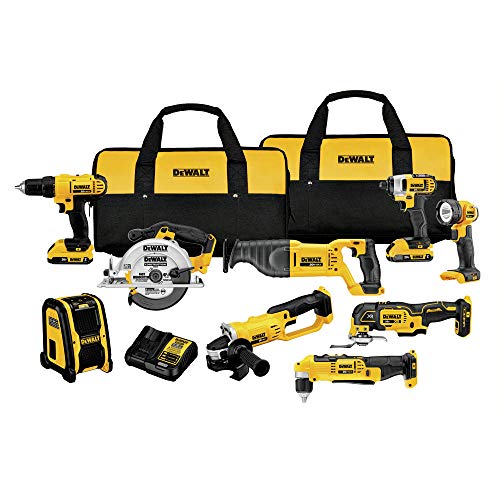
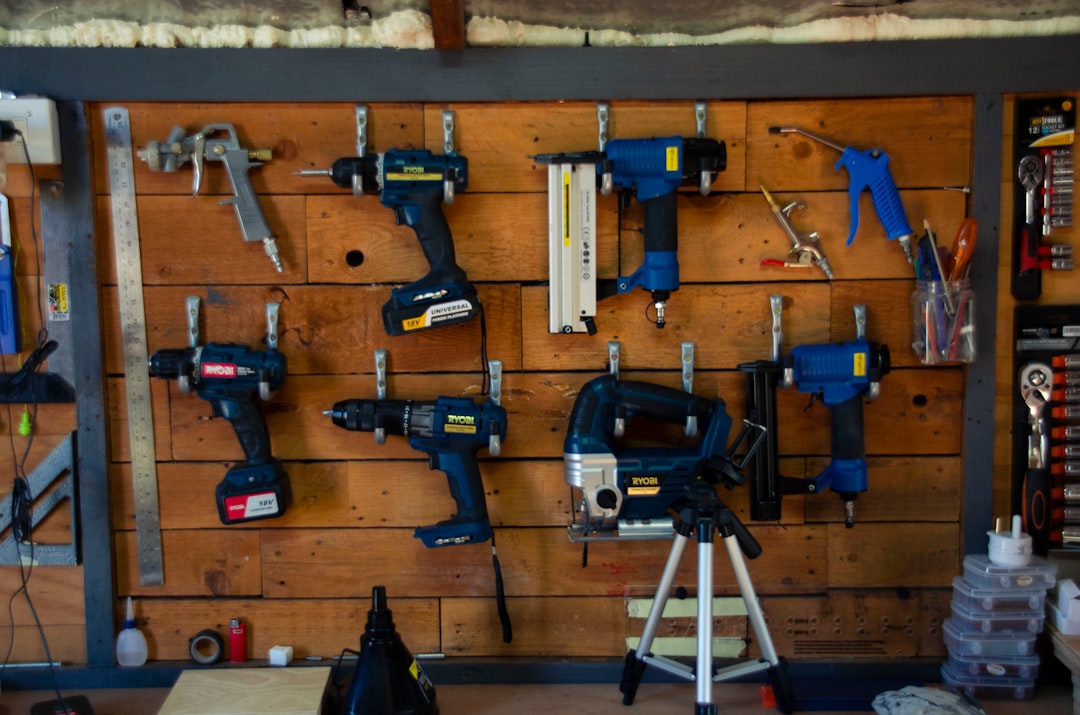
Power tools come in various types, each serving unique functions. Common ones include drills, saws, and sanders. Drills are often used for making holes in wood, metal, and plastic. Saws, like circular and jigsaws, cut through materials efficiently. Sanders smooth surfaces by abrasion with sandpaper.
Average Energy Usage
Energy use varies among different power tools. Drills typically use between 500 to 1,000 watts. Saws often consume more, ranging from 1,200 to 1,800 watts. Sanders generally use around 200 to 500 watts. These figures can help plan for energy use and budget costs effectively.
Factors Affecting Energy Use
Power tools are essential in many tasks, from home repairs to construction. Their energy consumption varies greatly. Understanding these factors helps manage energy costs. Several aspects impact the kilowatt-hour (kWh) use of power tools. This guide explores the main influences on energy consumption.
Tool Type And Size
The type of power tool plays a significant role in energy use. Large tools often consume more electricity. For instance, a heavy-duty drill uses more power than a small handheld one. Also, tools with multiple functions may use more energy. It is crucial to consider the tool's purpose and size when evaluating energy usage.
Usage Frequency
How often a tool is used affects energy consumption. Frequent use means higher energy bills. A tool running daily will consume more kWh than one used occasionally. Regular maintenance can also impact energy efficiency. Well-maintained tools often run more efficiently, using less power over time.
Efficiency Ratings
Efficiency ratings indicate a tool's energy performance. Higher ratings mean better energy efficiency. Tools with good ratings use less power, saving on energy costs. Checking these ratings before purchasing can lead to long-term savings. Energy-efficient tools also reduce environmental impact.
Measuring Energy Consumption
Power tools vary in energy consumption, typically using between 0. 5 to 2 kWh. Understanding usage helps in managing electricity costs. Efficient practices can reduce overall energy usage significantly.
Understanding how much energy your power tools consume is crucial for both cost savings and environmental responsibility. As you dive into projects, you might not immediately consider the impact of your tool's energy use. However, measuring energy consumption can provide insights that lead to smarter usage and savings. Let's explore how you can accurately measure the energy consumption of your power tools.
Understanding Kilowatt-hours
Kilowatt-hours (kWh) might sound technical, but they're just a measure of energy use over time. Imagine you're using a 1000-watt drill for an hour; that's 1 kWh. To grasp this better, think of kWh as your energy bill's language. The more kWh you use, the higher your bill. Knowing this helps you make informed decisions about when and how long to use your tools. How often do you wonder about the energy cost of a weekend project? Understanding kWh can turn that curiosity into actionable knowledge.
Tools For Measurement
Measuring the energy consumption of your power tools doesn't require a degree in engineering. With the right tools, it's quite straightforward. Energy meters are handy devices that plug between your tool and the power outlet. They display real-time energy usage, helping you track kWh as you work. Consider investing in a smart plug with built-in energy monitoring. Not only do they provide energy data, but they also offer convenience with remote control via smartphone apps. Have you ever thought about how much energy your favorite power tool uses during a project? With these tools, you can easily find out and adjust your habits accordingly. By understanding and measuring energy consumption, you can make informed choices about how you use power tools. This knowledge empowers you to save money and reduce your environmental footprint. Remember, small changes in usage can lead to significant savings over time.
Reducing Energy Costs
Reducing energy costs is crucial for anyone using power tools regularly. Power tools can consume a significant amount of electricity. Understanding how to minimize this usage helps in saving money. It also contributes to environmental conservation. By adopting energy-efficient practices, tool users can cut down their electricity bills.
Energy-efficient Alternatives
Consider investing in energy-efficient power tools. They use less electricity without compromising performance. Look for tools with the ENERGY STAR label. This ensures the tool meets strict energy efficiency guidelines. Battery-powered tools often consume less energy. Rechargeable models are also a good choice. They reduce dependency on continuous electricity supply.
Proper Tool Maintenance
Maintaining your tools ensures they run efficiently. Regular cleaning of power tools helps reduce energy consumption. Dirt and debris can hinder performance. Lubricate moving parts to enhance efficiency. This reduces friction and energy usage. Always check for worn-out parts. Replace them to ensure optimal performance. Proper maintenance extends the life of your tools. It also helps them use less electricity.
Environmental Impact
Power tools consume varying amounts of energy, impacting the environment. Their usage can range from 500 to 1,500 kWh annually, depending on frequency and duration. Understanding their energy consumption helps in making eco-friendly choices to reduce carbon footprint.
The Environmental Impact of power tools is a critical consideration as we aim to reduce our carbon footprint and promote sustainable practices. Power tools, while incredibly useful, consume electricity, which in turn affects the environment. Understanding their energy usage helps us make informed choices that benefit both our projects and the planet.
Carbon Footprint
The energy consumption of power tools contributes to your overall carbon footprint. A typical power drill, for example, might use around 500 watts per hour. If you're using it for extended periods, the energy use adds up, impacting the environment through increased carbon emissions. Think about how often and for how long you use your power tools. Are there times when manual tools could suffice? Reducing power tool usage even slightly can decrease your carbon footprint significantly.
Sustainable Practices
Adopting sustainable practices can mitigate the environmental impact of your power tool usage. Consider using energy-efficient tools, which are designed to perform with less power consumption. Look for tools with Energy Star ratings or similar certifications. Another practical step is to ensure your power tools are well-maintained. Regular maintenance not only extends the life of the tool but also ensures it operates efficiently, using less energy. You can also switch to rechargeable battery-operated tools. This reduces reliance on continuous electrical power and can be a more sustainable choice, especially if you charge them using renewable energy sources like solar panels. Have you ever thought about sharing tools with neighbors or renting them for occasional projects? This community approach reduces the need for everyone to own the same tools, cutting down on overall energy consumption and resource usage. What changes can you make today to reduce your power tools' environmental impact? Small adjustments in your habits and choices can lead to significant positive effects on the environment.
Frequently Asked Questions
How Much Electricity Do Power Tools Consume?
Power tools typically use between 500 to 1,500 watts. The exact consumption depends on the tool type and usage. Cordless tools might use less due to battery efficiency. Always check the manufacturer's specifications for accurate power usage. Using tools efficiently can help save electricity and reduce costs.
Are Cordless Power Tools More Energy-efficient?
Cordless power tools can be more energy-efficient. They rely on battery technology, which can optimize power consumption. However, efficiency depends on battery quality and tool usage. Proper charging habits also play a crucial role. Investing in high-quality batteries can enhance energy efficiency and tool performance.
What Factors Affect Power Tool Energy Usage?
Several factors affect energy usage in power tools. Tool type, wattage, and usage duration are primary factors. Efficiency can also depend on maintenance and power settings. Using the correct tool for specific tasks reduces unnecessary energy consumption. Regular maintenance ensures optimal performance and energy efficiency.
Do Power Tools Vary In Energy Consumption?
Yes, power tools vary significantly in energy consumption. Larger tools like saws consume more energy compared to drills. Tools with higher wattage ratings generally use more electricity. The tool's age, efficiency, and technology can also influence energy use. Always consider these aspects when selecting power tools.
Conclusion
Understanding power tool energy use helps save electricity costs. Choose tools wisely based on efficiency. Always check the label for wattage details. This way, you can plan your energy usage better. Consider energy-efficient models for long-term savings. Regular maintenance keeps tools working efficiently.
Clean tools use less power. Avoid overloading to prevent high electricity bills. Knowing the kilowatt-hour usage aids in budgeting. Efficient usage benefits both your wallet and the environment. Small changes make a big impact. Awareness is key. Make informed decisions for smarter tool use.
Your energy savings start now.