Are you curious about how much money Americans spend on power tools? You might find yourself reaching for a drill or a saw more often than you think.
Power tools are not just for professionals; they're essential for countless DIY projects and home improvements. Whether you're sprucing up your living space or tackling a repair, these tools are indispensable. But have you ever stopped to wonder about the financial impact of your power tool purchases?
Discover fascinating insights that might just surprise you about the spending habits surrounding power tools in the U. S. Dive deeper into the numbers and trends, and see how your own spending compares. Keep reading to uncover the full story behind America's power tool spending.
Power Tools Market Overview
Power tools are essential in both professional and DIY settings. They offer convenience and efficiency, transforming arduous tasks into manageable ones. The power tools market in the U.S. has seen significant growth, driven by innovation, accessibility, and increasing consumer interest in home improvement.
Consumer Spending Trends
Americans are spending more on power tools than ever before. This trend reflects a growing interest in DIY projects and home renovations. With more people working from home, there's a surge in home improvement activities. It's not just about fixing things; it's about creating spaces that reflect personality and comfort.
Have you noticed the uptick in online tutorials for home improvement? This accessibility empowers you to take on tasks you might have previously hired someone to do. Consequently, consumers are investing in quality power tools. The market offers a range of options, from high-end models to budget-friendly choices, catering to various needs.
Market Growth Factors
Several factors contribute to the growth of the power tools market. Technological advancements mean tools are more efficient and user-friendly. Cordless tools, for instance, have revolutionized the ease of use, allowing you to work without the hassle of cords.
Additionally, there's a cultural shift towards sustainability. Consumers are more inclined to repair and refurbish rather than replace. This mindset promotes the use of durable tools that can withstand frequent use. As a result, manufacturers are focused on producing eco-friendly tools that appeal to environmentally conscious buyers.
Impact Of Online Shopping
Online shopping has also impacted consumer spending. With the convenience of e-commerce, you can easily compare prices and features from the comfort of your home. This transparency often leads to more informed purchasing decisions.
Moreover, online platforms provide reviews and ratings, helping you choose the best tools for your projects. This availability of information fosters trust and confidence in your purchases. Have you ever felt empowered by reading a review that aligns with your needs? This connection between users enhances the shopping experience and drives market growth.
Future Outlook
Looking ahead, the power tools market is poised for continued expansion. Innovations in technology will likely lead to smarter, more connected tools. Imagine a tool that can provide feedback on usage patterns or maintenance needs. This future could change how you approach DIY projects.
As consumer preferences evolve, manufacturers will adapt to meet your needs. Whether you're a seasoned DIY enthusiast or a novice, the tools available will continue to offer solutions that enhance your projects. What new tool would revolutionize your home improvement activities?
Average Spending By Demographics
Research shows Americans spend significant amounts on power tools annually. Spending varies across age groups and income levels. Young adults and professionals often invest more in these tools for personal and work-related projects.
Understanding how much money Americans spend on power tools can be quite revealing, especially when you break it down by demographics. Different age groups, genders, and regions show varying spending habits. These insights can help you understand where you might fit in or help you make smarter purchasing decisions.
Age Groups
People in different age groups prioritize spending on power tools differently. Young adults in their 20s and 30s often spend less as they might be setting up their first homes or starting DIY projects. On the other hand, those in their 40s and 50s may invest more in quality tools as they're likely more involved in home improvement projects. Interestingly, retirees sometimes spend significantly on power tools, driven by newfound time for hobbies. Are you finding yourself following this trend, or do you break the mold? Take a moment to reflect on where your spending aligns.
Gender Differences
When it comes to gender, men and women traditionally show different spending patterns on power tools. Men tend to spend more, often driven by a passion for DIY projects or professional needs. Women, however, are increasingly closing the gap, driven by a surge in female DIY enthusiasts. Does your spending reflect these trends, or do you have a unique approach to purchasing tools? This shift highlights an evolving market where both genders are playing a significant role in home improvement.
Regional Variations
The region you live in can significantly influence your spending on power tools. In areas with older homes, like the Northeast, spending tends to be higher due to frequent repairs and renovations. Meanwhile, in the West, outdoor projects might drive more spending. Have you noticed how your region influences your buying habits? Recognizing these variations can be key to understanding broader market trends and personal spending habits. Whether you're a seasoned DIYer or just starting, these insights can help you make more informed choices.
Factors Influencing Spending
Power tools are essential in many American households. Spending on these tools varies. Several factors influence this spending. Understanding these factors helps in grasping the spending patterns. Let's explore some key influences on power tool spending.
Diy Trends
DIY projects are on the rise. Many Americans enjoy creating and fixing things themselves. This trend boosts power tool purchases. People buy tools for home repairs, crafting, and building furniture. DIY enthusiasts often share their projects online. This inspires others to join the trend. Affordable tools make DIY projects accessible to more people.
Professional Usage
Professionals in construction and maintenance need reliable tools. Quality and durability are crucial. Tradespeople, like electricians and carpenters, invest in professional-grade tools. These tools are often more expensive. They offer greater precision and power. Professional demand for high-quality tools is steady. It impacts the overall spending on power tools.
Technological Advancements
Technology in power tools evolves rapidly. New features attract buyers. Cordless tools with longer battery life are popular. Smart tools with connectivity options are in demand. These advancements make tasks easier and faster. Consumers are willing to spend more on innovative tools. They seek efficiency and convenience in their projects.
Popular Power Tool Brands
Americans spend significant amounts on power tools from renowned brands. These brands include DeWalt, Milwaukee, and Bosch. Quality tools are essential for DIY enthusiasts and professionals alike.
When it comes to power tools, Americans are willing to invest a significant amount of money. Whether for DIY projects or professional use, the demand for quality tools is high. But which brands are capturing the market? Let’s explore some popular power tool brands that dominate this space.
Market Leaders
Market leaders like DeWalt, Bosch, and Makita have long been the go-to choices for both professionals and hobbyists. These brands have earned their reputation by consistently delivering reliable, durable, and innovative tools. DeWalt, known for its rugged tools, ensures that even the toughest jobs are manageable. Bosch combines efficiency with cutting-edge technology, making it a favorite for those who love precision. Makita, with its strong focus on cordless tools, provides flexibility and mobility, which is crucial for on-the-go projects. These brands have massive customer bases because they consistently meet the expectations of quality and performance. Have you ever found yourself reaching for a DeWalt drill or a Bosch saw without even thinking twice? That's brand trust at its finest.
Emerging Brands
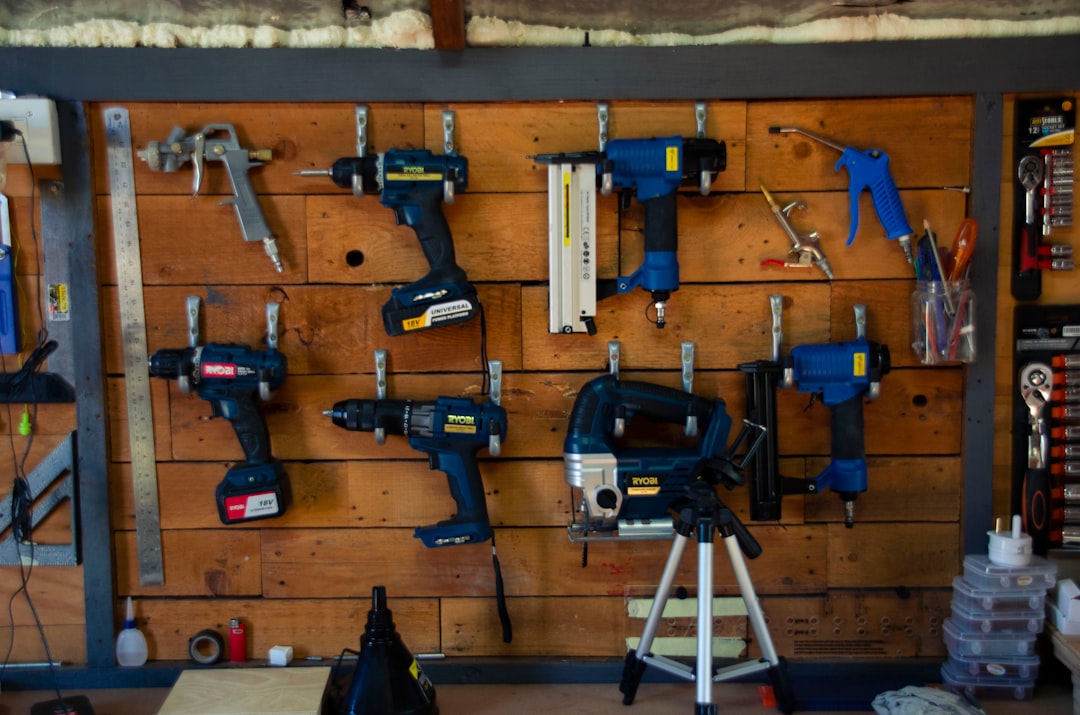
While the market leaders hold a significant share, emerging brands like Ryobi and Kobalt are making waves. These brands are capturing attention by offering competitive pricing without compromising on quality. Ryobi has carved a niche by focusing on the DIY segment. It provides tools that are user-friendly and affordable, perfect for someone who wants to start a home improvement project without breaking the bank. Kobalt, on the other hand, offers a variety of tools that combine functionality with a sleek design, appealing to those who value aesthetics as much as utility. These emerging brands are slowly shifting the landscape, challenging the giants with their innovative approaches. If you’ve tried a Ryobi tool, did you find it offered great value for the price? The power tool market is vast and varied, with options for every type of user. Whether you're loyal to a market leader or curious about an emerging brand, there's something out there that fits your needs and budget. What brand do you trust the most with your projects?
Seasonal Spending Patterns
Understanding how Americans spend money on power tools can reveal interesting patterns that vary throughout the year. These seasonal spending habits are influenced by holidays, weather changes, and home improvement trends. Knowing these patterns can help you make smarter purchasing decisions, whether you're a DIY enthusiast or a professional contractor.
Holiday Sales
During the holiday season, power tools often see a spike in sales. Retailers offer attractive discounts, making it a prime time for buyers to snag good deals. Whether it's Black Friday, Cyber Monday, or Christmas, these events are perfect for stocking up on essential tools.
Have you ever noticed how many people gift power tools during the holidays? It's a practical gift that supports hobbies and household projects. If you're planning to buy, keep an eye out for deals that can save you a significant amount.
Home Improvement Seasons
Spring and summer are popular seasons for home improvement projects. As the weather warms up, many people start outdoor projects, like building decks or renovating gardens. This increase in activity leads to higher spending on power tools.
Are you thinking of upgrading your home? Consider timing your purchases to these seasons. Doing so can ensure you're equipped with the right tools and might even help you find competitive prices due to increased demand.
Remember, planning ahead can save you money and hassle. Knowing when to buy can make your projects smoother and more cost-effective. Are you ready to optimize your spending patterns?
Impact Of Economic Factors
The money Americans spend on power tools isn't just a reflection of their love for DIY projects; it's tightly linked to economic factors. These factors can either encourage you to invest in that new drill or make you think twice about upgrading your toolbox. Understanding how the economy affects power tool spending can help you make informed decisions.
Economic Downturns
During economic downturns, people often tighten their belts. You may find yourself postponing that purchase of a high-end saw because you're uncertain about future income. When the economy is sluggish, spending habits change, and luxury items, including expensive power tools, may take a backseat. In these times, you might opt for repairing existing tools rather than buying new ones.
Recession periods can see a dip in sales as consumers prioritize essentials. However, some might argue that investing in good-quality tools can be a long-term saving. If you buy a durable drill now, it might prevent the need for frequent replacements, saving you money down the line.
Consumer Confidence
Consumer confidence plays a significant role in your purchasing decisions. When you feel good about the economy, you're more likely to splurge on that top-tier power tool. A robust economy boosts confidence, leading to increased spending on non-essential items like power tools.
But what happens when consumer confidence drops? You might start questioning your spending. Is that new tool a necessity or a luxury? During periods of low confidence, you may find yourself researching more affordable alternatives or simply delaying purchases until economic indicators look promising again.
Have you ever bought a tool during a high-confidence period, only to regret it when the economy took a turn? It's a common experience, highlighting the need to balance enthusiasm with economic realities. How do you navigate this delicate balance when considering your next power tool purchase?
Future Spending Trends
Americans spend substantial amounts on power tools annually. This trend grows as DIY projects and home improvements gain popularity. Consumers increasingly prioritize quality and durability in their purchases.
As Americans look towards the future, the spending trends on power tools are set to evolve. With the increasing focus on efficiency and innovation, how will your choices in power tools reflect these changes? Let's dive into what you can expect in the coming years.
Sustainability Considerations
Imagine standing in your garage, surrounded by tools that not only help you build but also contribute to a healthier planet. More consumers are choosing power tools that minimize environmental impact. Manufacturers are now designing tools with recyclable materials and energy-efficient batteries. As you consider your next purchase, think about its ecological footprint. Would you pay a bit more for a tool that lasts longer and uses less energy?
Smart Technology Integration
Picture yourself adjusting the settings of your power drill through a smartphone app. Smart technology is increasingly becoming a part of power tools, enhancing ease and precision in your projects. Tools now come equipped with features that allow you to monitor performance and receive maintenance alerts. As these advancements become commonplace, your toolbox might soon look very different. How could smart technology change the way you approach your DIY projects? Understanding these trends will help you make informed decisions. Whether you're a hobbyist or a professional, staying ahead of these changes ensures that your investments are both practical and future-proof.
Frequently Asked Questions
How Much Do Americans Spend Annually On Power Tools?
Americans spend billions annually on power tools, with costs varying by tool type and brand. Factors influencing spending include home improvement trends and professional needs. The average annual expenditure can range from a few hundred to several thousand dollars per household, reflecting diverse usage and purchasing habits.
What Are The Most Popular Power Tools In The Us?
Popular power tools in the US include drills, saws, and sanders. Drills are versatile for home and professional use. Saws are essential for woodworking projects. Sanders are favored for finishing tasks. These tools are commonly purchased due to their functionality and efficiency in various tasks.
How Do Americans Save Money On Power Tools?
Americans save on power tools by shopping sales and using coupons. They often purchase during holiday sales or clearance events. Buying refurbished tools is another cost-effective strategy. Researching brands and comparing prices can help consumers find quality tools at lower prices.
What Factors Influence Power Tool Spending?
Spending on power tools is influenced by project scope, tool quality, and professional needs. Home improvement projects increase demand and spending. Professionals invest in high-quality tools for reliability. Seasonal discounts and new technology also affect spending patterns among consumers.
Conclusion
Americans spend significant amounts on power tools. These tools are essential for many. People buy them for home projects and professional work. Costs can vary widely. Some choose basic models; others invest in high-end brands. The right tool can make tasks easier and faster.
It's important to budget wisely. Understanding spending habits helps make informed decisions. Whether for hobby or job, power tools are a key expense. Remember, quality often matters more than quantity. Choose wisely and spend responsibly. This ensures both satisfaction and value for money in every purchase.