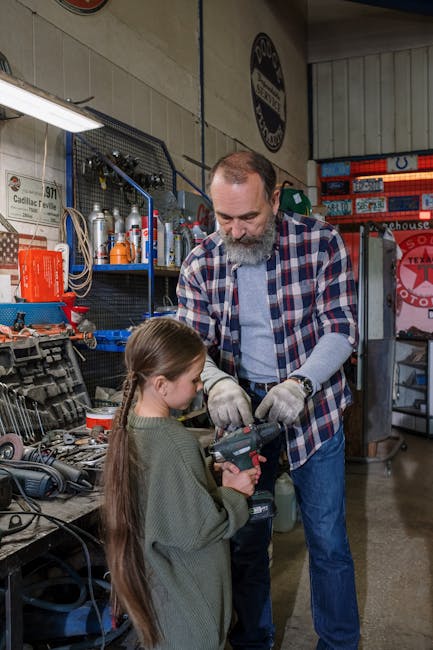
Are you planning to upgrade your toolbox with some new power tools? Or maybe you're just starting out and wondering how much you should invest?
The price of power tools can vary widely, and it's not always easy to determine the right amount to spend. You might be tempted to splurge on high-end models, but is that really necessary? On the other hand, settling for the cheapest option might leave you with tools that don't deliver the performance you need.
So, how do you strike the perfect balance between cost and quality? We'll guide you through the factors to consider when deciding how much to spend on power tools, ensuring you make a choice that suits both your budget and your project needs. Keep reading to find out how to make smart purchasing decisions that will save you time, money, and frustration.
Setting A Budget
Setting a budget for power tools is crucial if you want to make the most of your money while getting the tools you need. It's easy to get overwhelmed by the sheer variety of tools available, each with different features and price tags. By focusing on your unique needs and prioritizing essential tools, you can create a budget that works for you.
Assessing Your Needs
Before you start adding tools to your cart, take a moment to assess your needs. What projects do you have in mind? Are you a weekend DIY warrior, or are you planning something more substantial like renovating your home? Understanding your projects will guide your choices.
Think about the frequency of use. If you only need a tool for a one-time project, consider borrowing or renting instead of purchasing. This saves money and prevents clutter. However, if you plan to use a tool regularly, investing in quality will pay off in the long run.
Consider your skill level. Are you just starting out, or do you have experience with power tools? Beginners might benefit from simple, user-friendly tools, while experienced users might prefer advanced features.
Prioritizing Essential Tools
Once you've assessed your needs, prioritize the tools essential to your projects. Create a list of must-have tools and nice-to-have options. This helps you focus on essentials without overspending.
Power drills, saws, and sanders are often considered basic tools for most projects. Start with these and expand your collection as needed. If you find yourself using a tool frequently, it might be wise to invest in a more durable, higher-end model.
Check if any of your essential tools offer versatility. A multi-tool can perform several tasks, potentially saving you money and storage space. It's a great way to stretch your budget while covering more ground.
Have you ever bought a tool only to realize you rarely use it? Share your story in the comments and let us know which tools you think are essential!
Types Of Power Tools
When deciding how much to spend on power tools, understanding the different types available can help you make an informed choice. Power tools come in various categories, each designed for specific tasks, offering unique advantages and drawbacks. Let's explore some of these types to guide your decision-making process.
Cordless Vs. Corded
Choosing between cordless and corded power tools depends on your priorities. Cordless tools offer flexibility and freedom as they are not tethered to an outlet. Imagine working on a project where you need to move around frequently—cordless tools are your best friends here.
However, they might require frequent battery changes or charging, impacting your workflow. Corded tools, on the other hand, provide consistent power without the worry of battery life. You can work uninterrupted for hours, but you're limited by the length of the cord. What's more important to you—mobility or consistent power?
Handheld Vs. Stationary
Handheld tools offer portability and ease of use, making them ideal for small tasks or quick jobs. They're great for projects where precision and maneuverability are key. Imagine crafting a detailed wood sculpture—handheld tools give you the flexibility to shape intricate details.
Stationary tools, such as table saws, are perfect for larger projects requiring power and stability. They provide accuracy and efficiency for heavy-duty tasks. Think about building furniture; stationary tools can significantly speed up the process. Consider the nature of your projects when deciding between handheld and stationary tools.
Ultimately, the choice of power tools hinges on your personal preferences and project requirements. Reflect on your experiences and needs; this will guide you to the right investment. Remember, the right tool not only makes the job easier but also enhances your craftsmanship.
Quality Vs. Cost
Choosing the right power tool involves balancing quality and cost. Both factors play a significant role in determining the best tool for your needs. Investing in a high-quality tool can lead to better performance and longevity. Spending less may save money upfront but might result in frequent replacements. Understanding the trade-offs between quality and cost is crucial. It ensures you make a wise investment.
Brand Reputation
Established brands often deliver reliable quality. They have a track record of producing durable tools. Trusted brands invest in research and development. They aim to improve their products continuously. Their tools often come with warranties that offer peace of mind. Lesser-known brands might offer lower prices but can lack consistency. Reviews and customer feedback help gauge a brand's reputation.
Durability And Longevity
Durability is key for power tools used frequently. High-quality materials ensure tools withstand wear and tear. Longevity means less frequent replacements. This saves money over time. Look for tools with robust construction and solid design. Check for features like rust-resistant parts. A durable tool can handle tough jobs without breaking. Investing in longevity ensures reliable performance.
Where To Buy
Finding the right balance in spending on power tools is crucial. Quality tools might require a larger investment but offer durability and efficiency. Consider your needs and budget to make a wise purchase decision.
When you're ready to invest in power tools, deciding where to buy can be as crucial as choosing the tool itself. The right retailer can offer more than just a product; they can provide customer service, warranties, and even advice. Let's explore your options with an eye towards getting the best value for your money.
Online Retailers
Purchasing from online retailers offers convenience that can't be beaten. You have the luxury of shopping from your couch, and you can easily compare prices across different websites. Popular platforms like Amazon and eBay often provide customer reviews, which can be incredibly helpful. Online retailers frequently offer discounts and deals that you might not find in-store. Sign up for newsletters to get notifications about upcoming sales. However, be mindful of shipping costs, especially for heavy tools, which can add up quickly. Do you worry about buying without physically seeing the tool? Many online stores have return policies that allow you to test the tool and return it if it doesn't meet your expectations. Always check the return policy before making a purchase.
Local Hardware Stores
Shopping at a local hardware store gives you the advantage of physically inspecting the tool before buying. You can assess its weight, grip, and overall feel. Plus, you can ask the staff for advice and recommendations, which can be invaluable if you're a beginner. Local stores often have sales associates who are knowledgeable about the products they sell. They can offer insights that you might not find online. In one instance, I learned about a less-known brand that was more affordable and just as reliable. Supporting your local economy is another benefit of purchasing from nearby stores. You contribute to your community, and sometimes you can even negotiate prices. However, the trade-off might be a smaller selection compared to online giants. Whether you opt for the ease of online shopping or the tactile experience of a local store, consider what's most important to you. Is it the convenience, the price, or the personal touch? Your priorities will guide you to the right place to buy your next power tool.
Sales And Discounts
Deciding how much to spend on power tools during sales can be tricky. Consider quality and long-term needs before purchasing. Balancing budget and value ensures a wise investment.
When it comes to buying power tools, figuring out how much to spend can be tricky. One savvy way to save is by taking advantage of sales and discounts. These opportunities can significantly reduce costs without compromising on quality. By being strategic about when and how you purchase, you can equip yourself with the tools you need without breaking the bank.
Seasonal Offers
Timing is everything when it comes to snagging the best deals. Retailers often slash prices during specific times of the year. Black Friday, Cyber Monday, and end-of-year sales are prime examples. You might find that waiting for these periods can yield substantial savings. I once waited for a summer sale to buy a cordless drill and saved 30% off the regular price. Are you willing to wait for a better deal?
Bulk Purchase Benefits
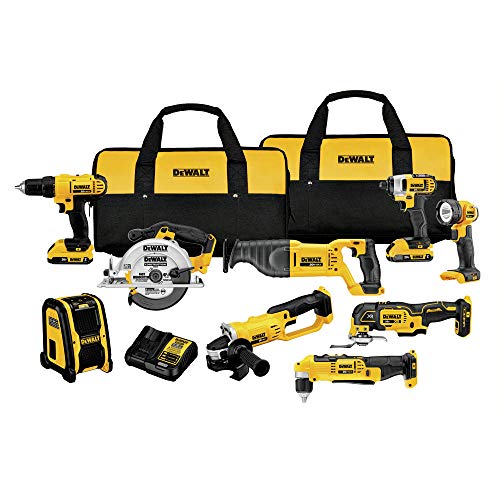
Buying in bulk isn't just for groceries. Many retailers offer discounts if you purchase a set or bundle of tools. This is particularly beneficial if you're looking to build or expand your toolkit. Consider joining forces with friends or colleagues to buy in bulk and split the savings. A friend and I once pooled our resources to purchase a combo kit, and we each ended up saving about 15%. Are you working on multiple projects? If so, bulk purchases can be a game-changer for your budget. Remember, the key is not just to save money but to spend wisely. Be on the lookout for these opportunities and think about how they can fit into your buying strategy.
Second-hand Options
Exploring second-hand options can help you save money on power tools. Consider spending based on tool condition and brand. Research market prices to find the best deals without compromising quality.
When it comes to outfitting your toolbox, second-hand power tools can be a smart choice. They offer a chance to save money while still getting the functionality you need. But how do you determine if a used tool is worth your investment? Let's dive into the pros and cons, and learn what to inspect before making a purchase.
Pros And Cons
Buying second-hand tools can be a mixed bag. On the plus side, you can save a significant amount of money compared to buying new. This is especially true for high-end brands that maintain their quality over time. Some tools, like drills or saws, are built to last and may only need minor upkeep to function perfectly. However, there are drawbacks. Without a warranty, you may be left in the lurch if the tool breaks down. The risk of buying a faulty item is higher, and you might end up spending more on repairs than you saved initially. Have you ever scored a fantastic deal on a second-hand tool, only to find out later it needed a costly repair? It's a gamble, but it can be worth it with the right precautions.
What To Inspect
Before handing over your cash, take a close look at the tool’s condition. Check for any visible wear and tear or signs of rust. These could indicate neglect or poor maintenance. Test the tool if possible. Plug it in and see if it runs smoothly without any odd noises. Ensure that all settings and features function as expected. Look for any missing parts. A missing charger or attachment could mean additional costs down the line. Ask the seller about the tool's history. Knowing whether it was lightly used or regularly employed can give you insights into its lifespan. By inspecting these details, you can avoid unwanted surprises and make a more informed decision. Are you ready to explore the second-hand market with confidence?
Long-term Investment
Investing in power tools is more than just a purchase; it's a commitment to quality work and efficiency. When you buy a high-quality tool, you're not just buying metal and plastic. You're investing in your future projects. Think about the time saved and the frustrations avoided with reliable equipment. Consider this: is it better to spend more upfront for longevity or less and risk frequent replacements?
Warranty And Service Plans
One crucial aspect of long-term investment is the warranty and service plan that comes with your power tool. A robust warranty can be a lifesaver. Imagine your tool breaks down during a critical project. A good warranty ensures you won't be left in the lurch. It's not just about repairs; service plans can offer maintenance checks that keep your tools in top shape.
Check if the brand offers a comprehensive service plan. Some companies provide extended warranties that cover parts and labor for several years. Others might offer annual check-ups. Wouldn't it be reassuring to know your investment is protected for the long haul?
Future-proofing Purchases
Choosing a power tool is also about future-proofing your toolbox. Technology evolves, and tools do too. Consider tools that offer compatibility with future attachments or upgrades. This adaptability ensures your tool won't become obsolete. How many times have you wished a tool had a feature that wasn't available? Choose wisely now, and you might not have to replace it for newer features.
Also, think about the ecosystem of the brand. Does it offer a range of tools that work seamlessly together? A unified system can save you time and effort. Wouldn't it be convenient to have a battery that works across multiple tools? This kind of foresight can make your investment last longer.
Ultimately, investing in the right power tool involves careful consideration of warranties, service plans, and future-proofing. It's about ensuring your tools stand the test of time and technological advancement. Are you ready to make an investment that pays off in the long run?
Frequently Asked Questions
How Much Should I Budget For Power Tools?
Budgeting for power tools depends on your needs and frequency of use. For occasional DIY projects, spending $100-$300 is adequate. Professionals may require higher-end tools, costing $500 or more. Consider the brand, tool type, and specifications to make an informed decision.
Are Expensive Power Tools Worth It?
Expensive power tools often offer better durability, performance, and features. They are ideal for professionals who require reliable tools daily. For occasional users, mid-range tools might suffice. Evaluate the tool's longevity, warranty, and reviews to determine if a higher price is justified.
What Factors Influence Power Tool Costs?
Power tool costs are influenced by brand reputation, quality, features, and technology. Advanced features like brushless motors and lithium-ion batteries increase prices. Consider the tool's intended use, frequency, and specific needs to ensure you select the right tool within your budget.
Can I Find Quality Tools On A Budget?
Yes, quality tools are available on a budget. Look for reputable brands offering entry-level models. Check online reviews, warranties, and user feedback. Sales, discounts, and refurbished tools can also provide quality options at lower prices. Prioritize essential features to get the best value.
Conclusion
Finding the right budget for power tools matters. Quality over price is key. Cheap tools may break quickly, costing more in the long run. Consider your needs and how often you'll use the tool. Invest in reliable brands for frequent use.
For occasional use, mid-range tools can suffice. Always compare prices and read reviews before buying. Sales and discounts can help save money. Prioritize safety features and durability. Remember, spending wisely ensures satisfaction and long-term use. Make informed decisions to get the best value for your money.
Choose tools that fit your budget and needs.