Are you wondering if your child is ready to handle power tools? It's a question many parents face as their kids grow up and show interest in building and creating.
You want to nurture their curiosity and skills, but safety is your top priority. This article will guide you through deciding the right age for your child to start using power tools. You'll discover the factors to consider and the steps to ensure their safety.
By the end, you'll feel confident about making an informed decision that balances their eagerness to learn with your peace of mind. Keep reading to empower your child with knowledge and skills, while keeping them safe.
Age Guidelines For Power Tool Use
When kids show interest in using power tools, it's natural for parents to wonder about the right age for them to start. Power tools can be exciting but potentially dangerous. Knowing the appropriate age guidelines is crucial for safety. Let's dive into some recommendations to ensure your child can explore their DIY skills safely.
Recommended Age Range
Children under 10 are generally too young for power tools. Their motor skills and judgment are still developing. Tools can be unpredictable, and younger kids might not react quickly enough.
Consider starting around age 12 with simple tools like cordless drills. These tools are easier to handle and less intimidating. Make sure they understand basic safety measures first.
By age 14, kids can progress to more complex tools, like saws, under supervision. Their physical and mental abilities are better suited for handling these challenges.
Developmental Considerations
Every child develops at their own pace. Some may be ready earlier, while others need more time. Assess your child's maturity, patience, and ability to follow instructions.
Does your child pay attention to details? Can they focus for extended periods? These are important factors when considering power tool use.
Discuss safety rules and observe how your child applies them. This will give you insight into their readiness. Remember, it's not just about age but their overall development.
Have you noticed your child taking an interest in fixing things around the house? Encouraging this curiosity can help them develop practical skills. But always prioritize safety above all.
Parents, have you ever thought about the impact of teaching your kids these skills? Not only do they gain confidence, but they also learn responsibility and problem-solving. Isn't it fascinating how a simple task can teach so much?
Types Of Power Tools For Kids
Kids can safely enjoy basic power tools designed for their age, like toy drills and small hammers. These tools build creativity and fine motor skills. Always supervise and ensure they use age-appropriate options to prevent accidents.
When considering power tools for kids, it’s essential to understand the different types and their associated risks. Selecting the right tools not only ensures safety but also empowers your child to learn valuable skills. Let's break down the types of power tools suitable for kids into two categories: low-risk and high-risk.
Low-risk Tools
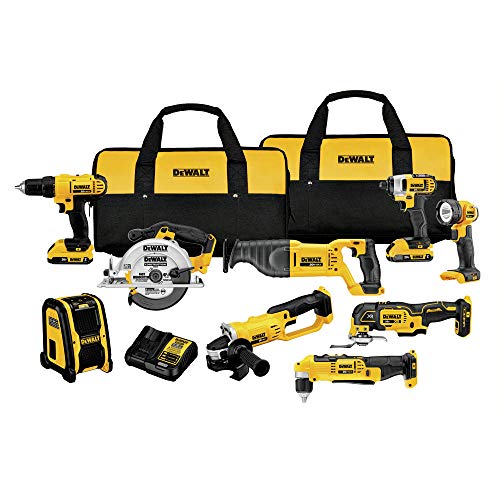
Low-risk power tools are a great starting point for introducing kids to the world of DIY projects. These tools generally have safety features that minimize the chance of accidents. One popular choice is the cordless drill with adjustable speed settings. It allows kids to drill holes and drive screws with ease, and the lack of a power cord reduces tripping hazards. Another option is the electric screwdriver. It's lightweight and easy to handle, perfect for small hands. Many models include a clutch to prevent over-tightening screws. Glue guns are also considered low-risk, especially the ones designed for kids with lower temperatures. They can foster creativity while teaching the importance of precision and patience. Which low-risk tool would your child enjoy using? Consider their interests and project ideas to decide.
High-risk Tools
High-risk power tools require more supervision and are better suited for older children with prior experience. These tools can perform more complex tasks but demand respect and caution. A jigsaw allows for intricate cutting of wood or plastic, but it requires concentration and steady hands. It’s a good tool for those ready to tackle more challenging projects. Circular saws fall into this category due to their speed and sharp blades. They should only be used under close adult supervision and with proper safety gear. Power sanders can be dangerous if not handled correctly. They are useful for finishing touches but need careful operation to avoid accidents. Before introducing high-risk tools, ensure your child understands safety protocols. How can you ensure they are ready? Engaging them in conversations about responsibility and safety might be a good start. Choosing the right power tools for your kids involves balancing safety and learning opportunities. Which tools will spark your child's interest and teach them valuable skills? Consider their readiness and enthusiasm, and you'll find the perfect fit.
Safety Gear Essentials
Kids should be at least 12 years old to use power tools under adult supervision. Safety gear like goggles and gloves is essential to protect them. Teach safe handling to prevent accidents and build confidence.
Safety Gear Essentials are crucial for kids using power tools. Proper gear minimizes risks and ensures a safe experience. Before starting, equip kids with the right protective clothing, eye, and ear protection. Ensuring safety gear is essential for preventing accidents and injuries.
Protective Clothing
Kids should wear fitted clothing when using power tools. Loose clothes can get caught in moving parts. A sturdy apron adds an extra layer of protection. Closed-toe shoes are a must. They protect feet from falling objects. Gloves are important, but ensure they fit well. Oversized gloves reduce control and increase danger.
Eye And Ear Protection
Eye protection is vital. Flying debris can injure eyes easily. Safety goggles should cover the eyes completely. They shield against dust and sharp fragments. Ear protection is equally important. Power tools are noisy and can harm hearing. Use earplugs or earmuffs to reduce noise exposure. Young ears are sensitive and need extra care.
Supervision And Guidance
Kids can start using power tools at around 12 years old with supervision and guidance. Parents must ensure safety measures are followed. Teaching proper handling techniques early helps prevent accidents.
Introducing children to power tools can be both exciting and daunting. The key to ensuring a safe and rewarding experience is proper supervision and guidance. With the right support, kids can learn valuable skills and gain confidence in their abilities. But how do you decide when and how to guide them? Let’s explore some critical aspects of supervision and guidance when children use power tools.
Parental Involvement
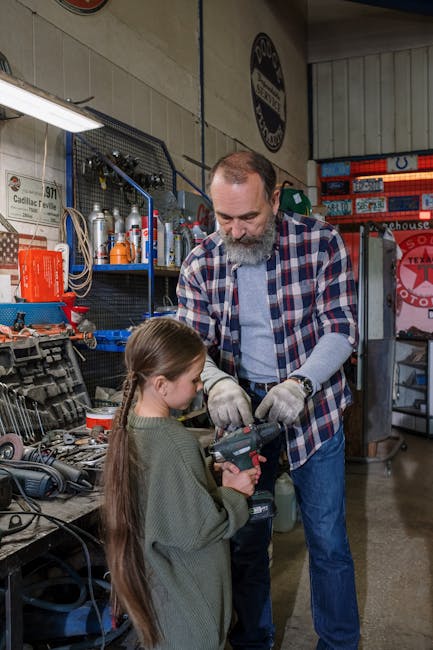
As a parent, your role is crucial. Being present while your child uses power tools is more than just keeping an eye on them; it's about active participation. Share your own experiences and demonstrate the proper handling of tools. Discuss safety rules clearly. For instance, emphasize the importance of wearing safety goggles and keeping the work area clean. This not only keeps them safe but also instills a sense of responsibility. Think back to your first encounter with a power tool. Who was there to guide you? Your presence can provide the same reassurance, turning a potentially intimidating task into an empowering adventure.
Professional Instruction
Consider enrolling your child in a workshop or class led by professionals. These settings offer structured environments where kids can learn under the guidance of experienced instructors. Professionals can teach techniques that might not be obvious to a novice. They offer insights into tool maintenance, material selection, and project planning. This kind of structured learning can complement your hands-on guidance. What skills do you wish you had learned earlier? Professional instruction can help your child develop a well-rounded skill set, making their experience with power tools both safe and enriching. Remember, the goal isn't just to teach kids how to use tools. It's about nurturing their curiosity and helping them discover the joy of creating. With the right supervision and guidance, they can safely embark on this journey.
Creating A Safe Workspace
Creating a safe workspace is crucial for kids using power tools. Safety measures prevent accidents and teach responsibility. A well-organized area boosts confidence and focus. Ensuring everything has its place is key. Let's dive into how to create this safe haven.
Organized Tool Storage
Start with proper storage for each tool. Shelves and pegboards keep tools in sight. Kids should learn where tools belong. Labels can help them remember. A clean space reduces the chance of accidents. It also makes it easy to find tools fast.
Ensure tools are out of reach for young children. This prevents misuse and keeps them safe. Regular checks help maintain order. Teach kids to return tools after use. This habit fosters discipline and responsibility.
Clear Work Areas
Clear work areas are essential for safety. Free the space of clutter and debris. This gives kids room to move safely. A tidy area keeps distractions at bay. It helps kids concentrate on their tasks.
Ensure pathways are open and clear. Kids should know where to walk and stand. Mark any hazards with tape or signs. This helps them avoid potential dangers. A clear area promotes a focused and safe environment.
Emergency Procedures
Deciding the right age for kids to use power tools involves safety and maturity. Children should be at least 12 years old and supervised by an adult. Proper training and understanding of emergency procedures are essential for their safety.
When it comes to kids using power tools, safety should always be the top priority. Understanding emergency procedures is crucial to ensure a quick and effective response if an accident occurs. Whether it's a minor cut or a more serious injury, knowing what steps to take can make all the difference. As a parent, you want to be prepared and confident in handling unexpected situations. This section will guide you through essential emergency procedures, focusing on First Aid Basics and Emergency Contacts.
First Aid Basics
Knowing first aid basics is essential for any parent supervising kids using power tools. Imagine your child accidentally cuts their finger while using a saw. You need to act quickly. Clean the wound gently with water to remove debris. Then, apply pressure with a clean cloth to stop the bleeding. If the injury is deep, you might need to use a bandage or seek medical attention. Teaching kids basic first aid can empower them to handle minor injuries themselves. It’s a valuable skill that boosts their confidence and safety awareness.
Emergency Contacts
Keep a list of emergency contacts within reach. Have you ever been in a situation where you needed urgent help and couldn’t remember the number? Having a list ensures you're prepared. Include contacts for local medical services, poison control, and trusted family members. Save these numbers in your phone and write them down in a visible spot at home. Consider adding contact information for neighbors who can provide quick assistance. Remember, every second counts in an emergency, so having these numbers readily available is vital. Are you confident you know who to call if an emergency arises? Make sure you're ready.
Educational Resources
Children should be at least 12 years old to start using basic power tools under supervision. Proper guidance ensures safety and builds skills. Always prioritize child-friendly tools and safety gear.
Teaching kids how to safely use power tools is a valuable skill that can spark creativity and confidence. Educational resources play a crucial role in guiding this learning journey. They offer structured paths for children to understand the intricacies of tool usage while prioritizing safety. Let's dive into some practical ways to educate young enthusiasts.
Online Tutorials
Online tutorials are a fantastic resource for kids eager to learn at their own pace. Platforms like YouTube offer a plethora of videos tailored to beginners. These tutorials can simplify complex concepts with step-by-step guidance. Consider choosing tutorials with visuals and clear instructions. Many creators focus on the essentials, like how to hold a tool or the importance of wearing safety gear. This visual learning can be particularly effective for kids who thrive on seeing and doing. Have you ever watched a tutorial alongside your child? It can be a bonding experience, enhancing both learning and trust. You might find yourself surprised by how much you learn too!
Workshops And Classes
Workshops and classes offer hands-on experience, which is invaluable. Local community centers often host sessions where kids can learn from skilled instructors. These classes emphasize safety and technique, ensuring children understand the responsibility that comes with using power tools. Enrolling your child in a workshop can be a great way to introduce them to new skills. It’s a controlled environment where mistakes are learning opportunities, not setbacks. Plus, kids get to interact with peers, sharing experiences and ideas. Consider attending a class with your child. Watching them handle tools under expert supervision can be reassuring. It also gives you insights into their strengths and areas where they might need more support. Educational resources are more than just information; they are stepping stones to mastering skills safely. Have you found a resource that transformed your child's learning experience?
Frequently Asked Questions
At What Age Can Kids Use Power Tools?
Kids can start using power tools at around 12. Supervision and training are crucial at this age. Ensure they understand safety measures and proper handling. Parents should assess maturity and responsibility before allowing usage. Introduce tools gradually and always prioritize safety.
Are Power Tools Safe For Children?
Power tools can be safe if used correctly. Safety gear and supervision are essential. Teach kids proper handling and maintenance. Start with simpler tools like drills before moving to complex ones. Always monitor their usage to prevent accidents.
How Can I Teach Kids Tool Safety?
Start with basic safety rules and demonstrate proper usage. Use age-appropriate tools and emphasize the importance of protective gear. Encourage questions and practice supervised usage. Reinforce safety through repetition and make learning engaging.
What Are Beginner Power Tools For Kids?
Beginner tools include cordless drills and small sanders. These tools have fewer risks and are easy to handle. Ensure tools have safety features and are lightweight. Introduce them gradually to build confidence and skills.
Conclusion
Choosing the right age for kids to use power tools is vital. Safety always comes first. Parents need to assess their child's maturity. Supervision is key. Start with simple tools. Teach proper handling and care. Build confidence slowly. Create a safe environment.
Set clear rules. Encourage questions and learning. Kids can learn and have fun safely. Always prioritize safety and understanding. It's about teaching skills and responsibility. Proper guidance ensures a safe experience. Keep it fun and educational. A responsible approach builds future tool skills.
Safety and learning go hand in hand.