Imagine the impact you could have if you had the right tools in your hands. Power tools have revolutionized the way missionary work is done, and understanding this transformation might just change how you view missions.
Whether it's building a community center or repairing a water well, these tools have become essential in spreading hope and making a tangible difference. You might be surprised by how power tools, often seen as mere instruments, can become catalysts for change, bringing people together and uplifting entire communities.
Curious about how this happens? Read on to discover the powerful connection between tools and transformation in missionary work.
Advancements In Missionary Work
Advancements in missionary work have transformed communities worldwide. With new tools, missionaries reach more people effectively. Power tools have played a crucial role in this evolution. They aid in building infrastructure, improving living conditions, and spreading messages.
Historical Methods
In the past, missionaries relied on manual labor. Simple tools like hammers and saws were common. Constructing shelters and schools took time and effort. Often, local materials were the only resources available. This made building projects slow and labor-intensive. Communication involved letters and word of mouth. It required patience and perseverance.
Modern Techniques
Today, power tools have streamlined missionary work. Electric drills and saws cut building time significantly. They allow for faster construction of homes and community centers. Better buildings improve living standards and provide safe spaces for gatherings.
Power tools also assist in creating sustainable energy solutions. Solar panel installations become easier and more efficient. This provides communities with reliable electricity. Communication has evolved with technology, too. Digital tools enable real-time conversations across the globe. Sharing information and resources becomes seamless and efficient.
Role Of Power Tools
Power tools have significantly aided missionary work by speeding up construction projects. They make building homes, schools, and churches easier and quicker. This efficiency helps missionaries focus more on community and spiritual outreach.
Role of Power Tools In the world of missionary work, power tools have become invaluable assets. They've shifted the paradigm from simple hand tools to more sophisticated, efficient machinery. The transformation is noticeable, making a significant difference in various aspects of mission-driven projects.
Accessibility Enhancement
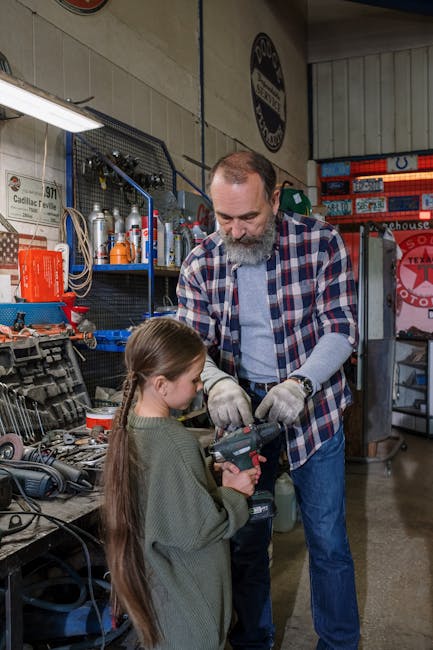
Power tools have made construction and repair work more accessible in remote areas. Imagine trying to build a school or a clinic with just a hammer and nails. Now, with power tools, what used to take weeks can be accomplished in days. For missionaries working in isolated regions, having access to tools like cordless drills and portable saws means they can build essential structures more quickly. This accessibility ensures that even the most remote communities can benefit from necessary infrastructure. Have you ever considered how much easier it is to assemble furniture with an electric screwdriver compared to a manual one? The presence of power tools has also enabled volunteers from diverse backgrounds to participate in construction work. With minimal training, almost anyone can contribute meaningfully. This not only speeds up projects but also fosters a sense of community and shared purpose.
Efficiency In Construction
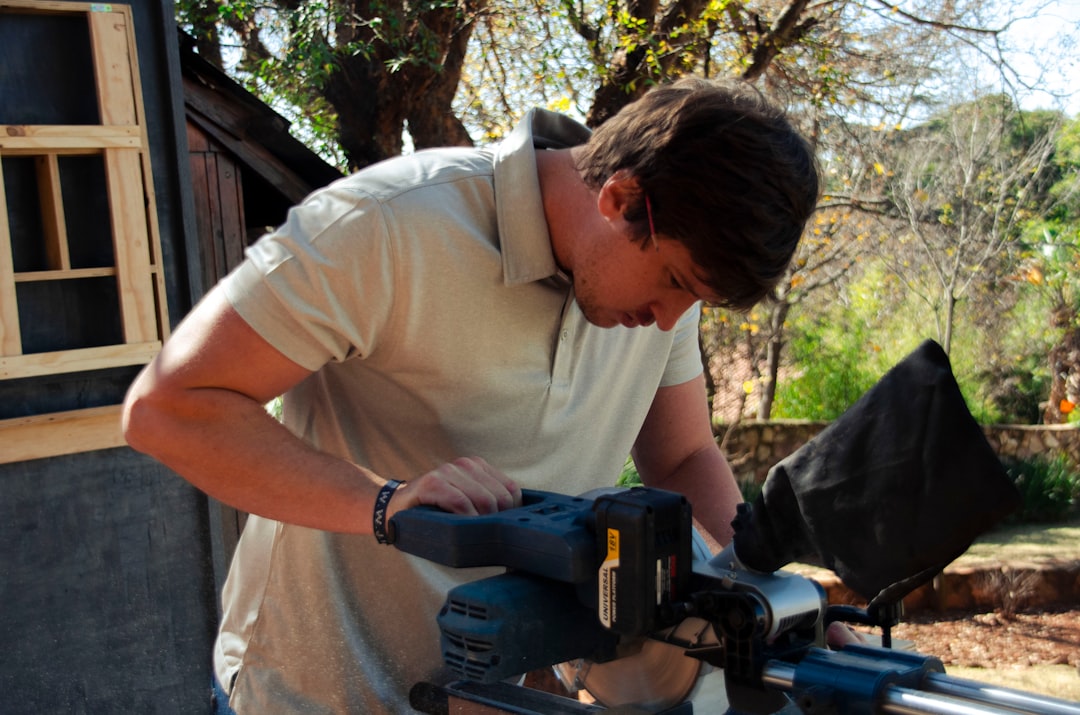
Efficiency is crucial when you're racing against time and resources. Power tools have dramatically increased the speed of construction work. Tasks that once required hours can now be completed in minutes. Consider the impact of a power saw cutting through lumber in seconds, compared to the laborious process of using a hand saw. This efficiency not only saves time but also conserves energy, allowing missionaries to focus on other vital tasks. The precision offered by power tools ensures that structures are built to last. This durability means that communities can rely on these buildings for years, reducing the need for constant repairs. What would you do with the extra time and energy saved by using power tools? In my experience, when helping build a community center in a remote village, the presence of a simple power drill made a world of difference. It not only sped up the project but also boosted the morale of the entire team. The sense of accomplishment was palpable, knowing that our efforts would stand the test of time. Power tools have undeniably transformed missionary work. By enhancing accessibility and efficiency, they have enabled volunteers to make a lasting impact. Have you ever thought about how a tool can change the world for the better?
Infrastructure Development
Infrastructure development plays a crucial role in missionary work. It lays the foundation for communities to thrive and grow. Power tools have been instrumental in speeding up and improving the quality of this development.
Think about building a school or a hospital. With the right tools, you can complete projects in less time and with fewer resources.
Let's explore some ways power tools have made a difference in missionary work.
Building Schools And Hospitals
Schools and hospitals are vital to community growth. Power tools help create these essential buildings efficiently. Consider the ease of using electric drills and saws compared to manual tools.
Drilling into concrete walls is no longer a tedious task. You can mount shelves and install equipment swiftly. This efficiency means more children have access to education faster. Patients receive care in well-equipped environments.
Have you ever thought about the ripple effect of building a school or hospital? It transforms a community and offers hope and opportunities.
Housing Projects
Housing projects are another area where power tools shine. Missionary workers often face the challenge of building homes in remote areas. Power tools simplify this process.
Imagine cutting lumber or installing roofs without advanced tools. It would be slow and labor-intensive. With power tools, you speed up construction and improve safety. Workers face fewer risks because tasks are completed more accurately and efficiently.
Have you ever experienced the joy of handing over keys to a family moving into a safe home? It's a testament to the impact of power tools in missionary work.
Power tools have truly transformed infrastructure development in missionary work. They empower workers to build and nurture communities effectively.
What other ways can technology aid in missionary endeavors? Your thoughts could lead to new insights and innovations.
Empowerment Through Technology
Technology shapes the future of missionary work. Power tools are key in this evolution. They bring empowerment and new opportunities. Modern tools make projects faster and more efficient. Communities see tangible results quickly. With every completed project, hope and progress shine through.
Skill Training
Power tools require skillful operation. Missionaries offer training sessions. Locals learn to handle these tools safely. Practical skills lead to job opportunities. More people gain employment in construction and repair. This skill training builds confidence and independence.
Community Upliftment
Completed projects uplift whole communities. Buildings rise, providing shelter and safety. Infrastructure improves with paved roads and clean water systems. Schools and clinics emerge, enhancing education and health. Power tools turn plans into reality. They help build a brighter future for everyone.
Environmental Considerations
Power tools significantly boost efficiency in missionary work, aiding construction and repairs in remote areas. Reduced manual labor means volunteers can focus on community engagement and service. This environmentally conscious approach optimizes resources and lessens strain on natural habitats.
When discussing the role of power tools in missionary work, it's essential to consider their environmental impact. While these tools significantly aid in building and repairing structures, their use also raises questions about sustainability and resource management. As missionaries, how can you ensure that your work respects and protects the environment? Let's explore some strategies that align power tool use with eco-friendly practices.
Sustainable Practices
Adopting sustainable practices is crucial for minimizing environmental impact. Choose power tools with energy-efficient features. This not only reduces energy consumption but also sets a positive example for local communities. Consider the source of your tools. Are they made from recycled materials? Opting for tools with sustainable origins can make a significant difference.
Resource Management
Efficient resource management is another key consideration. Make a habit of planning your projects carefully. This minimizes waste and ensures that every material is used to its fullest potential. Organize community workshops to educate locals on resource conservation. Sharing knowledge empowers others to take responsibility for their environment. Imagine a village that lacks proper waste disposal, and you introduce composting as part of a building project. Such initiatives can turn simple construction into a learning opportunity. In what ways can you integrate eco-friendly practices into your missionary work with power tools? Every small effort counts in protecting our planet.
Future Prospects
The world of missionary work is evolving, and power tools are playing a pivotal role in this transformation. As technology advances, so does the potential to reach more communities and enhance the impact of missionary efforts. The future prospects for power tools in mission work are promising, opening new doors for innovation and expansion.
Innovations In Tools
Imagine a future where power tools are not only stronger but smarter. With the rise of AI and smart technology, tools could adapt to different environments and tasks automatically. This could save time and resources, allowing missionaries to focus on their core mission: serving communities.
Portable solar-powered tools could become a game-changer in remote areas. These tools would eliminate the dependency on electricity, making it easier to build infrastructure in places with limited access to power. Wouldn't it be amazing to carry a toolbox that can work anywhere, anytime?
3D printing technology is another exciting prospect. It allows for the creation of essential items right on the mission site. From building components to medical supplies, the possibilities are endless. How could this technology reshape the future of missionary work?
Expanding Missions
With advanced power tools, missions can expand their reach far beyond current limitations. Imagine constructing homes, schools, and hospitals in record time. The efficiency of these tools can drastically reduce project timelines, enabling more projects to be completed in less time.
Power tools can also facilitate training and skill development. Local communities could learn to use these tools, empowering them to take charge of their own development. Could this be the key to sustainable change and growth?
As missions expand, the scope of their impact grows. Power tools enable projects that were once deemed impossible. They help build relationships, foster trust, and create lasting change. How can your involvement in mission work benefit from these advancements?
Power tools are not just instruments; they are catalysts for change. The future is bright, and the possibilities are vast. Let's embrace these prospects and continue to make a difference.
Frequently Asked Questions
How Have Power Tools Improved Missionary Work Efficiency?
Power tools have significantly enhanced efficiency in missionary work by reducing manual labor. Tasks like construction and repairs are completed faster and with more precision. This allows missionaries to focus more on their core mission activities, expanding their reach and impact in communities.
What Types Of Power Tools Are Most Useful For Missionaries?
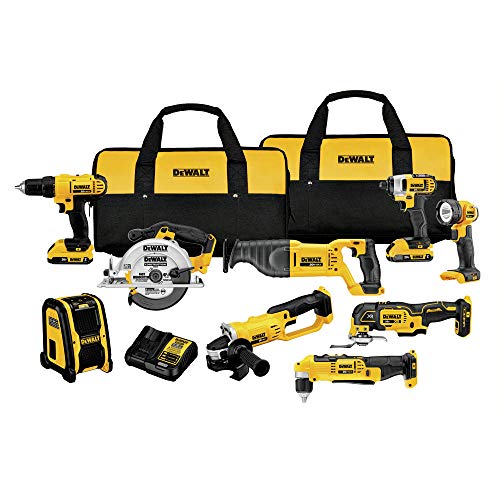
Missionaries often rely on drills, saws, and generators for their work. Drills and saws help with construction and repairs, while generators provide essential power in remote areas. These tools are crucial for building infrastructure and supporting community projects.
How Do Power Tools Aid In Community Development Projects?
Power tools enable quicker construction of schools, hospitals, and shelters. They allow missionaries to complete projects faster, benefiting the community sooner. By facilitating rapid development, power tools help improve living standards and access to essential services.
Are Power Tools Sustainable For Long-term Missionary Work?
Yes, power tools are sustainable if maintained properly and used efficiently. Regular maintenance and proper storage ensure longevity. Additionally, using rechargeable tools can reduce dependency on fuel, making them more environmentally friendly and cost-effective for long-term projects.
Conclusion
Power tools greatly aid missionary work. They speed up building projects. Volunteers accomplish more tasks in less time. This efficiency allows focus on community needs. Safety improves with modern tools, reducing injury risk. Complex tasks become manageable with the right equipment.
Tools help missionaries build schools and homes. They bring hope and change to communities. These tools support missions, making them more effective. With power tools, the work becomes easier and faster. They empower missionaries to make a bigger impact. Through better tools, missions can grow and reach more people.
A true blessing for those who serve.