Are you curious about how to become a skilled maintenance tool maker? If you're looking to dive into a career that's both challenging and rewarding, then you've come to the right place.
Becoming a maintenance tool maker isn't just about mastering tools; it's about crafting precision, ensuring smooth operations, and solving problems with creativity and expertise. Imagine the satisfaction of knowing that your work keeps factories running efficiently and machinery performing optimally.
This article will guide you through the essential steps, skills, and insights needed to excel in this field. Whether you're starting from scratch or looking to enhance your existing skills, you'll find valuable tips and strategies to help you thrive. Let's explore how you can make a significant impact and enjoy a fulfilling career as a maintenance tool maker. Read on to discover the secrets to success in this fascinating profession.
Role Of A Maintenance Tool Maker
Crafting precision tools requires skill and attention. Tool makers ensure machines run smoothly by creating and maintaining specialized equipment. The journey involves mastering techniques in metalwork and understanding machinery.
The role of a maintenance tool maker is crucial in ensuring that machinery and equipment run smoothly in various industries. They are the unsung heroes who keep the production lines moving without a hitch. As a maintenance tool maker, your main task is to craft, repair, and maintain tools that are essential for the operation of machinery. This role demands precision, patience, and a keen eye for detail. You’ll find that every day brings new challenges and opportunities to showcase your skills.
Daily Responsibilities
Your daily responsibilities will vary, but they often include inspecting equipment for wear and tear, repairing or replacing parts, and ensuring that all tools are in top condition. Each morning might start with a checklist of machinery to evaluate, ensuring everything runs as it should. You could be called upon to troubleshoot a malfunctioning piece of equipment, requiring you to think on your feet and solve problems quickly. Working closely with engineers and machine operators, you’ll ensure that any tool-related issues are resolved promptly. This collaboration is vital to prevent downtime, which can be costly for any business. An interesting part of your day might involve creating custom tools for specific tasks, allowing you to tap into your creativity and technical skills.
Skills Required
To excel as a maintenance tool maker, you need a mix of technical skills and personal attributes. A strong understanding of machinery and mechanical systems is essential. You’ll often work with complex equipment, so being able to read and interpret technical drawings is a must. Attention to detail is another critical skill. Precision is crucial when crafting or repairing tools, as even the slightest error can lead to equipment failure. Patience is your ally here, especially when tasks require meticulous attention and can’t be rushed. A good maintenance tool maker also possesses excellent problem-solving abilities. When a machine stops working, you need to diagnose the issue quickly and efficiently. Imagine being the person who can always find a solution when everyone else is stumped—it's a rewarding feeling! Do you have what it takes to become a maintenance tool maker? The role is not just about fixing things; it's about ensuring that everything operates smoothly, day in and day out.
Education And Training
Becoming a maintenance tool maker requires a blend of skills and knowledge. Education and training play a crucial role in this journey. They provide the foundation needed to excel in this technical field. Understanding the educational pathways is essential for aspiring tool makers.
Formal Education
A high school diploma is typically required to start. Courses in mathematics, physics, and engineering are beneficial. They build the necessary analytical and technical skills. Vocational schools offer specialized programs in tool making. These programs cover the basics of machining and tool design. Certificate programs are also available. They focus on specific tool-making techniques. These programs often include hands-on training.
Apprenticeships
Apprenticeships provide practical experience under skilled professionals. They are vital for learning real-world applications. Apprenticeships usually last two to four years. During this time, apprentices learn to use various tools and machinery. They gain insights into safety practices and industry standards. Apprenticeships offer a chance to earn while learning. This practical experience is invaluable in building a career.
Essential Tools And Equipment
To become a successful maintenance tool maker, understanding essential tools and equipment is crucial. These tools form the backbone of daily tasks. They enhance precision and efficiency. Selecting the right tools is key to crafting high-quality components. Let's explore the must-have tools that every tool maker should own.
Basic Toolkit
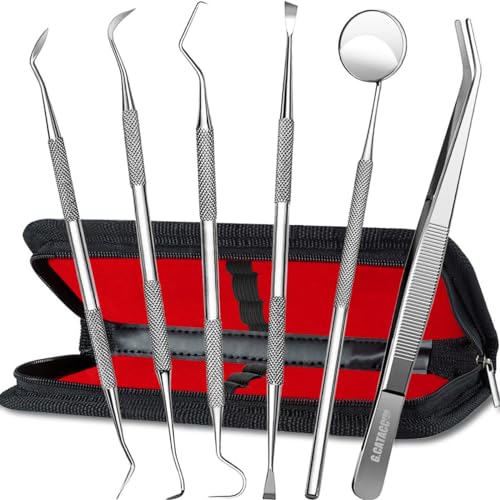
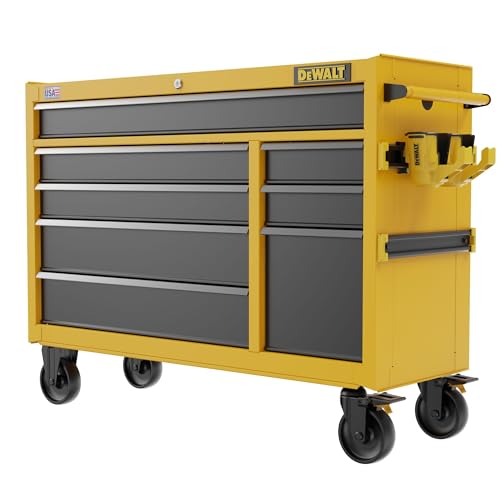
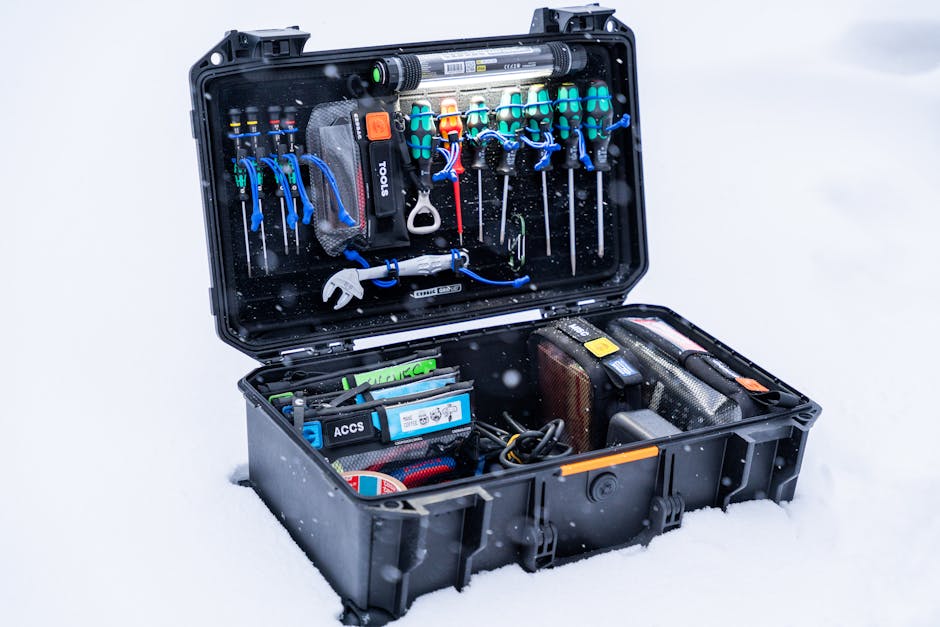
A basic toolkit lays the foundation for any tool maker's work. It includes essential hand tools like hammers, screwdrivers, and pliers. Measuring tools such as calipers and micrometers are vital. They ensure accuracy in measurements. A sturdy workbench is necessary for stability. Safety gear like gloves and goggles protect during tasks. Each tool serves a specific purpose, aiding in precision. These tools are the first step towards mastering the craft.
Advanced Machinery
Advanced machinery elevates the skills of a tool maker. Lathes shape metal pieces with precision. Milling machines cut and drill with exactness. CNC machines automate complex tasks, enhancing productivity. Grinding machines refine surfaces, ensuring smooth finishes. Hydraulic presses shape materials with force and accuracy. Each machine adds value, improving quality and efficiency. Mastering these tools is a step forward in the field.
Techniques For Tool Making
Crafting maintenance tools requires precision and skill. Start by understanding material properties and how tools function. Practice shaping, grinding, and assembling to perfect each tool's form and utility.
Crafting tools with precision and efficiency is at the heart of being a successful maintenance tool maker. Your tools are not just objects but extensions of your skill and craftsmanship. Understanding and applying the right techniques can make all the difference in your creations.
Precision Techniques
Precision is key when it comes to tool making. It's what separates a functional tool from a great one. Start by ensuring your measurements are exact. A millimeter off can result in a tool that doesn't fit or work properly. Use a digital caliper for accurate measurements. It's a small investment but pays off immensely. It's like having a trusted friend who always gets the math right. Pay attention to the details. Sharp edges, smooth surfaces, and proper alignment are crucial. Ask yourself: Does this tool feel right in my hand? If not, what needs to change?
Efficiency Methods
Efficiency in tool making isn't just about speed; it's about smart work. Organize your workspace so that you know where everything is. A clean, well-laid-out workshop saves time and reduces stress. Consider creating a checklist for your tool-making process. It keeps you on track and ensures you don't miss any steps. Consistency leads to better results. Batch your tasks. If you're cutting metal, do it for multiple projects at once. This minimizes setup time and maximizes productivity. Remember, efficiency doesn't mean cutting corners. It's about using your time and resources wisely to produce the best tools possible. --- By mastering these techniques, you not only improve your tool-making skills but also enhance your productivity and satisfaction. What changes can you make today to refine your tool-making process?
Safety Practices
Ensuring safety is key for a maintenance tool maker. Always wear protective gear like gloves and goggles. Keep the workspace clean to avoid accidents.
Safety is paramount for anyone stepping into the world of maintenance tool making. As you embark on this journey, understanding and adhering to safety practices not only keeps you safe but also enhances your efficiency and confidence in the workshop. Let's delve into the essential safety practices every aspiring maintenance tool maker should embrace.
Personal Protective Equipment
When handling tools and machinery, your safety gear is your first line of defense. Wearing the appropriate personal protective equipment (PPE) can prevent injuries and accidents. Always ensure you have safety goggles to protect your eyes from flying debris. Gloves are essential to safeguard your hands from cuts and burns. Steel-toed boots can protect your feet in case of dropped tools or materials. Don't underestimate the importance of ear protection in a noisy workshop. A veteran tool maker once shared with me how investing in quality earmuffs saved his hearing. Do you consistently wear your PPE? Even seasoned professionals sometimes skip this crucial step. Prioritizing it can make a world of difference in your safety.
Workplace Safety Protocols
Adhering to workplace safety protocols is vital. This includes ensuring that your workspace is well-organized and free from clutter. An untidy environment can lead to trips, falls, and other accidents. Familiarize yourself with the emergency procedures in your workshop. Knowing the location of fire extinguishers, first aid kits, and emergency exits can be lifesaving. Regularly check the condition of your tools and machines. Faulty equipment is a common cause of workplace injuries. Always report any hazards you notice to your supervisor or safety officer. A proactive approach in maintaining safety standards benefits everyone. How vigilant are you in spotting and reporting potential dangers? Your attentiveness could prevent a serious accident from occurring. By integrating these practices into your daily routine, you ensure a safer working environment for yourself and those around you. Each small step you take towards safety has a significant impact. Embrace these practices and make them second nature as you develop your skills in maintenance tool making.
Troubleshooting Common Issues
Solving common problems is key for tool makers. Learn to handle design flaws, material issues, and equipment malfunctions. Enhance skills by practicing precision and understanding machinery to ensure efficient maintenance.
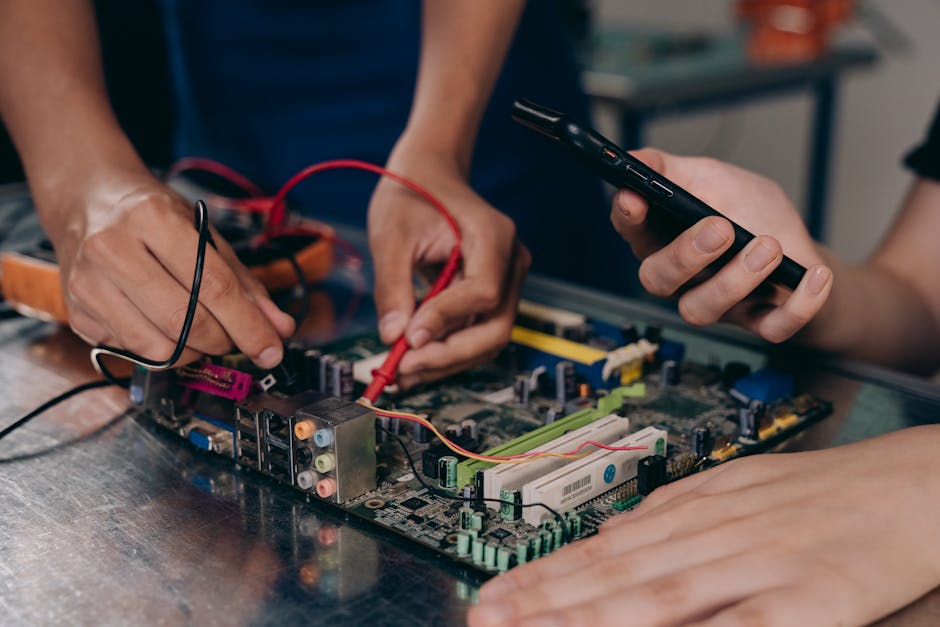
Troubleshooting common issues is a critical skill for any maintenance tool maker. You often find yourself in situations where you need to quickly identify and resolve problems to keep operations running smoothly. Tackling these challenges head-on not only enhances your skill set but also boosts your confidence in managing unexpected hurdles.
Identifying Problems
The first step in troubleshooting is accurately identifying the problem. Pay close attention to unusual noises or vibrations in the machinery. Listen to the equipment; it often tells you what’s wrong. Visual inspections are key. Look for worn-out parts or signs of leaks. Are there loose screws or bolts? Sometimes, a quick glance can save you hours of unnecessary work. Ask questions. If the tool has been behaving differently, note the changes. What was happening when the problem started? This can often lead you to the root of the issue.
Solutions And Fixes
Once you’ve identified the problem, it’s time to act. Start with the simplest solutions. Tighten any loose parts or replace worn-out components. A small adjustment can make a big difference. Use your resources. Manuals and online forums can provide valuable insights. Sometimes, someone else has faced the same issue and can offer a quick fix. Don’t shy away from asking for help. Colleagues or mentors might have faced similar challenges. Collaborating can bring fresh perspectives and quicker solutions. Remember, each problem you solve adds to your experience. What was the last issue you tackled, and how did you overcome it? Reflecting on past challenges can make you more adept at handling future ones.
Career Advancement
Becoming a maintenance tool maker opens doors to varied careers. With skills in hand, you can grow and secure better positions. Career advancement in this field involves continuous learning and networking.
Staying updated with industry trends is crucial. It helps in climbing the career ladder. Let’s explore some key areas that can aid your career advancement.
Certifications
Certifications boost your qualifications. They make you stand out in the job market. Consider enrolling in specialized courses. They provide deeper knowledge and skills.
Some popular certifications include CNC programming and CAD design. These are valued by employers. They show your commitment to growth.
Completing these certifications can lead to promotions. It also opens up opportunities for higher pay.
Networking Opportunities
Networking plays a vital role in career growth. Attend industry events and workshops. They provide chances to meet professionals.
Engage in online forums related to tool making. Join social media groups focused on your field. These platforms connect you with industry experts.
Building relationships can lead to job referrals. It can also provide insights into new opportunities.
Emerging Trends
Staying updated with emerging trends is crucial for maintenance tool makers. The industry constantly evolves, driven by technology and sustainability. Understanding these trends can enhance skills and improve job prospects. Let's explore the key developments shaping this field today.
Technological Innovations
Technology plays a significant role in tool making. 3D printing allows rapid prototyping and customization. It reduces waste and speeds up production. CNC machines provide high precision. They streamline the manufacturing process. Automation also enhances efficiency and safety. Robotics minimize human error and improve consistency. These tools are essential for modern tool makers.
Sustainable Practices
Sustainability is becoming a major focus. Eco-friendly materials are in demand. They reduce environmental impact. Recycling and reusing materials save resources. Energy-efficient machines lower costs and emissions. Sustainable practices not only help the planet but also attract eco-conscious clients. Understanding these practices can give you an edge in the industry.
Frequently Asked Questions
What Skills Are Needed For A Tool Maker?
To become a tool maker, you need mechanical skills, problem-solving abilities, and attention to detail. Knowledge of computer-aided design (CAD) software is beneficial. Familiarity with various materials and precision measuring tools is essential. Strong communication skills also help in understanding project requirements.
How Long Does Tool Maker Training Take?
Tool maker training typically takes around four years. This includes a combination of classroom education and hands-on apprenticeships. The duration can vary based on the program and prior experience. Continuous learning is important, as technology and methods evolve.
What Are The Responsibilities Of A Maintenance Tool Maker?
Maintenance tool makers design, create, and repair tools and equipment. They ensure tools are functional and meet specifications. Regular maintenance checks and troubleshooting are part of the role. They collaborate with engineers to improve tool design and efficiency.
Is Certification Necessary For Tool Makers?
Certification is not always mandatory but highly recommended. It showcases expertise and commitment to the profession. Many employers prefer certified tool makers. Certification can lead to better job opportunities and career advancement.
Conclusion
Becoming a maintenance tool maker takes dedication and skill. Start with learning basic tools. Practice regularly to improve your craft. Experience builds confidence and expertise. Connect with fellow tool makers for advice. Stay updated with industry trends. Safety is key; always prioritize it.
Keep your tools organized for efficiency. Troubleshooting skills are essential. Mistakes offer valuable lessons; learn from them. Working as a tool maker can be rewarding. Enjoy the process and celebrate your progress. Stay committed to continuous learning. Your efforts will lead to success in this field.