Have you ever tried to cut a piece of wood with a dull saw or measure a space with a miscalibrated tape measure? Frustrating, isn’t it?
That’s exactly why maintaining your measuring tools is crucial. Imagine the consequences of inaccurate measurements in projects that require precision. The importance of measuring tool maintenance goes far beyond mere convenience—it can be the difference between success and costly mistakes.
By keeping your tools in top-notch condition, you ensure accuracy, save money, and avoid unnecessary headaches. Curious to learn more about how this small habit can make a big impact on your projects? Keep reading to discover why giving your measuring tools the care they deserve is essential.
Role Of Measuring Tools In Industry
Measuring tools play a crucial role in various industries. They ensure precision and accuracy in every task. From construction to manufacturing, these tools are indispensable. They guarantee that products meet quality standards. Without them, errors and defects would be rampant. Regular maintenance of these tools is vital. It ensures they function correctly and last longer.
Measuring tools provide the backbone for industry standards. They help maintain consistency in production. Every piece of equipment needs regular checks. This ensures they deliver accurate results. Precision is key in sectors like aerospace and automotive. Even a slight error can lead to costly mistakes. Reliable tools reduce waste and improve efficiency. Workers depend on them for successful outcomes.
Ensuring Product Quality
Measuring tools are essential for quality control. They confirm that every product meets specifications. This ensures customer satisfaction and repeat business. Faulty products can damage a company's reputation. Regular tool checks prevent such issues. Properly maintained tools boost trust in a brand.
Increasing Operational Efficiency
Efficient operations rely on accurate measurements. Well-maintained tools reduce downtime and repair costs. They help workers complete tasks faster. This enhances productivity and saves money. Time spent on tool maintenance is an investment. It leads to smoother operations and fewer disruptions.
Enhancing Safety Standards
Safety is a top priority in any industry. Accurate measuring tools help maintain safe work environments. They ensure machinery operates within safe limits. Faulty measurements can lead to accidents. Regular maintenance checks prevent such risks. Tools in good condition protect workers and equipment.
Impact Of Well-maintained Tools
Regular maintenance of measuring tools ensures accuracy and reliability. Proper care extends tool life and saves costs. Precision is key in preventing errors and maintaining quality.
The impact of well-maintained tools in any industry cannot be overstated. Whether you're a carpenter, mechanic, or chef, keeping your tools in top condition is crucial. It's not just about the tools lasting longer; it's about ensuring they perform at their best, every time. Imagine using a dull knife or a misaligned wrench—frustrating, right? Regular maintenance helps you avoid these pitfalls, improving both your work quality and efficiency.
Accuracy And Precision
When your tools are well-maintained, they deliver consistent accuracy and precision. This is especially important in fields like engineering or carpentry where even a millimeter of error can cause significant issues. Have you ever tried to cut a straight line with a dull saw? It's nearly impossible. By keeping your tools sharp and calibrated, you ensure every cut, measurement, or adjustment is spot-on. This attention to detail can set your work apart from the rest.
Safety Enhancement
Safety should always be a priority, and well-maintained tools play a critical role in this. Tools in poor condition can lead to accidents or injuries. A loose hammerhead or a frayed electrical cord can turn a simple task into a hazardous situation. By regularly inspecting and maintaining your tools, you're not just protecting yourself; you're ensuring a safe environment for everyone around you. Isn't peace of mind worth the extra effort?
Cost Efficiency
Well-maintained tools can also save you money in the long run. While it might seem like a chore to clean and service your tools regularly, this habit can prevent costly repairs or replacements. A well-oiled machine runs smoothly, reducing the chance of unexpected breakdowns. Consider this: would you rather spend a small amount on regular upkeep or pay a hefty sum when the tool fails? The choice is clear. By maintaining your tools, you're making a wise investment in your future productivity. Engaging in regular tool maintenance might seem tedious, but the benefits are undeniable. What steps can you take today to ensure your tools remain in peak condition? Your future self will thank you.
Common Maintenance Practices
Measuring tools are crucial in various industries. They ensure precision in tasks. Maintaining these tools is vital. Proper maintenance extends their life and accuracy. Adopting common maintenance practices helps. It prevents costly mistakes and downtime. Let's explore essential practices for tool maintenance.
Regular Calibration
Calibration is crucial for tool accuracy. Over time, tools can drift. Regular calibration aligns their readings with standards. This ensures precise measurements. It's best to follow manufacturer guidelines. Schedule calibrations periodically. This maintains the tool's reliability. Calibration reduces errors significantly.
Cleaning And Storage
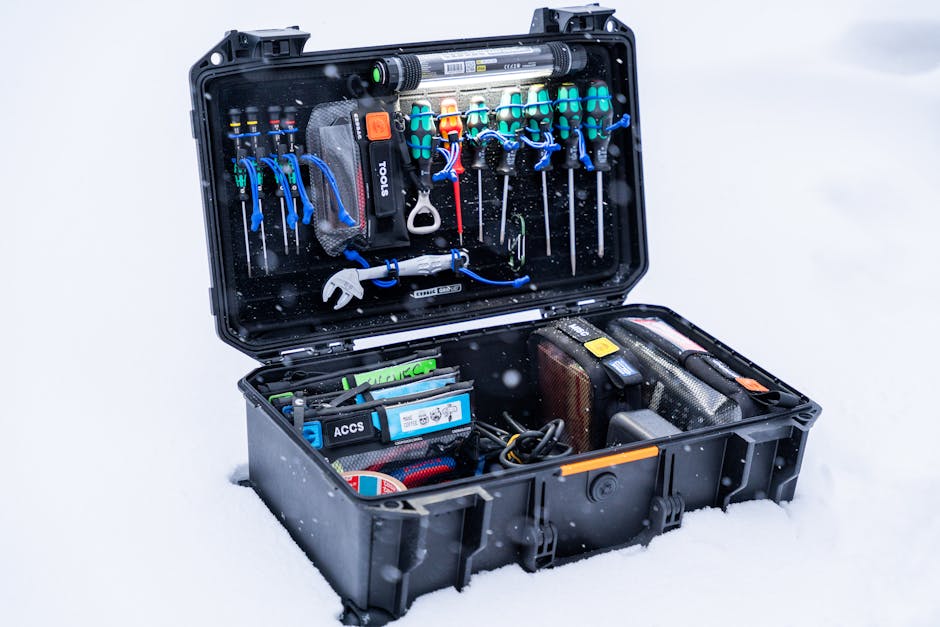
Dust and dirt can affect tool performance. Regular cleaning is necessary. Use appropriate cleaning materials. Keep tools dry and clean. Proper storage is equally important. Store tools in designated cases. Avoid extreme temperatures. This prevents damage and extends tool life.
Inspection And Repairs
Routine inspections detect potential issues. Look for signs of wear or damage. Addressing these early prevents bigger problems. If a tool malfunctions, repair it promptly. Skilled technicians should handle repairs. Keeping tools in top shape ensures consistent performance.
Challenges In Tool Maintenance
Ensuring proper tool maintenance requires regular measurement to prevent wear and tear. Accurate assessments minimize costly repairs and ensure efficiency. Identifying issues early enhances performance and safety in various applications.
Maintaining your measuring tools is crucial for ensuring accuracy and reliability. But let's face it—keeping these tools in tip-top shape can be challenging. The hurdles you face in tool maintenance can impact not only your productivity but also the quality of your work.
Resource Allocation
Allocating resources for tool maintenance isn't always straightforward. You might find yourself juggling between budget constraints and the need to keep tools functional. It’s a delicate balance that requires strategic planning. How do you prioritize which tools get attention first?
Skill Requirements
Maintaining measuring tools often demands specific skill sets. Not everyone in your team may have the necessary expertise to handle complex equipment. This skill gap can lead to improper maintenance, causing more harm than good. Have you considered investing in training programs to upskill your team?
Technological Advancements
Technology is evolving rapidly, and so are measuring tools. Keeping up with these advancements can be daunting. Newer models may require different maintenance protocols, adding another layer of complexity. Are you staying updated with the latest technology trends to ensure your tools are maintained according to modern standards?
Addressing these challenges head-on can significantly improve the lifespan and accuracy of your measuring tools. By focusing on resource allocation, skill development, and staying informed about technological advancements, you're better equipped to tackle these obstacles. What steps are you taking to overcome the challenges in tool maintenance?
Benefits Of Routine Maintenance
Routine maintenance of measuring tools is crucial for many reasons. It ensures tools remain in top condition, ready for accurate measurements. Regular checks and servicing prevent unexpected breakdowns. This practice saves time and money in the long run. Ensuring your tools work well can boost confidence in your work. Let's explore the benefits of routine maintenance further.
Extended Tool Lifespan
Regular maintenance can significantly extend the lifespan of your tools. Proper care prevents wear and tear from causing damage. Clean and well-lubricated tools last longer. Routine checks help spot small issues before they grow big. This proactive approach increases the tool’s longevity. Invest time in maintenance to enjoy years of reliable service.
Quality Assurance
Maintained tools produce accurate and reliable results. Consistent measurements are vital for quality assurance. Faulty tools can lead to errors and costly mistakes. Regular maintenance keeps tools calibrated and precise. This ensures every measurement is trustworthy. High-quality results enhance your reputation and trustworthiness.
Operational Efficiency
Efficient operations rely on well-maintained tools. Regular maintenance reduces downtime from unexpected failures. Tools in good condition work smoothly and without interruption. This boosts productivity and reduces delays. Efficient tools lead to better workflow and faster project completion. Keep your operations running smoothly with routine tool maintenance.
Case Studies On Maintenance Impact
Understanding the impact of measuring tool maintenance is crucial for any industry aiming to achieve efficiency and safety. Real-world examples demonstrate how neglect or attention to tool maintenance can significantly alter outcomes. This section delves into specific case studies from the manufacturing industry and construction sector, highlighting the tangible benefits and potential pitfalls.
Manufacturing Industry
In the manufacturing industry, precision is everything. A leading automotive company once faced a massive recall due to faulty parts, traced back to poorly maintained measuring tools. The oversight cost them millions and damaged their reputation.
On the flip side, another manufacturer invested in regular maintenance checks. This proactive approach minimized errors and boosted production efficiency by 15%. They reported fewer breakdowns and improved product quality.
Have you considered how regular maintenance might impact your production line? The difference between success and costly errors often lies in the smallest details.
Construction Sector
The construction sector's reliance on accurate measurements cannot be overstated. A construction firm once faced project delays because of incorrect measurements from outdated tools. These delays increased costs and strained client relationships.
Conversely, a construction company that prioritized tool maintenance completed projects 20% faster than competitors. They invested in a systematic maintenance schedule, ensuring every tool was up to standard before use.
Are your tools hindering or helping your project timelines? Regular maintenance could be the key to completing projects on time and under budget.
Both industries highlight a crucial lesson: the cost of maintenance pales in comparison to the cost of errors. By keeping your tools in top condition, you're setting the stage for success. What steps will you take to ensure your tools are always ready for action?
Frequently Asked Questions
Why Is Tool Maintenance Important?
Tool maintenance is crucial for ensuring accuracy and longevity. Regular upkeep prevents wear and tear, reduces repair costs, and maintains measurement precision. Proper maintenance also minimizes downtime and enhances productivity, ensuring that tools perform optimally when needed.
How Often Should Tools Be Maintained?
The frequency of tool maintenance depends on usage and environment. Regularly inspect tools for damage and clean them after use. Follow manufacturer guidelines for specific maintenance schedules to ensure optimal performance and longevity.
What Are Common Maintenance Tasks For Tools?
Common maintenance tasks include cleaning, calibration, lubrication, and inspection. Cleaning prevents debris buildup, calibration ensures accuracy, lubrication reduces friction, and inspection identifies wear. Performing these tasks regularly keeps tools in top condition and extends their lifespan.
Can Tool Maintenance Improve Measurement Accuracy?
Yes, tool maintenance significantly improves measurement accuracy. Regular calibration and cleaning ensure tools perform correctly. This minimizes errors and ensures precise measurements, which are essential for quality control and operational efficiency.
Conclusion
Regular maintenance of measuring tools is crucial. It ensures accuracy and reliability in every task. Tools that work well save time and prevent costly errors. Proper care extends their lifespan, reducing replacement costs. Preventive measures avoid unexpected breakdowns. Maintenance is not complicated.
A simple routine check can make all the difference. Clean, calibrate, and store tools correctly. Small efforts bring big benefits. Reliable tools lead to successful projects. Everyone benefits from well-maintained equipment. Remember, taking care of tools is taking care of business.
Invest time in maintenance for better results. It's an essential practice for any professional.