You find yourself in a situation where you need to cut copper electrical wire, but you don't have the proper tool. It's frustrating, isn't it?
The good news is, you don't have to feel stuck anymore. Whether you're a DIY enthusiast or dealing with an unexpected repair, there are clever ways to get the job done without specialized equipment. Imagine the satisfaction of completing the task efficiently and safely, using items you probably already have at home.
Curious about how to master this skill and tackle any wire-cutting challenge with confidence? Keep reading, and you'll discover simple yet effective methods to cut copper wire like a pro, even without the right tools at hand. Your sense of accomplishment is just a few scrolls away.
Tools Needed
Cutting copper electrical wire without the right tool can be tricky. But with the right makeshift tools, it’s possible. You need a few essential items for this task. These will ensure a clean cut and maintain safety. Let’s explore the necessary tools to get the job done efficiently.
Wire Cutters
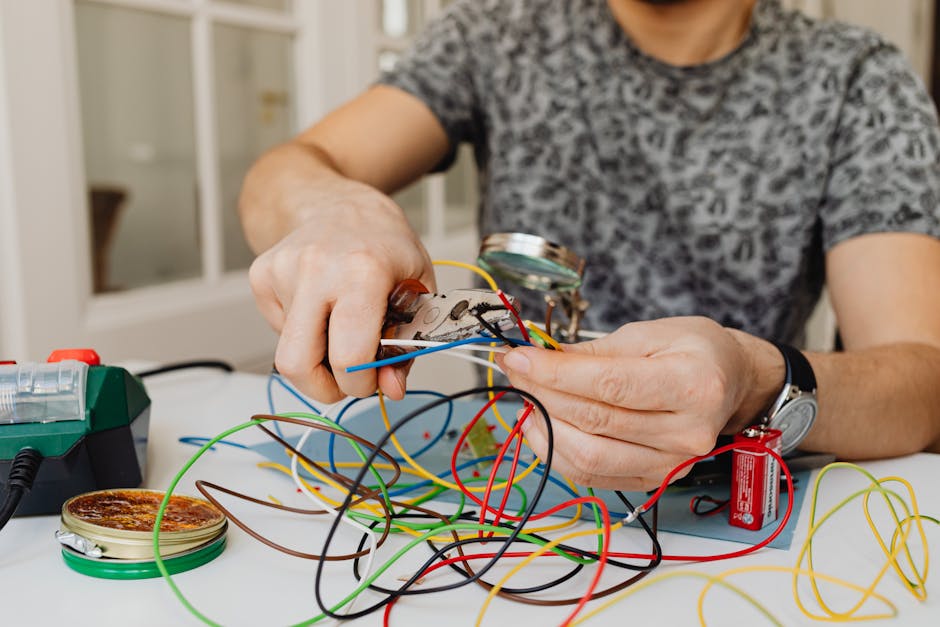
Wire cutters are the first choice for cutting copper wires. But if they're unavailable, use pliers with sharp edges. They can cut through copper with some effort. Ensure the pliers have a strong grip. This will prevent slipping and provide a clean cut.
Safety Gear
Safety should be your top priority. Wear gloves to protect your hands from sharp wire edges. Safety glasses are a must to shield your eyes from flying debris. A dust mask can help if you're cutting older wires, which may release dust.
Measuring Tape
Accuracy is key when cutting wires. A measuring tape helps mark the exact length needed. This ensures you don't cut too much or too little. Mark the wire with a marker before cutting. It helps in maintaining precision.
Preparing The Workspace
Before cutting copper electrical wire without proper tools, prepare your workspace. A well-organized space ensures safety and efficiency. It minimizes the risk of accidents and mistakes. Focusing on key preparations can make the task easier. Here are some crucial steps to ready your workspace for the task.
Clearing The Area
Start by clearing the area of unnecessary items. Remove any clutter that may obstruct movement. Ensure the surface is clean and stable. A tidy space helps in maintaining focus. It also reduces the chances of damaging the wire.
Ensuring Proper Lighting
Good lighting is essential for precision in cutting. Check the lighting in your workspace. Ensure there are no shadows that may obscure your view. Use additional lamps if necessary. Proper lighting helps in avoiding errors and potential hazards.
Measuring The Wire
Cutting copper electrical wire without proper tools requires creativity. Use a sharp knife or sturdy scissors. Apply steady pressure for a clean cut. Always prioritize safety and ensure the wire is securely held.
Measuring copper electrical wire accurately is crucial before cutting. Without proper tools, this task might seem challenging. But, with some basic techniques, you can measure the wire effectively. Understanding the importance of accurate measurement helps avoid waste and ensures safety.
Importance Of Accurate Measurement
Accurate measurement prevents wire wastage. Cutting the wire too short can lead to costly mistakes. This can also cause delays in your project. Proper measurement ensures each piece fits perfectly. It also enhances safety. Incorrect lengths may cause poor connections. This could lead to electrical hazards. So, measuring correctly is essential.
Techniques For Measuring
Use a ruler or tape measure. These are common tools found at home. Place the wire on a flat surface. Align the ruler or tape measure beside it. Ensure the wire is straight. Note the length needed using a pencil. Mark the wire lightly. For longer wires, you might need assistance. Ask someone to hold one end. This keeps the wire taut. Double-check the measurement before marking. This ensures precision and accuracy.
Cutting Techniques
Ever found yourself needing to cut copper electrical wire but lacking the proper tool? It's a common dilemma, especially during DIY projects. Fortunately, there are a few techniques you can use to achieve a clean cut without traditional wire cutters. Let’s dive into some methods that can save your project and your sanity.
Using Wire Cutters
Wire cutters, also known as diagonal pliers, are specifically designed for cutting electrical wires. They provide a clean and precise cut due to their sharp blades.
If you have wire cutters at hand, make sure they're sharp and free of rust. A dull cutter can crush the wire instead of slicing through it, which can be frustrating.
Position the wire in the cutter’s jaws, close to the pivot point, for maximum leverage. Squeeze the handles firmly and swiftly to cut through the wire efficiently.
Have you ever tried using dull wire cutters? It’s like trying to slice bread with a butter knife—ineffective and messy. Keep your tools sharp for the best results.
Alternative Cutting Tools
When wire cutters are not available, household items might come to the rescue. One unlikely hero is a pair of scissors. While not ideal, scissors can cut through copper wire if they are sharp enough.
Lay the wire flat and make sure the blades close fully around it. Apply steady pressure to slice through. Remember, not all scissors can handle thick wires, so choose wisely.
Another option is a utility knife. Carefully score the wire around its circumference, then bend it back and forth until it snaps. This method requires patience but works in a pinch.
Using unconventional tools can be surprisingly effective. But what happens when precision is compromised? Do you risk damaging the wire’s integrity?
Always prioritize safety. Wear gloves to protect your hands and ensure your workspace is well-lit. A good grip and proper posture can prevent accidents.
Before starting, consider the wire’s thickness and choose the most suitable method. That way, you avoid unnecessary hassle and frustration.
Have you ever tried an unconventional cutting method? Share your experience in the comments. Your insights might help someone tackle their own DIY project!
Safety Precautions
Cutting copper electrical wire without the right tool requires careful handling to ensure safety. Use pliers or a sharp knife cautiously. Always wear gloves and eye protection to avoid injury.
When you're tackling a project that involves cutting copper electrical wire without the proper tools, safety should be your top priority. It's easy to overlook precautions in a rush, but taking a moment to prepare can save you from potential harm. Understanding and implementing key safety measures is crucial to ensuring a smooth and injury-free process.
Wearing Protective Gear
Before you begin, think about the protective gear you might need. Safety goggles are essential to protect your eyes from flying wire fragments. Imagine the discomfort and potential damage from a tiny copper shard landing in your eye. Gloves are another must-have. They protect your hands from sharp wire edges and prevent cuts. Have you ever tried working with bare hands only to end up with an unexpected injury? Wearing gloves can make a huge difference.
Avoiding Electrical Hazards
Always ensure the wire is not live before cutting. Double-check that the power source is turned off. This might sound basic, but it's a step that can easily be missed in the excitement of getting started. Use a non-contact voltage tester to confirm there's no current running through the wire. It's a small investment that can prevent a big accident. If you’ve ever been shocked by a live wire, you know the unpleasant jolt it can give. Clear your workspace of any conductive materials. This helps in reducing the risk of accidental electrical contact. Have you ever considered what could happen if metal tools come into contact with a live wire? Keeping your area tidy minimizes such risks. Thinking about these safety precautions isn't just smart—it's essential for protecting yourself and ensuring your project goes off without a hitch. What other safety measures do you take when working on DIY electrical tasks?
Troubleshooting Common Issues
Cutting copper electrical wire without proper tools involves creativity and caution. Use a sharp knife or sturdy scissors carefully. Ensure safety by wearing gloves and securing the wire firmly.
Cutting copper electrical wire without the proper tools can be a daunting task. However, sometimes you may find yourself in a situation where you need to make do with what's available. While improvising, you might encounter a few common issues. Don't worry, though, because by troubleshooting these effectively, you can ensure the job gets done safely and efficiently.
Dealing With Frayed Ends
Frayed ends are not just unsightly; they can compromise the integrity of your electrical connections. If you notice the copper strands are splitting, try twisting them back together tightly. Use a small piece of electrical tape to hold them in place temporarily. A practical tip is to use a lighter touch when cutting. Pressing too hard can cause the strands to fray. If you have a file or sandpaper, gently smooth out any rough edges. This helps create a clean and secure connection. Have you ever tried using a simple utility knife or scissors? It might surprise you how effective they can be with a bit of patience. Remember, it's all about maintaining control to avoid damaging the wire.
Handling Incorrect Cuts
An incorrect cut can lead to wasted wire and frustration. If you cut the wire too short, think about how you can still utilize it. Maybe it can fit a smaller connection or be spliced with another piece. Reassess your measuring method. Are you eyeballing it? Consider using a ruler or tape measure next time to ensure accuracy. If you've cut at an awkward angle, try to straighten the wire gently with pliers. This can help in making a more effective connection. Always re-evaluate your approach after each cut to improve your technique. When was the last time you measured twice and cut once? It’s a simple mantra that can save you time and materials. Being methodical pays off, especially when you're working without specialized tools. By keeping these solutions in mind, you can tackle any issue that arises when cutting copper electrical wire without the right tools. Remember, resourcefulness and patience are your best allies in such situations.
Frequently Asked Questions
Can You Cut Copper Wire Without Tools?
Yes, you can cut copper wire without traditional tools. Use a sharp knife or scissors. Ensure you apply steady pressure and maintain safety. Always wear gloves to prevent injuries. This method is suitable for smaller gauge wires. Larger wires might require more effort and precision.
What Household Items Can Cut Copper Wire?
Household items like scissors, knives, or pliers can cut copper wire. Ensure these items are sharp enough. Always prioritize safety and wear gloves. For thicker wires, consider using a hacksaw. This ensures a cleaner cut and reduces injury risk. Always work on a stable surface.
Is It Safe To Cut Copper Wire Manually?
Cutting copper wire manually is generally safe with precautions. Always wear gloves and eye protection. Use stable surfaces to avoid slips. Ensure tools are sharp and steady. Take your time to prevent accidents. If unsure, seek professional assistance for safety.
Can Scissors Effectively Cut Copper Wire?
Scissors can cut thin copper wire effectively. Ensure they are sharp and robust. Apply steady pressure for a clean cut. For thicker wires, scissors may not be ideal. Consider using a knife or pliers instead. Always prioritize safety by wearing protective gear.
Conclusion
Cutting copper wire without the right tools is possible. Use alternatives like pliers or a hacksaw. Safety should always be your priority. Wear gloves and safety glasses. A clean workspace helps prevent accidents. Remember, patience is key. Rushing can lead to mistakes or injury.
Practice makes the process smoother over time. Keep tools organized and easy to reach. Always double-check your work for accuracy. Proper technique ensures efficiency and safety. With these tips, cutting copper wire becomes simpler. No special tools needed for success.