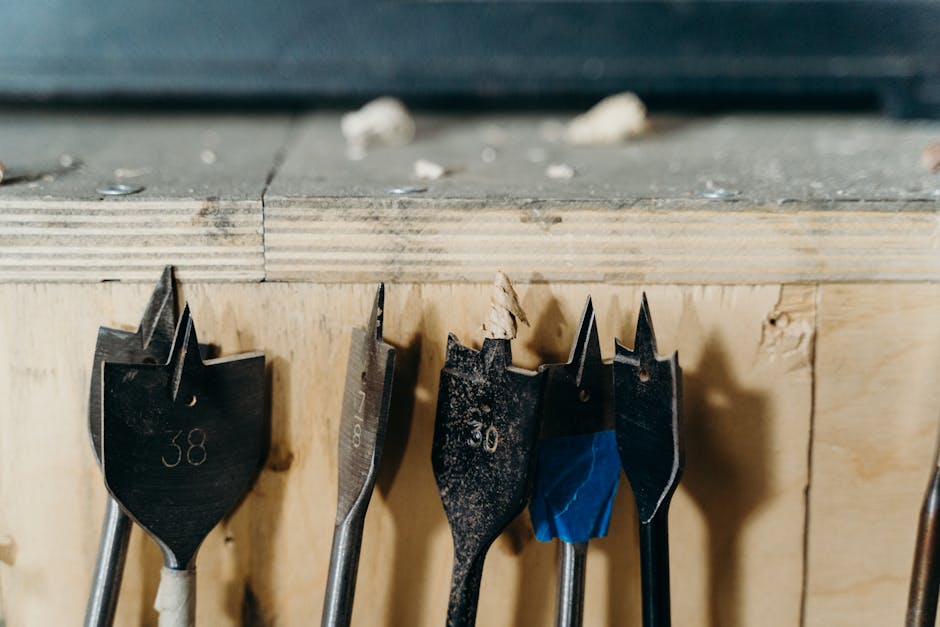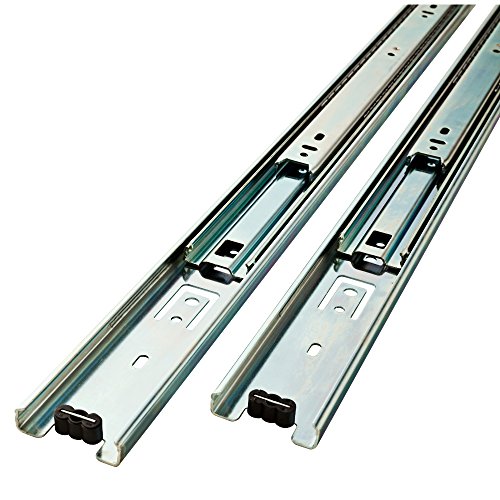
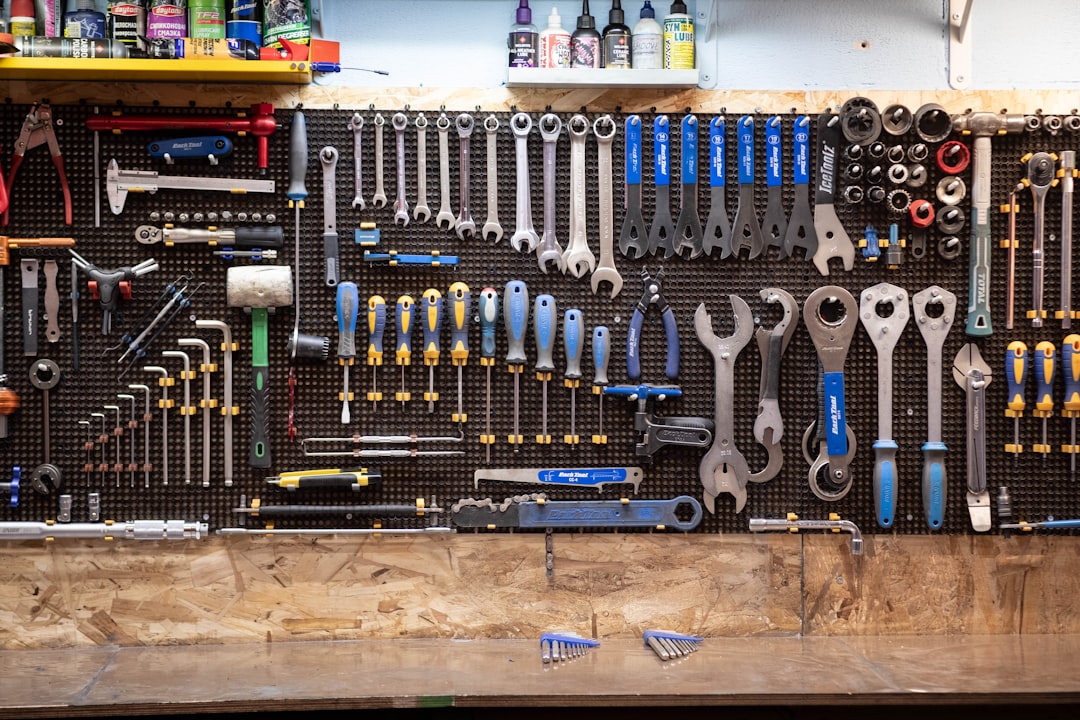
Imagine finally having a place for all your tools—a spot where everything is organized and easy to find. No more searching through clutter or wasting time looking for that one wrench you need.
Building your own tool storage cabinet is not just a practical endeavor; it's a game-changer for anyone who loves DIY projects or simply wants to keep their workspace tidy. This guide will walk you through the process, step-by-step, ensuring that you not only create a sturdy and efficient cabinet but also enjoy the process from start to finish.
By the end, you'll have a personalized storage solution that reflects your style and meets your needs. Ready to transform your chaotic tool area into an oasis of order? Let's get started!
Planning The Design
Designing a tool storage cabinet starts with planning the layout. Consider the tools you'll store and their sizes. Think about the space available and how you can maximize it. This preparation helps ensure a functional and organized cabinet.
Planning the design of your tool storage cabinet is a crucial first step that sets the stage for a successful project. Without a clear plan, you might end up with a cabinet that doesn't meet your needs or fit your space. A well-thought-out design will ensure you have a functional and aesthetically pleasing storage solution.
Assessing Space Requirements
Before picking up any tools, measure the space where your cabinet will be placed. Consider the size of the tools you plan to store and ensure there's enough room for future additions. Think about the height, width, and depth that will work best in your space. Will your cabinet fit comfortably in your garage or workshop? Ask yourself, how accessible should it be? Easy access might mean sacrificing some space, while a larger cabinet might be more challenging to reach.
Choosing Materials
Selecting the right materials is key to the longevity of your cabinet. Plywood is a popular choice because it's sturdy and affordable. Solid wood, while more expensive, offers a beautiful finish and durability. Consider the environment where the cabinet will live. If it’s a damp area, materials like treated wood or metal might be better to prevent warping or rust. Don't forget about the hardware. Durable hinges and handles will ensure your cabinet stands up to frequent use. Would you prefer the rustic charm of wood, or the sleek look of metal? Your material choice will also impact the style of your cabinet. By carefully planning your design, you'll create a tool storage cabinet that not only fits your space but also stands the test of time.
Gathering Materials
Building a tool storage cabinet begins with gathering the right materials. Proper materials ensure durability and functionality. This process requires careful consideration of tools, equipment, wood, and hardware. Each element plays a crucial role in the cabinet's success.
Essential Tools And Equipment
Start with a measuring tape. Accurate measurements are vital. A saw is necessary for cutting wood. A drill is needed for assembling parts. Sandpaper smooths rough edges. A screwdriver helps secure screws. Clamps hold pieces together during assembly.
Wood And Hardware Selection
Choose sturdy wood. Plywood is a good choice. It is durable and easy to cut. Consider the thickness of the wood. Thicker wood provides better support. Select quality hinges for the doors. Ensure screws are the right size for the wood. Opt for handles that match the cabinet design.
Preparing The Workspace
Building a tool storage cabinet begins with preparing the workspace for efficiency. Clear the area to ensure ample space for construction and organization. Gather necessary tools and materials to streamline the building process and enhance productivity.
Building a tool storage cabinet is an excellent way to keep your workspace organized and efficient. Before you dive into construction, it's crucial to prepare your workspace. A well-prepared area not only streamlines the building process but also ensures safety and efficiency.
Safety Measures
Start by evaluating the safety of your workspace. Ensure your area is well-lit and ventilated. This prevents mishaps and keeps you comfortable while working. Check your equipment. Are the tools in good condition? Inspect for wear and tear, and replace any faulty items. Reliable tools minimize accidents and improve precision. Keep a first aid kit nearby. Having it within reach is a smart precaution. Hopefully, you won't need it, but it's always better to be prepared.
Organizing Tools
Organizing your tools is not just about tidiness. It's about efficiency. Arrange your tools so they're easy to access. Group similar items together, like screwdrivers and wrenches, to streamline your workflow. Use containers or bins. Label them clearly. This helps you find what you need quickly and keeps your area clutter-free. Consider your workspace layout. Are frequently used tools within arm's reach? Adjust their position to reduce unnecessary movement. This small change can save time and make your building process smoother.
How do you currently prepare your workspace for a project? Reflect on your habits. You might find areas for improvement that enhance your cabinet-building experience.
Building The Frame
Crafting a tool storage cabinet begins with constructing a sturdy frame. Use quality wood to ensure durability. Accurate measurements and precise cuts will create a solid foundation for the entire cabinet.
Building a tool storage cabinet can feel like a daunting task, but starting with a solid frame makes it manageable. The frame is the skeleton of your cabinet, providing structure and stability. By focusing on precise measurements and sturdy materials, you lay the foundation for a cabinet that lasts for years. Let's dive into the essentials of constructing a reliable frame, beginning with the critical steps of cutting wood panels and assembling the structure.
Cutting Wood Panels
The first step in building your frame is cutting the wood panels to the correct size. Accurate measurements are crucial. Measure twice, cut once. This old carpenter's saying saves you time and materials. Use a saw that you’re comfortable with, like a circular saw for straight cuts or a jigsaw for curves. Have you ever noticed how a small miscut can derail an entire project? This is where careful planning pays off. Use a pencil and a straightedge to mark your cuts clearly. A mistake here could mean redoing the entire panel, so take your time.
Assembling The Structure
Once your panels are cut, it's time to assemble the structure. This is where your cabinet starts to take shape. Align the panels carefully, ensuring they fit snugly together. Use clamps to hold them in place before securing with screws. Here’s a tip: pre-drill your screw holes. It prevents the wood from splitting and makes the assembly smoother. Have you ever tried assembling without pre-drilling only to find cracks forming? It’s a lesson learned the hard way. Consider the strength of the joints. Butt joints might be easier, but using dowels or biscuits can provide added strength. Which method will you choose to ensure your cabinet withstands daily use? Building the frame is a rewarding process. It sets the tone for the rest of your cabinet project. With careful attention to detail and a bit of patience, you’ll have a sturdy base to build upon. What’s stopping you from grabbing those tools and getting started?
Adding Shelves And Compartments
Adding shelves and compartments to your tool storage cabinet enhances organization. It optimizes space and keeps tools easily accessible. This section will guide you on customizing shelving and installing dividers for better efficiency.
Customizing Shelving Layout
Determine the types of tools you need to store. Different tools require different spaces. Measure your cabinet's dimensions before designing the shelves. Sketch a plan for your shelving layout. Consider adjustable shelves for flexibility. They allow you to modify the space as needed. Use sturdy materials like plywood for durability. Ensure shelves are level and secure.
Installing Dividers
Dividers help separate tools and components. They prevent clutter and improve organization. Use wood or metal for robust dividers. Measure the space where dividers will go. Cut dividers to fit snugly within shelves. Secure them with screws or brackets for stability. Consider adjustable dividers for versatility. They can accommodate different tool sizes. Label sections for quick tool identification.
Installing Doors And Locks
Building a tool storage cabinet requires installing sturdy doors and locks for security. Properly fitted doors protect tools from dust and damage. Secure locks ensure that valuable items remain safe.
Installing doors and locks on your tool storage cabinet is a crucial step in ensuring both functionality and security. This process not only keeps your tools organized but also safeguards them from unauthorized access. It might seem daunting, but with the right approach and tools, you can tackle this task with confidence. Let’s dive into the details to make this part of your project a success.
Types Of Doors
Choosing the right type of door for your cabinet can enhance its usability and aesthetic. Consider swing doors if your space allows for it; they offer full access to the cabinet interior. Sliding doors are a great option for tighter spaces, as they don’t require extra clearance to open. Think about using glass doors if you want to see your tools without opening the cabinet. This can be particularly useful for frequently used items. Solid wood or metal doors provide a classic look and robust protection. Each type of door has its benefits, so pick what best suits your needs and space.
Securing With Locks
Adding locks to your cabinet doors is essential for keeping your tools safe. Padlocks are a simple and cost-effective option, offering easy installation and reliable security. If you’re looking for more convenience, consider combination locks which eliminate the need for keys. For enhanced security, cam locks are a popular choice. They're discrete and provide a clean look, blending seamlessly with the cabinet design. Installing an electronic lock can be a smart move if you prefer keyless entry, though it might require more setup. Have you ever faced the frustration of misplacing keys? Electronic locks can eliminate this worry, adding convenience to your security measures. When installing locks, ensure they align properly with the door latch. This might require some adjustments, but it’s worth the effort for the added peace of mind. Selecting the right lock not only protects your tools but also reflects your personal preference for security management. What's your priority: ease of access or maximum security? This decision will guide you to the best lock choice for your cabinet.
Finishing Touches
Adding finishing touches to your tool storage cabinet makes it both functional and appealing. Sand the surface for smoothness, then paint or stain it to protect the wood. Install sturdy handles and label sections for easy access to tools.
Building a tool storage cabinet involves detailed planning and execution. The final stage is all about the finishing touches. These steps ensure your cabinet is not only functional but also aesthetically pleasing. Attention to detail is crucial here.
Sanding And Painting
Sanding smoothens rough edges and surfaces. Use fine-grit sandpaper for best results. After sanding, wipe the cabinet clean. This removes dust and debris. Choose paint that matches your workspace. Apply primer before painting. This ensures better adhesion and durability. Two coats of paint work best. Allow drying time between coats. This prevents smudging and uneven finishes.
Adding Handles And Labels
Handles make access easy and efficient. Choose sturdy handles for durability. Position handles at a comfortable height. Secure them firmly with screws. Labels help in organizing your tools. Use waterproof labels for longevity. Clearly mark each drawer or section. This saves time in finding specific tools. Consider color-coded labels for different categories. This enhances organization and visual appeal.
Maintenance Tips
Maintaining your tool storage cabinet ensures a longer lifespan. Regular upkeep prevents damage and keeps tools organized. It also saves money and time in the long run. Let's explore some key maintenance tips.
Regular Cleaning
Dust and debris accumulate quickly. Wipe down the cabinet weekly. Use a soft cloth to avoid scratches. For stubborn stains, a mild cleaner works best. Also, vacuum inside the cabinet. This removes dirt from corners and crevices.
Repairs And Upgrades
Inspect the cabinet for damage monthly. Look for loose screws or hinges. Tighten them with a screwdriver. Replace broken parts promptly. Consider upgrading storage solutions. Add hooks or shelves for extra space. This maximizes storage and improves organization.
Frequently Asked Questions
What Materials Are Needed For A Tool Storage Cabinet?
To build a tool storage cabinet, you'll need plywood, screws, wood glue, hinges, and handles. Additional materials include a saw, drill, measuring tape, and sandpaper. Consider adding paint or varnish for a finished look. These materials ensure durability and functionality for your tool storage cabinet.
How Do I Plan The Cabinet Layout?
Start by measuring your available space and tools. Sketch a layout considering shelves, drawers, and hanging space. Ensure easy access to frequently used items. A well-organized layout enhances efficiency and tool management. Planning prevents wasted space and ensures all tools have designated spots.
What Is The Best Wood For Cabinets?
Plywood is commonly used due to its strength and affordability. It offers a smooth finish and is easy to work with. Other options include MDF or hardwoods for a premium look. Choose a wood type that suits your budget and desired cabinet appearance.
How To Ensure Cabinet Stability?
Ensure stability by securing the cabinet to a wall or floor. Use brackets or anchors for additional support. Distribute weight evenly on shelves and avoid overloading. Proper construction techniques and quality materials also contribute to a stable and durable cabinet.
Conclusion
Building a tool storage cabinet is rewarding. It keeps tools organized. Saves space. Helps find tools easily. Follow simple steps and enjoy. Use sturdy materials for long-lasting storage. Customize size and design to fit your needs. Add shelves or hooks for extra storage.
Paint or varnish for a polished look. Ensure safety with secure locks. Your tools deserve a dedicated space. A well-built cabinet improves your workspace. Keeps it tidy and efficient. Happy building!