Imagine walking into your workspace and instantly finding every tool you need, neatly organized and ready for action. Sounds like a dream, right?
Building a tool storage system can turn this dream into reality, making your life easier and your projects more efficient. Whether you're a seasoned DIY enthusiast or just getting started, having an organized tool storage can save you time, reduce stress, and even enhance your creativity.
But how do you get started? What are the essential steps to make sure your tool storage is functional and tailored to your needs? In this guide, you'll discover simple strategies and practical tips to create a tool storage solution that works for you. Dive in and unlock the secrets to a clutter-free, productive workspace that you’ll love using every day!
Choosing The Right Location
Choosing the right location for your tool storage is a game-changer. It's not just about finding a spot where everything fits. It's about creating a space that boosts your efficiency and keeps your tools within easy reach. You want a location that makes your work smoother and faster. Let's dive into how you can make the best choice for your tool storage area.
Assessing Available Space
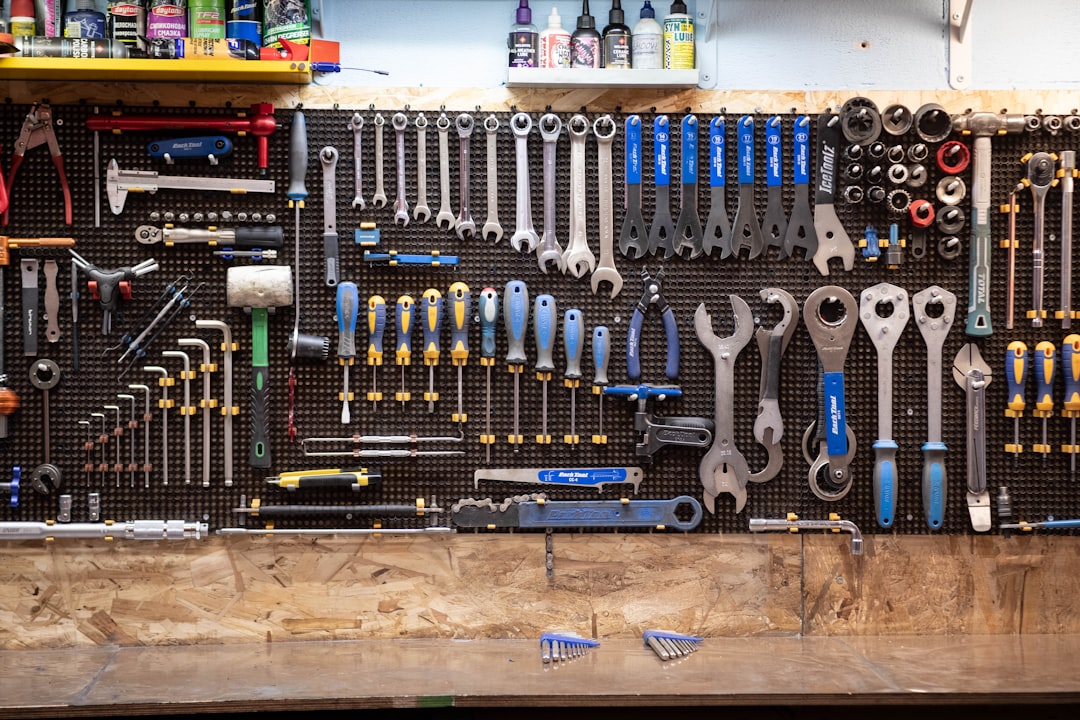
Start by looking around your workspace. Do you have unused corners or walls? These can be transformed into effective storage areas. Measure these spaces to see what fits. Sometimes, a small nook can hold more than you think. Consider vertical storage options if floor space is limited. Shelves and pegboards can make a huge difference. They allow you to utilize every inch effectively.
Considering Accessibility
Think about how you use your tools daily. Are you reaching for the same ones repeatedly? Place frequently used tools at eye level or within arm's reach. This saves time and effort. Accessibility isn't just about convenience; it's about enhancing your workflow. Ask yourself: Is this location easy to access when I'm in the middle of a project? You don't want to be climbing over obstacles or digging through piles to find what you need.
Find a balance between security and accessibility. Keep valuable tools secure, but don't hide them away where they're hard to reach. You might even consider a lockable cabinet for peace of mind. The goal is to have a storage system that supports your work habits, not hinders them.
Have you ever stored something in what seemed like a perfect spot, only to find it was a hassle to access later? It's a common mistake. Learn from it. Make sure your tool storage is both practical and convenient, ensuring you can grab what you need without a second thought.
Selecting Storage Materials
Choosing the right materials for tool storage is crucial. It influences durability, cost, and overall functionality. Different materials offer unique benefits. This section explores the options available, focusing on wood and metal.
Wood Vs. Metal Options
Wood offers a classic and warm look. It can be easily customized. Metal provides a modern and sleek appearance. It is often more durable. Wood is lighter and easier to work with. Metal, on the other hand, resists wear and tear better. Consider the aesthetic and practical needs of your space.
Durability And Cost
Wood can be less expensive than metal. But it may require more maintenance. Metal often costs more upfront. Yet, it lasts longer with minimal upkeep. Weigh the long-term benefits against initial costs. Think about how much use your storage will get. Heavy-duty projects might benefit from metal. For light use, wood could be sufficient.
Designing The Layout
Creating an organized tool storage begins with a well-planned layout. Consider the space and categorize tools by type. Arrange them for easy access and visibility, ensuring a clutter-free environment.
Building a tool storage solution begins with a well-thought-out layout design. A good layout not only organizes your tools efficiently but also maximizes the available space in your workshop or garage. Designing an effective layout requires careful consideration of your needs and the space you have. Let's dive into some practical ways to enhance your tool storage design.
Maximizing Space Efficiency
Think about how much space you actually need for your tools. Not everyone has a sprawling garage, and that's okay. Start by assessing the size of your tools and the frequency of use. Consider vertical space. Tall shelves or pegboards can help you utilize wall space better. Place frequently used tools at eye level for easy access. Don't forget about the corners. Often overlooked, corners can be perfect for storing larger items or creating a pegboard area. How can you use your corners creatively?
Incorporating Shelves And Drawers
Shelves and drawers are your best friends in tool storage. They offer a way to keep everything organized and accessible. Imagine opening a drawer and finding exactly what you need in seconds. It's possible with labeled compartments or dividers. Group similar tools together to make finding them easier. Shelves can hold heavier items. Ensure they are strong enough to handle the weight. Adjustable shelves offer flexibility as your tool collection grows. Would adjustable shelves make your life easier? Building a tool storage layout is all about making the most of what you have. With a little planning, you can create a space that works for you, keeps your tools organized, and maybe even inspires a new project.
Organizing Tools Effectively
Building a tool storage system keeps your workspace tidy. Use pegboards, shelves, and bins for easy access. Label everything clearly to find tools quickly.
Organizing tools effectively ensures a tidy and efficient workspace. A well-organized tool storage saves time and reduces frustration. Keeping tools in order helps maintain their condition and extends their life. Let’s dive into some strategies for effective tool organization.
Categorizing Tools
Start by grouping tools based on their use or type. Hand tools, power tools, and gardening tools should each have a designated area. Categorizing tools this way makes them easier to find. It also helps in quickly identifying any missing items. Store similar tools together, like screwdrivers and wrenches. This method keeps your workspace clutter-free and functional.
Labeling Systems
Use labels to identify tool locations clearly. Labels guide you and others to the right tools without confusion. Consider color-coded labels for different tool categories. This visual cue speeds up the search process. Invest in a label maker for durable and neat labels. Keep labels visible and ensure they are easy to read. A good labeling system makes maintenance and adjustments simple.
Safety Considerations
Building a tool storage unit requires careful planning and execution. Safety must always be a priority. Ensuring the safety of your storage setup protects you and your family. It involves preventing accidents and securing your tools.
Securing Heavy Items
Heavy tools can cause injuries if not stored properly. Use strong shelves to hold heavy items. Ensure shelves are tightly secured to walls. This prevents tipping or falling. Large tools should be placed on lower shelves. This reduces the risk of them falling. Always check the weight limit of your storage unit. Avoid overloading it. Use brackets or anchors to add extra support if needed.
Child-proofing Measures
Children are naturally curious. Tools can be dangerous if left accessible. Install locks on cabinets containing sharp or hazardous tools. Keep tools out of children's reach. Use high shelves or locked drawers. Store small parts like nails and screws in sealed containers. This prevents choking hazards. Educate children on the dangers of tools. Teach them tools are not toys.
Maintenance And Upkeep
Building a tool storage requires understanding both maintenance and upkeep. Start with sturdy materials and organize tools logically. Regular checks keep tools in good condition and storage efficient.
Maintaining and keeping your tool storage in top shape is essential to prolong its lifespan and ensure your tools are always ready for action. A well-maintained tool storage system prevents rust, wear, and unexpected breakdowns. Whether you're a weekend DIY warrior or a professional, dedicating a little time to upkeep can save you money and hassle in the long run.
Regular Cleaning Tips
Regular cleaning of your tool storage is crucial. Dust and grime can accumulate quickly, affecting the functionality of drawers and cabinets. Use a damp cloth to wipe down surfaces and a vacuum with a nozzle attachment to reach crevices. Consider creating a cleaning schedule. Cleaning once a month might be sufficient for most tool storage setups. For more frequently used spaces, a bi-weekly routine could be beneficial. Don't forget to clean the tools themselves before storing them. This prevents dirt from being transferred to the storage unit. You'll thank yourself when your tools are ready for use the next time.
Repairing And Replacing Parts
Parts of your tool storage system can wear out or break. Identifying these issues early can prevent larger problems. Inspect hinges, handles, and locks regularly for signs of wear. If a drawer doesn't slide smoothly, check for debris or bent tracks. Repairing these small issues can make a big difference. Keep a small repair kit handy with basic tools and replacement parts for quick fixes. When replacement is necessary, ensure you have the right parts. Ordering directly from the manufacturer can save time and ensure compatibility. How often do you find yourself delaying a project because something is broken? Being proactive can keep your projects on track. Maintaining your tool storage might seem like a chore, but it pays off. You’ll find your workflow smoother and your tools lasting longer, leading to more successful projects.
Expert Tips And Tricks
Discover expert tips for building efficient tool storage. Start by assessing your space to maximize utility. Organize tools by frequency of use for easy access. Label storage areas clearly for quick identification. Use sturdy materials to ensure durability. Keep frequently used tools within reach to enhance productivity.
Building a tool storage system can be rewarding and practical. With the right approach, you can keep your workspace tidy. Here are some expert tips and tricks to guide you. Learn how to create a functional and efficient tool storage solution.
Innovative Storage Solutions
Think vertically to maximize space. Wall-mounted pegboards are great for hanging tools. Shelving units offer flexible storage options. Use clear bins to see contents easily. Labeling helps keep everything organized. Drawer dividers can prevent small items from getting lost. Magnetic strips hold metal tools securely. Consider using stackable bins for bulky tools.
Common Mistakes To Avoid
Avoid overcrowding your storage area. Too many tools can make it messy. Do not forget about weight limits on shelves. Heavy tools need strong support. Failing to label can lead to confusion. Misplacing items wastes time and causes frustration. Avoid mixing different types of tools together. Group similar items for easy access. Ignoring safety can lead to accidents. Ensure all tools are stored safely.
Frequently Asked Questions
How Do I Start Building Tool Storage?
Begin by assessing your needs and available space. Plan a layout that maximizes efficiency and accessibility. Gather necessary materials like wood, screws, and brackets. Consider using modular systems for easy customization. Make sure to measure twice before cutting to ensure precision and avoid costly mistakes.
What Materials Are Best For Tool Storage?
Wood, metal, and plastic are popular choices for tool storage. Wood is versatile and easy to work with, offering a classic look. Metal provides durability and strength, ideal for heavy tools. Plastic is lightweight and moisture-resistant, perfect for outdoor storage.
Choose based on your specific needs and budget.
How Can I Organize Tools Efficiently?
Sort tools by type and frequency of use. Use pegboards for hanging tools and labeled bins for smaller items. Install shelves and drawers for larger tools. Consider vertical storage to save space. Regularly review and declutter to maintain organization. Efficiency comes from accessibility and clear categorization.
What Safety Tips Should I Follow?
Ensure tools are securely stored to prevent accidents. Use brackets and anchors to stabilize heavy items. Keep sharp tools in protective cases. Install proper lighting to enhance visibility. Regularly inspect and maintain your storage system. Safety is key to preventing injuries and preserving tool longevity.
Conclusion
Building a tool storage requires planning and effort. Start with clear goals. Choose materials that suit your needs. Wooden shelves or metal racks? Both have pros and cons. Always measure space carefully. Avoid clutter by organizing tools efficiently. Labeling helps find things fast.
Regular maintenance keeps storage tidy. Keep tools clean and dust-free. This ensures longevity. Personalize your storage to fit your style. Enjoy the satisfaction of a well-organized space. A neat tool storage makes projects easier. You save time and reduce stress.
Ready to build yours? Let's get started!