Imagine building your dream home or renovating your space while knowing you're making choices that are kind to the planet. You have the power to make a significant impact by selecting eco-friendly construction tools.
These tools not only help reduce your carbon footprint but also ensure a healthier environment for generations to come. As you dive into the world of sustainable construction, you might feel overwhelmed by the myriad of options available. But don't worry, you're not alone in this quest.
This guide will help you navigate through the essential steps to choose tools that align with your values and contribute positively to the environment. Stay tuned to discover how you can make smarter, greener choices that not only benefit you but also the world around you.
Benefits Of Eco-friendly Tools
Choosing eco-friendly construction tools brings numerous advantages. These tools are designed to minimize environmental impact. Builders often see improved efficiency and performance. Their use supports a sustainable future, benefiting both the planet and the user. Let's explore the benefits of these tools in more detail.
Environmental Protection
Eco-friendly tools use sustainable materials. This reduces waste and pollution. They help conserve natural resources. Choosing these tools helps protect ecosystems and biodiversity.
Cost Savings
Many eco-friendly tools are energy-efficient. They consume less power during use. This leads to lower electricity bills. Over time, users see significant cost savings.
Improved Health And Safety
Eco-friendly tools often emit fewer toxins. This leads to cleaner air on site. Workers experience fewer health risks. A safer work environment boosts productivity.
Enhanced Durability And Performance
These tools often feature robust designs. High-quality materials ensure longevity. They perform well under harsh conditions. Fewer replacements mean reduced long-term costs.
Positive Brand Image
Using eco-friendly tools reflects a commitment to sustainability. It enhances a company's reputation. Clients appreciate environmentally conscious practices. This can lead to increased business opportunities.
Compliance With Regulations
Many regions require sustainable practices. Eco-friendly tools help meet these standards. Compliance avoids legal issues. It ensures smooth project operations.
Understanding these benefits aids in making informed choices. Opting for eco-friendly tools contributes to a healthier planet. It also offers practical benefits to construction professionals.
Material Considerations
Choosing eco-friendly construction tools requires careful consideration of materials. These materials affect the environment and the tool's durability. Opting for sustainable materials and recycled components can reduce environmental impact. Let's explore how material choices make a difference.
Sustainable Materials
Sustainable materials are renewable and have a low environmental impact. Bamboo is a popular choice due to its rapid growth. It is strong and biodegradable. Cork is another option, harvested without harming trees. It offers excellent insulation properties. These materials help create tools that are kind to the planet.
Recycled Components
Recycled components minimize waste and conserve resources. Tools made from recycled metals and plastics reduce landfill contribution. Manufacturers often use post-consumer materials to craft new items. This process saves energy compared to producing new materials. Choosing tools with recycled components supports a circular economy.
Energy Efficiency
Energy efficiency is a crucial factor when selecting eco-friendly construction tools. Reducing energy consumption not only helps the environment but also saves you money in the long run. By focusing on energy-efficient tools, you can ensure that your construction projects are sustainable and cost-effective. Let's dive into how to evaluate the energy efficiency of your tools by considering power consumption and renewable energy sources.
Power Consumption
One of the first things to check is the power consumption of the construction tools you are considering. A tool that uses less power will naturally be more energy-efficient. Look for tools with energy-saving features, such as automatic shut-off or energy-efficient motors. These features can significantly reduce electricity usage.
Imagine you're working on a project for hours. Tools with high power consumption will not only drain your energy but also hike up your electricity bill. Carefully assess the energy ratings and opt for tools that offer the best efficiency. This small change can make a big difference in your energy usage.
Renewable Energy Sources
Another way to enhance energy efficiency is by choosing tools that can be powered by renewable energy sources. Solar-powered tools are an excellent example. They harness the sun’s energy, which is both sustainable and cost-effective.
Consider using wind or solar power to charge batteries for cordless tools. This approach not only cuts down on fossil fuel reliance but also guarantees you’re working in harmony with nature. Have you ever thought about how much cleaner your project could be by integrating renewable energy?
Choosing eco-friendly tools with renewable energy capabilities is a step towards a greener future. It allows you to be proactive in conserving the planet while completing your construction projects efficiently. As you make these choices, you're contributing to a larger movement towards sustainable building practices.
Durability And Longevity
Choosing eco-friendly construction tools means considering their durability. Long-lasting tools reduce waste. They also save money over time. Tools that last longer need fewer replacements. This means less environmental impact. Durable tools usually perform better. They help complete projects efficiently.
When selecting tools, think about their lifespan. Long-lasting tools often cost more upfront. But they save money in the long run. They also have a smaller carbon footprint. Durability is key for eco-friendly choices. Always aim for tools that will stand the test of time.
Quality Over Quantity
Quality tools last longer. They are made from better materials. This means they withstand heavy use. Fewer replacements mean less waste. Investing in quality reduces environmental impact. It also ensures better performance. Choose tools that are known for their strength.
High-quality tools often come with warranties. This shows the manufacturer's confidence. It also provides peace of mind for buyers. Spending a bit more on quality pays off. It leads to fewer replacements and repairs.
Repairability
Repairability is vital for eco-friendly tools. Tools that can be repaired last longer. This reduces waste and saves money. Look for tools with replaceable parts. This makes repairs easier. It extends the tool's life. Repairable tools are a smart choice.
Manufacturers should provide spare parts. This ensures easy fixes when needed. Repair-friendly tools are often simple in design. They are easier to maintain. Repairability is a key factor in reducing waste. It supports sustainability in construction.
Impact On Environment
Choosing eco-friendly construction tools can significantly impact the environment. Adopting sustainable practices in construction supports a healthier planet. It reduces pollution and conserves natural resources. By selecting the right tools, you contribute to global sustainability efforts.
Carbon Footprint
Eco-friendly tools help reduce the carbon footprint of construction projects. Traditional tools often rely on fossil fuels. This increases greenhouse gas emissions. Choose tools that use renewable energy. Solar-powered or battery-operated tools are great options. They emit fewer pollutants. This helps keep the air cleaner and healthier.
Waste Reduction
Construction sites generate a lot of waste. Eco-friendly tools can help minimize this waste. Look for tools made from recycled materials. They save resources and reduce landfill waste. Durable tools last longer and need fewer replacements. This cuts down on waste significantly. Properly maintained tools also perform better, which reduces material waste.
Certifications And Standards
Choosing eco-friendly construction tools involves understanding certifications and standards. Look for tools with eco-labels indicating sustainable materials. Consider products that meet industry standards for energy efficiency.
Choosing eco-friendly construction tools involves more than just picking the greenest option on the shelf. Certifications and Standards play a crucial role in ensuring that the tools you choose are truly sustainable. They help you separate the genuinely eco-friendly products from those that just claim to be. These certifications and standards act as a trustworthy guide, making your decision-making process easier and more effective. But how do you know which certifications to look for?
Eco-labels
Eco-labels are like the badges of honor in the world of sustainable products. They give you a quick way to identify tools that meet specific environmental criteria. Look for labels like the Energy Star or the FSC (Forest Stewardship Council). These labels mean the product has been independently verified for its eco-friendly attributes. You don't need to be an expert to understand eco-labels. They are designed to be user-friendly. Next time you shop for tools, keep an eye out for these labels and let them guide your choices.
Industry Standards
Industry standards are like the rulebook for producing eco-friendly tools. They ensure that the manufacturing process minimizes environmental harm. Standards such as ISO 14001 focus on environmental management systems. They ensure companies are committed to reducing their environmental footprint. Are the tools you're considering compliant with these standards? This question can help you gauge the sustainability of the products. Compliance often means the company is serious about sustainability, not just paying lip service. By understanding certifications and standards, you empower yourself to make informed choices. These standards act as a safety net, reassuring you that your selections contribute positively to the environment.
Cost-effectiveness
Choosing eco-friendly construction tools is a smart move for the planet. It's also wise for your wallet. Cost-effectiveness plays a big role in these decisions. While green tools may seem pricey, they often save money over time. Let's explore how these tools are cost-effective.
Long-term Savings
Eco-friendly tools often use less energy. This lowers utility bills. They also last longer. Durable materials mean fewer replacements. Over time, this reduces overall costs. Maintenance is usually cheaper too. Green tools often need less upkeep. This means you spend less on repairs.
Initial Investment
The initial cost of eco-friendly tools can be high. Yet, this investment pays off. Many tools come with warranties. These can cover repairs and replacements. You may also find tax incentives. Governments often reward green choices. Rebates and credits reduce the upfront expense.
Consider the full picture. Initial costs may seem steep. Yet, long-term benefits often outweigh them. Eco-friendly choices are smart investments for builders.
Popular Eco-friendly Brands
Choosing eco-friendly construction tools helps protect the environment. Look for brands using sustainable materials and energy-efficient designs. Research their commitment to reducing waste and carbon footprint.
Choosing eco-friendly construction tools can make a significant impact on reducing your carbon footprint. Popular brands are stepping up to offer sustainable options without compromising on quality. These brands not only focus on the environment but also on durability and performance, ensuring you get the best of both worlds.
Makita
Makita has established itself as a leader in eco-friendly power tools. Their LXT Series features battery-powered tools that reduce emissions and noise pollution. Makita's commitment to sustainability is evident in their use of recyclable materials and energy-efficient manufacturing processes.
Dewalt
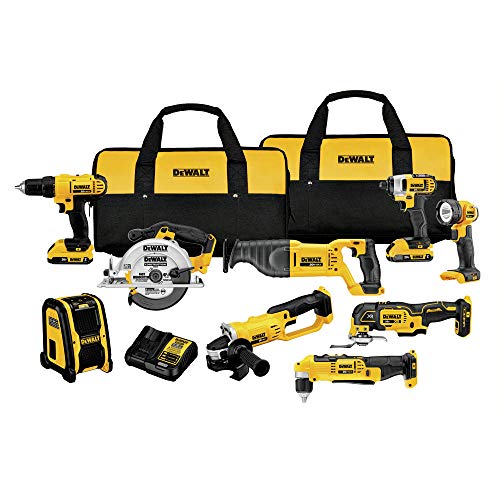
DeWalt is another brand committed to green practices. Their FLEXVOLT system adapts to your power needs, optimizing energy use. DeWalt also actively works towards reducing waste in their production facilities.
Bosch
Bosch offers tools that prioritize energy efficiency and minimal environmental impact. They focus on sustainable materials and incorporate advanced technology to enhance tool longevity. Bosch's CoolPack batteries are designed to last longer, reducing the need for replacements.
Milwaukee
Milwaukee invests in innovative solutions to make their tools eco-friendly. Their M18 and M12 systems provide cordless convenience while maintaining power efficiency. Milwaukee's dedication to green initiatives extends to their packaging, which uses recycled materials.
Festool
Festool is renowned for producing high-quality, eco-conscious tools. Their focus on dust extraction systems helps maintain cleaner work environments. Festool's products are built to last, reducing waste and promoting sustainable practices. Choosing the right eco-friendly brand can make your construction projects more sustainable. Consider what matters most to you—be it energy efficiency, durability, or reduced emissions. What changes can you make today to contribute to a healthier planet?
Tips For Smart Selection
Choosing eco-friendly construction tools can enhance sustainability in building projects. These tools are designed to minimize environmental impact and reduce waste. Selecting the right tools requires smart decision-making and careful consideration. Below are some tips to guide you in choosing eco-friendly construction tools.
Research And Reviews
Begin by researching available eco-friendly tools. Find manufacturers committed to sustainability. Look for tools made from recycled materials. Check energy efficiency ratings for power tools. Read reviews from other users. Reviews can reveal the practicality and durability of tools. They also provide insights into the environmental benefits. Online forums and community groups may have helpful discussions. These sources can offer firsthand experiences with eco-friendly tools.
Consulting Experts
Consulting experts in sustainable construction can be valuable. Experts understand the latest trends and technologies. They can recommend tools that align with eco-friendly practices. Speak to architects or builders who specialize in green construction. They often have insights into the best tools for sustainable projects. Attend workshops or seminars focused on eco-friendly building. These events provide opportunities to connect with knowledgeable professionals. Experts can help you make informed decisions.
Frequently Asked Questions
What Are Eco-friendly Construction Tools?
Eco-friendly construction tools minimize environmental impact. They use sustainable materials and energy-efficient technologies. These tools help reduce waste and pollution. Choosing them supports green building practices. They often come from manufacturers with eco-certifications.
How To Identify Sustainable Construction Tools?
Look for eco-certifications and sustainable materials. Check energy efficiency ratings. Research the manufacturer's commitment to sustainability. Read reviews from other users. Consider tools that reduce waste. Prioritize durability and recyclability.
Why Choose Eco-friendly Construction Tools?
Eco-friendly tools reduce environmental harm. They support sustainable building practices. Using them can lower energy costs. They often last longer, reducing replacement needs. Choosing green tools reflects a commitment to sustainability. It can enhance brand reputation.
Are Eco-friendly Tools Cost-effective?
Yes, they can be cost-effective. Eco-friendly tools often have longer lifespans. They reduce energy consumption, saving money. Initial costs may be higher. Long-term savings make them a smart investment. They can also improve project efficiency.
Conclusion
Choosing eco-friendly construction tools matters for the planet. Prioritize tools made from sustainable materials. Look for energy-efficient options. Consider durability to reduce waste. Research brands committed to eco-friendly practices. Compare tools for the best environmental impact. Ask experts for advice.
Read reviews from other users. Small changes make a big difference. Save money and protect nature by picking wisely. The right tools help build a better future. Every choice counts. Embrace greener options for healthier construction. Make a positive impact today.
Start building responsibly for tomorrow's world.