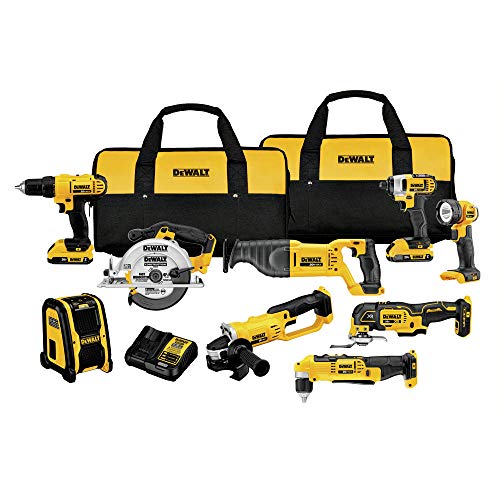

Ever misplaced a tool right when you needed it most? You’re not alone.
Losing track of tools is frustrating, especially when you're in the middle of a project. Imagine knowing exactly where each tool is, all because you took a few simple steps to mark them effectively. Whether you're a professional tradesperson or a DIY enthusiast, marking your tools can save you time, money, and hassle.
It's not just about organization; it's about peace of mind. In this guide, you’ll discover easy and practical ways to mark your tools, ensuring you never lose them again. Dive in and learn how a little preparation can transform your workspace and boost your productivity.
Benefits Of Marking Tools
Marking your tools brings many advantages. Identifying them easily prevents mix-ups and loss, ensuring you keep track of your equipment. Personalized markings also save time during projects, boosting efficiency and productivity.
Marking your tools might seem like a small task, but it brings numerous advantages that can significantly impact your daily operations. From improved efficiency to reduced loss and theft, marking tools offers tangible benefits that can streamline your work processes. Let's explore how this simple practice can make a difference.
Improved Efficiency
Imagine reaching for a tool and instantly recognizing it as yours. Marking your tools allows you to quickly identify them in a busy workspace. This means less time spent searching and more time focused on the task at hand. Efficiency is not just about speed; it's about accuracy. When you can easily identify your tools, you minimize the risk of using the wrong one, which can save you from costly mistakes. This can be particularly beneficial in high-stakes environments where precision is key.
Reduced Loss And Theft
Tool theft is a common issue in many workplaces. A marked tool is less attractive to thieves because it's harder to resell. By marking your tools, you deter potential theft and protect your investment. Consider how frustrating it is to lose a tool that you need for a specific job. Marking your tools ensures they are easily identifiable, reducing the chances of them being misplaced or taken by mistake. This simple step can save you money and headaches in the long run.
Simplified Inventory Management
Keeping track of tools can be a daunting task, especially in large operations. By marking your tools, you simplify the inventory process. It becomes easier to account for each item, ensuring nothing goes missing. Having a clear system for identifying your tools can also help when it's time to reorder or replace them. You can quickly assess what you have and what you need, making inventory management more efficient and less stressful. Have you ever found yourself scrambling to find a missing tool just when you needed it the most? Marking your tools can prevent such scenarios, ensuring you always have the right equipment at your fingertips. Marking tools is not just about ownership; it's about enhancing your workflow and safeguarding your resources. How can you start implementing this practice today?
Choosing The Right Marking Method
When it comes to marking your tools, choosing the right method is crucial. You want something that lasts but also suits your specific needs. The method you choose can impact durability, readability, and even the tool's usability. Let's dive into the key factors you should consider when selecting your marking method.
Permanent Vs. Temporary Marks
Permanent marks are ideal if you want to ensure the identification is long-lasting. These can include engraving or etching, which withstand wear and tear. However, they might not be suitable if you anticipate needing to update or change the markings.
Temporary marks, like using stickers or paint pens, offer flexibility. They're great for situations where tool ownership changes or when you need to remove the marking later. But, they might fade or peel off over time, especially with frequent use.
Material Considerations
The material of your tools plays a significant role in choosing the marking method. Metal tools can handle engraving or stamping well. These methods offer permanence without compromising the tool's integrity.
Plastic or rubber tools require gentler methods. You might consider using paint markers or labels, which don't damage the surface. Always test a small area first to ensure the marking won't degrade the material.
Environmental Factors
Consider where you typically use your tools. If your tools are often exposed to harsh weather or chemicals, opt for a marking method that withstands these conditions. Engraving is a robust choice for durability.
If your tools stay indoors, you have more flexibility. Stickers or ink might suffice, offering easy visibility without the need for harsh methods. Think about what conditions your tools will face and choose accordingly.
What method have you found effective in your unique environment? Share your experience and see how others have tackled their marking challenges. Your insights could be the key to someone else's tool organization success.
Popular Tool Marking Techniques
Marking your tools is crucial. It prevents loss and theft. Various techniques exist for marking tools. Each method has its benefits. Some are permanent, others are temporary. Choose a technique based on your needs. Here are some popular methods.
Engraving Tools
Engraving involves cutting designs into surfaces. It uses sharp tools. Engraving is durable and long-lasting. This method suits metal tools best. It makes permanent marks that resist wear. You can use electric engravers. These are easy to handle. They create precise marks. Manual engraving is another option. It requires skill but offers control. Engraved marks are unique.
Laser Marking
Laser marking uses focused light beams. It creates high-quality marks on tools. This method is precise and clean. No physical contact occurs during marking. It works well on various materials. Metals, plastics, and ceramics are suitable. Laser marking is fast and efficient. It's ideal for serial numbers and logos. Tools remain intact after marking. This technique is popular in industries.
Paint And Labeling
Paint and labeling are simple techniques. Paint is applied directly to the tool surface. It can be used in various colors. Paint helps identify tools quickly. Labels, on the other hand, stick onto tools. They come with adhesive backs. You can write on labels or print them. Both methods are temporary but effective. They are affordable and easy to apply. Paint and labels suit small workshops.
Diy Marking Tips
Marking your tools can save time and prevent mix-ups. DIY marking is a simple way to personalize and organize your gear. Whether you're working in a busy workshop or at home, clear identification helps. Explore these tips to mark your tools effectively without spending much.
Using Household Items
Get creative with everyday items to mark your tools. Nail polish works great for adding color spots. It's durable and comes in many colors. You can also use masking tape. Write your name or initials on it. Wrap it around the handle for easy identification. Permanent markers are handy too. They write on most surfaces and are budget-friendly.
Cost-effective Solutions
Engraving tools is a solid method. It lasts long and resists wear. Use a simple engraving pen for this. Another option is to use colored rubber bands. Wrap them around the handles. They are cheap and easy to find. Paint pens offer another inexpensive solution. They provide bold, clear markings that stand out.
Safety Precautions
Safety is crucial when marking tools. Avoid inhaling fumes from markers or paints. Work in well-ventilated areas. Wear gloves if using chemicals or sharp tools. Ensure the tools are clean before marking. This prevents accidents and ensures the markings stick properly. Always follow product instructions for safe use.
Maintaining Marked Tools
Keeping your tools marked is just the start. Regular maintenance ensures your tools stay in top shape. Proper care helps the marks remain visible and effective.
Regular Inspection
Check your tools for wear. Pay attention to the marked areas. Fading or damage can make marks hard to read. Inspect each tool before and after use. This habit can save time and prevent loss.
Regular checks also help catch issues early. Early detection means easier fixes. Stay ahead and keep your tools in working order.
Handling And Storage
Proper handling extends tool life. Handle tools carefully to avoid damage. Store them in a safe place. This prevents unnecessary wear and tear.
Organize your storage area. Designate spots for each tool. A tidy space makes finding tools easier. It also reduces the risk of losing them.
Updating Marks
Marks can fade over time. Refresh them regularly. Use the same method as before. Consistency helps in quick identification.
Assess the marks' condition often. Update them if they become hard to see. Keeping them clear ensures easy recognition.
Digital Solutions For Tool Management
In the modern world, managing tools digitally is crucial. It saves time and prevents loss. Digital solutions make this process easier and more efficient. They help in tracking and organizing tools effectively. This article explores various digital methods for tool management.
Tool Tracking Apps
Tool tracking apps are essential in today's tech-driven world. They allow users to monitor tool locations easily. With these apps, you can see which tools are in use. You can also track who is using them. This ensures accountability and reduces tool loss. Most apps offer real-time updates and alerts. This helps in maintaining a well-organized tool inventory.
Qr Codes And Barcodes
QR codes and barcodes are simple yet effective. They help in quick tool identification. Scanning these codes provides instant information. This includes tool details and history. Using a scanner or smartphone, you can access this data anywhere. QR codes and barcodes reduce manual errors. They enhance efficiency in tool management.
Integration With Inventory Systems
Integrating tool data with inventory systems is vital. It offers a comprehensive view of all assets. This integration allows for seamless data sharing. It helps in tracking tool availability and usage patterns. Inventory systems can send alerts for maintenance needs. This ensures tools are in top condition at all times.
Frequently Asked Questions
What Are The Benefits Of Marking Tools?
Marking tools helps prevent loss and theft. It makes tool identification easier in shared workspaces. Personal markings also add a personal touch, enhancing organization. This ensures you always know which tools are yours, saving time and effort in locating them.
How Can I Effectively Mark My Tools?
Use permanent markers, engraving tools, or color-coded labels. Choose a method that withstands wear and tear. Ensure markings are visible and consistent across all tools. This helps in quickly identifying your tools and maintaining organization in your workspace.
What Materials Are Best For Marking Tools?
Permanent markers, paint pens, and engraving tools work best. They offer long-lasting marks that withstand daily use. Choose durable materials that won't easily fade or wear off. This ensures your tools remain identifiable over time, even with frequent handling.
Can Tool Markings Improve Workplace Safety?
Yes, marked tools reduce mix-ups and accidents. They ensure the right tools are used for specific tasks. Clear identification prevents mishandling and misuse, enhancing safety. By reducing errors, marking tools contributes to a safer and more efficient work environment.
Conclusion
Marking your tools saves time and stress. No more searching endlessly. It keeps your workspace organized and efficient. Personal marks deter theft and confusion. Simple techniques, like engraving, work well. Paint or labels add a personal touch. Choose methods that fit your needs.
Regularly check marks for wear. Reapply when needed to keep them visible. This habit protects your investments. It also boosts productivity. Start marking today, and enjoy the benefits. Remember, a little effort now saves trouble later. Keep tools marked for peace of mind and smooth work.
Make it a routine.