Storing tools properly can feel like a daunting task, especially when you want to protect your investments and keep everything in tip-top shape. You might be wondering: How do you pack tools for storage without causing damage?
Or how do you organize them so they're easy to find later? Well, you're in the right place! Imagine opening your storage space and seeing all your tools neatly organized and ready to use whenever you need them. It's not just about saving space; it's about saving time and money.
You'll discover simple, effective strategies to pack your tools like a pro. You'll learn tips that not only safeguard your equipment but also bring peace of mind. Ready to transform your tool storage game? Let's dive in!
Assessing Your Tools
Choosing the right containers ensures your tools remain safe in storage. Clean each tool before packing to prevent rust. Use labels for easy identification and organize similar items together for convenience.
Packing tools for storage may seem like a straightforward task, but the process becomes much more manageable when you start by assessing your tools. This step ensures you’re only storing what’s necessary and keeps your space organized. Imagine having easy access to all your essential tools without having to dig through piles of unused items.
Identify Essential Tools
Begin by identifying the tools you use most often. Think of the ones you reach for regularly when tackling your projects. These are the tools that deserve a prime spot in your storage plan. Consider which tools make your tasks easier or are irreplaceable for certain jobs. Do you have a favorite hammer or a go-to drill? Keep these items readily accessible. Remember, less is more. By focusing on your essential tools, you create a more efficient and clutter-free storage system.
Determine Usage Frequency
Next, determine how often you use each tool. This helps prioritize their placement in storage. Are there tools that you only use seasonally or for specific projects? Tools with high usage should be stored where you can easily reach them. Those used less frequently can be stored in less accessible areas. Ask yourself: when was the last time you used that specific tool? If you can’t remember, it might be time to reconsider its place in your storage plan. By assessing your tools, you create a tailored storage system that saves you time and effort in the long run. It’s about making your workspace work for you.
Cleaning And Maintenance
Before storing tools, proper cleaning and maintenance are crucial. This ensures your tools remain in good condition. Clean tools prevent rust and extend their lifespan. Regular maintenance also helps in detecting any issues early. Let's explore some essential cleaning and maintenance steps.
Remove Dirt And Rust
Begin by removing any dirt or debris. Use a brush or a cloth to clean surfaces. For stubborn dirt, a mild soap solution can help. Rinse thoroughly and dry the tools completely. Moisture leads to rust, which can damage tools.
To tackle rust, use a rust remover or vinegar solution. Apply it with a cloth or brush. Scrub gently until the rust is gone. Rinse and dry the tools well. A clean tool performs better and lasts longer.
Lubricate Moving Parts
Lubrication is key to smooth tool operation. Focus on moving parts like hinges and joints. Use a light machine oil or a specialized tool lubricant. Apply a few drops and move the parts to spread the oil. This reduces friction and prevents wear.
Wipe off any excess oil to avoid dust accumulation. Regular lubrication keeps tools efficient and ready for use. Properly lubricated tools are easier to handle and maintain.
Choosing Storage Solutions
Choosing the right storage solutions for your tools is crucial. Proper organization keeps tools safe and easy to find. Different storage options suit various needs and spaces. Let's explore some effective choices.
Types Of Toolboxes
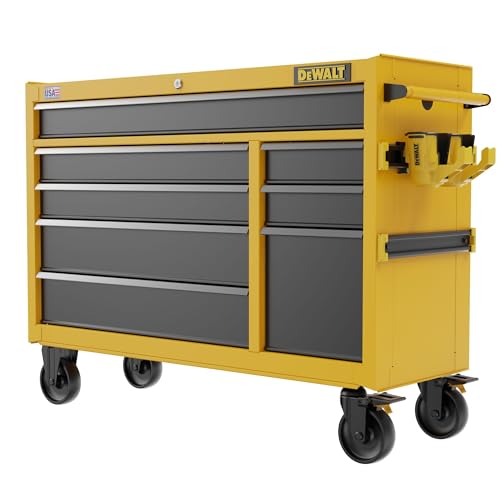
Toolboxes come in various shapes and sizes. Small toolboxes are perfect for basic tools. They're easy to carry and store. Larger toolboxes offer more space for bigger items. Some toolboxes have wheels for easy transport. Metal toolboxes are durable and secure. Plastic ones are lightweight and affordable.
Shelving Options
Shelves are ideal for organizing larger tools. Wall-mounted shelves save floor space. Adjustable shelves can fit tools of different sizes. Metal shelves are sturdy and long-lasting. Wooden shelves give a classic look. Consider shelf weight capacity for heavy tools. Shelving units with bins offer extra organization.
Organizing Your Tools
Packing tools properly ensures they stay organized and protected in storage. Use sturdy boxes or containers, separating heavy and delicate items. Label each container clearly for easy access, making future projects smoother and stress-free.
Organizing your tools is a crucial step before storing them away. This process not only helps in maintaining the tools' condition but also ensures you can find them quickly when needed. A well-organized tool storage system can save you time and frustration, making your future projects smoother and more enjoyable.
Categorize By Function
Begin by sorting your tools based on their function. Group similar items together, like screwdrivers with screwdrivers and wrenches with wrenches. This simple step makes it easier to locate the tool you need without rummaging through a pile. Think about how you use your tools. If you often work on carpentry, keep your woodworking tools together. This way, your tool storage aligns with your workflow, enhancing efficiency.
Labeling Techniques
Labeling is your best friend in organizing tools. Use clear, durable labels on boxes or drawers. This ensures you don’t have to guess what's inside each container. Consider using color-coded labels for different categories. For instance, use blue labels for plumbing tools and red for electrical. This visual aid speeds up the search process. You might think labeling is unnecessary for a small collection. However, as your tool collection grows, labels become invaluable. They help you maintain order and avoid misplaced items. Have you ever wasted time looking for a tool you were sure you had? Proper labeling can prevent this hassle. It’s a small step that makes a big difference in keeping your tools organized. By categorizing and labeling your tools effectively, you create a system that supports your projects. This investment of effort upfront leads to long-term benefits, both in time saved and reduced stress. What will you do today to start organizing your tool storage?
Protecting Tools From Damage
Tools are valuable investments. Keeping them in good condition is essential. Proper storage ensures they remain functional and efficient. Damage during storage can lead to costly repairs or replacements. Protecting your tools from harm is crucial for their longevity. This guide will help you store tools safely.
Use Protective Covers
Covers shield tools from dust and scratches. They provide a barrier against accidental knocks and drops. Use soft cloths or specialized tool covers for added protection. Make sure the cover fits snugly. This prevents dust from settling on your tools.
Consider using padded bags for delicate tools. They offer extra cushioning. This reduces the risk of damage during movement. Always store tools with their covers on. It keeps them clean and ready for use.
Prevent Moisture Exposure
Moisture is a tool's worst enemy. It leads to rust and corrosion. Store tools in a dry place. Avoid damp basements or garages. Use silica gel packs to absorb excess moisture. They are inexpensive and effective.
A dehumidifier can help in humid areas. It reduces moisture in the air. Make sure tools are dry before storing them. Wipe them with a clean cloth. This prevents moisture from settling on the surface.
Maximizing Space Efficiency
Organize tools efficiently for storage by grouping similar items together. Use clear containers for easy identification and accessibility. Label each box to ensure quick retrieval and prevent clutter.
Maximizing space efficiency is crucial when you're packing tools for storage. Every tool has its place, and organizing them smartly can save you both time and frustration. Whether you're storing tools in a shed, garage, or a dedicated workshop, the right strategies can help you make the most of the available space. Let’s dive into some practical ways to achieve this.
Stacking Strategies
Stacking tools efficiently can transform your storage space. Start by categorizing your tools based on size and weight. Place heavier items at the bottom to avoid any potential damage. Use clear, labeled bins to stack smaller tools and accessories. This not only keeps everything organized but also allows you to see what's inside without opening every box. Have you ever struggled to find a tool because it was buried beneath others? By stacking with intention, you can eliminate this hassle.
Utilizing Vertical Space
Think about your vertical space as an untapped resource. Installing shelves or pegboards can dramatically increase your storage capacity. Hang frequently used tools at eye level for easy access. Consider magnetic strips for smaller metal tools like screwdrivers and wrenches. This keeps them visible and within reach. It's surprising how much space you can free up by simply going vertical. Have you been underestimating the potential of your walls? Give it a try and see the difference it makes. Engage with these strategies, and watch how your tool storage transforms into a well-organized haven. Isn't it satisfying to know exactly where everything is? Implement these tips and enjoy a clutter-free, efficient workspace.
Safety Considerations
Ensure tools are clean and dry before storing. Use sturdy containers to prevent damage. Secure sharp edges with protective covers.
When packing tools for storage, prioritizing safety is paramount. Not only do you want to ensure that your tools remain in good condition, but you also want to prevent any accidents or injuries during the packing and storing process. Safety considerations go beyond just wearing gloves or using bubble wrap. It's about thinking ahead and planning how each tool is handled and stored to avoid any potential hazards.
Handle Sharp Tools
Sharp tools, like saws and knives, can be especially dangerous if not packed correctly. Wrap these tools in sturdy materials such as thick cloth or old towels. This prevents any accidental cuts when you or someone else reaches into the storage box. Consider using blade guards or scabbards for saws and knives to provide an extra layer of protection. Label the outside of the package clearly, so anyone handling it knows to be cautious. Have you ever reached into a box, not knowing there's a sharp object inside? That's a situation you want to avoid.
Secure Heavy Items
Heavy tools can be a challenge when it comes to storage. Tools like drills and hammers need special attention to avoid shifting during transport, which could cause damage to other items or injury to anyone nearby. Use strong, durable boxes that can handle the weight and reinforce them with packing tape. Place heavier items at the bottom of the box and fill any gaps with crumpled paper or packing peanuts. This helps prevent movement and potential accidents. Have you ever had a box break open because of too much weight? Proper packing can prevent such mishaps. Remember, safety isn't just about protecting yourself; it's about ensuring that anyone who might handle your stored tools can do so without risk. Are your tools packed safely enough for you and others?
Long-term Storage Tips
Organize tools by type and size for easy storage. Wrap sharp items securely to prevent injury. Use durable boxes or containers to protect tools from moisture and dust. Label each container clearly for quick identification. Ensure lids are tightly sealed to maintain tool integrity.
Storing tools for long-term use requires careful planning. Proper storage ensures tools remain in top condition. Without this, tools can rust, degrade, or become unusable. Let's explore ways to protect your tools for the long haul.
Climate Control Measures
Temperature and humidity affect tool durability. Keep tools in a dry, cool place. Use dehumidifiers to reduce moisture in the air. This prevents rust and corrosion. For added protection, consider climate-controlled storage units. They maintain a stable environment, safeguarding your tools. Remember, moisture is a tool's worst enemy.
Regular Inspections
Regular inspections help identify issues early. Check your tools every few months. Look for signs of rust or wear. Address problems immediately to prevent further damage. Clean and oil tools if needed. This keeps them ready for future use. Inspections also ensure you don’t forget about stored tools. Staying proactive saves time and money. `
Frequently Asked Questions
What Materials Protect Tools During Storage?
Using materials like bubble wrap, plastic bins, and silica gel can protect tools from moisture and physical damage. Ensure tools are clean before packing to avoid corrosion. Proper labeling aids in easy identification. Use sturdy, sealed containers to keep dust and pests away.
How Do I Prevent Rust On Stored Tools?
To prevent rust, clean and dry tools thoroughly before storage. Use rust inhibitors or oils for added protection. Store tools in a dry environment, ideally with a dehumidifier. Avoid direct contact with metal surfaces. Regularly inspect tools for any signs of moisture.
Can Power Tools Be Stored In Garages?
Power tools can be stored in garages if conditions are dry and temperature-controlled. Use protective cases to shield them from dust and moisture. Garages with humidity control are ideal. Consider wall-mounted storage for efficient use of space. Regularly check for signs of rust or wear.
What’s The Best Way To Pack Hand Tools?
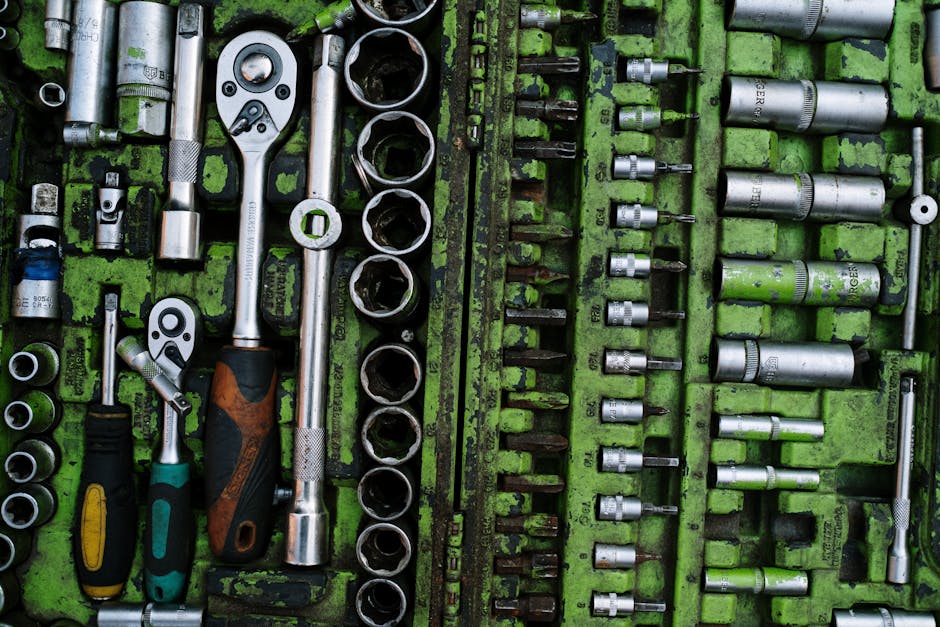
Pack hand tools in toolboxes or sturdy containers with dividers. Clean and oil tools before storage to prevent rust. Use foam or soft lining for added protection. Label containers for easy access. Store in a dry, cool area to maintain tool condition.
Conclusion
Packing tools for storage doesn't have to be hard. Follow simple steps. Clean your tools first. Dry them properly. Use the right materials for wrapping. Label each box clearly. Store them in a dry, cool place. This prevents rust and damage.
Organize tools by size or type. It saves space and time. Remember, taking care of tools ensures they last longer. With these tips, keep your tools safe and ready. Enjoy the ease of finding them when needed. Happy organizing!