Do you love the freedom and thrill of cycling? Whether you’re a daily commuter, a weekend warrior, or someone who enjoys leisurely rides through the park, keeping your bike in top shape is essential.
Imagine this: you're riding your bike and suddenly, something feels off. Panic sets in as you realize you might not have the right tools or know-how to fix it on the spot. But what if you could handle minor fixes confidently and keep your bike running smoothly?
Learning how to use bike hand tools effectively can save you time, money, and a lot of frustration. In this guide, we'll break down the essential bike hand tools you need and how to use them, ensuring that your rides remain safe and enjoyable. Dive in, and empower yourself with the skills to tackle common bike issues without a hitch!
Essential Bike Hand Tools
Maintaining your bike ensures a safe and enjoyable ride. Essential bike hand tools are key for quick fixes and regular maintenance. Having the right tools makes repairs straightforward. This guide highlights must-have tools and optional advanced tools.
Must-have Tools
Start with a set of Allen wrenches. They tighten most bike bolts. A tire lever helps remove tires easily. A reliable floor pump keeps your tires inflated. A chain tool is useful for fixing a broken chain. A screwdriver set is essential for adjusting derailleurs and brakes.
Always have a patch kit. It repairs punctures on the go. A spoke wrench is crucial for wheel adjustments. A pedal wrench makes pedal installation and removal simple. These tools cover most basic repairs and maintenance needs.
Optional Tools For Advanced Repairs
For advanced tasks, consider a torque wrench. It ensures bolts are tightened correctly. A bottom bracket tool helps with crankset maintenance. A headset wrench is useful for adjusting the headset bearings. A cable cutter provides clean cuts for brake and gear cables.
A chain whip and lockring tool are needed for cassette removal. A truing stand helps keep wheels straight and true. These tools are excellent for those who perform detailed bike maintenance.
Safety Precautions
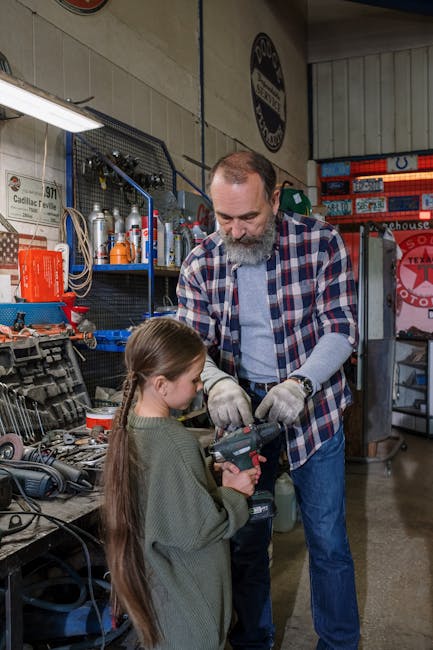
Ensure hands are dry to avoid slipping while using bike hand tools. Wear protective gloves for better grip and safety. Keep tools organized and within easy reach to prevent accidents.
When using bike hand tools, safety should always be your top priority. Neglecting safety precautions can lead to injuries, even during routine maintenance tasks. It's crucial to understand and implement the right safety measures to protect yourself and ensure a smooth repair process.
Protective Gear
Wearing the appropriate protective gear is essential. Gloves can protect your hands from sharp edges and provide a better grip on tools. A helmet isn't only for riding; it can shield your head during repairs if something accidentally falls. Safety glasses are a must to protect your eyes from flying debris or chemical splashes. Think about this: Have you ever had a small piece of metal fly into your eye? It’s painful and avoidable with the right gear. Make it a habit to wear your protective gear every time you work on your bike.
Safe Work Environment
Creating a safe work environment goes hand in hand with using your bike hand tools effectively. Ensure your workspace is well-lit to avoid mistakes. A clean area minimizes the risk of tripping or losing small parts. Are you working in a cluttered garage? Take a few minutes to clear the space. Keep your tools organized, and ensure your bike is on a stable surface. This simple step can prevent accidents and make your repair work much more efficient. Being mindful of these safety precautions not only protects you but also makes your bike maintenance tasks more enjoyable and rewarding. What steps will you take to improve safety in your workspace today?
Understanding Bike Mechanics
Understanding bike mechanics is essential for every cyclist. Knowing how your bike works helps in maintaining it properly. It also empowers you to use bike hand tools effectively. Let's delve deeper into basic components and how parts interact.
Basic Components
Bicycles consist of several key components. The frame is the backbone. It supports all other parts. Wheels and tires enable smooth movement. The saddle provides a seat. Handlebars steer the bike. Pedals drive the motion.
Brakes ensure safety by slowing down or stopping. Chains transmit power from pedals to wheels. Each part has its unique role. Understanding them makes maintenance easier.
How Parts Interact
Bike components work in harmony. The chain connects pedals and rear wheel. This interaction propels the bike forward. Handlebars control direction. They help navigate turns smoothly.
Brakes work with wheels to stop safely. When you pull the brake lever, friction slows the bike. Each part relies on others to function well. Regular checks ensure they interact properly.
Understanding these interactions aids in effective use of tools. It allows you to fix issues promptly. Regular maintenance prevents breakdowns. Keep your bike functioning smoothly.
Common Repairs And Tools Needed
Using bike hand tools efficiently can fix common issues like loose chains and flat tires. Essential tools include a tire lever, multi-tool, and patch kit, ensuring smooth rides.
If you've ever found yourself stranded on the side of the road with a flat tire or a squeaky chain, you know the importance of having the right bike hand tools. Even the most casual cyclist should be prepared for common repairs. With a few essential tools and a little know-how, you can tackle most bike issues with confidence. Let's dive into the most common repairs and the tools you'll need to keep your ride smooth and safe.
Flat Tire Fixes
Flat tires are an unavoidable part of biking. But fixing them doesn't have to be a hassle. All you need is a tire lever, a patch kit or a spare tube, and a pump. First, use the tire lever to remove the tire from the rim. Inspect the tube for punctures, and either patch the hole or replace the tube with a spare. Pump up the tire to the recommended pressure, ensuring it's firm but not too hard. Imagine the relief of getting back on your bike without a hitch. Isn't it empowering to know you can handle it yourself?
Adjusting Brakes
Brakes are crucial for your safety, and adjusting them is simpler than you might think. You'll need a 5mm hex wrench and a Phillips screwdriver. Check the brake pads to ensure they’re not worn down. If they are, replace them. Use the hex wrench to adjust the brake cable tension, ensuring a snug fit. The screwdriver will help align the pads so they contact the rim evenly. Next time you stop smoothly at a red light, you'll appreciate your handiwork.
Chain Maintenance
A well-maintained chain is the heart of smooth cycling. For this, you need a chain tool, a rag, and some lubricant. Start by cleaning the chain with a rag to remove dirt and grime. Use the chain tool to remove broken links and replace them if necessary. Apply lubricant sparingly, wiping off any excess. A clean chain not only lasts longer but also makes your ride quieter and more efficient. How satisfying is it to pedal with ease, knowing you took care of your chain? Incorporating these simple repairs into your routine can extend the life of your bike and enhance your cycling experience. Remember, each repair you learn makes you a more confident and independent cyclist. So, what's stopping you from getting hands-on with your bike tools today?
Step-by-step Repair Guide
Discover the essentials of bike hand tools in this step-by-step repair guide. Each tool's purpose and use are clearly explained, helping you fix your bike with ease. Perfect for beginners and enthusiasts alike.
Embarking on a bike repair journey can be both exciting and daunting. With the right bike hand tools and a systematic approach, you'll find it easier to tackle those repairs. This step-by-step repair guide will empower you to handle basic bike maintenance, ensuring a smoother ride for your next adventure.
Preparing Your Workspace
Before diving into the repairs, set up a clean and organized workspace. Clear away any clutter to avoid losing small parts or tools. A well-lit area can make a huge difference, allowing you to see intricate details clearly. Gather all the tools you'll need and lay them out within easy reach. This saves time and prevents frustration when you’re in the middle of a task. Using a sturdy workbench or a bike stand can make your job easier, reducing strain on your back and ensuring the bike is stable.
Using Tools Effectively
Knowing how to use each tool effectively is crucial to a successful repair. Begin by identifying the specific tools required for the task at hand. For example, a hex key set is essential for adjusting most bolts on your bike. When using a wrench, ensure you have the right size to avoid stripping bolts. Apply steady pressure rather than quick jerks to prevent damage. If you’ve ever rounded a bolt, you know how frustrating it can be to fix. Practice using tire levers to remove a tire from the rim without pinching the tube. This technique is invaluable, especially during roadside repairs. Remember, practice makes perfect; the more you familiarize yourself with these tools, the more confident you'll become. Are you ready to transform your bike maintenance skills? With a well-prepared workspace and the effective use of your tools, you’re well on your way to mastering bike repairs. What challenge will you tackle first?
Troubleshooting Tips
Fixing bikes with hand tools requires basic knowledge and practice. Start with simple tools like wrenches and screwdrivers. Learn their functions and the correct way to use each. Pay attention to safety to avoid injury.
Troubleshooting your bike can often feel like solving a mystery. It’s a blend of observation, problem-solving, and a dash of patience. Having the right tools is essential, but knowing how to use them effectively is what truly makes a difference. Let's dive into some practical troubleshooting tips that will make your bike maintenance less of a chore and more of a rewarding experience.
Identifying Common Issues
First, you need to pinpoint the problem. Listen to your bike. Does it squeak, grind, or rattle? Each sound can indicate a specific issue. For instance, a clicking noise during pedaling might suggest a loose pedal or crank arm. Visual inspections are equally important. Look for signs of wear such as frayed cables or worn-out brake pads. Touch your bike components to feel for any looseness or misalignment. These simple checks can save you a trip to the bike shop.
Quick Fixes
Once you've identified the issue, it's time for action. Start with the basics. Tighten any loose bolts with an Allen wrench, a common tool in your kit. This can resolve many issues in minutes. If your chain is skipping, try adjusting the derailleur. Use the barrel adjuster to fine-tune the cable tension. It’s a straightforward fix that can significantly improve your riding experience. Are your brakes squealing? Clean the rims and pads with a damp cloth. Sometimes, removing the grime is all it takes for smoother, quieter braking. Having these troubleshooting skills not only saves money but also boosts your confidence. Who doesn’t enjoy the satisfaction of fixing their own bike? Next time you face a problem, remember these tips. They might just be the key to a smoother ride. What’s your most challenging bike issue, and how did you solve it?
Maintenance Routines
Keeping your bike in top shape means regular maintenance. Regular checks and seasonal adjustments are key. Using the right bike hand tools can make this easy and efficient. Understanding these routines ensures your bike rides smoothly and safely.
Regular Checkups
Regular checkups are crucial for bike health. Start with a quick visual inspection. Look for any visible damage or wear. Use a wrench to tighten loose bolts. Check your brakes. Ensure they stop the bike effectively. Adjust the brake pads if needed. A few minutes every month can prevent bigger issues.
Seasonal Adjustments
Seasons change, and so should your bike maintenance. In winter, focus on rust prevention. Clean and dry your bike after wet rides. Apply lubricant to the chain. In summer, tires need special attention. Check air pressure often. Heat can change tire pressure quickly. Adjust as needed.
Each season brings different challenges. Use your bike hand tools wisely. Adapt to these changes for smooth rides all year round.
Upgrading Your Toolkit
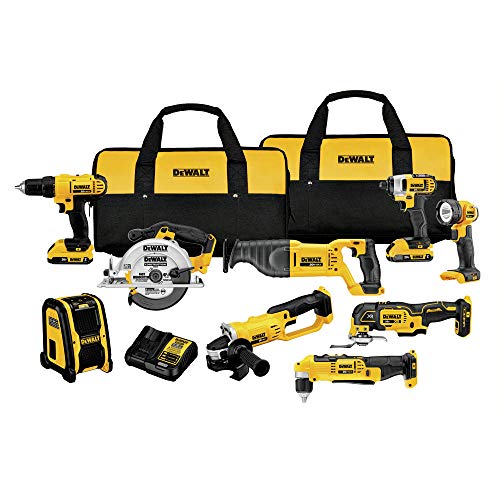
Upgrading your bike toolkit can transform your repair experience. A well-equipped toolkit ensures you're ready for any bike issue. Start with the basics, then expand your collection gradually. This approach keeps your toolkit manageable and efficient. Let's dive into how you can upgrade your toolkit effectively.
Choosing Quality Tools
Selecting quality tools is crucial. Reliable tools last longer and perform better. Look for tools made from durable materials. Stainless steel or chrome vanadium are good choices. These materials resist corrosion and wear. Also, choose tools that offer a firm grip. This ensures precision and safety during repairs.
Expanding Your Collection
Expand your toolkit with purpose. Start by identifying your most frequent bike issues. Add tools that address these specific needs. Consider tools for brake adjustments or chain repairs. Having specialized tools increases your efficiency. As your skills grow, add more advanced tools. This gradual expansion keeps your toolkit relevant and practical.
Joining Bike Repair Communities
Bike repair communities offer valuable tips on using hand tools for maintenance. Learn to handle wrenches and screwdrivers efficiently. Share experiences and get advice from fellow enthusiasts.
Joining bike repair communities can be a great way to enhance your skills. These communities offer support, advice, and a sense of belonging. By connecting with others, you can learn new techniques and find solutions to common problems. They also provide opportunities to share your knowledge and experiences with fellow enthusiasts.
Finding Local Groups
Local bike repair groups often hold workshops and meetups. These events are perfect for learning hands-on skills. Check local bike shops for information on nearby groups. Libraries and community centers might also have bulletin boards with relevant notices. Word-of-mouth is another effective way to find these groups. Ask friends or fellow cyclists for recommendations.
Online Resources
The internet offers many bike repair communities. Websites and forums provide valuable advice and tutorials. Social media platforms host groups where members share tips and experiences. YouTube channels can also offer visual guides to complex repairs. These resources are accessible and often free. They help you learn at your own pace from the comfort of home.
Frequently Asked Questions
What Are Essential Bike Hand Tools?
Essential bike hand tools include tire levers, a multi-tool, and a pump. A multi-tool typically contains hex wrenches, screwdrivers, and a chain tool. These tools help with basic maintenance and repairs. Carrying these tools ensures you’re prepared for most minor issues while on the road.
How Do Tire Levers Work?
Tire levers help remove tires from wheels. Insert a lever under the tire bead, then pry it over the rim. Use additional levers to slide around the rim, releasing the tire completely. This tool is crucial for fixing flats or replacing tires efficiently.
Why Use A Bike Multi-tool?
A bike multi-tool consolidates essential tools into one compact device. It usually includes hex keys, screwdrivers, and sometimes a chain breaker. This versatility makes it ideal for on-the-go repairs and adjustments. It's lightweight and fits easily in a saddlebag, making it indispensable for cyclists.
How Can I Maintain My Bike Tools?
Maintain your bike tools by cleaning them after each use. Store them in a dry place to prevent rust. Regularly check for damage or wear. Keeping your tools in good condition ensures they work effectively and last longer, saving you time and money in the long run.
Conclusion
Mastering bike hand tools boosts your cycling experience. Better maintenance, safer rides. These tools simplify repairs and adjustments. Confidence grows with each use. Practice often, improve skills over time. Start with basic tools, expand your collection gradually. Always follow safety tips.
Your bike will thank you. Remember, patience is key. Each task gets easier. Enjoy the journey of learning and fixing. Share your skills with friends. Encourage them to maintain their bikes too. Happy riding!