Are you looking to add a touch of personalization to your fashion pieces or home decor? Maybe you’ve seen those stunning studded jackets or chic studded cushions and thought about creating your own.
The hand studding tool is your gateway to unleashing your creativity. With this handy tool, you can transform ordinary items into extraordinary masterpieces right from your home. But where do you start, and how do you ensure your designs turn out just as you imagined?
In this guide, you'll discover simple steps and insider tips to master the art of hand studding effortlessly. Keep reading to unlock the secrets to perfect studding and let your creative side shine!
Choosing The Right Studding Tool
Selecting the right tool makes hand studding easy. Hold it firmly and align with the stud's position. Press gently to secure the stud in place. This simple method ensures a neat and professional finish.
Choosing the right studding tool might feel overwhelming, especially with so many options available. However, it's essential to select the right one to ensure precision and durability in your projects. Let's break down what you need to know to make an informed decision.
Types Of Studding Tools
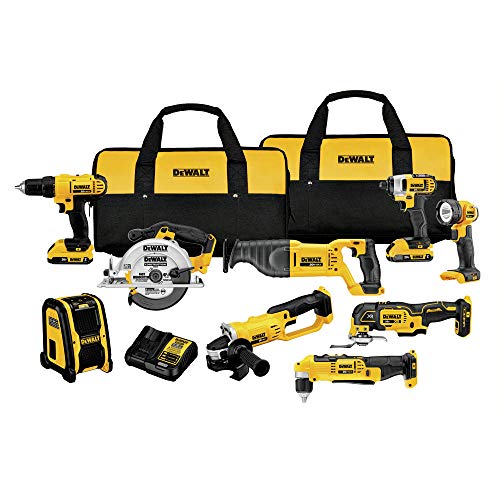
Different studding tools are designed for specific tasks and materials. Some are perfect for light, decorative work, while others handle heavy-duty jobs effortlessly. - Manual Studding Tools: These are best for small projects or when you want more control over the process. They're affordable and simple to use but might require more effort. - Pneumatic Studding Tools: These are powered by air compressors and offer precision and speed. They're great for large projects but might be overkill for small tasks. - Electric Studding Tools: Ideal for consistent use with minimal effort. They plug into a power source and are efficient for medium to large-scale projects. Consider what projects you'll undertake most often. This can guide you in selecting the tool that fits your needs.
Features To Consider
When evaluating studding tools, focus on key features to ensure you make a smart purchase. Here’s what to look out for: - Ease of Use: A tool with an intuitive design can save you time and frustration. Look for ergonomic handles and straightforward mechanisms. - Adjustability: Does the tool offer adjustable settings for different stud sizes? This can enhance its versatility for various projects. - Durability: High-quality materials mean a longer lifespan. Stainless steel components are often more resilient to wear and tear. - Weight and Portability: If you plan to move around with your tool, consider its weight. A lightweight tool can prevent fatigue during extended use. Reflect on your own experiences. Have you ever been frustrated by a tool that didn’t perform as expected? By considering these features, you can avoid similar pitfalls. Choosing the right studding tool is not just about the brand or price. It's about matching the tool to your unique needs and projects. What will you create next with the right studding tool in hand?
Preparing Materials For Studding
Preparing materials is crucial for effective hand studding. The right preparation ensures the studs remain secure. It also enhances the overall appearance of the finished product. Each step in the preparation process builds a strong foundation for your project.
Selecting The Material
Choose the right material for your hand studding project. Fabric, leather, or denim are popular choices. Each material behaves differently under pressure. Consider the thickness and texture. Thin materials may tear easily. Thick materials might require more force. Make sure the material complements the stud design. This ensures a harmonious final look.
Pre-studding Preparation
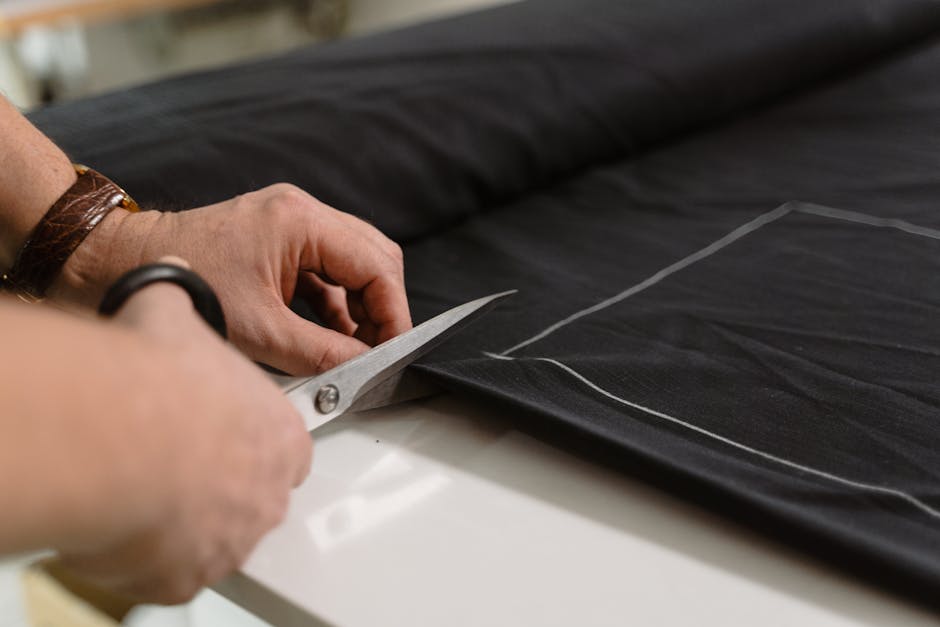
Begin by washing the material. This removes any dirt or chemical treatments. Dry it thoroughly to prevent mold. Mark the areas where studs will go. Use a fabric pen or chalk. Maintain even spacing for a neat appearance. Consider the stud size and design. Larger studs need more space. Test the studding tool on a scrap piece. This avoids mistakes on the main material.
Techniques For Effective Studding
Using a hand studding tool can enhance your projects. It adds a decorative touch. But, mastering the technique is essential. Effective studding ensures longevity and style. Let's explore some simple methods.
Positioning Studs Correctly
Begin by selecting the right spot. Proper placement enhances the design. Plan your layout before starting. Use a ruler for straight lines. This prevents crooked rows. Always mark positions lightly. It helps avoid mistakes.
Ensure each stud has enough space. This allows for even distribution. Crowded studs look messy. Proper spacing enhances the overall look. Take your time with positioning. It's worth the effort.
Ensuring Secure Attachment
Attach each stud firmly. Loose studs may fall off. Press with consistent pressure. This ensures they stay in place. Use pliers if needed. They provide extra grip. Check each stud after attaching. A quick tug tests security.
Choose the right stud size. It affects the grip strength. Larger studs may need more pressure. Smaller ones require gentleness. Always match the tool to the stud size. This prevents damage.
Safety Tips And Best Practices
Ensure safety by wearing gloves and goggles when using a hand studding tool. Secure the tool firmly to prevent slips. Always follow the manufacturer's instructions for optimal results.
Using a hand studding tool can greatly enhance precision in your projects. To ensure safety and efficiency, following best practices is crucial. Below, we provide essential safety tips for using a hand studding tool effectively.
Protective Gear
Wearing protective gear is vital. Use safety goggles to protect your eyes. Gloves can prevent hand injuries. Consider ear protection if the tool is loud. A dust mask is useful if dust is present. Always wear suitable footwear. Choose shoes with non-slip soles for added safety.
Avoiding Common Mistakes
Rushing can lead to errors. Take your time to ensure accuracy. Double-check the tool settings before use. Ensure the material is securely fastened. This prevents slips and accidents. Keep your work area tidy. A cluttered space increases risks. Always read the user manual carefully. Follow the manufacturer’s instructions closely.
Maintenance Of Studding Tools
Using a hand studding tool is simple. First, ensure the tool is clean and free of debris. Next, position the stud over the desired area, aligning it precisely. Finally, press the tool firmly to secure the stud in place. Regular maintenance ensures optimal performance and longevity.
Maintaining your hand studding tool is essential for ensuring it lasts longer and performs optimally. Regular maintenance not only preserves the tool but also enhances the quality of your work. Whether you're a hobbyist or a professional, understanding how to care for your tools can make a significant difference. Imagine the frustration of a jammed tool just when you need it most. Avoid this by dedicating a little time to proper upkeep.
Cleaning Tools
Start by cleaning your studding tools after each use. Dust and debris can accumulate quickly, affecting performance. Use a soft brush or compressed air to remove any particles. If your tool is metallic, consider wiping it down with a damp cloth to prevent rust. Avoid harsh chemicals; they can damage the tool's surface. Are you consistent with cleaning? It might save you from unexpected repairs.
Storing Tools Properly
Proper storage is crucial for extending the life of your tools. Keep them in a dry, cool place to avoid moisture, which can lead to rust. Use a tool box or dedicated drawer to prevent dust accumulation. You might be tempted to leave tools out for convenience, but storing them properly protects your investment. Is your storage space organized? It could save you time searching for the right tool. Regularly inspect your tools for wear and tear. Look out for signs of damage, such as bent parts or dull edges. Address any issues immediately to prevent further damage. Remember, a well-maintained tool is a reliable tool. How often do you check your tools? It might be worth scheduling regular maintenance checks. Taking care of your hand studding tool doesn't have to be a chore. Incorporate these simple maintenance tips into your routine. Your tools will thank you by performing better and lasting longer.
Innovative Uses For Studding
Hand studding tools make adding decorative studs to fabric or leather simple and efficient. These tools allow precise placement of studs, enhancing clothing or accessories effortlessly. Experiment with different stud sizes and patterns for unique designs.
Innovative Uses for Studding Studding isn't just for adding flair to your leather jacket. This versatile tool can transform everyday items into statement pieces. Whether you're a fashion enthusiast or a home decor aficionado, hand studding opens up a world of creative possibilities.
Fashion Applications
Have you ever wanted to give your old denim jacket a fresh look? Adding studs can make it stand out in a crowd. You don't need to be a professional designer to get it right. Simply grab your hand studding tool and start adding studs along the seams or on the back panel. It’s an easy way to express your personal style. You might even find that friends are asking you to customize their clothes! Studding can also revamp your footwear. Consider adding studs to the side of your sneakers or along the strap of your sandals. This can turn a basic pair into a bold fashion statement.
Home Decor Ideas
Your home deserves a touch of glam too. Studding can be used to give furniture a modern upgrade. Think of adding studs to the edges of a plain wooden coffee table. It creates a chic, industrial look that can transform your living space. Consider studding the corners of your throw pillows. This adds texture and interest to your couch. It’s a simple tweak that creates a luxurious vibe without breaking the bank. Have you ever thought about decorating photo frames? Studding the borders can make them pop. It turns your cherished memories into focal points that grab attention. What innovative ways will you use your hand studding tool to express yourself? The possibilities are endless.
Frequently Asked Questions
What Is A Hand Studding Tool Used For?
A hand studding tool is used for attaching studs to various materials, like fabric or leather. It's commonly used in fashion and crafting projects to add decorative elements. The tool secures studs firmly, ensuring a professional finish.
How Do You Use A Hand Studding Tool?
To use a hand studding tool, first select the correct stud and align it on the material. Squeeze the handles to press the stud into place. Ensure the prongs penetrate the material for a secure fit.
Can Beginners Use A Hand Studding Tool?
Yes, beginners can easily use a hand studding tool. It requires minimal effort and practice. Follow instructions carefully to achieve the best results. Start with simple projects to gain confidence and improve your skills.
What Materials Can You Stud With This Tool?
You can stud various materials like leather, denim, and canvas with a hand studding tool. Ensure the material is thick enough to hold the studs securely. Experiment with different fabrics to create unique designs.
Conclusion
Hand studding tools make crafting easy and fun. They offer precision. Perfect for leather, fabric, and more. Beginners find them accessible. Experts appreciate their efficiency. Always follow safety tips. Practice improves skill. These tools enhance creativity. You create unique designs.
Experiment with different materials. Let your imagination guide you. Craft gifts, accessories, or decor. Share your creations proudly. Enjoy the process. It's a rewarding hobby. Anyone can learn it. With patience, skills grow. This tool is versatile. Explore its potential.
Happy crafting!