Imagine the satisfaction of crafting something beautiful with your own hands, using nothing but simple tools and raw wood. Woodworking with hand tools is not just a skill; it's an art form, a meditation, and a journey into creativity.
You might think it requires years of practice or a workshop full of expensive equipment, but what if you could start right now, with just a few basic tools? This guide will show you how to transform your woodworking dreams into reality.
Whether you're a complete beginner or looking to refine your techniques, you'll discover tips and tricks that make the process enjoyable and rewarding. Get ready to unlock the secrets of woodworking with hand tools and see how your imagination can shape wood into functional, beautiful pieces. Are you ready to create something extraordinary? Dive in, and let's get started on this hands-on adventure!
Choosing Essential Hand Tools
Crafting woodwork with hand tools demands selecting essentials like chisels, saws, and planes. These tools shape, cut, and smooth wood effectively, enabling precision and creativity. Prioritize quality and comfort to enhance your woodworking experience.
Choosing the right hand tools is crucial when you’re starting with woodworking. They are the foundation of your craft and determine the quality of your work. Hand tools not only offer precision but also give you a deeper connection with the material. Let’s dive into the essential hand tools you need, focusing on saws, planes, and chisels.
Saws And Their Uses
Saws are indispensable in woodworking for cutting wood into desired shapes. A crosscut saw is perfect for cutting across the grain, while a rip saw works best for cutting along the grain. If you’re handling intricate cuts, a coping saw with its thin blade is your go-to tool. When I first started, I underestimated the difference a good saw makes. Using a quality handsaw can save you time and effort and improve the accuracy of your cuts. Have you considered which saw might suit your current project best?
Planes For Smoothing And Shaping
Planes help in smoothing out wood surfaces and shaping them to your needs. A bench plane is ideal for flattening and smoothing larger surfaces. For more detailed work, a block plane is great due to its compact size. Once, I struggled with uneven surfaces until I invested in a reliable bench plane. The transformation was immediate; my projects had a polished finish. What kind of finish do you want for your woodwork?
Chisels And Gouges
Chisels are essential for carving and detailing. A bevel-edge chisel is versatile and can handle most tasks, from chopping to paring. For rounded cuts, a gouge is more effective due to its curved blade. In my early days, I often overlooked the importance of sharp chisels. Dull tools can ruin your project and cause frustration. Keeping your chisels sharp can drastically change your working experience. Are your tools ready for precise detailing? Choosing the right hand tools is an investment in your skills and projects. Each tool serves a distinct purpose and enhances your ability to create beautiful woodwork. As you select your tools, think about the tasks you’ll tackle and the results you aim to achieve.
Preparing Your Workspace
Preparing your workspace is a crucial step in woodworking with hand tools. A well-organized and safe environment not only boosts efficiency but also enhances creativity. From setting up your workbench to ensuring safety, let's dive into the essentials that can transform your woodworking experience.
Setting Up A Workbench
Your workbench is the heart of your workspace. Choose a sturdy table that can withstand the pressure of your projects. The height should be comfortable for you, allowing your elbows to rest naturally while standing.
Consider adding a vise for stability when working on your pieces. If you're like me, you'll appreciate having everything within arm's reach. Mount shelves or hooks nearby to keep essentials close.
Reflect on your workflow. Do you prefer standing or sitting while working? Adjust your bench accordingly and make it your own. A personalized space can inspire you every time you step into your workshop.
Organizing Tools For Efficiency
A clutter-free workspace is a productive one. Start by categorizing your tools based on their usage. Keep frequently used tools like chisels and saws within reach, perhaps in a toolbox or a pegboard.
Labeling can be a game-changer, especially when you're in the middle of a project and need a tool quickly. It saves time and reduces frustration. I once spent 15 minutes searching for a misplaced wrench!
Think about your process. Do you often find yourself switching tools rapidly? Arrange them in a sequence that mirrors your workflow. This small change can make a big difference in your efficiency.
Ensuring Safety Measures
Safety should never be an afterthought in woodworking. Equip your workspace with necessary safety gear, such as goggles and gloves. Ensure your tools are in good condition; sharp blades are safer than dull ones.
Consider the lighting. Is your workspace well-lit? Adequate lighting reduces eye strain and helps you spot potential hazards. I once overlooked a splinter due to poor lighting—it wasn't pleasant!
Reflect on the layout of your space. Is there enough room to move around freely? A cramped area can lead to accidents. Prioritize safety and think about how you can improve your setup.
As you prepare your workspace, ask yourself: How can these changes enhance my woodworking experience? Small tweaks can lead to significant improvements. Dive in, make adjustments, and watch your creativity soar.
Understanding Wood Types
Exploring different wood types is crucial for hand tool woodworking. Each type has unique characteristics affecting how tools interact. Hardwood like oak offers durability, while softwood such as pine allows easier shaping. Knowing these details ensures better craftsmanship and tool handling.
Understanding the various types of wood is crucial for woodworking with hand tools. The kind of wood you select can influence the durability and appearance of your project. You might be wondering, what makes one wood type better than another for specific projects? Let's delve into some common considerations.
Hardwood Vs Softwood
Hardwoods come from deciduous trees that shed their leaves annually. These woods are typically denser and more durable, making them ideal for furniture and flooring. Think of oak, maple, or walnut when you need strength and elegance. Softwoods, on the other hand, are from evergreen trees. They are generally lighter and easier to work with, perfect for projects like framing and outdoor structures. Pine and cedar are popular choices here. So, what should you use for your project? Consider the wood's properties and your needs. Hardwoods might be pricier but offer lasting quality, while softwoods are cost-effective and versatile.
Choosing The Right Wood For Projects
Picking the correct wood is not just about hardwood vs. softwood. It's also about the wood's grain, color, and ease of use. If you're crafting a cutting board, hardwoods like maple provide durability and a smooth finish. For a birdhouse or garden bench, lightweight softwood such as cedar can be more practical. It’s easy to handle and has natural resistance to pests. Think about the final use of your project. Will it be exposed to elements? Do you need a particular aesthetic? Answering these questions will guide your choice.
Sustainable Wood Sourcing
Sourcing wood responsibly is essential. It’s not just a trend; it's about preserving our environment. Look for certifications like FSC (Forest Stewardship Council) which ensure the wood was harvested sustainably. Consider reclaimed wood for your projects. It adds character and history, and you’re giving new life to old materials. Plus, it's an eco-friendly choice. Would you like your woodworking to contribute positively to the planet? Choose suppliers who prioritize sustainable practices. Your craft can be beautiful and ethical at the same time. In woodworking, every decision counts, from the tools to the type of wood. What project are you planning next? Maybe it’s time to experiment with a new wood type, keeping these insights in mind.
Basic Woodworking Techniques
Embarking on the journey of woodworking with hand tools can be both rewarding and therapeutic. Basic woodworking techniques are the foundation of this craft, enabling you to create beautiful and functional pieces. Whether you're crafting a simple shelf or a complex cabinet, mastering these techniques will set you on the path to success.
Measuring And Marking
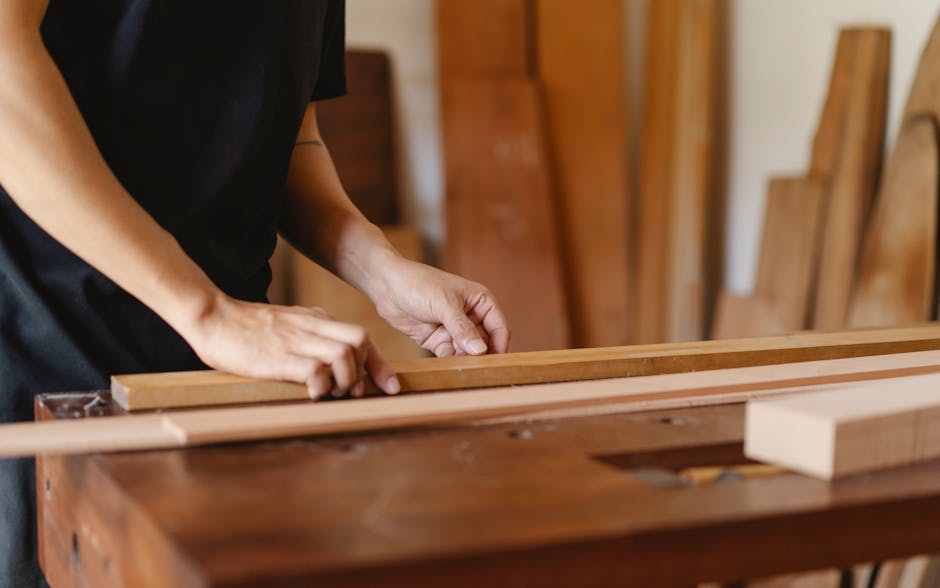
Accuracy is critical in woodworking, and it all starts with precise measuring and marking. Use a reliable tape measure and a sharp pencil to mark your wood. A combination square can help you maintain straight, even lines.
Always double-check your measurements. A simple mistake can lead to wasted materials and time. Remember the old adage: measure twice, cut once.
Consider using a marking gauge for repeated measurements. It's a handy tool that ensures consistency across your project. Have you ever had a project turn out just slightly off? That’s often due to overlooked measuring details.
Cutting And Shaping
Hand saws, chisels, and planes are essential tools for cutting and shaping wood. Each has its own use, and knowing when to use which tool is vital. A hand saw is great for straight cuts, while a chisel is perfect for detailed work.
When shaping wood, take your time. Use a plane to smooth surfaces and create curves. It's a process that requires patience but pays off in the quality of the finished piece.
Do you prefer the rhythm of sawing or the finesse of chiseling? Both techniques have their own unique satisfaction. Embrace the process and enjoy the hands-on experience.
Joining And Assembling
Joining wood pieces is where your project starts to take shape. Techniques like dovetail and mortise and tenon joints are traditional and strong. These joints often require precise chiseling and a steady hand.
Wood glue and clamps are also your allies in assembling. Apply glue evenly and use clamps to hold pieces together as they dry. This ensures that the joints are as strong as possible.
Test fit your pieces before final assembly. It's easier to make adjustments before the glue sets. Have you ever experienced the frustration of a misaligned joint? Proper technique can prevent this all-too-common issue.
Woodworking with hand tools is more than just creating objects; it's about honing skills and enjoying the journey. Each step, from measuring to assembling, offers its own challenges and rewards. What will you create next?
Sharpening And Maintaining Tools
Sharpening and maintaining tools is vital in woodworking with hand tools. Properly sharpened tools make your work easier and more precise. Well-maintained tools last longer and perform better. Regular maintenance prevents rust and damage. It ensures your tools remain in good working condition. Let's dive into sharpening, maintenance, and storage tips.
Sharpening Blades
Sharpening blades keeps your tools cutting smoothly. Start with a sharpening stone or file. Hold the blade at the correct angle. Use gentle, consistent strokes along the edge. Keep the angle steady for an even edge. Test sharpness with a piece of scrap wood. A sharp blade cuts without much force.
Tool Maintenance Tips
Maintenance ensures tools work effectively. Clean tools after each use. Remove dust and debris with a soft cloth. Check for rust or damage. Apply a light coat of oil to metal parts. It prevents rust and keeps tools functioning well. Tighten any loose screws or bolts. Regular checks keep tools safe and reliable.
Storing Tools Properly
Proper storage protects your tools. Store them in a dry, cool place. Use a toolbox or pegboard for organization. Keep similar tools together for easy access. Ensure sharp tools have covers or guards. It prevents accidental cuts and keeps edges sharp. Good storage extends the life of your tools.
Crafting Simple Projects
Crafting simple projects with hand tools brings immense satisfaction. It's about embracing the tangible connection with wood. These projects are perfect for beginners. They offer a chance to hone skills without overwhelming complexity. Each project serves as a stepping stone to more advanced woodworking.
Creating A Wooden Box
A wooden box is a great starting project. Start by choosing quality wood. Measure and cut the pieces carefully. Use a saw for straight cuts. Assemble the box using nails or screws. Sand the edges smooth. Finish with varnish for a polished look. This box can store small items neatly.
Building A Simple Stool
A simple stool adds function and style to any space. Begin with selecting sturdy wood. Cut legs and seat to desired dimensions. Use a chisel for notches if needed. Assemble the pieces securely. Ensure stability by checking balance. Sand all surfaces. Apply a protective finish to enhance durability.
Making A Picture Frame
A picture frame showcases cherished memories. Choose wood with a fine grain. Cut pieces to the frame size. Use a miter box for precise angles. Assemble with glue and clamps. Allow to dry thoroughly. Sand the frame for smoothness. Finish with paint or stain to complement your decor.
Mastering Advanced Techniques
Woodworking with hand tools can be a rewarding experience. Advanced techniques elevate your skills. Precision and creativity come together. These methods bring timeless beauty to your projects. Mastering them requires patience and practice. Let's explore some advanced techniques.
Dovetail And Mortise Joints
Dovetail joints are strong and elegant. They interlock pieces at right angles. Precision is key for these joints. Use a saw and chisel carefully. Mortise joints involve cutting a square or rectangular hole. A tenon fits snugly into this hole. This technique ensures stable furniture construction. Accurate measurements prevent gaps.
Carving Decorative Elements
Carving adds unique details to your work. Start with simple designs. Gradually progress to more intricate patterns. Sharp chisels are essential tools. Maintain control while carving. Practice on scrap wood first. This reduces mistakes on your final piece. Carving enhances the aesthetics of woodwork.
Inlay And Marquetry
Inlay involves setting pieces of wood into a surface. Contrast colors for striking effects. Marquetry uses veneers to create images. Both techniques require precision. Use a sharp knife to cut intricate shapes. Glue them carefully onto the surface. Sand for a smooth finish. These techniques add elegance to your projects.
Finishing Touches
In woodworking, the finishing touches define the final look and feel. They highlight the beauty of the wood and ensure durability. Using hand tools for finishing adds a personal touch. This process involves careful sanding, applying finishes, and polishing. Each step requires patience and attention to detail.
Sanding Techniques
Sanding smooths the wood surface. It removes rough spots and imperfections. Begin with coarse sandpaper to eliminate major flaws. Gradually move to finer grits. This ensures a smooth finish. Sand along the grain to avoid scratches. Pay special attention to edges and corners. They often need extra care.
Applying Finishes And Varnishes
Finishes protect the wood from damage. They enhance its natural beauty. Choose the right finish for your project. Options include oils, waxes, and varnishes. Use a clean brush or cloth to apply. Apply thin, even coats for best results. Allow each coat to dry completely. Lightly sand between coats for a smooth surface.
Polishing For A Professional Look
Polishing adds shine and depth to wood. It highlights the grain and color. Use a soft cloth for buffing. Apply gentle pressure in circular motions. This ensures an even polish. For a high-gloss finish, consider using a polishing compound. Keep the cloth clean to avoid scratches. The result is a stunning, professional appearance.
Troubleshooting Common Issues
Discover simple fixes for common woodworking problems with hand tools. Learn to sharpen blades for smoother cuts. Ensure tools are properly aligned for accuracy. Tackle wood splitting by understanding grain direction. Practice patience and precision to enhance your woodworking skills.
Troubleshooting common issues in woodworking with hand tools can save time. It also preserves valuable resources. Working with hand tools offers precision and a unique touch. But challenges arise. Understanding how to fix these issues enhances skills. Let's delve into some common problems and their solutions.
Fixing Misaligned Joints
Misaligned joints occur often. They can ruin a project. Check the tool's alignment first. Ensure your saw or chisel cuts straight. Use a square to verify angles. If joints still misalign, check your technique. Apply even pressure. Practice on scrap wood to improve accuracy. A little attention goes a long way.
Addressing Wood Splits And Cracks
Wood splits happen unexpectedly. They can derail progress. Choose the right wood grain. Avoid knots and irregularities. If a split occurs, use glue. Apply it inside the crack. Clamp it tightly. Let it dry completely. For larger cracks, use a wood filler. Sand it smooth after it dries. Prevention is key. Handle wood gently.
Correcting Finish Mistakes
Finishing mistakes are common. They affect the wood's appearance. If the finish is uneven, sand lightly. Remove the flawed layer. Apply a new coat. Use a clean brush. Avoid bubbles by stirring, not shaking, the finish. If drips occur, sand them gently. Reapply the finish. Patience ensures a smooth, appealing result.
Frequently Asked Questions
What Are Essential Hand Tools For Woodwork?
Essential hand tools include chisels, saws, planes, and hammers. These tools help in cutting, shaping, and joining wood. Beginners should start with basic tools to learn the craft. Quality tools ensure precision and ease in woodworking projects. Invest in durable tools for long-term use.
How Do I Choose Wood For Hand Tools?
Choose wood based on project needs and tool compatibility. Hardwoods are ideal for furniture, while softwoods suit simple projects. Consider the grain pattern, texture, and workability of the wood. Proper wood selection ensures durability and aesthetic appeal. Always check wood quality before purchase.
Can Beginners Start Woodworking With Hand Tools?
Yes, beginners can start with hand tools easily. They offer better control and precision for learning. Start with simple projects to build skills and confidence. Hand tools require less space and are cost-effective. Practice regularly to improve techniques and craftsmanship.
What Safety Tips For Woodworking With Hand Tools?
Wear protective gear like gloves and goggles. Ensure tools are sharp and well-maintained. Work in a clean, organized space to prevent accidents. Follow instructions for each tool carefully. Keep fingers away from cutting edges and blades. Regularly check tools for damage and repair promptly.
Conclusion
Woodworking with hand tools can be very rewarding. It connects you with tradition. You gain hands-on skills and creativity. Start with simple projects. Practice makes you better. Enjoy the process and the peace it brings. Hand tools are quiet. They allow you to work without noise.
This can be calming. Always remember safety. Wear protective gear. Keep tools sharp and clean. With patience and care, you can create beautiful pieces. Enjoy each step of your woodworking journey. Happy crafting!