Are you ready to dive into the world of crafting with brass using just hand tools? Imagine the satisfaction of shaping this beautiful metal with your own hands, creating stunning pieces that radiate elegance and craftsmanship.
Whether you're a hobbyist or a DIY enthusiast, working with brass can be both a rewarding and therapeutic experience. You'll discover the essential techniques, tips, and tricks to master brass with hand tools, ensuring you achieve professional-looking results. Keep reading to unlock the secrets of this timeless craft and elevate your skills to new heights.
Your next masterpiece is just a few steps away!
Essential Brass Tools
Working with brass requires specific tools for precision and quality. Brass is a soft metal, making it easy to work with using hand tools. Each tool has a unique role in crafting and shaping brass. Understanding their functions can make your brass project efficient and enjoyable.
Hammers And Mallets
Hammers and mallets are vital for shaping brass. A ball-peen hammer is ideal for forming and shaping. It has a rounded end perfect for curved surfaces. Rubber mallets are gentle, preventing damage to the brass surface. Choose based on your project's needs.
Files And Rasps
Files and rasps smooth and refine brass edges. Files come in various shapes like flat, round, and half-round. These help in detailed shaping. Rasps are coarser, perfect for quick material removal. Use them for initial shaping before finer work with files.
Saws And Shears
Saws and shears cut brass with precision. A jeweler's saw is excellent for intricate cuts. It offers control for detailed work. Metal shears are suitable for straight cuts in thin brass sheets. Both tools provide clean, precise cuts.
Drills And Bits
Drills create holes in brass for assembly or decoration. Use a hand drill for controlled, slow drilling. This prevents overheating the brass. Choose drill bits designed for metalwork. They ensure clean, accurate holes. Select the right size for your specific project needs.
Safety First
Safety is key when working brass with hand tools. Wear protective goggles and gloves to avoid injuries. Always secure the brass piece firmly to prevent slips during cutting or shaping.
Safety is the foundation of working with brass hand tools. Prioritizing safety ensures a smooth and worry-free crafting experience. Accidents can be avoided with the right precautions. Let's explore essential safety measures for working brass with hand tools.
Protective Gear
Wearing proper gear is crucial. Goggles protect your eyes from metal shards. Gloves shield your hands from sharp edges. A dust mask prevents inhalation of metal particles. Use ear protection if tools are loud. Stay safe by covering exposed skin. Always dress appropriately for the task.
Safe Workspace Setup
Organize your workspace carefully. Ensure tools are within reach. Keep your area well-lit and clutter-free. Use a stable workbench to avoid slips. Make sure ventilation is adequate. This prevents inhalation of harmful dust. Store tools properly to prevent accidents. Always check for potential hazards.
Handling Brass Safely
Brass can be sharp and heavy. Handle pieces carefully to avoid cuts. Use clamps for stability when cutting. Ensure tools are sharp and in good condition. Dull tools can slip and cause injuries. Work slowly to maintain control. Inspect brass for flaws before starting. This prevents unexpected breaks or accidents.
Cutting Techniques
Brass is a versatile material loved by many for its aesthetic appeal and durability. Working with brass using hand tools can be a rewarding experience, but it requires precision and skill. Cutting brass is a fundamental step that sets the stage for your project. Whether you're crafting a unique piece of jewelry or building a small-scale model, understanding the right cutting techniques is crucial. Let's explore how you can cut brass efficiently and avoid common pitfalls.
Using A Hacksaw
A hacksaw is a popular choice for cutting brass due to its simplicity and effectiveness. The trick lies in choosing the right blade. Look for a blade with fine teeth; it gives you a smoother cut. When cutting, make sure the brass is securely clamped to prevent any movement. This ensures straight cuts and minimizes the risk of injury.
Begin with gentle strokes and gradually increase the pressure. This technique prevents the blade from overheating and preserves its sharpness. Have you ever noticed how a slight tilt of the blade can change the cut angle? Keep your hand steady and straight to maintain accuracy.
Precision With Shears
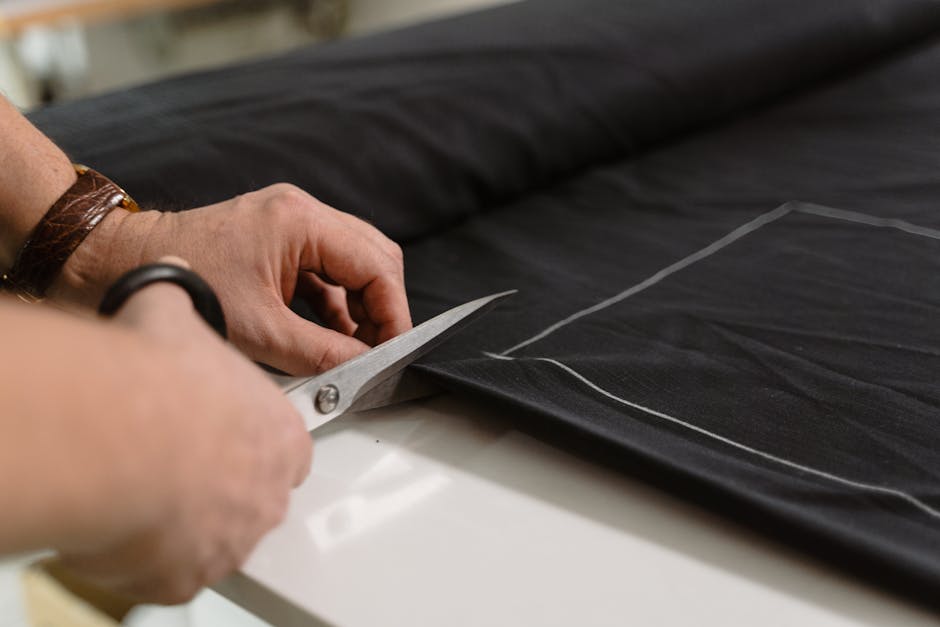
Shears are excellent for cutting thin sheets of brass. They allow for precise cuts and are easy to handle. Choose shears specifically designed for metalwork to ensure clean edges. Before you begin, mark your cutting lines clearly. This helps in keeping the cut straight and avoids wastage.
Hold the shears firmly, and apply consistent pressure. It's fascinating how a slight change in grip can affect the cut quality. Try experimenting with different grips to find what works best for you. Remember, precision is key, so take your time to get it right.
Avoiding Common Mistakes
Mistakes are common when cutting brass, but they can be avoided. One frequent error is using excessive force. It can lead to uneven cuts and even damage your tools. Are you applying too much pressure? Let the tool do the work; guide it rather than force it.
Another mistake is not securing the material properly. Loose brass can shift during cutting, leading to inaccuracies. Always check your setup before starting. Lastly, neglecting tool maintenance can affect performance. Regularly clean and sharpen your tools to keep them in top condition.
Brass cutting requires patience and practice. Have you mastered the art of cutting yet? Share your experiences and tips below. Your insights could help others perfect their technique!
Shaping And Forming
Brass shaping involves using hand tools like hammers and files to create desired forms. Achieve smooth surfaces by carefully filing and sanding edges. Proper technique ensures precision and enhances the beauty of brass items.
When working with brass, the art of shaping and forming can transform a simple sheet into a stunning piece of craftsmanship. This process is where creativity meets skill, allowing you to mold brass into various shapes and designs. Whether you're hammering, bending, or creating curves, mastering these techniques opens up endless possibilities for your projects.
Hammering Basics
Hammering is the foundation of shaping brass. It requires patience and precision. Start by selecting the right hammer for the job—ball-peen hammers are often ideal due to their rounded ends. Hold the brass securely on a stable surface. Use gentle, consistent taps to avoid cracking. This method allows you to gradually flatten or stretch the metal, depending on your design needs. When I first started, I underestimated the subtlety needed in hammering. I learned that the secret lies in the rhythm. How will you find your rhythm?
Bending And Folding
Bending brass involves creating sharp angles or soft folds. Use a vise to hold the metal steady. For sharp bends, a metal brake can be invaluable. If you’re folding by hand, use a mallet to ensure even pressure. This prevents unwanted creases. Practice on scrap pieces to understand how brass behaves under pressure. I remember struggling with uneven folds. It taught me the importance of uniform pressure. Have you ever noticed how small changes can make a big difference?
Creating Curves
Curving brass is a skill that brings elegance to your work. For gentle curves, a pipe or round object can guide the shape. Simply wrap the brass around and apply even pressure. For tighter curves, consider using a jeweler's mandrel. This tool helps maintain consistent curvature. Always move slowly to avoid kinks or cracks. The first curve I crafted was a revelation. It showed me the beauty of a gentle arc. What could your next curve reveal to you? By understanding and practicing these techniques, you can elevate your brass projects. Each method offers its own challenges and rewards. What will you create with your newfound skills?
Filing And Smoothing
Filing and smoothing brass can transform rough edges into refined surfaces. It's a crucial step in brass work. This process enhances the final look of your project. Using the right hand tools ensures precision and quality. Let's explore effective techniques for filing and smoothing brass.
Choosing The Right File
Selecting the right file is essential for working with brass. Brass is softer than other metals. Use a file specifically designed for softer metals. A flat file works well for broad surfaces. Use a round file for curved areas. For intricate details, a needle file is ideal. Always ensure your file is clean and free of rust. A clean file provides a smoother finish.
Techniques For Smooth Edges
Proper techniques lead to smoother brass edges. Start by filing in one direction. This prevents scratches and uneven surfaces. Hold the file at a consistent angle. Apply gentle pressure for better control. Use long, even strokes for smoothness. Check your progress often to avoid over-filing. For final touches, use fine-grit sandpaper. It enhances the smoothness of the edges.
Avoiding Over-filing
Over-filing can ruin your brass project. It removes too much material, weakening the piece. To avoid this, check your work frequently. Remove small amounts of material at a time. Pay attention to the thickness of the brass. Consistently measure and compare with your design plan. Patience is key to maintaining the integrity of your project.
Joining Brass Pieces
Crafting brass pieces with hand tools requires patience and precision. Use files and saws for accurate shaping. Carefully solder joints for strong connections.
Joining brass pieces can be a rewarding endeavor, especially when you use the right hand tools. The beauty of brass lies in its versatility and elegance, making it a popular choice for both decorative and functional items. When you learn how to join brass effectively, you unlock endless possibilities for your projects. Whether you’re crafting jewelry, creating intricate models, or repairing musical instruments, understanding the various methods for joining brass is crucial. Let's dive into some effective techniques you can use today.
Soldering Basics
Soldering is a popular method for joining brass pieces, largely due to its strength and precision. You'll need a soldering iron or torch, solder, and flux. Begin by cleaning the brass pieces thoroughly to ensure a strong bond. Apply flux to the areas you wish to join. Heat these areas until the solder melts and flows into the joint. Allow it to cool naturally for a strong connection. Remember, practice makes perfect, so don't be discouraged if it takes a few tries to get it just right.
Using Rivets
Riveting is another strong and reliable method for joining brass. It's especially useful when you want a mechanical bond without relying on heat. Start by drilling holes into the brass pieces where you want to place the rivets. Insert the rivet through the holes, and use a rivet setter or hammer to flatten the ends. This method is great for projects where you want a rustic or industrial look. Have you ever tried riveting before? It’s simpler than it seems and provides a unique aesthetic.
Adhesive Options
If you prefer not to use heat or tools, adhesives can be a viable option for joining brass pieces. Epoxy is a strong adhesive that works well with brass. Clean the surfaces thoroughly, then apply the adhesive according to the manufacturer’s instructions. Press the pieces together and allow them to cure for the recommended time. While adhesives may not offer the same strength as soldering or riveting, they are convenient for decorative items or temporary fixes. Consider this option when working on simpler projects or when you need a quick solution. Experimenting with these methods can enhance your skills and broaden your creative horizons. Have you found a favorite way to join brass? Each technique offers its own benefits and challenges, inviting you to explore and refine your craft.
Finishing Touches
Once you've shaped and assembled your brass project, the finishing touches are crucial to achieving a professional look. These final steps not only enhance the appearance but also ensure durability. Whether you're crafting a brass sculpture or a decorative item, polishing, protecting, and adding decorative elements can make all the difference. Let's dive into these essential finishing techniques that can elevate your brass work.
Polishing Techniques
Polishing brass can transform a dull surface into a gleaming masterpiece. Start with a fine-grit sandpaper to smooth out imperfections. This sets the stage for a brilliant shine.
Use a soft cloth with brass polish for an even and bright finish. A tip from my own experience: sometimes, a bit of elbow grease and patience can reveal the most stunning results.
Have you tried using a small buffing wheel attachment for your drill? It's a game-changer for those hard-to-reach areas. Just remember to keep the pressure gentle to avoid scratching.
Applying Protective Coatings
Brass, although beautiful, can tarnish over time. Applying a protective coating can preserve your hard work. Consider using clear lacquer or a wax finish for a lasting shield.
If you’ve ever found a brass piece that’s lost its luster, you know the importance of this step. A simple spray of lacquer can keep that shine intact for years.
Wax finishes offer a more subtle protection and can be applied with a soft cloth. Do you prefer a natural look? This might be your go-to option.
Decorative Enhancements
Add a personal touch with decorative enhancements. Engraving can add intricate designs that make your piece unique. You can use simple hand tools like chisels and punches to create patterns.
Ever thought of adding a patina for a vintage vibe? It’s a fantastic way to introduce depth and character. Experiment with different solutions to achieve various effects.
Consider adding other materials like wood or leather accents. They complement the brass beautifully and can make your project stand out. What creative twist will you add to your brass masterpiece?
With these finishing touches, your brass work can go from ordinary to extraordinary. Embrace the process, and you'll find that even the smallest details can make a significant impact. Happy crafting!
Maintenance Of Tools
Working brass with hand tools requires patience and precision. Regularly clean and oil tools to maintain their effectiveness. Sharp tools ensure smoother cutting and prevent damage to the brass surface.
Maintaining your hand tools is crucial for working brass efficiently. Proper care ensures they last longer and perform better. Neglect can lead to dull tools and poor craftsmanship. Let's explore some key aspects of tool maintenance.
Cleaning Tips
Regular cleaning keeps your tools in good condition. Wipe them down after each use. Remove brass shavings and dust. Use a soft cloth or brush. For stubborn grime, try a mild soap solution. Dry them thoroughly to prevent rust. Oiling moving parts helps keep them smooth.
Sharpening And Care
Sharp tools make precise cuts. Dull ones can damage brass. Sharpen blades regularly with a fine stone or file. Follow the tool's original angle. Use light, even strokes. Check for nicks or burrs and remove them. Keep edges smooth for better results.
Storage Solutions
Proper storage protects your tools. Use a toolbox or wall rack. Keep them organized and easy to reach. Avoid damp areas to prevent rust. Use silica gel packets to control moisture. Labeling helps identify tools quickly. Store them with care to maintain their condition.
Frequently Asked Questions
What Hand Tools Are Best For Working Brass?
Hand tools like files, hammers, and saws are ideal for brass work. Files help shape and smooth the metal. Hammers assist in bending and forming brass sheets. Saws are essential for cutting brass into precise shapes. These tools allow for detailed and controlled craftsmanship.
How To Safely Cut Brass With Hand Tools?
Use a hacksaw or jeweler's saw to cut brass safely. Secure the brass in a vise for stability. Wear gloves and eye protection to prevent injuries. Cut slowly to maintain control and accuracy. Ensure the blade is sharp for clean cuts.
How To Polish Brass With Hand Tools?
Use sandpaper or a wire brush to polish brass. Start with coarse grit sandpaper and finish with finer grit. Rub the brass surface gently to remove tarnish and achieve shine. A wire brush can also enhance the finish. Always polish in a well-ventilated area.
Can I Bend Brass Without Special Tools?
Yes, you can bend brass using hand tools. Secure the brass in a vise and use a hammer for gentle shaping. Alternatively, use pliers for more detailed bends. Heating the brass slightly can make bending easier. Be patient and bend slowly to avoid cracking.
Conclusion
Brass working with hand tools can be rewarding and fun. Simple techniques make a big difference. Take your time and enjoy the process. Always ensure your tools are sharp and ready. Safe practices keep your projects smooth and efficient. Practicing regularly builds confidence and skill.
Start small, and gradually tackle bigger projects. Don't rush; patience leads to quality work. Use this guide to explore your creativity. Enjoy crafting unique brass pieces with your hands. Happy crafting!