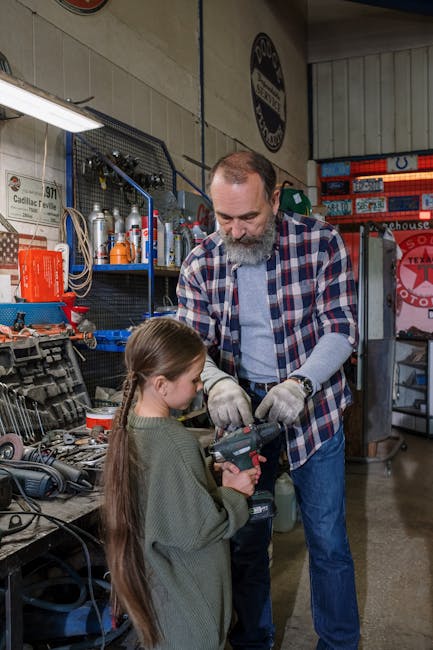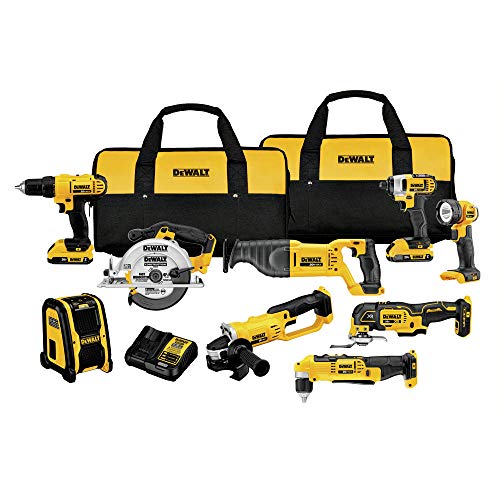
Have you ever found yourself staring at a toolbox, wondering whether to pick up a hand tool or reach for a power tool? You're not alone.
Choosing the right tool for your project can be daunting, especially when each promises unique benefits. Hand tools, with their simplicity and precision, often feel like an extension of your own hands. On the other hand, power tools boast efficiency and speed, turning complex tasks into manageable ones.
But, is there really a difference between the two? And more importantly, how do you decide which to use? Understanding these distinctions can transform your DIY projects, making them more enjoyable and successful. Stick around, and discover the insights that will help you make informed decisions for your next home improvement endeavor.
Hand Tools Basics
Hand tools have been in use for centuries. They rely solely on human strength. Users can control them easily. They offer precision and a personal touch. Hand tools are great for simple tasks. They do not need electricity or batteries. This makes them convenient and reliable. Understanding hand tools is crucial for any DIY enthusiast.
Manual Operation
Hand tools operate manually. Users provide the force needed to work them. This gives greater control over the task. You can adjust pressure and direction easily. This makes them ideal for delicate tasks. Manual operation requires physical effort. It can be tiring for large projects. Yet, it offers unmatched precision.
Common Types
There are many types of hand tools. Hammers are used for driving nails. Screwdrivers help tighten screws. Pliers hold or bend objects. Wrenches turn nuts and bolts. Saws cut wood or metal. Each tool has a specific purpose. Knowing the right tool is essential for efficiency.
Pros And Cons
Hand tools have their advantages. They are easy to use and maintain. They do not need power sources. This makes them cost-effective. Their simplicity allows for quick repairs. Yet, there are downsides too. Hand tools can be time-consuming for large tasks. Physical effort can lead to fatigue. Choosing the right tool depends on the project.
Power Tools Essentials
Power tools transform the way we approach tasks. They offer speed and efficiency. These tools are vital for both amateurs and professionals. Understanding their basics can enhance your work. This section dives into the key aspects of power tools.
Mechanized Function
Power tools rely on electricity or batteries. This mechanized function boosts their performance. You can achieve tasks faster with less effort. Unlike hand tools, they minimize manual labor. They are ideal for repetitive tasks. From drilling to sanding, they excel in various jobs.
Popular Varieties
There are many types of power tools. Drills, saws, and sanders are common. Each serves a different purpose. Drills make holes and drive screws. Saws cut through wood or metal. Sanders smooth surfaces for a fine finish. Choose the right tool for your project.
Advantages And Disadvantages
Power tools offer numerous advantages. They save time and reduce physical strain. They also increase precision. Yet, there are downsides. They can be expensive and require maintenance. Safety is a concern with power tools. Proper training and care are essential. Selecting the right tool balances these pros and cons.
Performance And Efficiency
Hand tools often require more physical effort, while power tools rely on electricity or batteries for operation. Power tools usually complete tasks faster, but hand tools offer greater control and precision. Each has unique benefits depending on the job's requirements.
Understanding the performance and efficiency of hand tools versus power tools is crucial for any DIY enthusiast or professional. While both types of tools have their place, knowing how they differ can help you make informed decisions for your projects. The speed at which a task is completed, the precision achieved, and the energy consumed are all vital factors to consider.
Speed Comparison
Power tools often outpace hand tools in terms of speed. Imagine drilling a hole using a manual screwdriver versus a cordless drill. With a power tool, you can complete the task in seconds, saving valuable time. However, the speed advantage of power tools also requires careful handling to avoid mistakes. Have you ever rushed through a project only to realize you've missed a step? While power tools offer speed, they demand your full attention.
Precision Levels
Precision can vary significantly between hand tools and power tools. Hand tools, like chisels or manual saws, allow for meticulous control, ideal for detailed work. Consider crafting a custom piece of furniture; hand tools let you shape and refine with exactness. On the other hand, power tools can achieve precision with the aid of features like laser guides. But can technology replace the feel and feedback of working with your hands?
Energy Consumption
Energy consumption is another key difference. Hand tools rely on your physical effort, making them energy-efficient and eco-friendly. You'll never worry about batteries dying or finding a power outlet. Power tools, however, consume electricity or battery power, impacting your energy bill. Picture working in an area without access to electricity; hand tools become indispensable. While power tools offer convenience, they also require planning for energy needs. Ultimately, the choice between hand tools and power tools depends on your priorities and the nature of your projects. Are you willing to trade speed for precision? Do you prefer the control of hand tools or the efficiency of power tools?
Safety Considerations
Different safety measures are crucial for hand tools and power tools. Hand tools require strength and precision. Power tools need caution due to their speed and power. Always wear protective gear and follow instructions.
When choosing between hand tools and power tools, safety considerations should be a top priority. Both types have their unique risks and safety measures. Understanding these can help you work more efficiently and prevent accidents.
Risk Factors
Hand tools might seem harmless, but they can cause injuries. A simple slip of a chisel can lead to a nasty cut. Power tools, on the other hand, bring greater risks due to their speed and force. Accidents can happen in a split second. Are you aware of these risks before you start a project?
Safety Gear
Wearing the right safety gear is essential. For hand tools, gloves can protect your hands from blisters and cuts. Power tools often require more, like safety goggles and ear protection. Have you ever started a project without double-checking your gear? That small step could make all the difference.
Best Practices
Always inspect your tools before use. A loose blade or a cracked handle can be dangerous. Keep your work area tidy to avoid tripping or misplacing tools. Did you know that reading the manual can provide insights you might overlook? Taking a moment to refresh your memory on tool operations can save you from mishaps. Safety isn't just about rules; it's about creating a mindset for responsible work. Are you ready to adopt these practices for a safer working environment?
Cost Implications
Hand tools often have lower initial costs compared to power tools. Power tools usually require more maintenance, adding to long-term expenses. Budget considerations play a significant role in choosing the right tools for specific tasks.
Understanding the cost implications of choosing between hand tools and power tools can guide you in making the right decision for your projects. Both options have distinct financial considerations that can impact your budget in different ways. Let's break down the key cost factors to help you make an informed choice.
Initial Investment
The initial cost is a crucial factor when selecting tools. Hand tools generally require a smaller upfront investment. You can start with basic tools like a hammer or screwdriver at a low cost, making them accessible for beginners. On the other hand, power tools often demand a higher initial outlay. A quality power drill or circular saw can be significantly more expensive. However, the efficiency they offer might justify this expenditure, especially for frequent or large-scale projects. Think about how often you'll use the tools and the types of projects you aim to tackle. This will help you weigh the initial costs against potential benefits.
Maintenance Costs
Maintenance is another key cost implication. Hand tools usually require minimal upkeep. A bit of oil and the occasional sharpening might be all you need to keep them in top shape. In contrast, power tools often have more complex maintenance needs. They might require regular servicing, replacement of parts, or even professional repairs over time. These costs can add up, making power tools a potentially pricier option in the long run. Consider whether you have the time and resources to maintain power tools, or if the simplicity of hand tools better suits your lifestyle.
Long-term Value
Long-term value is where the rubber meets the road. Hand tools can last a lifetime with proper care. Their durability and simplicity can make them a great investment if you're committed to maintaining them. Power tools, while they might have a shorter lifespan, can significantly boost productivity. They can save you time and effort, which might translate into cost savings on labor or increased project output. Ask yourself: Do you value longevity and simplicity, or is the speed and efficiency of power tools more appealing? Your answer can guide your investment in tools. Ultimately, the decision between hand tools and power tools isn't just about the initial cost. It's about understanding the ongoing expenses and the value they bring to your projects. What’s your tool of choice when considering these cost implications?
Suitability For Different Tasks
Hand tools are ideal for tasks needing precision, like intricate woodworking. Power tools suit larger projects, offering speed and efficiency. Each tool type serves specific needs, ensuring versatility in various tasks.
When you’re choosing between hand tools and power tools, the task you’re tackling plays a crucial role. Both types of tools have their own strengths, and knowing when to use which can make your work easier and more efficient. Let's dive into how these tools fit into various tasks and why you might prefer one over the other.
Diy Projects
For weekend warriors and home improvement enthusiasts, hand tools often become the go-to choice. They offer precision and control, especially in tasks that require a delicate touch. Imagine assembling a wooden picture frame; a hand saw lets you cut with care without the risk of overdoing it. Power tools, on the other hand, shine in larger DIY tasks. Building a deck or installing a fence? A power drill or saw saves time and physical effort. However, they require a bit more caution, as their speed and strength can quickly lead to mistakes if not handled properly.
Professional Use
In a professional setting, efficiency and speed are often priorities. Power tools like nail guns, electric saws, and impact drivers are staples in construction and carpentry. They help in completing projects faster, which is crucial when deadlines loom. Yet, hand tools remain indispensable even for professionals. Tasks that require finesse, such as woodworking joinery or intricate metalwork, often rely on the precision of hand tools. These tools allow for a level of detail that power tools might overpower.
Specific Applications
Certain applications have clear tool preferences based on their nature. In plumbing, for instance, a wrench (hand tool) is vital for loosening and tightening pipes. Meanwhile, an electric pipe cutter (power tool) speeds up the process when dealing with numerous cuts. In gardening, pruning shears (hand tool) give you control over delicate plants. For larger jobs like trimming hedges, a power hedge trimmer is more suitable. Each tool, hand or power, serves its purpose depending on the specific needs of the task at hand. Have you ever noticed how the right tool can transform a challenging job into a rewarding experience? Choosing between hand and power tools is not just about preference, but about understanding the demands of your task. Which tool will you reach for on your next project?
Environmental Impact
The choice between hand tools and power tools affects the environment. Understanding this impact can help in making sustainable decisions. Both types of tools have distinct environmental footprints.
Resource Consumption
Hand tools use fewer resources. They require no electricity or batteries. This reduces the need for power generation. Power tools rely on electricity or batteries. This leads to higher resource consumption. Producing batteries also requires raw materials. These materials are often mined, impacting the environment.
Emissions
Hand tools do not produce emissions. They operate manually, leaving no carbon footprint. Power tools can emit greenhouse gases. This happens during electricity generation. The use of power tools contributes to air pollution. Especially if electricity comes from fossil fuels.
Sustainability
Hand tools are generally more sustainable. They have a longer lifespan and need less maintenance. Power tools may break down faster. They often require replacement parts. This increases waste and affects sustainability. Choosing hand tools supports a more sustainable lifestyle.
Frequently Asked Questions
What Are Hand Tools Used For?
Hand tools are used for tasks requiring precision and control. These tools, like hammers and screwdrivers, rely on manual effort. They are ideal for small projects, repairs, and detailed work. Hand tools offer versatility and are essential for woodworking, plumbing, and electrical jobs.
How Do Power Tools Differ From Hand Tools?
Power tools are motor-driven, offering speed and efficiency. Unlike hand tools, they require electricity or batteries. Power tools, like drills and saws, are suited for larger projects. They reduce manual labor and save time, making them ideal for construction and manufacturing tasks.
Are Hand Tools Safer Than Power Tools?
Hand tools are generally safer as they require manual operation. They pose less risk of accidents compared to power tools. Power tools can cause injuries if not used properly. Safety precautions, like wearing protective gear, are essential when using power tools.
Can Power Tools Increase Productivity?
Yes, power tools significantly boost productivity. They complete tasks faster than hand tools. By reducing manual effort, they enhance efficiency. Power tools are ideal for repetitive tasks and large-scale projects, making them indispensable in professional settings.
Conclusion
Deciding between hand and power tools depends on your project needs. Hand tools offer precision and control, ideal for detailed work. Power tools save time, especially on large tasks. Both have their place in a well-equipped toolbox. Consider your budget, skill level, and the task at hand.
Safety is crucial with both types. Use tools correctly to prevent accidents. Knowing the differences helps in making informed choices. Experiment with both to discover your preference. Build your skills and confidence with practice. Happy tool choosing!