Must Need Hand Tools.
Ever tried fixing a leaky faucet or hanging a picture only to realize you're missing the right tool? Frustrating, isn't it?
Having the must-need hand tools at your fingertips can turn a potential headache into a simple task. Imagine the satisfaction of tackling DIY projects with ease and confidence. Whether you're a seasoned handyman or just starting out, having the right tools makes all the difference.
You'll discover the essential hand tools every homeowner should have. You'll learn why each tool is indispensable and how it can save you time and money. Ready to transform your toolbox and your skills? Let's dive in and explore the must-haves for every project on your list.
Essential Hand Tools
Whether you're a seasoned DIY enthusiast or just starting out, having the right hand tools can make all the difference in your projects. Essential hand tools are the backbone of any toolkit, offering versatility and efficiency. Imagine trying to hang a picture or fix a loose cabinet door without them; you'd be stuck in a loop of frustration. Let's dive into the must-have hand tools that should occupy a prime spot in your toolbox.
Hammer
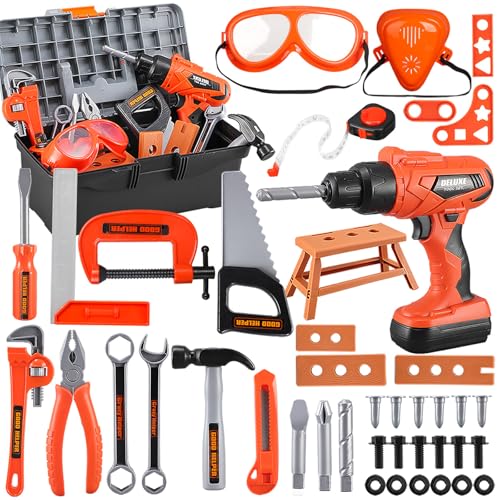
The hammer is a fundamental tool. It's perfect for driving nails, breaking objects, and minor demolition tasks. A claw hammer, with its dual functionality, is ideal for both construction and repair work. The weight and grip of a hammer are crucial. Think about the last time you struggled with a stubborn nail; a well-balanced hammer could have saved you time and effort. What's your hammer story?
Screwdrivers
Screwdrivers are indispensable for assembling and disassembling items. Phillips and flathead screwdrivers cover most needs, but a set with various sizes is a wise choice. Picture the frustration of trying to tighten a screw with the wrong size screwdriver—it just doesn't work. Investing in a magnetic screwdriver can save you from those pesky fallen screws. How often do you lose screws when working?
Pliers
Pliers offer a strong grip and precision for bending, twisting, and cutting wires. Needle-nose pliers are perfect for intricate tasks, while slip-joint pliers handle broader applications. Imagine trying to fix a wire without pliers; you'd feel like you're missing a vital extension of your hand. A quality pair of pliers can make delicate tasks much smoother. Have you ever used pliers in an unconventional way?
Wrenches
Wrenches are essential for working with nuts and bolts. Adjustable wrenches provide flexibility for various sizes, reducing the need for multiple tools. Consider the last time you had to fix a leaky pipe or assemble furniture; a wrench was likely your go-to tool. The adjustable feature allows for quick adaptation to different tasks. How many times have you needed to tighten a bolt in a hurry?
Tape Measure
Precision is key in any project, and a tape measure ensures accuracy in measurements. Whether you're hanging a picture or building a deck, a tape measure is your best friend. Think of how many projects have gone awry due to incorrect measurements; a reliable tape measure can prevent these mishaps. Have you ever taken a measurement only to realize it was off?
These essential hand tools are the unsung heroes of countless projects. They empower you to tackle tasks efficiently and with confidence. Next time you face a DIY challenge, remember that the right tool can make all the difference. What's your go-to hand tool?
Safety Equipment
Essential hand tools like gloves, goggles, and helmets protect against injuries during work. Ensure safety by using these tools. Prioritize having them in your toolkit for a secure and efficient work environment.
When working with hand tools, safety should always be your top priority. Whether you're a seasoned DIY enthusiast or just starting out, having the right safety equipment can prevent injuries and ensure a smooth working experience. Let's explore some essential safety gear that you should never overlook.
Gloves
Wearing gloves is crucial for protecting your hands from cuts, abrasions, and blisters. Imagine cutting yourself while handling sharp tools—it's not just painful, it could halt your project. Choose gloves that fit well and offer a good grip. This will help you maintain control over your tools. Consider materials like leather for durability or rubber for flexibility and grip.
Safety Glasses
Your eyes are one of your most valuable assets. Protect them with quality safety glasses. Imagine a small particle flying into your eye while hammering a nail. It could cause serious damage and discomfort. Opt for glasses with anti-fog and scratch-resistant features for a clear view. Ensure they fit snugly to your face to block any debris.
Ear Protection
Noise from power tools can be more harmful than you might think. Prolonged exposure can lead to hearing loss. Have you ever experienced ringing in your ears after using a drill? That's a sign of potential damage. Invest in earplugs or earmuffs designed for noise reduction. They’re comfortable and will help you focus on the task without damaging your hearing. Remember, safety gear is not optional—it’s essential. Next time you gear up for a project, ask yourself: Are you fully protected? Prioritizing safety doesn't just save you from injuries; it also makes your work more enjoyable and efficient.
Cutting Tools
When it comes to essential hand tools, cutting tools are indispensable. They're the backbone of any toolkit, allowing you to shape, trim, and perfect your projects with precision. Whether you're a DIY enthusiast or a professional, having the right cutting tools can make all the difference. Let's dive into some must-have cutting tools that will elevate your craftsmanship.
Utility Knife
The utility knife is a versatile powerhouse. It's your go-to for scoring materials, cutting through drywall, and opening boxes. Its retractable blade ensures safety when not in use, making it a staple in every toolbox.
Imagine tackling a home renovation. The utility knife becomes your best friend for precise cuts and clean edges. Always keep spare blades handy; a sharp blade is crucial for accurate work.
Handsaw
The handsaw is your ticket to straight, clean cuts in wood. It's perfect for creating furniture, framing, or crafting intricate designs. Unlike power tools, the handsaw gives you control and finesse.
Remember the satisfaction of finishing a project with a handsaw? That smooth cut is unmatched. Choose the right saw for the job—crosscut for cutting across the grain and rip saw for cutting with the grain.
Chisels
Chisels are all about precision. They allow you to carve, shape, and hollow out wood. Whether you're refining joints or creating ornate details, chisels deliver fine control.
Think about the last time you wanted to add a personal touch to a project. A chisel's sharp edge helps you achieve intricate designs with ease. Keep them sharp and handle them with care for the best results.
Have you ever faced a situation where the right cutting tool made your task easier? Share your experiences below. Are there any cutting tools you swear by that we missed? Let's discuss how the right tool can transform your work.
Fastening Tools
Fastening tools are essential in any toolkit. They make tasks quicker and easier. These tools help attach materials together securely. Fastening tools are used in construction, furniture building, and home repairs. They save time and ensure strong connections. Let's explore some must-have fastening tools.
Nail Gun
A nail gun is a powerful tool. It shoots nails into wood or other materials. This tool speeds up construction work. It is much faster than using a hammer. Nail guns come in different types. Some use air pressure, others use electricity or gas. They are perfect for heavy-duty jobs like framing and roofing.
Staple Gun
A staple gun is handy for attaching materials. It is used for tasks like upholstering furniture or hanging decorations. It works by driving metal staples into surfaces. Staple guns are easy to operate. They are lighter and smaller than nail guns. This makes them ideal for lighter tasks. You can choose between manual, electric, and pneumatic staple guns.
Measuring And Marking Tools
Measuring and marking tools are essential in any toolbox. They ensure precision in every project. Accurate measurements prevent costly mistakes. These tools are crucial for construction, woodworking, and DIY projects. Investing in quality measuring tools saves time and effort. Below, we explore three must-have measuring and marking tools.
Level
A level ensures your work is perfectly straight. It has a bubble vial that shows if a surface is horizontal or vertical. Use a level when hanging pictures or installing shelves. It helps keep everything aligned. Choose a level with clear, easy-to-read vials. A sturdy construction ensures durability. Keep it clean for accurate readings.
Square
A square is vital for right angles. It helps mark straight lines and check corners. Carpenters often use it in framing and roofing. The tool is available in different types. A combination square is versatile. It measures angles and depths. A speed square is handy for quick measurements. Always check for accuracy before use.
Chalk Line
A chalk line marks long, straight lines on surfaces. It contains a string coated with chalk powder. Pull the string taut and snap it. This leaves a clear chalk line. Use it on walls, floors, or boards. It's ideal for laying tiles or cutting wood. Choose a chalk line with a durable case. Refill the chalk as needed for vivid lines.
Drilling And Driving Tools
Essential hand tools like drills and drivers simplify tasks. They offer precision and power for various projects. Ideal for woodwork or construction, these tools enhance efficiency and accuracy, making them indispensable for any toolkit.
Drilling and driving tools are essential in any toolkit, whether you're a DIY enthusiast or a seasoned professional. These tools make tasks like assembling furniture, hanging shelves, or even constructing a deck much more manageable. But with so many options out there, which ones do you really need? Understanding the basics of each tool can help you make informed decisions and ensure you’re always ready for your next project.
Drill
A drill is a must-have for any toolbox. It’s versatile, used for drilling holes in wood, metal, or plastic. Whether you're hanging picture frames or installing a new cabinet, a reliable drill will make your job much easier. Have you ever struggled with manual screwdrivers for hours? A drill can save you time and energy. Opt for a cordless drill for flexibility and ease of use. Make sure it has a variable speed setting to adjust to different materials.
Impact Driver
An impact driver might seem similar to a drill, but it serves a different purpose. It's designed to drive screws quickly and powerfully, even into tough materials like hardwood or metal. You’ll notice it’s smaller and lighter, which makes it easier to handle for prolonged periods. Think of the last time you stripped a screw head because it wouldn’t drive in. An impact driver prevents that frustration with its high torque. Investing in one can save you from future headaches and damaged screws. Do you often work on larger projects or need to drive long screws? An impact driver should be your go-to tool. It’s like having a secret weapon in your toolkit, ready to tackle challenging tasks with ease. Incorporating these tools into your collection can transform how you approach projects. They not only enhance efficiency but also improve the quality of your work. So, are you ready to upgrade your toolkit?
Storage Solutions
Efficient storage solutions are crucial for any DIY enthusiast or professional looking to keep their must-need hand tools organized and easily accessible. A clutter-free workspace enhances productivity and ensures safety. Whether you're tackling a weekend project or managing a full-scale workshop, having the right storage solutions can make all the difference.
Toolbox
A good toolbox is essential for keeping your hand tools in one place. It’s your portable storage unit that follows you from job to job. Choose one with multiple compartments and a sturdy handle.
I remember picking a toolbox with a removable tray, which made organizing smaller items like screws and nails a breeze. Does your current toolbox have these features? If not, it might be time for an upgrade.
Pegboard
Pegboards are perfect for maximizing vertical space. They provide a visual display of your tools, making it easy to find what you need. Simply hang your tools using hooks, and you’ll never have to dig through drawers again.
Adding a pegboard to my garage wall was a game-changer. I could see all my tools at a glance and noticed I had duplicates I didn't need. Have you considered using a pegboard to streamline your workspace?
Shelving Units
Shelving units offer versatile storage for larger tools and supplies. They allow you to stack items safely and access them without hassle. Opt for adjustable shelves for added flexibility.
When I installed shelving units, I finally found a home for my power tools and paint cans. It cleared up floor space and made my workshop more efficient. Could shelving units be the solution to your storage woes?
Organizing your hand tools with these storage solutions not only saves time but also enhances your workflow. What changes will you make to create a more organized tool area?
Maintenance Tips
Essential hand tools ensure smooth maintenance tasks at home. Keep a hammer, screwdriver, and wrench handy. These tools help fix simple issues quickly. Regular checks and clean tools prolong their life.
Maintaining your hand tools is crucial if you want them to last longer and perform effectively. Imagine trying to fix a leaky faucet with a rusty wrench or a dull screwdriver; it's frustrating, right? Consistent maintenance not only saves you money by prolonging the life of your tools, but it also ensures your projects go smoothly. Let's dive into some practical maintenance tips for keeping your tools in top shape.
Cleaning Tools
After each use, take a few minutes to clean your tools. Wipe them with a damp cloth to remove dirt and debris. For stubborn grime, a mixture of water and mild soap usually does the trick. Dry them thoroughly to prevent rust. A personal tip: I keep a small towel in my toolbox for quick cleaning tasks. Consider using a wire brush for tools with intricate designs. This helps reach those hidden spots that often harbor dirt.
Inspecting For Wear
Regularly inspect your tools for signs of wear and tear. Check for cracks, rust, or any damage that might affect their performance. I once ignored a small crack in my favorite hammer, only to have it break during a crucial task. Lesson learned: inspect early, avoid headaches later. Don’t forget to check moving parts like hinges and joints. Tighten any loose screws and lubricate them if necessary.
Proper Storage
Storing your tools correctly can greatly extend their lifespan. Keep them in a dry place to avoid rusting. A tool cabinet or a pegboard can help organize your tools, making them easy to find and reducing the risk of damage. Consider investing in silica gel packs; they help absorb moisture in toolboxes. Ask yourself, is your storage space optimized for easy access and protection? If not, a few simple changes can make a big difference. Taking care of your hand tools doesn't have to be a chore. With these simple tips, you're well on your way to ensuring your tools remain reliable partners for all your DIY projects. So, next time you finish a project, take a moment to clean, inspect, and store your tools properly. Your future self will thank you.
Frequently Asked Questions
What Are Essential Hand Tools For Beginners?
Beginners should start with basic hand tools like a hammer, screwdriver set, and pliers. These tools cover essential tasks and repairs. A tape measure and adjustable wrench are also useful. Investing in quality tools ensures durability and efficiency. As skills grow, more specialized tools can be added.
How Do I Choose Quality Hand Tools?
Choose quality hand tools by checking the material and brand reputation. Look for ergonomic designs for comfort. Ensure tools have sturdy construction and reliable warranties. Read reviews and compare prices to find the best value. Quality tools provide better performance and last longer, enhancing your projects.
Why Are Hand Tools Important For Diy Projects?
Hand tools are crucial for DIY projects because they offer precision and control. They are versatile and allow for detailed work. Using hand tools can improve skills and creativity. They require no electricity, making them portable and easy to use.
With proper care, hand tools are long-lasting and reliable.
What Safety Tips Should I Follow With Hand Tools?
Safety tips for hand tools include wearing protective gear like gloves and goggles. Keep tools in good condition and store them properly. Use the right tool for each task to prevent accidents. Stay focused and maintain a clean workspace. Regularly inspect tools for damage or wear before use.
Conclusion
Hand tools are essential for every toolkit. They simplify tasks around the home. A good set boosts your efficiency. You can complete projects faster and with less effort. Investing in quality tools saves time and reduces frustration. Always choose durable and reliable tools.
This ensures they last longer. Remember, the right tool makes any job easier. Whether fixing a leaky faucet or assembling furniture, they make all the difference. Keep your toolkit organized and accessible. It prepares you for any task. Happy fixing and building!