Imagine being in your garage or workshop, surrounded by tools that have been around for centuries, yet still hold their ground in today’s fast-paced world. These are the non-powered hand tools—simple, yet incredibly effective.
You might not give them much thought, but they play a crucial role in your projects, from minor home repairs to intricate crafts. Why are they so indispensable? What makes them different from their powered counterparts? You'll discover the essence of non-powered hand tools, their unique benefits, and why you might want to choose them for your next task.
Dive in to learn how these tools can enhance your craftsmanship and provide a sense of control and precision that electric tools often can't match. Your toolkit—and your skills—are about to get an upgrade.
Types Of Non-powered Hand Tools
When you're working on a project or a simple household fix, non-powered hand tools are often your best friend. They offer precision, control, and simplicity. Whether you're cutting, holding, or measuring, these tools are essential in your toolkit. Let's dive into the different types of non-powered hand tools that you might find yourself reaching for.
Cutting Tools
Cutting tools are indispensable. They range from scissors to saws and everything in between. Imagine trying to open a stubborn package without a trusty pair of scissors. Or, picture needing to trim wood without a handsaw. These tools are all about precision and control, allowing you to cut through materials with ease.
Striking Tools
Striking tools are your go-to for tasks requiring force. Think hammers, mallets, and axes. Ever tried to drive a nail without a hammer? It's nearly impossible. These tools help you apply force where it's needed most, whether you're building, demolishing, or just hanging a picture frame. They bring the power to your projects.
Holding Tools
Holding tools are essential for keeping things steady. Pliers, clamps, and vises are common examples. These tools are like an extra pair of hands, offering stability and grip. Consider how pliers make twisting and turning so much easier. With holding tools, you can focus on precision without worrying about slippage.
Fastening Tools
Fastening tools are crucial for joining materials. Think screwdrivers and wrenches. Without these, assembling furniture or tightening bolts becomes a daunting task. Screwdrivers help you drive screws securely, while wrenches assist in turning nuts and bolts. They make sure things stay put.
Measuring Tools
Measuring tools ensure accuracy in your projects. Rulers, tape measures, and levels fall into this category. Imagine trying to hang a shelf without a level. It might end up crooked! These tools provide exact measurements and alignment, ensuring your project turns out just right.
Each tool has its place in your toolkit, ready to assist when you need it most. What non-powered hand tool do you find yourself using the most? Share your thoughts and experiences below!
Benefits Of Non-powered Hand Tools
Non-powered hand tools, like hammers and screwdrivers, offer reliable performance without electricity. They enhance safety, reduce costs, and require minimal maintenance. Perfect for tasks where precision and control are key, these tools remain essential in every toolkit.
Non-powered hand tools have been a staple in workshops and homes for generations. These tools, free from the constraints of batteries or cords, offer a simplicity and reliability that powered tools often can't match. Whether you're a seasoned craftsman or just starting out with DIY projects, understanding the benefits of these tools can enhance your work experience and outcomes.
Cost Efficiency
One of the most appealing aspects of non-powered hand tools is their affordability. Without the need for complex motors or electronic components, these tools are often cheaper to purchase. They also tend to have lower maintenance costs, since you won't need to replace batteries or repair electrical faults. Consider a basic screwdriver set. It's a fraction of the cost of its electric counterpart and serves a multitude of purposes. Investing in a quality set ensures you have the right tool for a range of tasks without breaking the bank.
Safety Features
Safety is paramount when working with tools, and non-powered hand tools offer a distinct advantage. They eliminate the risks associated with electrical malfunctions or accidental starts. This makes them ideal for teaching young DIY enthusiasts or for use in environments where safety is a concern. I remember teaching my nephew how to use a hand saw. The absence of a buzzing blade allowed him to focus on technique without fear, building his confidence and skill in a safe manner.
Durability
Non-powered hand tools are built to last. Their simple design means fewer parts can break or wear out. Many craftsmen find themselves using the same hand tools for decades, a testament to their longevity. My grandfather’s old hammer still hangs in my workshop, just as effective as it was decades ago. It's a reminder that quality tools, when cared for, can serve multiple generations.
Versatility
These tools are incredibly versatile. A single tool can often perform a variety of tasks, making them invaluable for both specific projects and general use. Think about a basic hand plane. It can smooth, shape, and even add decorative touches to wood. Such versatility means you can tackle different tasks without needing a toolbox filled with specialized equipment. Have you ever found yourself in a situation where a simple tool saved the day? These tools are there for those unexpected moments, offering practicality and reliability without the need for electricity or fancy features. Incorporating non-powered hand tools into your routine not only enhances your skills but also ensures you’re prepared for any project with confidence and precision.
Popular Brands And Manufacturers
Non-powered hand tools are essential in daily tasks. Choosing the right brand is crucial. Different brands offer unique features and quality. Understanding popular brands helps in making informed decisions.
Industry Leaders
Some brands stand out in the hand tool industry. Stanley is well-known for its durability. Craftsman offers reliable and affordable tools. Klein Tools specializes in electrical tools. Each brand caters to different needs.
Quality Indicators
Quality is a key factor in hand tools. Look for strong materials like steel. Ergonomic designs enhance comfort and safety. Check for lifetime warranties. These indicators ensure long-lasting use.
Brand Comparisons
Comparing brands helps in choosing the best tool. Stanley tools are durable and versatile. Craftsman tools are budget-friendly and reliable. Klein Tools focuses on electrical work. Each brand has unique advantages.
Maintenance And Care
Non-powered hand tools include hammers, screwdrivers, pliers, and wrenches. These tools require no electricity or batteries. Proper maintenance ensures their longevity and effectiveness. Regular cleaning and storing in a dry place prevent rust and wear.
Maintaining and caring for your non-powered hand tools is crucial to ensure their longevity and effectiveness. These tools, often the backbone of many DIY projects, require regular attention. Proper care not only extends their lifespan but also ensures your safety. Imagine reaching for your favorite screwdriver only to find it rusty and unusable. Taking a few simple steps can prevent this scenario.
Cleaning Techniques
Regular cleaning prevents dirt and grime from accumulating. After each use, wipe your tools with a clean cloth. For stubborn spots, use a mild soap solution. Avoid soaking wooden handles as this can cause them to swell. A toothbrush can be handy for cleaning intricate parts. Consider adding a little vinegar for rust removal. Have you tried using baking soda as a gentle abrasive? It can work wonders without damaging your tools.
Storage Solutions
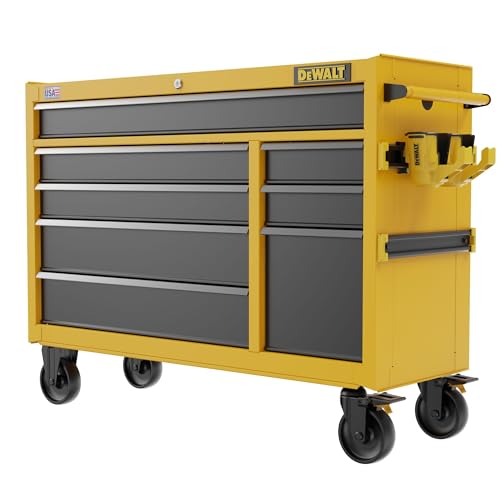
Storing tools properly can prevent damage and rust. A dry, cool place is ideal. Hanging tools on a pegboard keeps them organized and easily accessible. Do you have old wine corks lying around? They’re perfect for protecting sharp ends. Consider investing in toolboxes or cases with dividers. This keeps tools from banging against each other, reducing wear. When was the last time you reorganized your storage? It might be time for a fresh setup.
Regular Inspections
Inspect your tools regularly for wear and damage. Check wooden handles for cracks or splinters. Metal parts should be free of rust and corrosion. Have you found any loose screws or bolts lately? Sharpen blades and tighten loose parts as needed. Regular inspections ensure tools are safe to use and in top condition. How often do you check your tools? Making it a routine can save you from unexpected mishaps.
Choosing The Right Hand Tool
Choosing the right hand tool is crucial for any task. The right tool can make a job easier and more efficient. It helps avoid mistakes and injuries. Hand tools come in various shapes and sizes. Each is designed for specific tasks. Understanding your needs is the first step in selecting the best tool.
Identifying Needs
Start by identifying your specific needs. What task do you need the tool for? Different tasks require different tools. A hammer is not suitable for cutting. A saw is not ideal for driving nails. List out the tasks to determine the tools required. This helps in making a focused choice.
Material Considerations
Material matters when selecting a hand tool. Tools are made from various materials. Steel and aluminum are common. Steel tools are strong and durable. Aluminum tools are lightweight and easier to handle. Choose a material that suits your task requirements. Consider the tool's longevity and ease of use.
Ergonomic Design
Ergonomic design is vital for hand tools. It ensures comfort during use. An ergonomic tool reduces strain on hands and wrists. Look for tools with comfortable grips. Ensure they fit well in your hand. A well-designed tool can improve efficiency. It reduces the risk of injury. Comfort should be a priority in your selection process.
Common Uses In Various Industries
Non-powered hand tools are essential in many industries. They serve diverse functions without the need for electricity. Their simplicity and versatility make them invaluable. From building structures to crafting furniture, these tools are indispensable. Here, we explore their common uses in various sectors.
Construction
In construction, non-powered hand tools are vital. Hammers drive nails into wood and walls. Screwdrivers tighten screws for a secure fit. Wrenches adjust nuts and bolts efficiently. Plumb bobs ensure walls are perfectly vertical.
Tape measures help in accurate measurements. Chisels carve out wood or concrete surfaces. These tools build structures safely and precisely.
Woodworking
Woodworkers rely heavily on hand tools. Saws cut wood into desired shapes and sizes. Planes smooth rough surfaces and create thin shavings. Chisels craft intricate designs and carve out joints. Clamps hold pieces together during glue drying.
Files and rasps refine edges and surfaces. These tools help create beautiful, functional wooden pieces.
Automotive
Mechanics need reliable hand tools for vehicle repairs. Wrenches and sockets remove and tighten engine parts. Screwdrivers adjust components in tight spaces. Pliers grip and twist wires securely.
Hammers help in reshaping metal parts. Non-powered tools ensure vehicles run smoothly and safely.
Gardening
In gardening, hand tools cultivate and maintain plants. Spades dig holes for planting seeds. Trowels help in transplanting small plants. Pruners trim branches and promote healthy growth. Rakes collect leaves and debris from the soil.
Hoes break up the soil for better aeration. These tools support a thriving garden environment.
Frequently Asked Questions
What Are Non-powered Hand Tools?
Non-powered hand tools are manually operated tools without an external power source. Examples include hammers, screwdrivers, wrenches, and pliers. These tools rely on human strength and skill to function. They are essential for various tasks in construction, repair, and maintenance.
Their simplicity makes them durable and versatile.
Why Are Hand Tools Important?
Hand tools are crucial for precision and control in tasks. They allow for detailed work that power tools might overlook. Their portability and simplicity make them easy to use. They are ideal for tasks requiring finesse or when power sources are unavailable.
Safety is often higher with hand tools.
How Do Hand Tools Differ From Power Tools?
Hand tools operate without external power sources, relying on manual force. Power tools use electricity, batteries, or fuel for operation. Hand tools are often lighter and more portable. They offer greater control for delicate tasks. In contrast, power tools provide speed and efficiency for larger projects.
What Are Common Types Of Hand Tools?
Common hand tools include hammers, screwdrivers, wrenches, pliers, and saws. Each serves a specific purpose in construction or repair. Hammers drive nails, screwdrivers tighten screws, and wrenches turn bolts. Pliers grip objects, while saws cut materials. These tools are versatile and essential for various tasks.
Conclusion
Non-powered hand tools remain essential in daily tasks. Their simplicity offers reliability and ease of use. From hammers to screwdrivers, these tools provide unmatched control. They serve various purposes without needing electricity. Whether fixing a leak or assembling furniture, hand tools prove invaluable.
Choosing the right tool ensures efficiency and safety. Every toolbox benefits from these classics. Their durability often surpasses that of powered alternatives. Investing in quality hand tools saves time and money. Remember, proper maintenance extends their lifespan. Explore your options and find what fits your needs best.
Embrace the versatility of non-powered hand tools.