Have you ever wondered what truly separates a hand tool from a power tool? As you dive into the world of home improvement or tackle that DIY project, understanding the difference can make all the difference in your success.
Picture this: you’re ready to fix something, but you’re not sure if that trusty screwdriver or the electric drill is the right choice. This article will guide you through the essentials of hand and power tools, helping you make informed decisions for your next project.
Get ready to discover the secrets to choosing the right tool that can save you time, effort, and maybe even a little frustration. Stay with us to unlock the potential of your toolbox!
Types Of Hand Tools
Hand tools are manually operated devices like hammers and screwdrivers, used for various tasks. Power tools, such as drills and saws, require an external power source, making tasks quicker and easier. Both types are essential for construction, repair, and DIY projects.
When diving into any DIY project or professional task, hand tools are your first line of action. Understanding the types of hand tools available can significantly enhance your efficiency and precision. Whether you're assembling furniture, fixing a leaky faucet, or crafting intricate woodwork, having the right tool in your hand can make all the difference.
Hammers And Mallets
Hammers and mallets are fundamental in any toolkit. Hammers, with their solid metal heads, are perfect for driving nails or breaking objects. Mallets, on the other hand, have softer heads and are ideal when you need to exert force without damaging surfaces. Imagine trying to assemble a delicate piece of furniture; a mallet would be your best friend here. Have you ever used a hammer to hang a picture and ended up with a cracked wall? Choosing the right type can help you avoid such mishaps.
Screwdrivers And Nut Drivers
Screwdrivers and nut drivers are essential for fastening and loosening screws and nuts. Screwdrivers come with different heads like flathead or Phillips, matching the specific screw type you're working with. Nut drivers are similar but designed for hexagonal nuts and bolts, providing a firmer grip. Picture yourself assembling a child's toy. Using the wrong screwdriver can strip the screw, making it unusable. Ensure you have a variety of screwdrivers and nut drivers to tackle any project efficiently.
Pliers And Wrenches
Pliers and wrenches offer the grip and leverage you need for twisting, cutting, and compressing tasks. Pliers, with their versatile designs, can handle anything from bending wires to holding objects. Wrenches are indispensable for tightening or loosening nuts and bolts. Think about the last time you tried to fix a bike. A wrench was probably your go-to tool for adjusting the chain or wheels. Do you have a set of pliers and wrenches that match your needs at home?
Cutting Tools
Cutting tools are indispensable for any task that involves severing materials. From simple scissors to more robust hacksaws, each tool caters to a specific cutting need. Utility knives are perfect for precise tasks, while saws handle more heavy-duty cutting. Consider the frustration of using the wrong tool to cut a piece of wood. Using a hacksaw instead of a wood saw can result in uneven cuts and wasted materials. Which cutting tools do you rely on most for your projects? Hand tools might seem basic, but their impact is undeniable. Choosing the right one not only makes your work easier but also more enjoyable. What tools do you find indispensable in your DIY adventures?
Types Of Power Tools
Hand tools and power tools serve different purposes. Hand tools like hammers and screwdrivers rely on human strength. Power tools, such as drills and saws, use electricity or batteries for easier tasks.
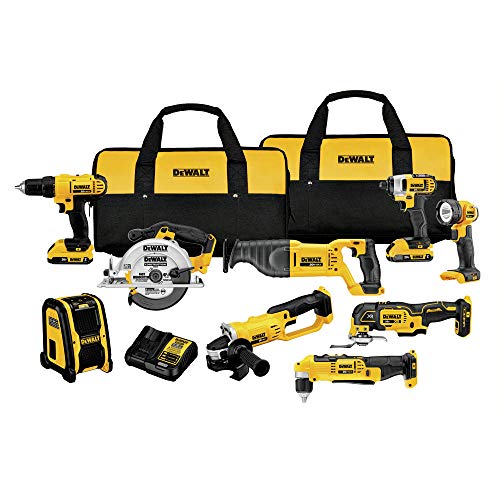
Understanding the vast variety of power tools available today can significantly enhance your DIY projects and professional tasks. These tools are designed to make your work easier, faster, and more efficient. Knowing the right tool for your specific needs can be a game-changer. Let’s dive into some of the common types of power tools and see how they can elevate your work.
Drills And Drivers
Drills and drivers are perhaps the most versatile power tools you'll come across. They come in handy for tasks ranging from simple home repairs to complex construction projects. Whether you're hanging a picture frame or assembling furniture, a drill can be your best friend. Cordless drills offer flexibility, while corded drills provide consistent power. Think about what fits your needs best.
Saws And Blades
Saws and blades are essential for cutting through various materials such as wood, metal, and plastic. Circular saws, jigsaws, and reciprocating saws each serve different purposes. Imagine crafting a unique wooden shelf; a circular saw can help you achieve precise cuts. When selecting a saw, consider the material you'll work with most often. Would a multi-purpose blade be more beneficial for you?
Sanders And Polishers
Smooth and shiny surfaces can transform a project from amateur to professional. Sanders and polishers can help you achieve that flawless finish. Orbital sanders are great for general sanding, while belt sanders excel in removing rough material quickly. Polishing tools add that extra gleam to your work. Have you ever felt the satisfaction of running your hand across a perfectly smooth surface?
Grinders And Buffers
Grinders and buffers are indispensable when it comes to shaping and finishing materials. They're perfect for sharpening tools, removing rust, or smoothing welds. Angle grinders are particularly useful for cutting and grinding metal. Buffers, on the other hand, are excellent for bringing out the shine in metal and wood. Are you ready to see your project sparkle? Selecting the right power tool can make a world of difference in both the outcome and enjoyment of your work. So, next time you're embarking on a project, pause and consider which tool will bring out your best work.
Choosing The Right Tool
Choosing the right tool is essential for the success of any project, whether you're a seasoned DIY enthusiast or a novice just starting out. Picking the perfect tool can make the difference between a job well done and a frustrating experience. With a variety of hand and power tools available, how do you ensure you're making the best choice for your needs? Let's dive into some key considerations.
Assessing Project Needs
Start by asking yourself: What exactly does my project require? Different tasks demand different tools. If you're hanging a picture, a simple hammer might suffice. But if you're building a deck, you'll need more robust equipment like a power drill. Consider the scope and complexity of your project.
Think about the time you have. For quick fixes, hand tools might be your best friend. They are simple and often don't require setup. However, for larger projects, power tools can save you hours, turning a multi-day task into a manageable one-day job.
Material Considerations
The materials you're working with can greatly influence your tool choice. Wood, metal, and drywall each have different characteristics. A tool that's perfect for wood might not work for metal. For instance, cutting metal requires a specialized saw, while wood can be handled with a basic hand saw.
Consider the density and toughness of your materials. If you're working with dense materials like hardwood or steel, investing in high-quality power tools might be necessary. This not only makes the job easier but also ensures precision and safety.
Budget And Quality
Budget is a crucial factor. You might be tempted to buy the cheapest tool available, but remember, quality often comes at a price. Investing in a durable tool can save you money in the long run, reducing the need for replacements and repairs.
Evaluate your spending capacity and prioritize tools that offer the best value for money. High-quality tools are often more efficient and safer to use. Consider reading reviews and seeking recommendations from fellow enthusiasts to guide your purchase decisions.
Ultimately, the right tool enhances your efficiency and enjoyment. Have you ever tried using the wrong tool for a job and felt the frustration? Avoid that pitfall by thoroughly assessing your needs, considering your materials, and balancing your budget with quality. What tool will you choose for your next project?
Safety Practices
Hand and power tools are essential for various tasks. Proper safety practices prevent injuries and ensure efficient use. Always wear protective gear, inspect tools before use, and follow instructions.
Handling hand and power tools can make your work efficient and precise, but it also requires a solid understanding of safety practices. Ensuring safety isn't just a checklist; it's a commitment to preserving your well-being and that of those around you. Whether you're a seasoned professional or a DIY enthusiast, learning the essentials of tool safety can save you from unexpected accidents.
Protective Gear
Wearing the right protective gear is your first defense against potential hazards. Always equip yourself with safety goggles to protect your eyes from flying debris. Gloves are crucial, especially when handling sharp tools, as they provide an extra layer of safety. Don't neglect ear protection when using loud power tools. Prolonged exposure to high noise levels can affect your hearing. Hard hats are also a must in environments where there's a risk of falling objects. What's your go-to piece of protective gear?
Proper Handling Techniques
Understanding how to handle tools properly is vital for safety. Always ensure your hands are dry to maintain a firm grip. This reduces the risk of the tool slipping, leading to injuries. Never carry a tool by its cord, as this can damage the cord and increase the risk of electric shock. When handing a tool to someone else, offer it with the handle first. This simple act can prevent accidental cuts or drops.
Maintenance And Inspection
Regular maintenance and inspection of your tools extend their lifespan and ensure safety. Before using any tool, check for visible damage such as cracks or loose parts. A well-maintained tool performs better and reduces the risk of malfunction. Sharpen blades regularly to prevent them from getting stuck and causing accidents. Tighten any loose screws or bolts to ensure the tool operates smoothly. When was the last time you inspected your tools? It might be time for a quick check-up. Embrace these safety practices to protect yourself and others. Each step you take towards safety is a step towards a more productive and secure work environment. Remember, safety isn't just a precaution; it's a responsibility.
Maintenance And Care
Proper maintenance extends the life of hand and power tools. Regular cleaning prevents rust and ensures smooth operation. Always store tools in a dry place to avoid moisture damage.
Maintaining your hand and power tools is more than just keeping them in working order; it's about ensuring safety and longevity. Imagine the frustration of a dull saw or a drill that gives out halfway through a project. Proper maintenance and care can save you from these headaches and, more importantly, save you money in the long run. Let’s dive into some essential maintenance practices.
Cleaning And Storage
After a long day of working on your project, it might be tempting to toss your tools aside. But taking a few minutes to clean them can make a world of difference. Wipe down your tools with a cloth to remove dust and grime. For power tools, ensure they're unplugged before cleaning. Proper storage is just as crucial. Invest in a good toolbox or pegboard to keep your tools organized and easily accessible. This not only helps you find them quickly but also protects them from damage. Remember, a cluttered workspace can lead to accidents and tool damage.
Sharpening And Calibration
A dull blade is not only ineffective but also dangerous. Regularly check your hand tools like knives and saws for sharpness. Use a sharpening stone or file to maintain their edge. Power tools, like drills and saws, may require calibration to ensure precision. Read the manufacturer’s instructions for calibration guidelines. Trust me, a well-calibrated tool can make a huge difference in the quality of your work.
Repair And Replacement
All tools have a lifespan, but that doesn’t mean you should rush to replace them at the first sign of wear. Assess the damage—is it a simple fix like replacing a battery or tightening a screw? Sometimes, tools might need professional repair. Don’t hesitate to consult with an expert if you're unsure. However, if a tool is beyond repair or poses a safety risk, it's time to replace it. Your safety should always come first. Caring for your tools might feel like an extra task, but it’s a rewarding practice. Have you ever realized how much longer your tools last when you give them a bit of attention? A little maintenance today can save you a lot of trouble tomorrow.
Innovations In Tool Technology
Hand and power tools have undergone remarkable changes in recent years. Innovations in tool technology are making work easier and more efficient. These advancements are setting new standards in the industry. Many tools now offer features that cater to specific needs. From smart tools to ergonomic designs, the landscape is evolving. These innovations focus on safety, comfort, and sustainability.
Smart Tools
Smart tools integrate technology for precise results. They often include sensors for real-time data. This helps in monitoring performance and maintenance. Some tools connect to apps for better management. These features save time and reduce errors. Smart tools are designed to be intuitive and user-friendly.
Ergonomic Designs
Ergonomic designs prioritize user comfort and safety. Tools now fit better in hand and reduce strain. This minimizes fatigue during long hours of use. Materials are chosen for lightweight and durability. Handles and grips are crafted for better control. Ergonomic tools enhance productivity by making tasks less tiring.
Energy Efficiency
Energy efficiency is crucial in tool innovation. Many power tools consume less electricity now. This leads to lower costs and environmental impact. Battery-operated tools are gaining popularity. They offer freedom from cords and outlets. Energy-efficient tools are not only practical but also sustainable.
Environmental Impact
Hand and power tools play a role in various tasks, impacting the environment through energy use and material extraction. Efficient tools reduce waste and emissions, promoting sustainable practices in industries. Choosing eco-friendly options can help minimize their environmental footprint.
Environmental Impact The tools you use in your DIY projects or professional work can have a significant effect on the environment. While they help us accomplish tasks efficiently, it's essential to consider what happens beyond their immediate use. Are your tools contributing to a sustainable future? Thinking about the environmental impact of hand and power tools can lead to more conscious choices. It can guide you towards options that minimize harm to the planet. Let's explore how sustainable materials, eco-friendly manufacturing, and responsible recycling and disposal can make a difference.
Sustainable Materials
Choosing tools made from sustainable materials can significantly reduce environmental harm. Look for tools that use recycled metals or sustainably sourced wood. These materials often require less energy to produce and result in lower carbon emissions. Some brands now focus on bioplastics and other eco-friendly alternatives. This can be a game-changer for reducing reliance on traditional plastics. What materials are your tools made of?
Eco-friendly Manufacturing
Manufacturing processes can greatly affect the environment. Factories that prioritize energy efficiency and waste reduction contribute to a cleaner planet. Look for companies that have certifications for eco-friendly practices. Brands committed to eco-friendly manufacturing often use renewable energy sources. This helps decrease their carbon footprint. When you purchase from these companies, you're supporting more sustainable industrial practices.
Recycling And Disposal
Proper disposal of hand and power tools is crucial. Many tools can be recycled, saving valuable materials from ending up in landfills. Check if your local recycling center accepts old or broken tools. Some manufacturers offer take-back programs. These programs ensure that tools are recycled responsibly. Have you ever thought about where your tools end up when they're no longer useful? By considering these factors, you can make more environmentally conscious decisions. Every small step counts in protecting our planet. What changes will you make in your next tool purchase?
Frequently Asked Questions
What Are Hand Tools Used For?
Hand tools are manually operated tools used for tasks like cutting, shaping, and assembling. Common examples include hammers, screwdrivers, and pliers. They are essential for detailed work where precision is needed, making them ideal for tasks requiring control and finesse.
How Do Power Tools Differ From Hand Tools?
Power tools are electrically or battery-powered devices that perform tasks faster than hand tools. They provide efficiency and speed in tasks like drilling and cutting. While hand tools rely on human strength, power tools use motors to perform functions with ease and precision.
Why Are Hand Tools Important?
Hand tools are important for precision and control in tasks. They allow for detailed work in carpentry, plumbing, and gardening. Their simplicity makes them reliable, and they are essential for tasks where electric tools are impractical or unsafe.
Are Power Tools Safe To Use?
Power tools are safe when used correctly and with proper precautions. Always follow the manufacturer's instructions, wear appropriate safety gear, and ensure your workspace is organized. Regular maintenance and inspections can prevent accidents and ensure tools function properly.
Conclusion
Hand and power tools are essential for countless tasks. They make work easier and faster. Choosing the right tool saves time and effort. Hand tools offer precision and control. Power tools deliver speed and efficiency. Both have unique advantages and uses.
Safety should always be a priority. Proper maintenance extends tool life. Investing in quality tools pays off over time. Understanding tool differences helps in making better choices. Explore their potential in various projects. Enhance your skills with practice and experience.
A good toolkit is a valuable asset for any worker.