Are you curious about the essential tools that can transform your skills in Shielded Metal Arc Welding (SMAW)? Understanding the basic hand tools is crucial for anyone eager to excel in this field, whether you're a beginner or looking to refine your craft.
Imagine the satisfaction of creating a perfect weld, all thanks to the right tools in your hands. By the end of this article, you'll gain clarity on the must-have tools that ensure precision, safety, and efficiency. Let's unlock the secrets to mastering SMAW with the right equipment, enhancing both your knowledge and confidence.
Ready to dive in?
Essential Hand Tools For Smaw
Shielded Metal Arc Welding (SMAW) is a versatile and widely used welding process. For those who are stepping into the world of SMAW, understanding the essential hand tools is crucial. These tools not only enhance your skills but also ensure safety and precision during the welding process. Let's delve into the core tools you need to master SMAW and why they're vital for successful welding.
Overview Of Smaw Hand Tools
When you begin your SMAW journey, you'll encounter a variety of hand tools. Each tool serves a specific purpose and contributes to the quality of your weld. Some of the most common tools include welding hammers, chipping hammers, wire brushes, and welding clamps.
Welding hammers are essential for shaping and adjusting metal pieces. Chipping hammers help remove slag, ensuring a clean weld. Wire brushes are used to clean surfaces before welding. Welding clamps hold your materials steady, preventing unnecessary movement.
Why stop there? Think about the protective gear. Welding helmets, gloves, and aprons also play a crucial role in your safety. These aren't just accessories; they're essential tools that protect you from sparks and heat.
Importance In Welding Process
Ever tried welding without the right tools? It's like painting without a brush. The hand tools you choose directly affect your welding quality. Imagine trying to clean a surface without a wire brush. The weld won't adhere properly, leading to weak joints.
Precision is key in SMAW. Tools like welding clamps ensure your materials are held securely, minimizing errors. Without them, your pieces might shift, causing misaligned joints. This can lead to structural weaknesses.
Safety is another critical aspect. Welding hammers and chipping hammers help you work efficiently, reducing the risk of accidents. Protective gear shields you from burns and harmful UV rays. Would you risk injury by ignoring these basic tools?
In your welding journey, these tools become your trusted allies. They guide you, protect you, and help perfect your craft. Which tool do you think you might overlook? Consider its impact on your work. Can you afford to ignore it?
Welding Helmet
The welding helmet is a crucial tool in Shielded Metal Arc Welding (SMAW). It protects the welder's face and eyes from harmful sparks and ultraviolet rays. An effective helmet ensures safety and enhances focus during welding tasks. Let's delve into what makes a good welding helmet essential.
Features Of A Good Helmet
A good welding helmet should have an adjustable headband. This ensures a snug fit for all head sizes. A clear viewing window is important for visibility. It helps welders see their work clearly. The helmet should have an auto-darkening filter. This feature protects the eyes when the arc is struck. Lightweight materials reduce neck strain during long tasks.
Safety Considerations
Safety is paramount in welding. A helmet should comply with safety standards. Look for certifications like ANSI Z87.1. These ensure the helmet meets safety requirements. The helmet should cover the entire face. This provides protection from flying debris and harmful rays. Ventilation is also important. It prevents fogging and increases comfort. A good helmet enhances safety and productivity.
Welding Gloves
Welding gloves are essential for safety in Shielded Metal Arc Welding (SMAW). They protect hands from heat, sparks, and sharp materials. A good pair ensures flexibility and durability, making them a basic hand tool every welder needs.
Welding gloves are an essential part of the protective gear for anyone involved in Shielded Metal Arc Welding (SMAW). They are more than just a barrier between your hands and the intense heat; they give you the confidence to focus on your weld without worrying about burns or injuries. Personal experience has shown me that choosing the right pair can make a world of difference. The comfort and flexibility they offer can transform your welding from a chore to a skillful craft. So, how do you choose the perfect pair? Let's delve into the materials and protection levels to guide your decision.
Material Types
When picking welding gloves, the material is crucial. Leather is the most common choice, often made from cowhide, pigskin, or goatskin. Each type has its own perks. Cowhide offers durability and heat resistance, ideal for heavy-duty welding tasks. If you're looking for something more flexible, consider pigskin gloves. They provide dexterity but are less resistant to heat. Goatskin is soft and flexible, perfect for tasks needing precision. It's not just about the material but also the lining. Wool and cotton linings add comfort and extra heat resistance. Your hands will thank you after a long welding session.
Protection Levels
Protection isn't one-size-fits-all. Different tasks require different levels of shielding. Heavy-duty welding requires gloves with reinforced cuffs and extra padding. These gloves protect against burns and sparks. For lighter jobs, you might prefer gloves with less bulk but sufficient heat resistance. They offer better movement and feel, making intricate work easier. Consider the glove's length too. Longer gloves protect your forearms from sparks, while shorter ones are more comfortable for extended wear. What level of protection do you need for your welding projects? Think about the specific tasks you perform to guide your choice. Choosing the right welding gloves can enhance your safety and efficiency. Whether you're a seasoned pro or a beginner, they are a vital tool in your SMAW kit.
Welding Apron
The welding apron is essential in Shielded Metal Arc Welding (SMAW). It protects the welder from sparks and heat. Made from sturdy materials, it ensures safety during welding tasks. The apron acts as a barrier against harmful elements.
Durability And Comfort
A welding apron must be durable. It needs to withstand constant wear. High-quality leather is a popular choice. It provides long-lasting protection. Comfort is also crucial. An apron should fit well and not restrict movement. Adjustable straps can enhance comfort. They allow a snug fit for various body types. A good apron balances durability with ease of wear.
Heat Resistance
Welding exposes workers to intense heat. The apron must offer excellent heat resistance. Leather is naturally heat-resistant. It protects against burns and sparks. This material can handle high temperatures. A heat-resistant apron is crucial for safety. It reduces the risk of injuries. Choose an apron designed to withstand extreme conditions. This ensures a safer working environment.
Electrode Holder
The electrode holder is a vital tool in Shielded Metal Arc Welding (SMAW). It connects the welder to the electrode, ensuring efficient current flow. This tool must be reliable and safe to handle. It influences the quality of the weld and the comfort of the welder. Understanding its features helps in selecting the right one for your needs.
Grip And Control
A good electrode holder offers a secure grip. This ensures stability during welding. Proper control allows precise movements. This reduces errors and enhances weld quality. The holder should fit comfortably in your hand. It minimizes fatigue during long welding sessions. Textured grips prevent slipping, even with sweaty hands.
Current Capacity
Each electrode holder has a specific current capacity. It determines how much electrical current it can handle. This capacity must match the welding machine's output. Using a holder with insufficient capacity can cause overheating. It may lead to damage or accidents. Check the specifications before choosing a holder. Proper capacity ensures safe and efficient welding.
Chipping Hammer
A chipping hammer is essential in SMAW for removing slag from welds. This tool ensures clean, smooth surfaces. Its sharp, pointed end breaks hardened slag, while the flat end scrapes residue. Compact and easy to handle, it’s vital for achieving polished weld finishes.
In the world of Shielded Metal Arc Welding (SMAW), the chipping hammer is an essential tool. This humble tool plays a vital role in ensuring clean and smooth welds. But what exactly makes it indispensable for welders like you?
Types Of Chipping Hammers
Chipping hammers come in various forms, each designed to suit different needs. The most common type is the straight-head hammer, perfect for general use. It’s sturdy and reliable, something you'll likely keep in your toolbox. Another type is the cone and chisel hammer, which has a pointed tip on one end and a flat blade on the other. This dual design helps in reaching tight corners and scraping off stubborn slag. Your choice of chipping hammer can significantly affect your efficiency. Have you ever struggled with removing slag in narrow spots? The right hammer might just be your best friend.
Usage In Smaw
In SMAW, the chipping hammer is used to remove slag from the weld bead. Slag can obscure the weld, making it difficult to inspect for defects. A quick tap with the hammer and your weld is clean and ready for inspection. The hammer also helps in preparing the surface for additional welding passes. You need a clean surface for a strong bond, and a chipping hammer ensures that. Have you noticed how a small tool can make such a big difference? The chipping hammer might seem simple, but it’s crucial for quality welds. Selecting the right hammer and using it effectively can transform your welding experience. So, next time you reach for your chipping hammer, think about how this basic tool is enhancing your work. Isn't it fascinating how small tools can have such a large impact on your projects?
Wire Brush
The wire brush stands as a vital tool in SMAW (Shielded Metal Arc Welding). It is used for cleaning metal surfaces before and after welding. This tool ensures a clean workspace, which leads to strong and reliable welds. A wire brush helps in removing rust, slag, and other debris. This keeps the welding area clean and safe. Its simple design makes it easy to handle and efficient in its task.
Cleaning Techniques
Use firm strokes with the wire brush for effective cleaning. Brush in one direction to remove slag and debris. This ensures the welding surface is clean. For stubborn rust or debris, apply more pressure. A clean surface improves weld quality significantly. Always wear gloves to protect your hands from sharp bristles.
Maintenance Tips
Maintaining your wire brush is essential for its longevity. Keep the bristles free from excess rust and debris. Inspect regularly for worn-out bristles. Replace the brush when bristles become too short. Store the wire brush in a dry place. Moisture can cause rust on the bristles. Regular maintenance ensures optimal performance and a longer lifespan.
Welding Pliers
Welding pliers are essential in SMAW, providing grip and precise control for tasks like holding electrodes. These versatile tools help ensure safe, efficient welding by allowing easy manipulation of materials and removal of spatter.
When diving into the world of Shielded Metal Arc Welding (SMAW), one of the essential tools you'll encounter is the welding pliers. These versatile instruments are a welder's best friend, combining multiple functionalities into one handy tool. While you might think of them as just another piece in your toolkit, welding pliers often become indispensable for tasks you didn't even know needed a specific tool.
Multi-functional Use
Welding pliers are not just for one job. They can cut wires, remove spatter, and even help with hammering. This multi-functionality saves you from constantly switching between tools, streamlining your workflow. Imagine being on a tight schedule and needing to switch tasks quickly. With welding pliers, you can do more without the hassle of searching for different tools. They can handle various tasks efficiently, making your job easier and faster.
Durability And Strength
Welding pliers are built tough. They're designed to withstand high temperatures and harsh conditions. This ensures they last long and perform consistently. Consider how often you'll be using them. They need to endure heavy use, and quality welding pliers won't let you down. Opt for ones made from strong materials like steel to ensure they can handle the demands of welding. Are you investing in tools that can last for years? The strength and durability of welding pliers make them a smart investment, reducing the need for frequent replacements. They’re not just tools; they’re partners in your welding projects. By understanding the versatility and robustness of welding pliers, you can significantly enhance your welding experience. How are you currently using your welding pliers, and could they be serving you in more ways than you realize?
Measuring Tools
When you're embarking on a welding project, especially with SMAW (Shielded Metal Arc Welding), precision is key. Measuring tools are essential for achieving accurate results. They help ensure that your work meets exact specifications, preventing costly mistakes and rework. But what are these tools, and how do they contribute to the quality of your welds? Let's explore the world of measuring tools in welding.
Precision In Welding
In welding, precision isn't just a nice-to-have; it's a must. Every millimeter counts, and even the slightest deviation can lead to structural weaknesses. Imagine working on a high-stakes construction project where every joint must align perfectly. Measuring tools act as your guiding star, ensuring that each component fits seamlessly with the next. They are your assurance that the final product will be strong, stable, and safe.
Types Of Measuring Tools
Several measuring tools are indispensable in SMAW. Each serves a distinct purpose and enhances the accuracy of your work. Here's a quick rundown:
- Tape Measure:A staple in any tool kit, it helps you measure lengths and distances with ease. It's crucial for setting up your workpiece and ensuring it meets the required dimensions.
- Calipers:These are perfect for measuring the thickness of materials and the diameter of rods or pipes. They offer precision that a simple tape measure can't match.
- Square:Ensures that your angles are perfect, which is vital when creating frames or structures that require right angles.
- Spirit Level:This tool checks the horizontality or verticality of your workpiece. It's essential for maintaining balance and alignment.
- Protractor:When working with angles other than 90 degrees, a protractor can help you get the exact angle you need.
Imagine working on a DIY welding project for your backyard. You might think you have the right measurements, but without the proper tools, there's room for error. A slight miscalculation could turn a simple garden bench into a wobbly eyesore. The right measuring tools can save you from these pitfalls.
Have you ever completed a project only to realize something didn’t quite fit as expected? A small oversight can lead to significant problems down the line. Precision measuring tools in welding can prevent these issues, ensuring every part of your project fits perfectly. Why not make them an integral part of your welding toolkit? They’re as important as the welding machine itself, if not more so.
Tool Maintenance
Maintaining your basic hand tools in Shielded Metal Arc Welding (SMAW) is crucial. Proper tool maintenance not only extends the life of your tools but also ensures safety and efficiency in your work. How often do you inspect your tools, and are they stored correctly? These simple actions can make a significant difference in your welding projects.
Regular Inspection
Regular inspection is vital. It's not just about checking for wear and tear. Look for signs of rust, bent handles, or loose screws. These small issues can lead to bigger problems during your projects.
Make it a habit to inspect your tools before and after each use. This practice helps you catch problems early. A friend of mine once ignored a cracked handle on his chipping hammer. It snapped during a critical task, causing a delay that cost him valuable time.
Would you want your project delayed over something that could have been easily avoided?
Proper Storage
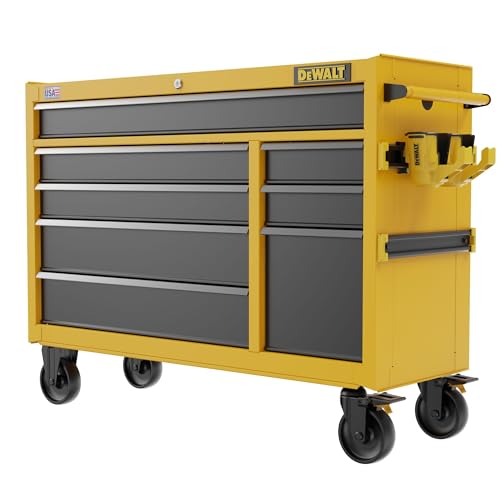
Proper storage is equally important. Leaving tools scattered in a workshop invites damage. Ensure they are stored in a dry, organized space. Moisture can be a silent killer, causing rust that eats away at the metal.
Consider using a toolbox with compartments. It keeps your tools separated and protected. Plus, it makes them easy to find when you need them. This simple setup can save you time and frustration.
Have you ever wasted time looking for a misplaced tool?
Maintaining your SMAW tools doesn't require complex systems. Regular inspections and proper storage are straightforward practices that can vastly improve your workflow. Implement these habits today, and you'll see the difference in your welding projects.
Frequently Asked Questions
What Is Smaw Welding?
SMAW, or Shielded Metal Arc Welding, is a manual arc welding process. It uses a consumable electrode coated in flux to lay the weld. The process involves striking an arc between the electrode and the workpiece to melt the electrode and the workpiece surface.
Which Hand Tools Are Essential For Smaw?
Essential hand tools for SMAW include welding helmet, gloves, and chipping hammer. A wire brush and electrode holder are also necessary. These tools ensure safety and precision during the welding process, helping to produce strong and reliable welds.
How Does A Welding Helmet Protect?
A welding helmet protects the eyes and face from sparks and harmful UV rays. It contains a filter that darkens automatically during welding. The helmet also shields against infrared radiation and flying particles, ensuring the welder's safety and comfort.
Why Are Welding Gloves Important?
Welding gloves protect hands from heat, sparks, and electrical shock. They are made from heat-resistant materials like leather. These gloves offer dexterity while shielding the skin, allowing welders to handle tools safely and comfortably.
Conclusion
Understanding basic hand tools in SMAW is essential. These tools ensure safety. They improve precision in welding tasks. Learning their use enhances skill and efficiency. Safety gear, measuring tools, and cleaning equipment each play a role. They help create strong, clean welds.
Practice with these tools boosts confidence. It leads to better results. Beginners should start with simple tools. Gradually, they can explore advanced options. Safety must always be a priority. Respecting tools and techniques is key. It fosters a productive welding experience.
Remember, proper tool usage makes a big difference. Safe and effective welding comes from good practices.